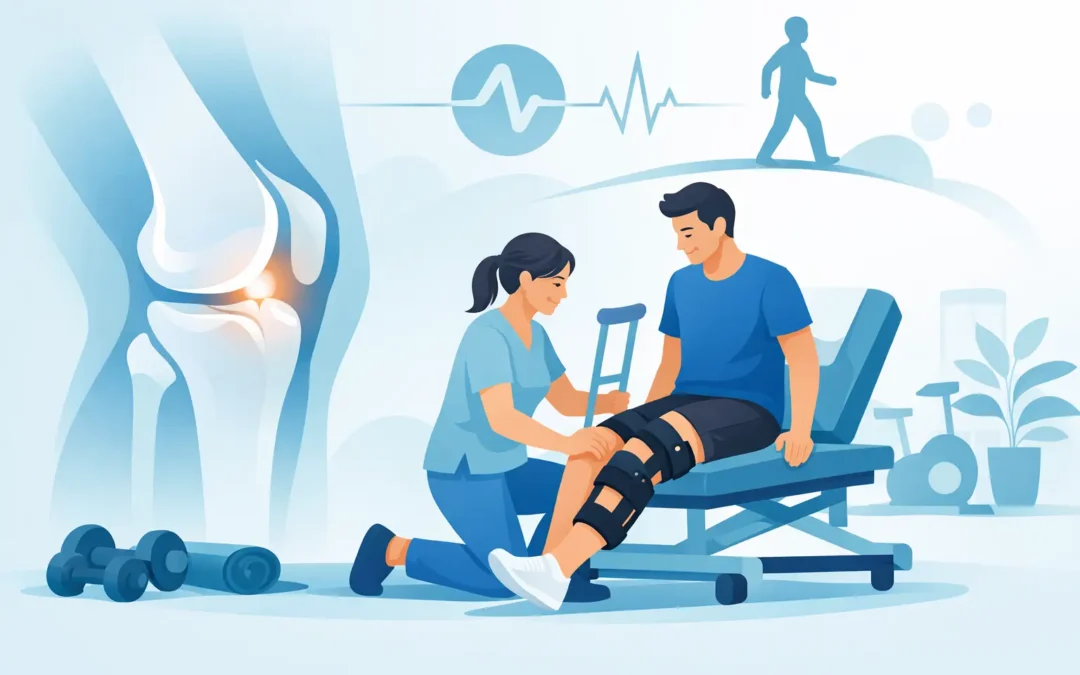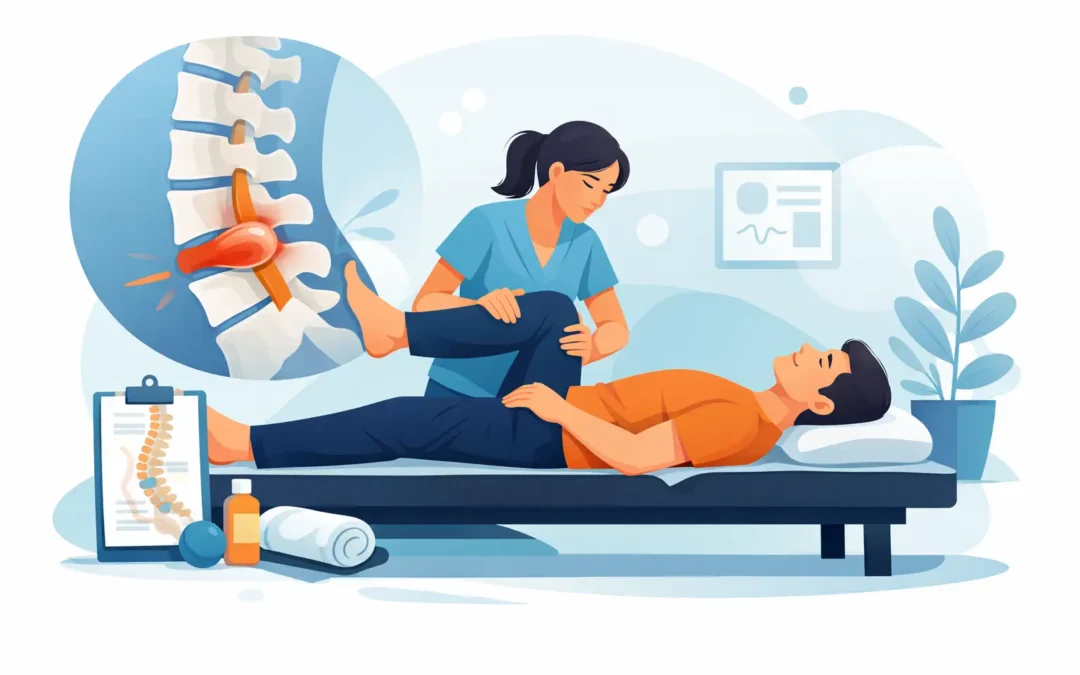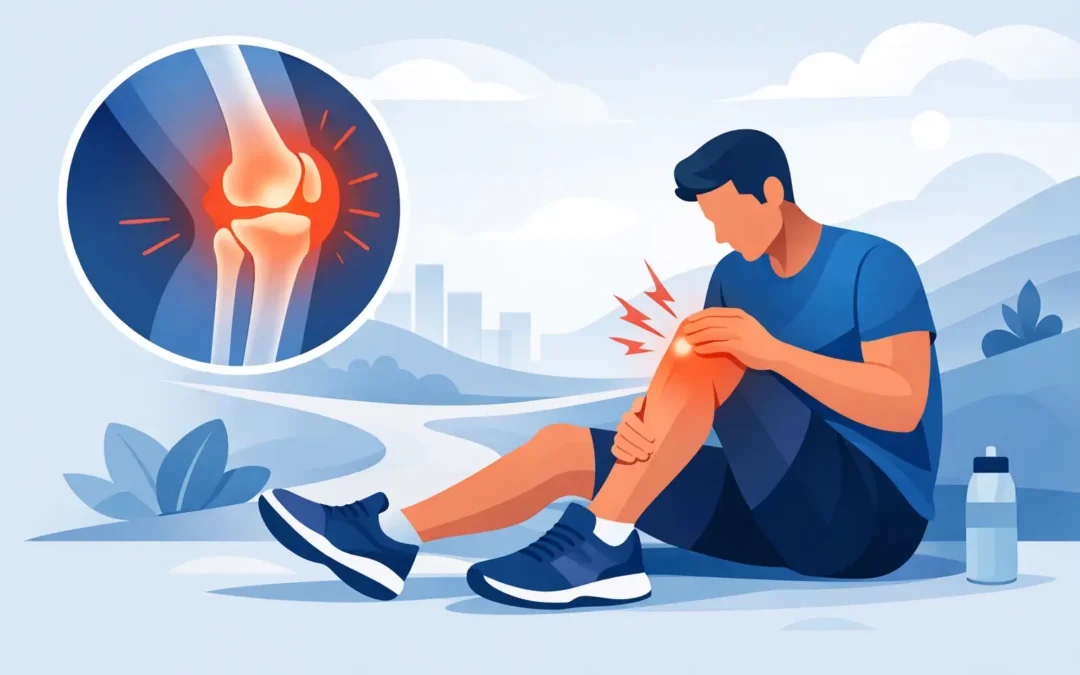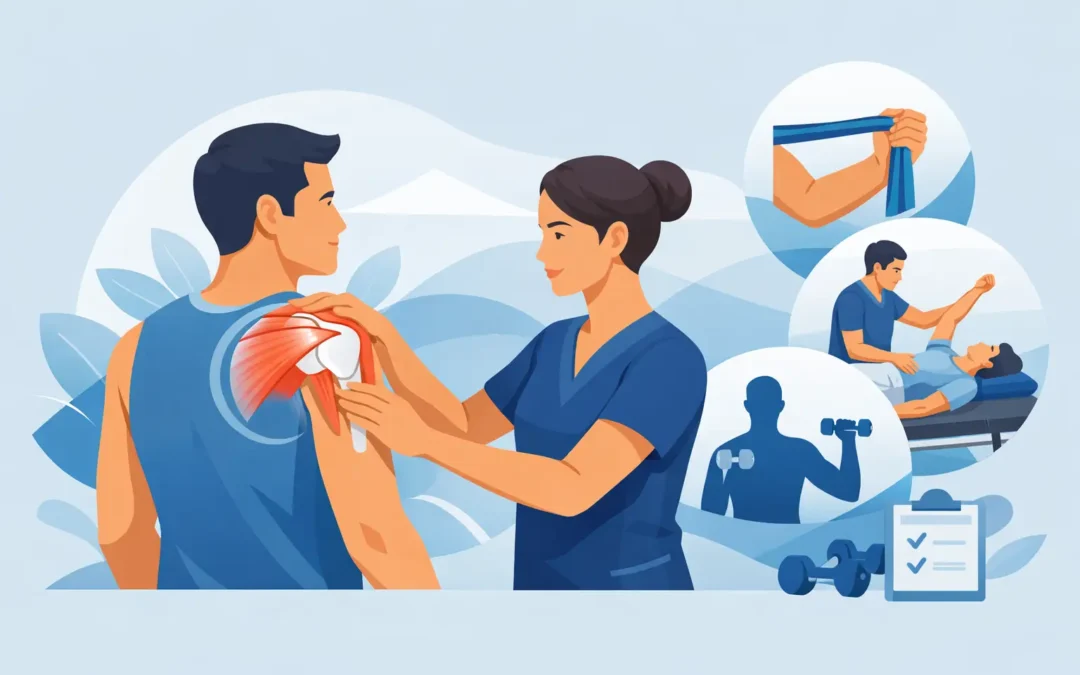
A sprained ankle during a weekend run, a stubborn shoulder that flares up every time you swim, a knee that no longer trusts sharp turns on the court – this is usually when people start asking, what is sports rehabilitation? It is not simply rest, massage, or a few stretches from the internet. Sports rehabilitation is a structured, evidence-based process that helps you recover from injury, restore function, and return to training, sport, and daily life with more confidence.
For some people, that means getting back to football, tennis, running, golf, Hyrox, or the gym. For others, it means being able to climb stairs without pain, carry a child comfortably, or move without guarding every step. Good rehabilitation meets you where you are, but it does not stop at symptom relief. Its purpose is to address the reason the problem developed, rebuild capacity, and reduce the risk of it happening again.
What is sports rehabilitation in practice?
In practice, sports rehabilitation is a personalised programme of assessment, treatment, exercise, education, and progression. It is used after sports injuries, surgery, overload problems, and recurrent pain conditions that affect how you move. Although the term includes sport, the principles apply just as much to active adults and working professionals as they do to competitive athletes.
A strong rehabilitation process starts with understanding the whole picture. That includes the injured tissue, but also training load, movement habits, strength deficits, previous injuries, sleep, work demands, and the specific goals that matter to you. Two people can have the same diagnosis and still need very different rehabilitation plans.
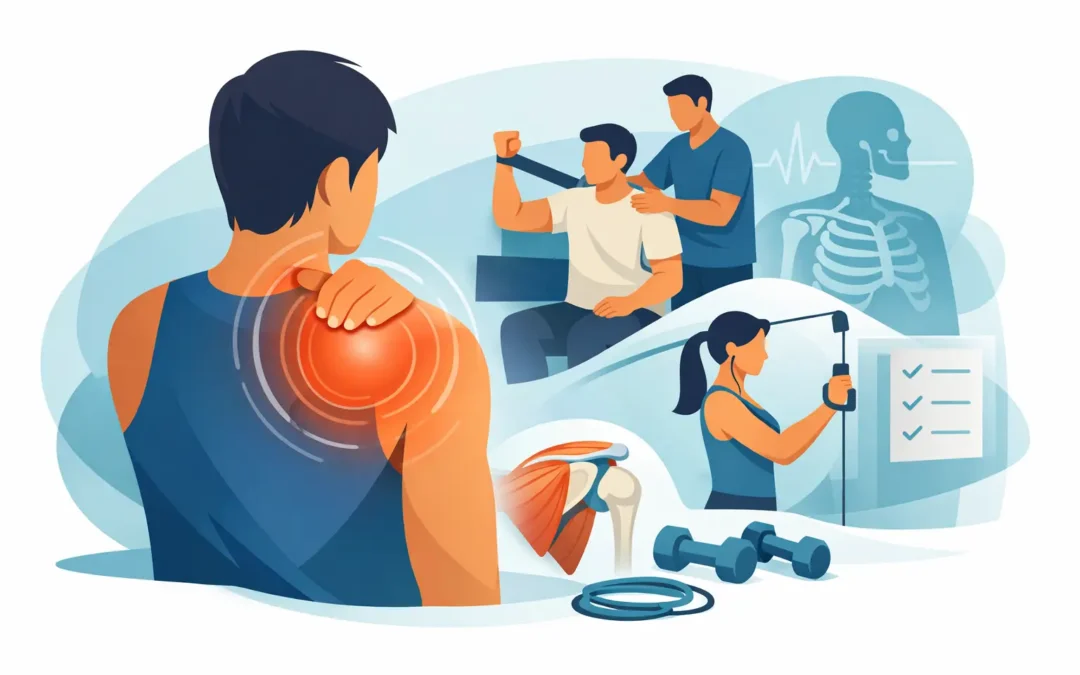
That is why a generic handout rarely does enough. If your ankle is less painful but still weak, poorly controlled, or stiff, you may return to activity too soon and overload something else. If your shoulder pain settles but your technique, thoracic mobility, or scapular control are never addressed, the issue may keep resurfacing. Sports rehabilitation should be specific, progressive, and rooted in function.
Sports rehabilitation is more than pain relief
Pain matters, and early symptom control can be an important part of recovery. But pain relief on its own is not the finish line. Many injuries improve enough for daily life long before the body is ready for the demands of sprinting, jumping, cutting, lifting, or repeated training sessions.
This is where rehabilitation often separates good short-term care from lasting recovery. A sound programme works through stages. Early on, the aim may be to calm symptoms, protect healing tissue, and restore basic movement. Then the focus shifts towards strength, mobility, balance, endurance, and coordination. Later, exercises become more demanding and closer to the real tasks you need to perform.
If you play sport, that final stage matters a great deal. A knee that feels fine on a straight walk is being asked to do something very different when you decelerate, pivot, land from a jump, or react under fatigue. Returning because pain has settled is not the same as returning because your body is ready.
What happens during sports rehabilitation?
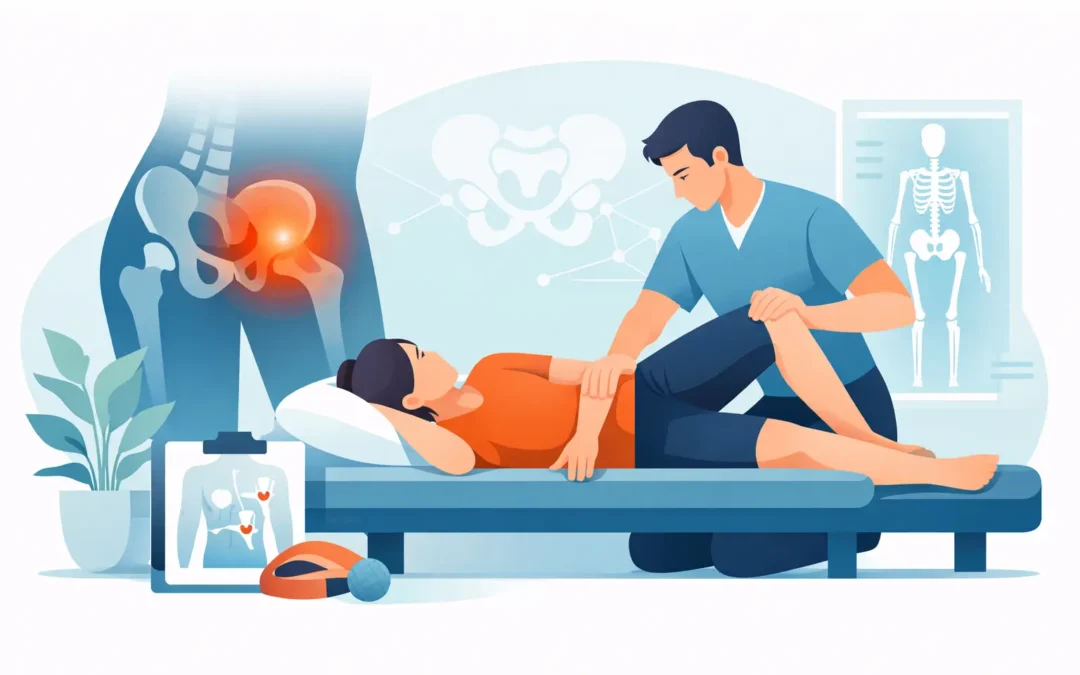
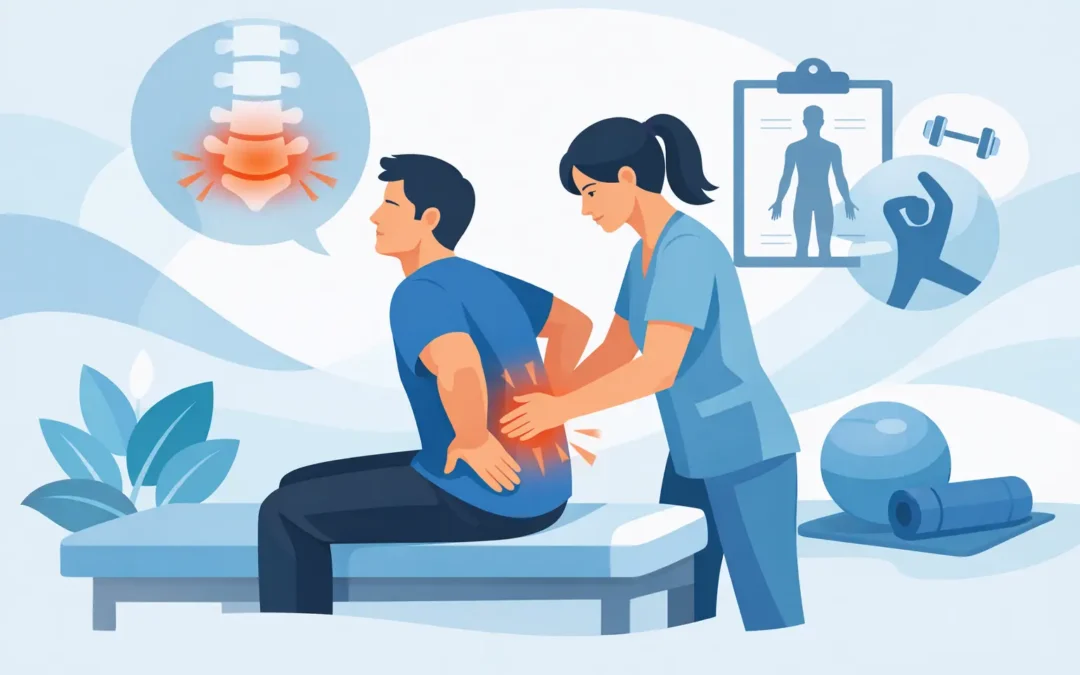
A proper rehabilitation plan usually begins with a detailed assessment. This is where a physiotherapist examines your pain pattern, joint movement, strength, tissue irritability, balance, control, and functional limitations. They will also look at what your sport or activity actually requires. A runner, a desk worker who lifts weights, and a netball player place very different demands on the same body part.
Treatment may include hands-on therapy where appropriate, but exercise is usually the central pillar. That is because long-term change in strength, control, load tolerance, and confidence does not come from passive treatment alone. It comes from doing the right work, at the right time, at the right intensity.
Rehabilitation exercises are not chosen just to keep you busy. Each one should have a reason. Early exercises may improve movement quality or reduce stiffness. Later work may build force production, tendon capacity, rotational control, or impact tolerance. In more advanced phases, drills often resemble sport-specific patterns so your body relearns how to perform under realistic demands.
Education is another essential part of the process. Understanding what your injury is, what aggravates it, how recovery tends to progress, and what warning signs matter can reduce anxiety and help you make better decisions between sessions. Patients usually do better when they know not just what to do, but why they are doing it.
Common injuries that benefit from sports rehabilitation
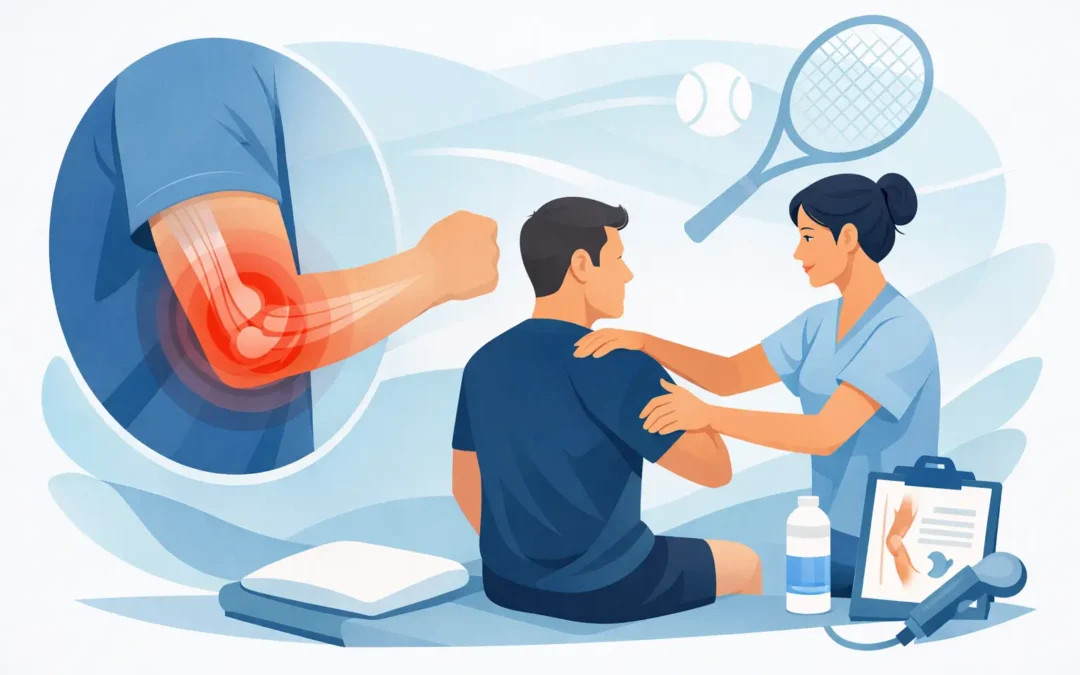
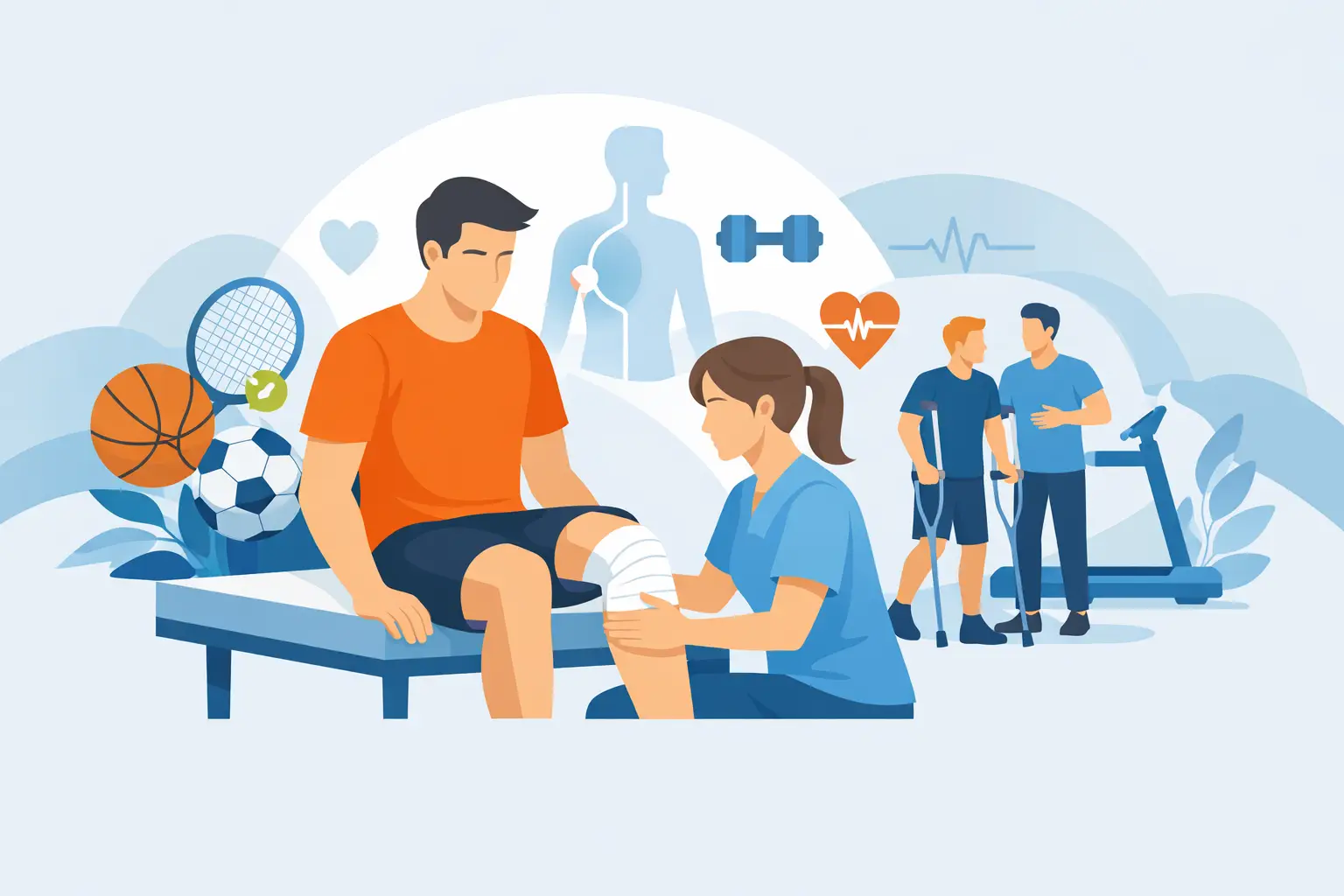
Sports rehabilitation can help with acute injuries such as ankle sprains, muscle tears, ligament injuries, shoulder instability, and knee trauma. It is also highly relevant for overuse conditions like Achilles tendinopathy, runner’s knee, tennis elbow, plantar heel pain, and rotator cuff-related shoulder pain.
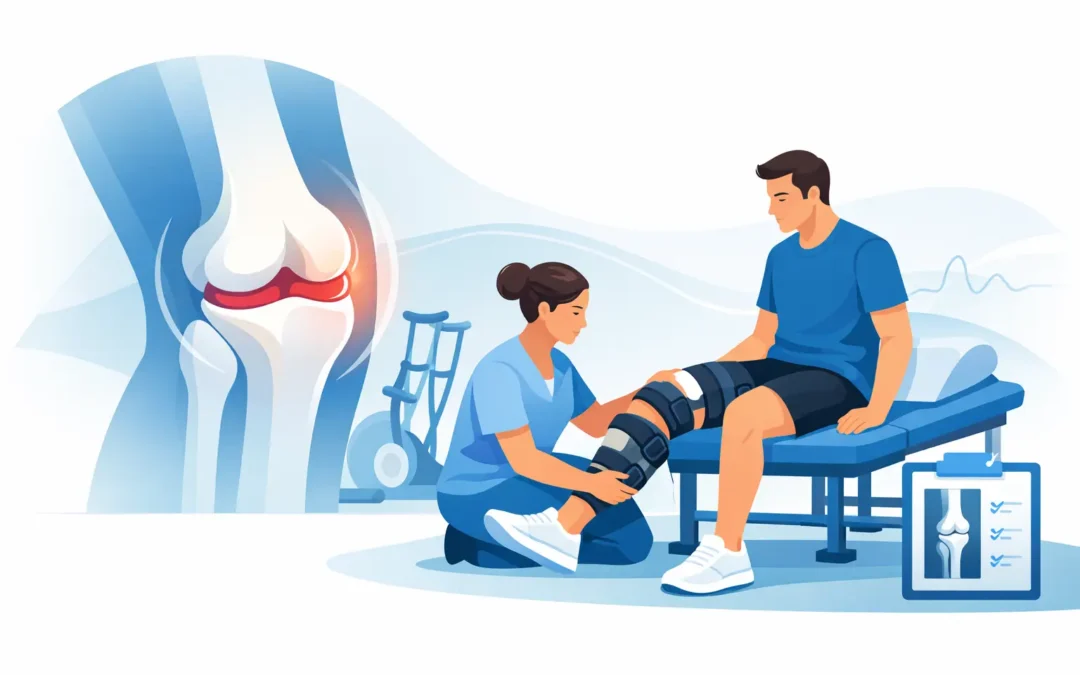
Post-operative recovery is another major area. After ACL reconstruction, meniscus surgery, rotator cuff repair, or ankle surgery, rehabilitation is not optional. It is the bridge between the operation and meaningful recovery. Surgery may repair the structure, but rehabilitation restores the person.
There are also cases that sit in a grey area. Perhaps there was no dramatic injury, but performance dropped, pain started to linger, and certain movements became unreliable. These situations still deserve proper attention. Persistent symptoms are often linked to a mismatch between what the body can currently tolerate and what life or sport is asking of it.
Why personalised rehab matters
One of the biggest misconceptions is that there is a single best exercise for a given injury. In reality, it depends. The right programme for a competitive athlete nearing return to play will differ from the right programme for someone who is deconditioned, post-surgery, or juggling recovery with a demanding job and family life.
Personalisation matters because rehabilitation is not only about diagnosis. It is about dosage, timing, progression, and context. Push too hard, too early, and symptoms may flare or healing may be disrupted. Progress too slowly, and strength, confidence, and conditioning may lag behind. Good clinicians constantly adjust the plan based on how you respond.
This is also why ethical care matters. Quick fixes can be appealing when you are frustrated, but shortcuts rarely build resilient recovery. A principled approach looks beyond temporary relief and asks harder questions. Why did this happen now? What are the movement, strength, or load factors involved? What does a safe return actually require?
At PhysioX, that kind of detailed, one-to-one thinking sits at the heart of rehabilitation. It is not about rushing people through a standard protocol. It is about understanding the individual in front of you and building a pathway that fits their body, goals, and real-life demands.
How long does sports rehabilitation take?
This is one of the most common questions, and the honest answer is that recovery timelines vary. A mild muscle strain may improve within weeks, while tendon pain, recurrent injuries, or post-operative recovery can take months. Tissue healing is only one part of the picture. Regaining strength, control, conditioning, and trust in the body can take longer than pain relief alone.
Progress is rarely perfectly linear. You may have a good week, then a flare-up after an increase in activity. That does not always mean something has gone wrong. Sometimes it means the programme needs adjusting, recovery capacity needs support, or progression happened a little too quickly. Rehabilitation works best when expectations are realistic and milestones are measured properly.
When should you seek sports rehabilitation?
You do not need to wait until pain becomes severe or performance collapses. If an injury is stopping you from training normally, keeps returning, or makes you change the way you move, it is worth assessing properly. The same applies if you are recovering from surgery or feel stuck despite rest.
Early rehabilitation is often more efficient than delayed rehabilitation. Addressing weakness, stiffness, altered movement, or poor load management before they become ingrained can shorten the overall recovery journey. It can also prevent the frustrating cycle of feeling better, doing too much, then ending up back at the start.
What a successful outcome really looks like
A successful outcome is not simply being pain-free on the clinic bed. It is being able to do what matters to you with confidence. That might mean finishing a long run, getting through a workday without aggravation, returning to your sport without hesitation, or trusting your knee again when you change direction.
The best rehabilitation does more than get you back. It leaves you better informed, physically better prepared, and more independent in managing your body. That means understanding your warning signs, knowing how to progress training sensibly, and recognising that resilience is built, not guessed.
If you are wondering whether your injury needs more than rest, that question is probably worth listening to. Sports rehabilitation is not reserved for elite athletes. It is for anyone who wants recovery to be thorough, purposeful, and built around a safe return to the life they value.