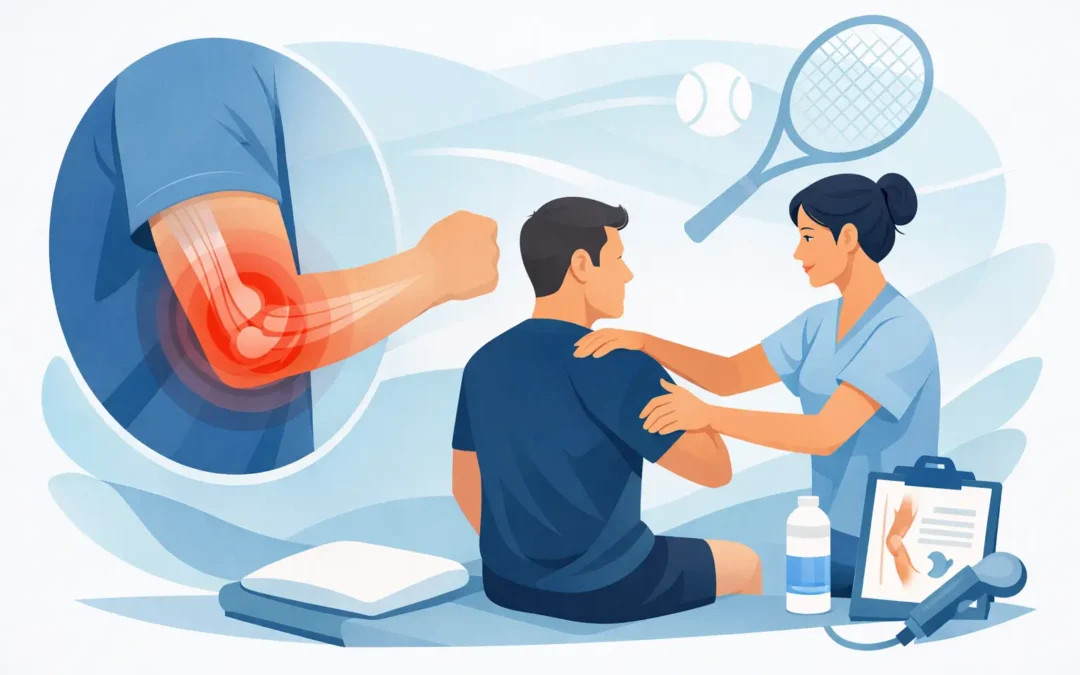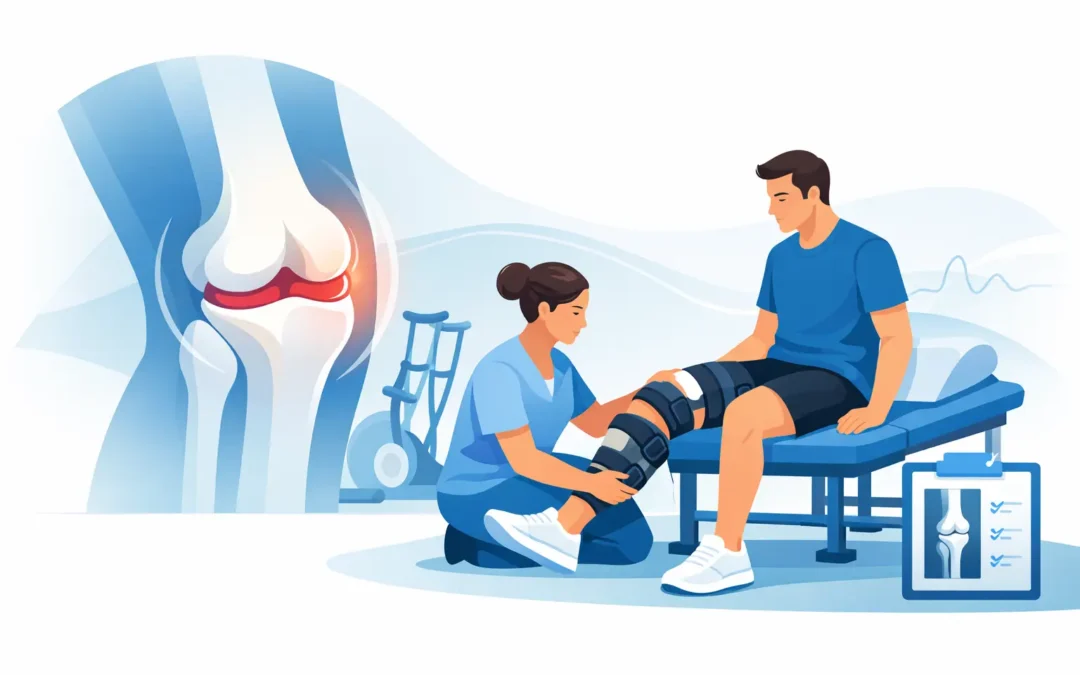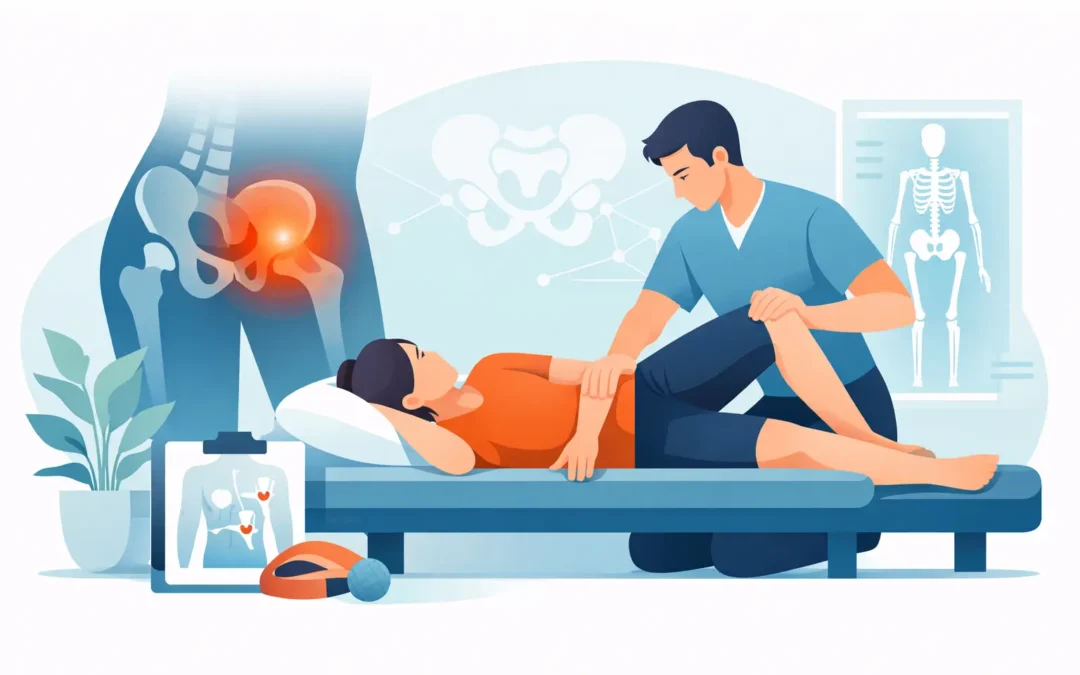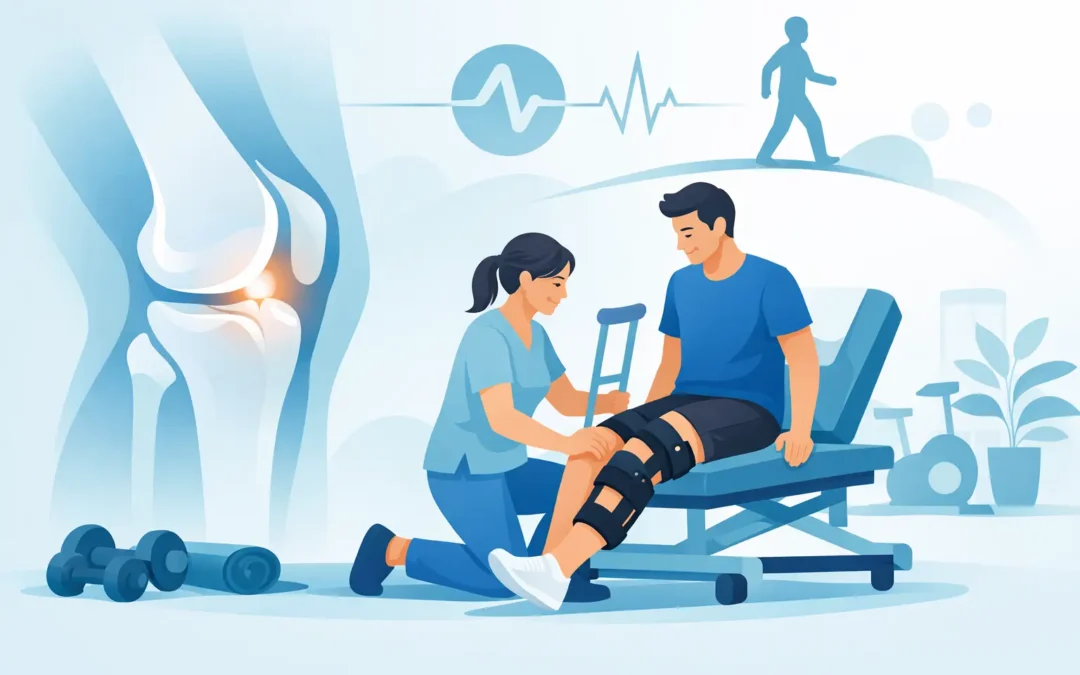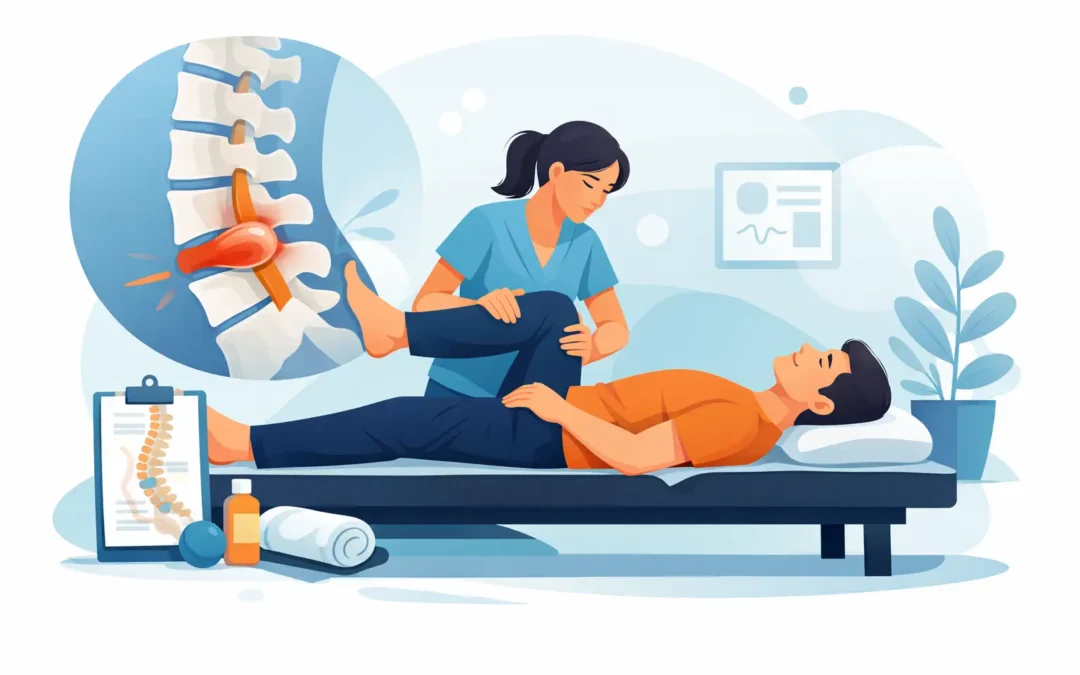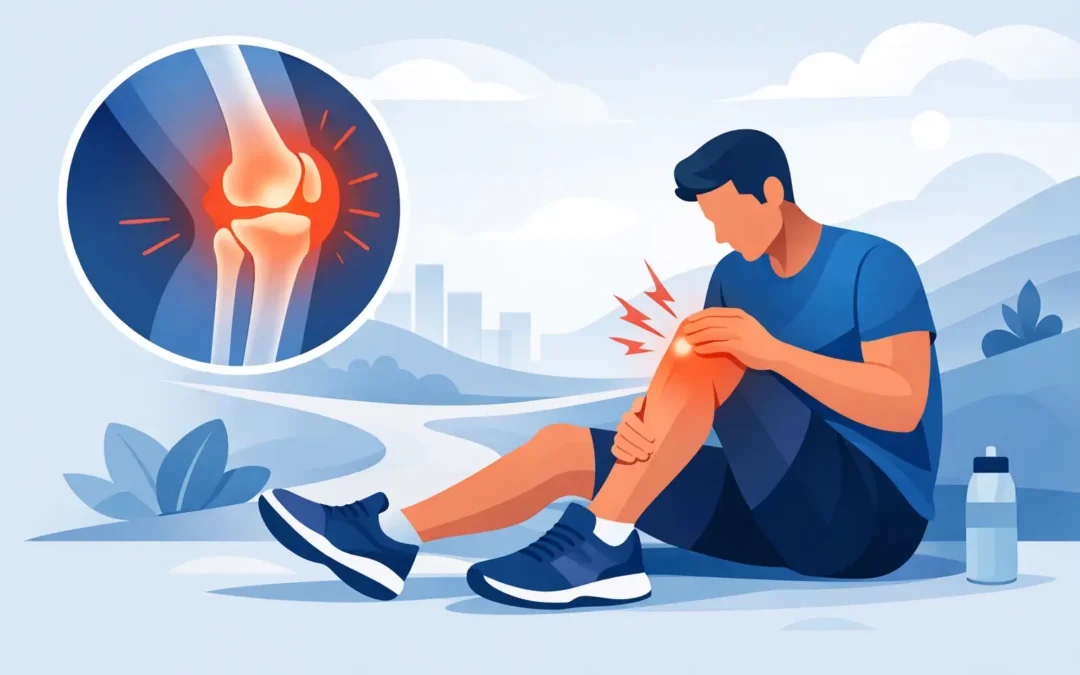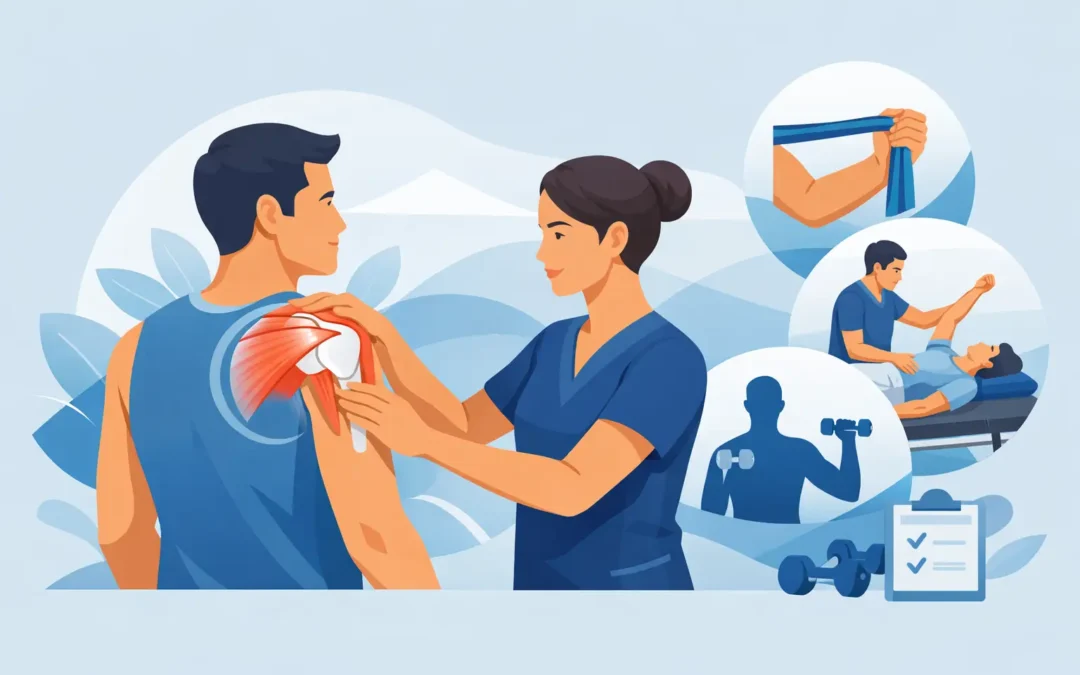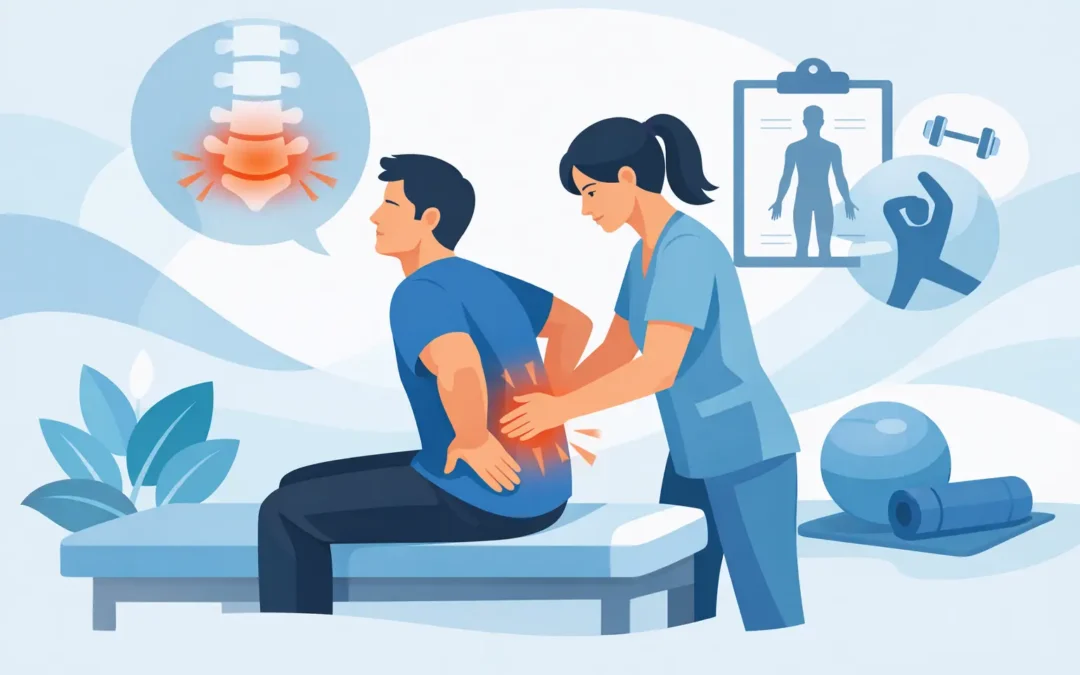
If you have picked up an injury during football, running, tennis or gym training, you have probably seen both terms used interchangeably. The difference between sports therapy and sports rehabilitation matters because it shapes what kind of assessment you receive, what treatment is prioritised, and how safely you return to exercise, work and daily life.
For many people, the confusion starts with the word sports. It can make both services sound as though they are only for competitive athletes. In practice, that is not true. Active adults, occasional runners, parents trying to get back to exercise, and people recovering from surgery can all benefit from the right rehabilitation plan. The key question is less about whether you play sport and more about what your body needs to recover well.
What is the difference between sports therapy and sports rehabilitation?
At a simple level, sports therapy often refers to the assessment, treatment and prevention of injuries related to sport and exercise, with a strong focus on musculoskeletal problems and getting people moving again. Sports rehabilitation usually refers more specifically to the structured process of restoring strength, mobility, control, endurance and confidence after injury, surgery or pain.
That sounds subtle, because it is. There is meaningful overlap between the two. Both may involve exercise prescription, hands-on treatment, movement assessment, load management and return-to-sport planning. Both should be grounded in clinical reasoning rather than quick fixes. But the emphasis can differ.
Sports therapy is often understood as the broader discipline or professional service. It may include acute injury management, soft tissue work, taping, movement screening and exercise-based recovery. Sports rehabilitation is more often the staged recovery pathway itself – the process of rebuilding function from the early phase through to full return to performance.
In other words, sports therapy can be part of rehabilitation, while sports rehabilitation describes the actual journey of recovery.
Why the distinction matters in real life
If you have a mild calf strain after a weekend run, you may be looking for pain relief, advice and an exercise plan to avoid making it worse. If you are six weeks after ACL reconstruction, you need a more detailed, progressive rehabilitation programme with clear milestones, strength testing and careful return-to-sport criteria. Both cases involve sports-related care, but they do not need exactly the same level or type of input.
This is where people can get caught out. A service may sound sport-specific and active, but if it does not include thorough assessment, progression, objective testing and education, it may not be enough for a complex injury. Equally, someone with a more straightforward problem may not need an overly medicalised process. Good care starts by matching the intervention to the person, the tissue involved and the goal.
Sports therapy tends to focus on injury care in the sporting context
Sports therapy often sits close to the sporting environment. It commonly deals with acute and overuse injuries affecting muscles, tendons, ligaments and joints. A sports therapist may help manage ankle sprains, hamstring strains, shoulder pain from swimming, or knee pain linked to training load.
That often includes early assessment, symptom management and practical treatment to help you settle pain and restore movement. Depending on the clinician and setting, sports therapy may also involve pitch-side care, taping, manual therapy, soft tissue techniques and recovery advice.
The strength of good sports therapy is that it understands how injuries happen in training and competition. It looks at biomechanics, loading patterns, conditioning demands and the realities of getting someone back to activity. For active people, that can be highly relevant.
But sports therapy should not stop at short-term relief. If the treatment only calms symptoms without addressing strength deficits, control issues, technique, recovery habits or training errors, the injury often comes back.
Sports rehabilitation is the structured process of restoring function
Sports rehabilitation is usually more clearly framed as a progression. It asks what you can do now, what you need to regain next, and what evidence shows you are ready for the next stage. That structure matters whether you are recovering from an Achilles tendinopathy, a meniscus injury, shoulder instability or surgery.
A proper rehabilitation plan usually moves through phases. Early on, the focus may be pain reduction, swelling control, movement restoration and protecting healing tissue. Then the work shifts towards strength, balance, coordination, endurance and loading tolerance. Later stages may involve jumping, cutting, sprinting, changing direction, impact preparation and confidence building.
This is why rehabilitation is not just exercise for the sake of exercise. It is a targeted process with a purpose behind each stage. If you progress too slowly, recovery drags. If you progress too quickly, symptoms flare or healing structures are overloaded. The art is in getting the dosage right.
The biggest overlap: both should be exercise-led and evidence-based
People sometimes assume therapy means hands-on treatment while rehabilitation means gym work. In reality, that split is too simplistic. Effective sports therapy should include rehabilitation exercise, and effective sports rehabilitation may also include manual therapy where it helps.
The real issue is not whether someone uses massage, mobilisation or taping. It is whether those tools support the wider recovery plan. Hands-on treatment can help reduce pain, improve short-term comfort or make movement easier. What it cannot do on its own is rebuild tissue capacity, retrain movement patterns or prepare you for the demands of sport.
That is why evidence-based care tends to place exercise and education at the centre. Treatment should help you understand what is injured, why it happened, what aggravates it, what helps, and what milestones matter for a safe return.
Which approach is right for you?
It depends on your injury, your stage of recovery and your goals.
If you have had a recent sports injury and need assessment, symptom management and early guidance, sports therapy may be the term you come across first. If you are dealing with a longer recovery, post-operative care, recurrent injury or a return-to-sport programme, sports rehabilitation may better describe the service you need.
Still, titles can be misleading. A clinician may provide excellent rehabilitation without using rehabilitation in the job title. Another may advertise sports rehab but deliver a generic programme with little progression. It is more useful to ask practical questions. Will I get a detailed assessment? Is the plan tailored to my sport, work and daily life? How will progress be measured? What are the criteria for returning to running, lifting or competition?
Those answers tell you more than the label alone.
The role of physiotherapy in this conversation
Physiotherapy often overlaps significantly with both sports therapy and sports rehabilitation, particularly in musculoskeletal and sports injury care. A physiotherapist working in sports and orthopaedics may assess the diagnosis, screen for serious issues, manage pain, prescribe rehabilitation, guide post-operative recovery and build a return-to-sport plan.
For patients, this can actually simplify things. Rather than trying to decode job titles, it can be more helpful to look for a clinician or clinic that provides detailed assessment, one-to-one care and a progressive, goal-based rehabilitation pathway. That is especially important if your injury is not straightforward, if symptoms keep returning, or if surgery is involved.
In Singapore, where busy professionals often want efficient and trustworthy care, this matters even more. You need a plan that is precise enough to work, but practical enough to fit into real life.
What good rehabilitation should include, whatever the label
Whether a service is called sports therapy, sports rehabilitation or physiotherapy, certain features usually point to better care. It should begin with a thorough history and movement assessment, not just a quick look at where it hurts. It should connect the painful area to the bigger picture, including strength deficits, movement habits, training load and recovery demands.
It should also include progression. Early exercises are rarely the final exercises. As pain settles and function improves, the programme should become more specific to what you need to do – that may be climbing stairs without fear, returning to gym sessions, or handling the acceleration and deceleration demands of sport.
Finally, good rehabilitation should make you more independent, not more dependent on treatment. If care relies on repeated passive sessions with no clear plan for self-management, that is usually a warning sign.
A better question than which one is better
Patients often ask whether sports therapy or sports rehabilitation is better. Usually, that is the wrong question. The better question is whether the care is thorough, individualised and appropriate for your stage of recovery.
A minor muscle strain may need a relatively short, focused course of treatment and guided loading. A complex tendon problem or post-surgical knee may need months of progressive rehabilitation and repeated reassessment. One is not better in all cases. The right approach depends on what your body needs to get back to full function with confidence.
At clinics such as PhysioX, that distinction matters because ethical rehabilitation is never about applying the same formula to everyone. It is about understanding the person in front of you, identifying the root causes of the problem, and building a plan that supports both recovery now and resilience later.
If you are weighing up your options, do not get too distracted by the terminology. Focus on whether the clinician can explain your injury clearly, map out a realistic recovery pathway, and guide you all the way back to the activities that matter to you.