The first few weeks after ACL reconstruction can feel oddly contradictory. Your knee may look better than you expected, yet simple things like walking, sleeping comfortably or getting up from a chair can feel far harder than they should. If you are wondering how to recover after ACL surgery, the key point is this: good recovery is not about doing everything quickly. It is about doing the right things at the right time, with enough consistency to rebuild strength, trust and control.
ACL rehabilitation is one of the clearest examples of why physiotherapy should never be reduced to massage, machines or a generic handout. Research from journals such as the British Journal of Sports Medicine and the Journal of Orthopaedic & Sports Physical Therapy consistently shows that outcomes improve when rehabilitation is progressive, criteria-based and individualised. Your graft type, meniscus involvement, cartilage injury, pain levels, baseline strength, sport demands and confidence all affect the path forward.
How to recover after ACL surgery in the early phase
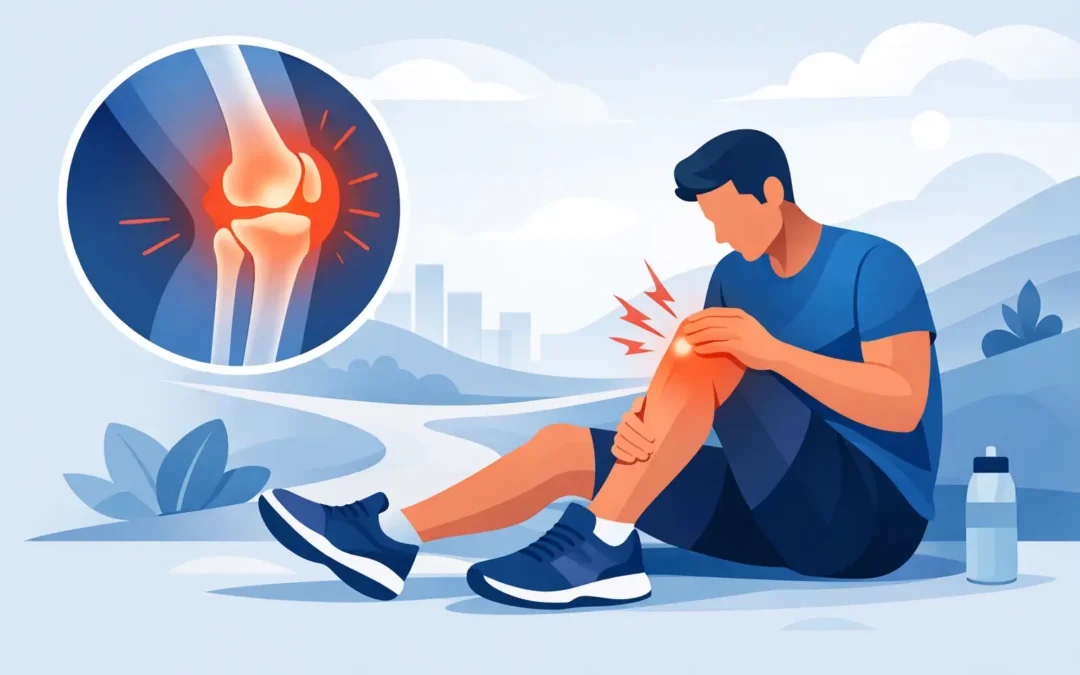
Early rehabilitation is usually less about dramatic exercise and more about setting the foundation properly. In the first phase, the priorities are to settle pain and swelling, restore knee extension, gradually improve flexion, re-establish quadriceps activation and help you move safely.
Full knee extension matters more than many patients realise. If the knee does not straighten well early on, walking can become awkward and the joint can remain irritated. That can then affect later stages of strength work and running. Flexion is important too, but there is often more urgency around restoring extension cleanly.
Swelling is not just a cosmetic issue. A swollen knee can inhibit the quadriceps, reduce comfort and make movement less efficient. That is why early management often includes relative rest, regular movement within tolerance, compression where advised, elevation and carefully dosed exercises rather than either complete inactivity or overdoing it. The goal is to calm the knee while still giving it a reason to recover.
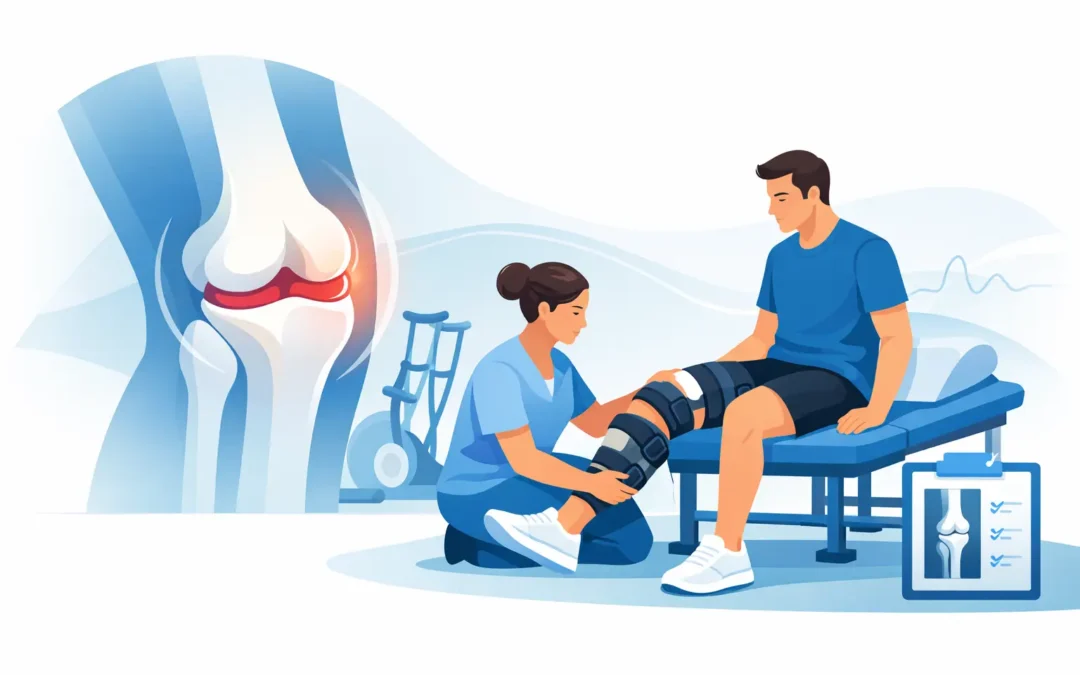
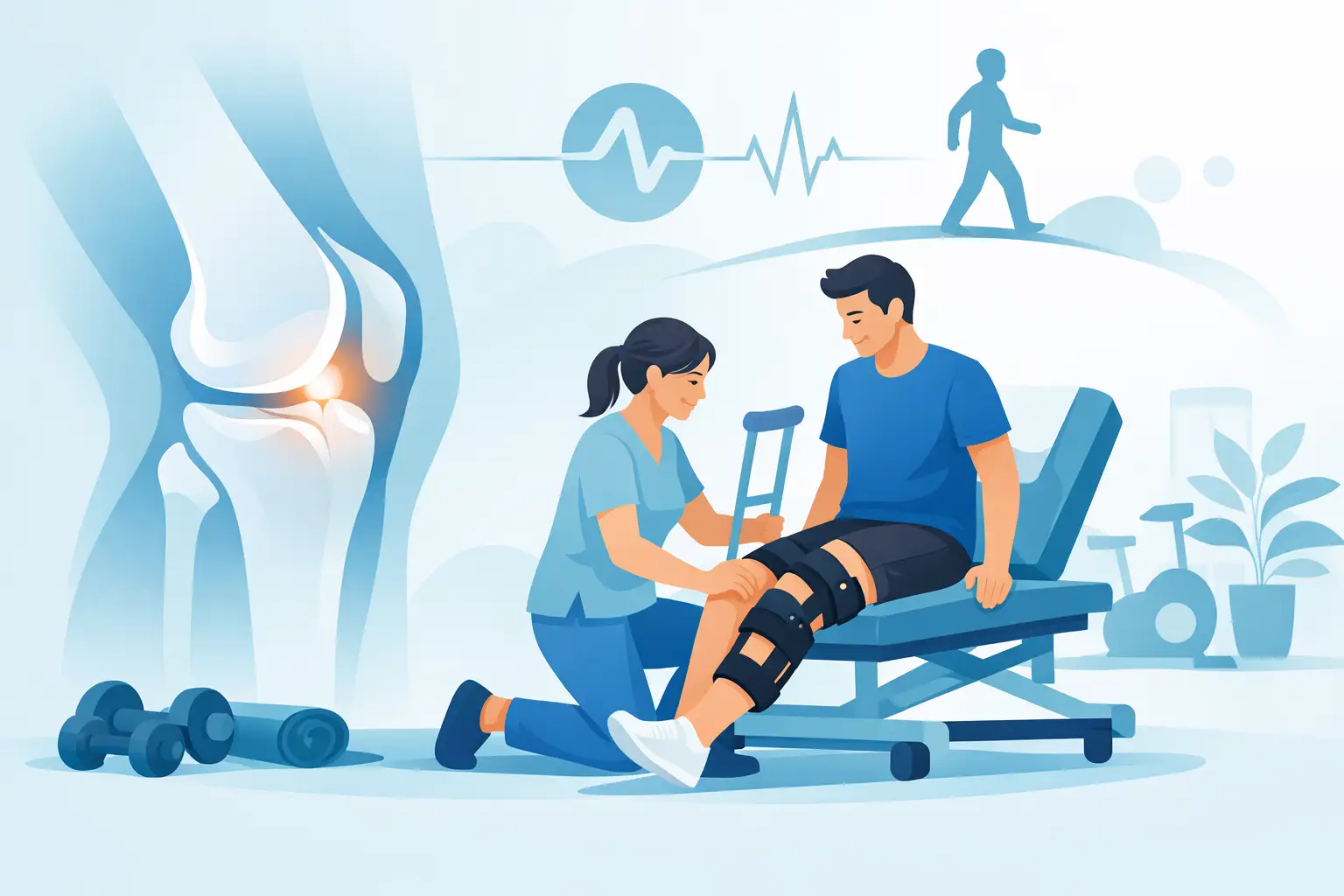
You may also be using crutches and, in some cases, a brace. The right time to reduce support depends on your surgeon’s instructions and your ability to walk without a marked limp. Coming off crutches too early often teaches poor movement patterns. Staying on them longer than necessary can also hold you back. This is one of many areas where individual assessment matters.
The milestones matter more than the calendar
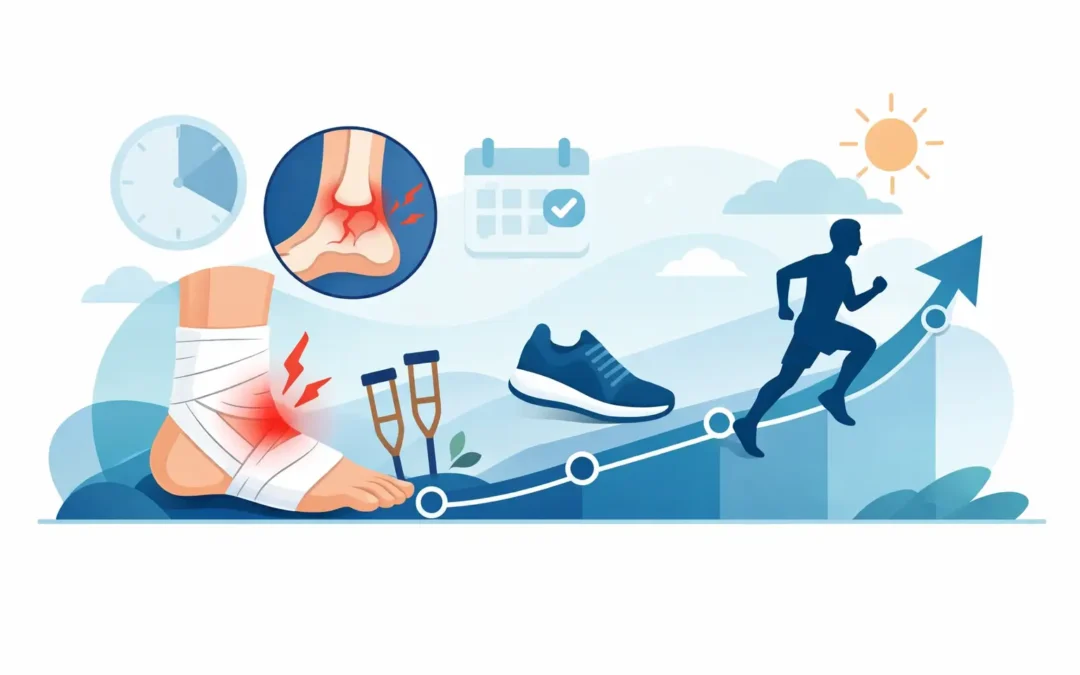
One of the most useful shifts in modern ACL rehabilitation is moving away from rigid timeline thinking. Time still matters because tissue healing places limits on what is sensible. But research supports a criteria-based approach rather than assuming everyone should hit the same milestones on the same week.
For example, being told you are “three months post-op” does not automatically mean you are ready to run. Readiness is usually based on a combination of factors such as swelling being controlled, knee range being adequate, strength being sufficiently restored, single-leg control being acceptable and pain during loading being manageable.
This matters because two common mistakes sit at opposite ends of the spectrum. Some people push ahead because the calendar says they should. Others become overly cautious and stop progressing even when the knee is ready. Good rehab sits in the middle – measured, progressive and responsive.
What progress should look like
Recovery is rarely linear. One week the knee feels strong, the next it feels stiff after a busy day at work or a poor night’s sleep. That does not automatically mean something has gone wrong. A more useful way to judge progress is to look for gradual improvement across several markers: less swelling, better walking quality, stronger quadriceps, better balance, more confidence on stairs and increasing tolerance to daily tasks.
Strength is not optional after ACL reconstruction
If there is one part of rehabilitation that should never be treated as optional, it is strength training. Persistent quadriceps weakness after ACL surgery is common, and it can last much longer than patients expect if it is not addressed properly. Studies in sports medicine literature repeatedly show that strength deficits are linked with poorer function and may affect return-to-sport outcomes.
Early strength work may begin with simple but specific exercises to help the quadriceps switch on again. Later, this should progress to more demanding resistance training including variations of squats, split squats, step work, leg press, hamstring work and eventually high-load, sport-relevant tasks when appropriate. The exact exercise menu matters less than the principle behind it: you need enough load, enough progression and good movement quality.
This is also where many myths need clearing up. Passive treatments may help comfort in some situations, but they do not rebuild a knee for sport, work or life. Your body needs a clear training stimulus. Physiotherapy should help you understand that process, not keep you dependent on treatment.
What about pain during exercise?
Some discomfort during rehabilitation is common and not automatically harmful. A completely pain-free recovery is not always realistic. The question is whether the pain is acceptable, short-lived and not followed by a notable increase in swelling, giving way or loss of motion.
A sensible physiotherapy plan helps you distinguish between expected training discomfort and signs that the knee is not tolerating the current load. This is where education matters as much as exercise prescription.
How to recover after ACL surgery for walking, running and sport
Most patients want to know one thing early: when can I get back to normal? The honest answer is that “normal” depends on what you want to return to. Walking around the office, lifting a child, getting back to gym training and returning to football are very different targets.
Walking without a limp usually comes before more dynamic work. Running is often introduced only after adequate strength, impact tolerance and single-leg control have been restored. Return to cutting and pivoting sport takes considerably longer and should be based on objective testing, not hope.
This is especially important because returning too soon is associated with higher reinjury risk. Evidence from the BJSM has highlighted that delaying return to sport and meeting key discharge criteria can reduce the chance of a second ACL injury. In plain terms, being eager is understandable, but eagerness is not the same as readiness.
A proper return-to-sport process often includes hop testing, strength testing, movement assessment and discussion of confidence. Psychological readiness is not a soft extra. Many patients have enough physical recovery to do more, but still do not trust the knee when changing direction or landing. That deserves attention, not dismissal.
Common mistakes that slow recovery
One mistake is chasing range of movement while ignoring swelling and strength. Another is doing too little because the knee feels vulnerable. A third is doing too much too soon because the knee feels surprisingly good. ACL rehabilitation often punishes both impatience and inconsistency.
Another common problem is assuming surgery itself has solved the issue. Surgery reconstructs the ligament, but rehabilitation restores function. Without a structured plan, it is easy to regain basic daily activity yet fall short of the strength and control needed for higher-level activity. That gap can linger for months.
Sleep, nutrition and general activity levels also influence recovery more than people think. You do not need a perfect lifestyle, but healing and adaptation are harder when you are constantly underslept, under-fuelled or highly stressed.
Why individual rehab matters
There is no single ACL patient. A 22-year-old footballer with a patellar tendon graft has different demands from a 40-year-old recreational runner who also had a meniscus repair. Someone returning to desk work in Singapore’s city centre may have very different practical barriers from a parent managing stairs, school runs and long commutes. The rehab principles are similar, but the programme should still fit the person.
That means asking better questions. What does your knee need biologically? What does your life demand practically? What are you worried about? Where are you strong, and where are you compensating? Evidence-based care is not just about research papers. It is about applying the best available evidence to the person in front of you.
The recovery mindset that actually helps
The patients who tend to do well are not always the ones who start off strongest. Often, they are the ones who engage with the process. They ask questions, understand their milestones, keep showing up and accept that confidence is built through repeated exposure to the right level of challenge.
There will be phases where progress feels slow. That does not mean the work is not working. Tendon and ligament healing, strength restoration and movement retraining take time. The aim is not to rush through rehab. It is to come out the other side with a knee you can rely on.
If you are recovering from ACL surgery, expert guidance can make the process clearer, safer and far more purposeful. Ready to take the next step in your recovery? Book a session with our team at PhysioX today.
A stronger knee is only part of the goal. The bigger win is getting back to your life with confidence, knowing your recovery was built on more than guesswork.