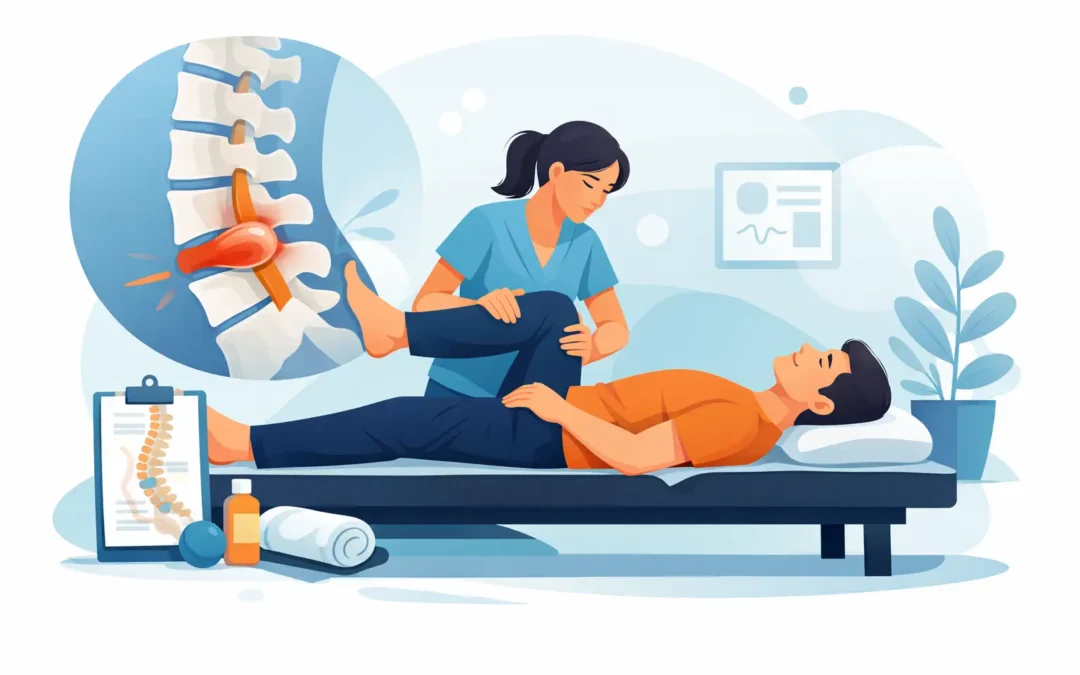
Lower back pain has a way of shrinking life. Sitting through a work meeting becomes distracting, lifting your child feels risky, and even a decent night’s sleep can turn into a negotiation with your spine. Good lower back pain physio treatment is not about chasing a quick fix. It is about understanding why your back is irritated, what is keeping it sensitive, and how to help you move with confidence again.
That matters because most back pain is not a sign that your spine is fragile or damaged beyond repair. Research published in journals such as the British Journal of Sports Medicine and the Journal of Orthopaedic & Sports Physical Therapy has consistently shown that for many people, lower back pain improves best with a combination of clear education, sensible activity, graded exercise and a treatment plan tailored to the individual. In other words, effective physiotherapy is active, specific and grounded in evidence.
What lower back pain physio treatment actually involves
Many people still picture physiotherapy as massage, heat packs or a machine doing the work for them. Those approaches may have a small supporting role for symptom relief in some cases, but they are not the main event. Ethical physiotherapy should start with a detailed assessment.
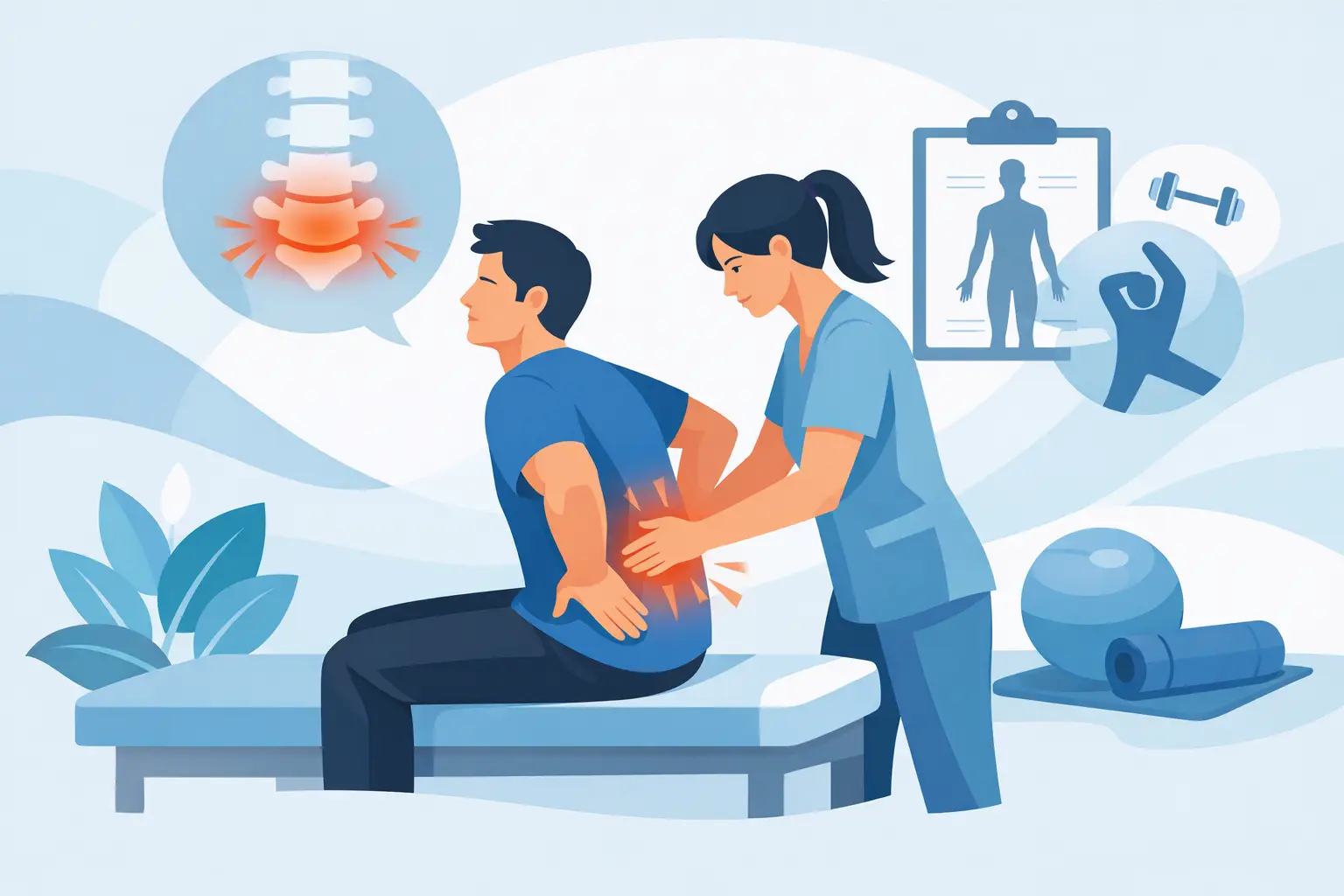
That assessment looks at more than the painful area. A physiotherapist will usually ask when the pain began, whether it came on suddenly or built up over time, what movements aggravate it, how it behaves across the day, and whether there are any warning signs that suggest you need medical review. They will also look at movement, strength, flexibility, balance, training load, work demands, sleep, stress and previous injury history.
This is important because lower back pain is rarely one-size-fits-all. One person may have pain linked to a sudden increase in gym training. Another may be stiff and deconditioned after months of avoiding movement. A third may have recurrent flare-ups tied to long hours at a desk and poor recovery habits. The label matters less than the pattern.
Why personalised treatment matters in lower back pain physio treatment
Evidence-based care does not mean every patient gets the same sheet of exercises. It means the treatment matches both the science and the person in front of you.
For acute lower back pain, the early priority is often calming symptoms, maintaining as much normal movement as possible and preventing the understandable fear that can lead to overprotection. For persistent pain, the focus may shift towards rebuilding strength, improving tolerance to everyday tasks, and reducing the sensitivity of the nervous system through graded exposure to movement.
This is where a proper rehabilitation plan makes a real difference. If your pain is aggravated by bending, treatment may start by finding comfortable movement options and then gradually restoring your ability to hinge, lift and load. If sitting is the main problem, your plan may include changes to posture habits, breaks in static positions, hip and trunk conditioning, and a strategy for longer workdays. If you are trying to return to running or sport, rehab should eventually look like the physical demands of that activity rather than stopping at basic pain relief.
The treatments that tend to help most
Exercise therapy is one of the most strongly supported interventions for lower back pain, particularly when it is individualised and progressed properly. That does not mean there is one perfect exercise. It means the right programme helps you move better, load tissues appropriately and regain confidence.
Early on, this may involve gentle repeated movements, mobility work or position changes that reduce symptoms. As things settle, strengthening often becomes central. This can include the trunk, hips and legs, because back pain is influenced by how the whole body manages force. Functional exercises such as squats, hinges, carries, step work and controlled rotation are often more useful than endlessly tensing your core while lying on the floor.
Education is another major part of treatment, and it is often underestimated. Good education helps explain what pain does and does not mean, why flare-ups can happen, and why movement is usually part of the solution rather than the problem. Pain science research has shown that when people understand their condition, they are often less fearful, more engaged with rehabilitation and better able to return to normal activity.
Manual therapy can have a place, but its role should be honest and proportionate. Hands-on treatment may help reduce pain, improve short-term movement or create a window for exercise. It should not be presented as if your back needs to be repeatedly put back into place. That is not an evidence-based message, and it can leave patients feeling dependent instead of capable.
When scans are useful – and when they are not
One of the biggest sources of anxiety for people with back pain is the idea that they need a scan to know what is wrong. In reality, most lower back pain does not require immediate imaging. Studies have repeatedly shown that MRI findings such as disc bulges, degeneration and other age-related changes are common even in people with no pain at all.
That does not mean scans are pointless. They can be very useful when symptoms suggest a more serious issue, when there is significant nerve involvement, or when progress is not following the expected course. But for routine lower back pain, a thorough clinical assessment often tells us more about what needs to be done than a scan does.
The key point is this: your treatment should be guided by your presentation, not by frightening wording on a report.
How long does recovery take?
This is one of the most reasonable questions patients ask, and the honest answer is that it depends. Some episodes improve within a few weeks. Others, especially when pain has been present for months, need a more patient and structured approach.
Recovery is influenced by several factors. The duration of symptoms matters. So does your general activity level, sleep quality, stress, work demands, previous episodes and confidence with movement. This is why realistic goal-setting is so useful. Rather than waiting for pain to disappear before doing anything, we often aim first for meaningful wins: walking longer, sitting more comfortably, getting back to the gym, lifting with less fear, or sleeping better.
Those gains build momentum. They also remind patients that progress is not only measured by pain intensity on a good or bad day.
What a good physio plan should look like
A strong lower back pain physio treatment plan should feel specific, not generic. You should understand what your physiotherapist thinks is driving the problem, what the plan is, and how success will be measured.
That usually includes short-term symptom management, a progressive exercise programme, advice on pacing and load management, and a route back to the tasks that matter to you. If you are a parent, that may mean lifting and carrying. If you work at a desk, it may mean getting through long meetings without stiffness building. If you are active, it should include return-to-sport or return-to-gym progressions rather than stopping once daily life feels bearable.
It should also adapt over time. If a plan is not helping, it needs to be reviewed. Physiotherapy is not about forcing the same exercise because it was printed on week one.
Common myths that hold people back
One of the most stubborn myths is that pain always means damage. In lower back pain, that is often not true. Pain can reflect sensitivity, irritation and reduced tolerance, not just structural injury.
Another myth is that rest is the safest option. Short periods of reducing aggravating activities can make sense, especially early on. But prolonged avoidance usually leads to more stiffness, lower confidence and reduced capacity. Carefully graded movement tends to help more than complete rest.
The final myth is that passive treatment is enough. Massage may feel good. Modalities may offer temporary relief. But if the goal is lasting change, your body needs a reason to adapt. That comes from targeted loading, movement practice and a plan you can continue beyond the clinic.
When to seek help sooner
Most lower back pain is not dangerous, but some symptoms do need prompt medical attention. These include unexplained weight loss, fever, significant trauma, worsening weakness, saddle numbness, or changes in bladder or bowel control. A physiotherapist should screen for these and refer appropriately when needed.
For everyone else, you do not need to wait until the pain is severe before seeking help. Early guidance can stop a straightforward problem from becoming a persistent one.
Lower back pain can be frustrating, but it does not have to define what you can do. With the right assessment, the right plan and consistent effort, most people can get back to work, exercise and day-to-day life with far more confidence than they expect at the start.
Ready to take the next step in your recovery? Book a session with our team at PhysioX today.