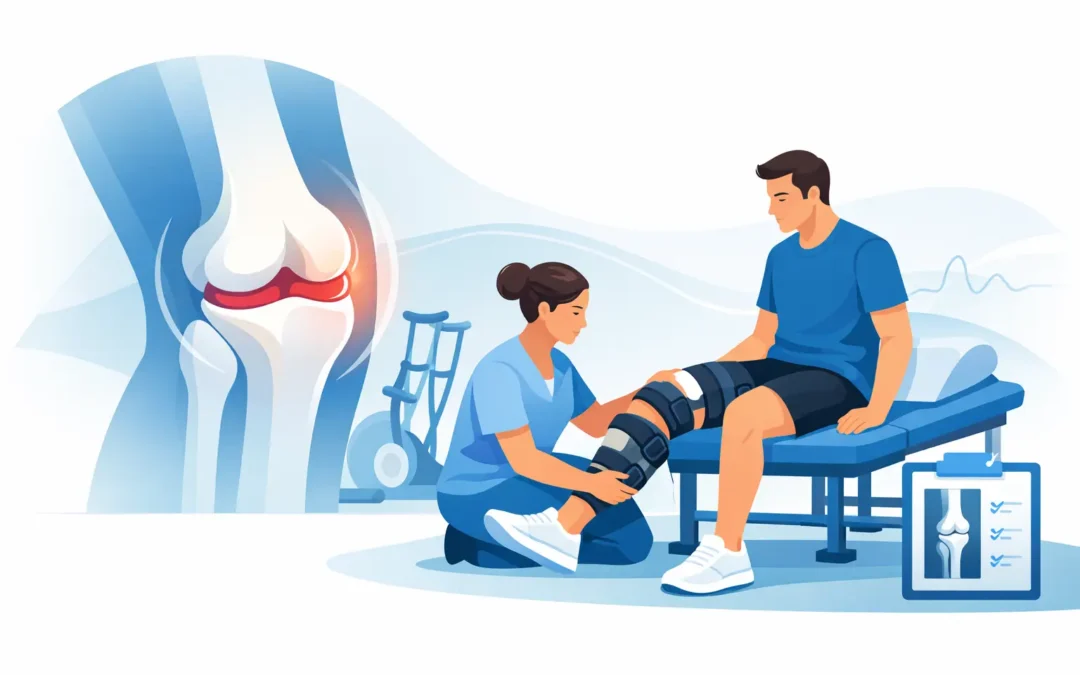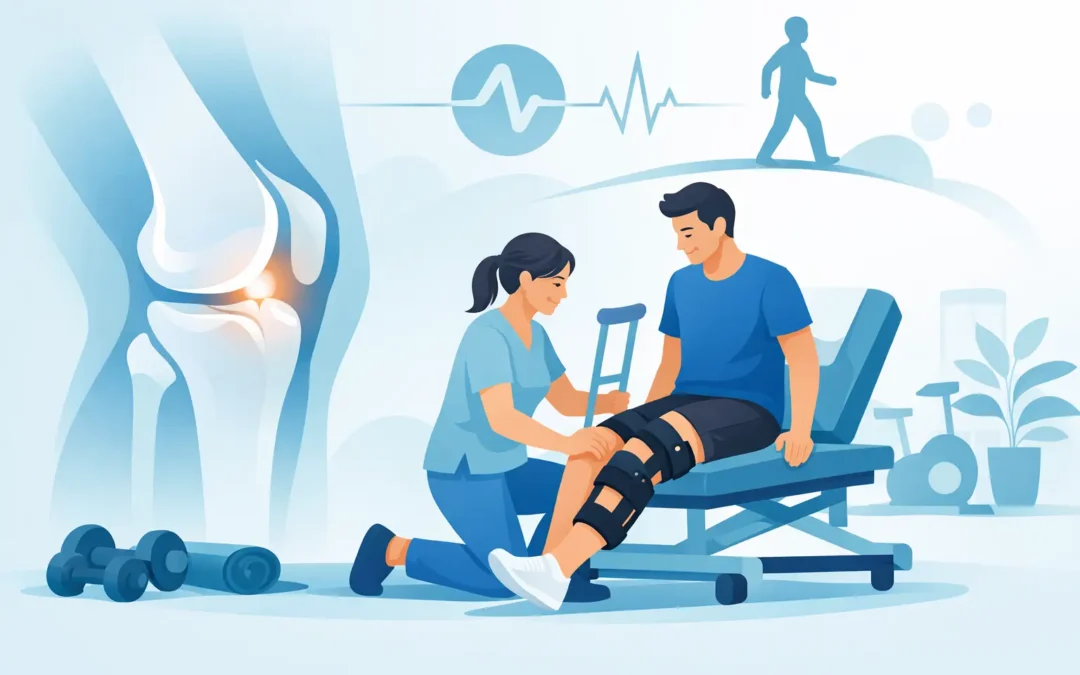
That sharp pinch getting out of a chair, the ache on a long walk, the stiffness after a run – hip pain has a way of shrinking daily life. Good hip pain physiotherapy is not about chasing symptoms with a few stretches or a quick massage. It is about working out why the hip is irritated, what is no longer moving or loading well, and how to rebuild confidence in the joint step by step.
The hip is a strong, deep joint, but it does not work in isolation. Pain can be driven by the joint itself, the tendons around it, the muscles that control it, the lower back, or a combination of factors. That is one reason generic advice so often falls flat. Two people can both say “my hip hurts” and need completely different rehabilitation plans.
What hip pain physiotherapy should actually do
The aim is not simply to reduce discomfort for a few days. Evidence-based physiotherapy should help you move better, tolerate load more effectively, and return to the activities that matter to you, whether that is walking to work, sleeping comfortably, lifting your child, squatting in the gym, or getting back to football.
Research across musculoskeletal care, including work published in journals such as the British Journal of Sports Medicine and Journal of Orthopaedic & Sports Physical Therapy, consistently supports active rehabilitation for many hip problems. That usually means education, graded exercise, load management, and a clear plan to progress function over time. Passive treatment can have a place, but it should not be the whole plan and it should never replace proper rehabilitation.
This matters because pain is not always a sign of damage alone. Pain can also reflect irritation, sensitivity, deconditioning, altered movement patterns, or a mismatch between what your hip is currently capable of and what you are asking it to do. Effective physiotherapy respects that complexity rather than reducing it to a single label.
Common problems seen in hip pain physiotherapy
Hip pain is an umbrella term, and the details matter. Some people have pain at the front of the hip, often aggravated by sitting, deep flexion, running, or twisting. Others feel pain on the outer side of the hip, especially when lying on that side, climbing stairs, or standing on one leg. Some report a deep ache in the groin, while others point more towards the buttock or even the thigh.
Common diagnoses include gluteal tendinopathy, hip osteoarthritis, hip-related groin pain, labral irritation, adductor-related pain, bursitis, and referred pain from the lumbar spine. In active people, there may also be issues linked to sudden changes in training load, reduced hip strength, poor recovery, or returning to sport too quickly after a previous injury.
It is also worth saying that scans do not tell the full story. Studies have shown that structural changes can appear on imaging in people with no pain at all. That does not mean scans are useless. It means scan findings need to be interpreted alongside your symptoms, movement, strength, activity levels, and goals. Treating a report instead of the person is rarely helpful.
What happens during a proper assessment
A good assessment should feel more like an investigation than a routine. Your physiotherapist should ask when the pain started, what provokes it, whether symptoms are worsening or settling, and what you need your body to do in real life. They should also screen for less common but important causes of hip pain, such as inflammatory conditions, fracture risk, or serious pathology that requires medical review.
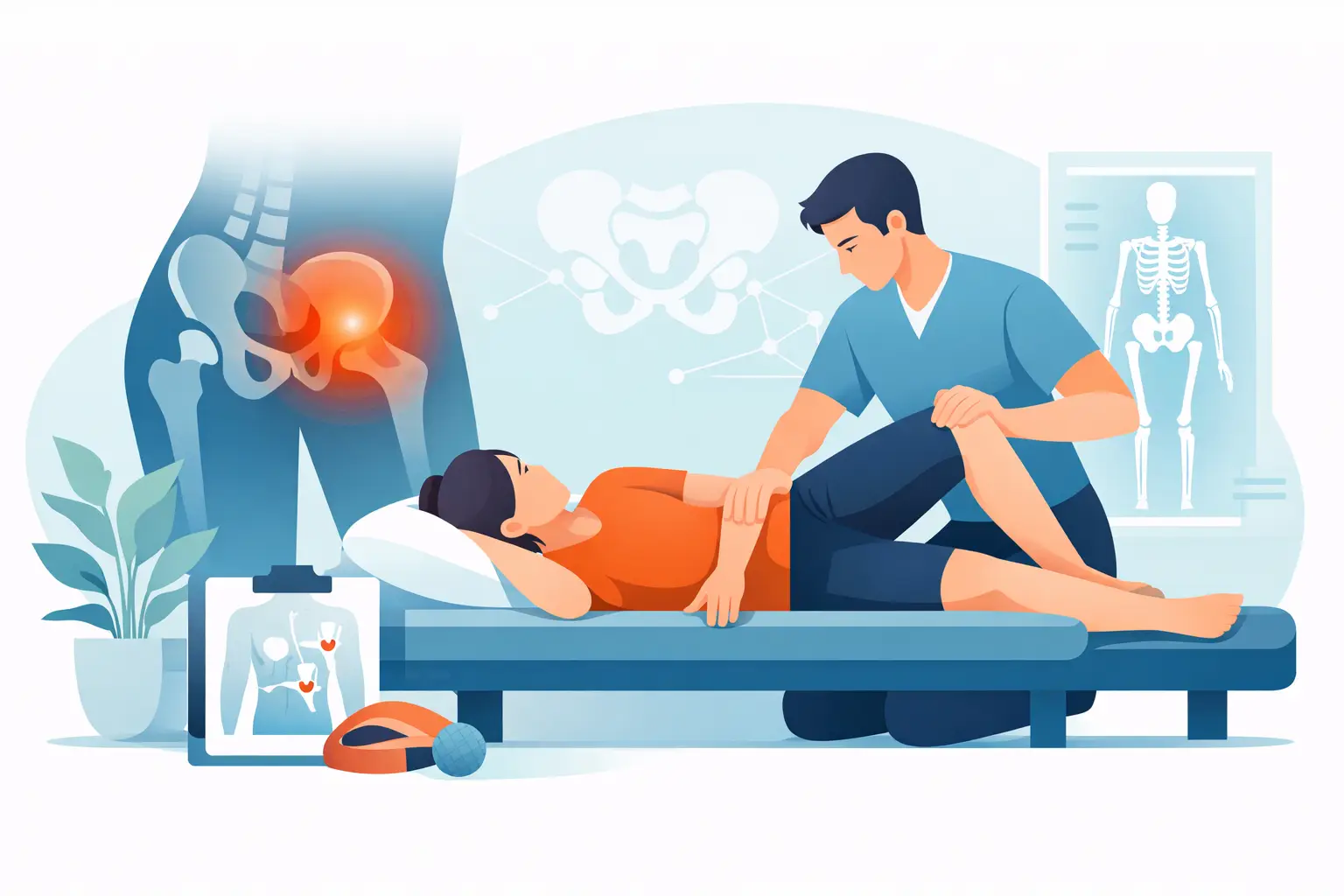
From there, physical assessment often includes hip range of movement, muscle strength, pelvic control, balance, walking pattern, single-leg tasks, and movements specific to your life or sport. If you are a runner, that may include hopping or running drills. If you are recovering from surgery, the focus may be on gait, early strength, swelling, and restoring basic function safely.
The point is precision. Ethical care means avoiding shortcuts. If the likely driver is weak and overloaded gluteal tendon tissue, the plan should reflect that. If the problem is more related to hip joint irritability, reduced mobility, and fear of movement, the plan should reflect that instead. Similar pain, different rehabilitation.
What treatment for hip pain usually involves
For most musculoskeletal hip conditions, exercise is central. That does not mean random strengthening from the internet. It means choosing the right exercise, at the right stage, with the right dosage.
Early on, treatment may focus on settling irritation and improving tolerance to everyday tasks. This can include modifying aggravating activities for a short period, improving sleep positions, and introducing isometric or low-load strengthening work. If walking long distances flares the hip, the answer is not always to stop walking completely. It may be to reduce distance temporarily, change terrain, or break the activity into manageable amounts while capacity is rebuilt.
As symptoms settle, rehabilitation usually progresses to heavier strength work, better single-leg control, and more demanding movements. For tendinopathies around the hip, gradual loading is often essential. For osteoarthritis, strengthening, movement, aerobic activity, and confidence-building are key parts of care. For athletes with groin or hip-related pain, rehab often needs to address power, rotation, cutting, acceleration, and return-to-sport criteria rather than stopping at pain relief.
Hands-on treatment may help in some cases, particularly if it improves comfort enough for you to move more normally or engage better with exercise. But it should support the main plan, not become the plan. The same applies to dry needling or other adjuncts. Useful sometimes, decisive rarely.
Hip pain physiotherapy is not one-size-fits-all
This is where many people get frustrated. They have already tried stretches from social media, generic core work, or passive treatments that felt good for a day and changed little after that. The missing piece is often individualisation.
For example, someone with gluteal tendon pain may do badly with repeated aggressive stretching or constant hip adduction positions. Someone with a stiff, arthritic hip may benefit from strengthening and regular movement exposure, but progress may need to be paced carefully around symptom response. A younger athlete with anterior hip pain may need a detailed look at training volume, hip strength, trunk control, and sport-specific mechanics rather than a blanket instruction to rest.
There are trade-offs in every rehab plan. Push too hard, too early and symptoms can flare. Stay too cautious for too long and strength, mobility, and confidence can fall further behind. Good physiotherapy helps you find the middle ground and adjust as your body responds.
How long does recovery take?
It depends on the diagnosis, how long symptoms have been present, your current strength and activity levels, sleep, stress, and how consistent you can be with rehabilitation. Acute flare-ups may improve within weeks. Tendon-related pain and persistent hip problems often need longer. Post-operative rehabilitation follows its own timeline and should be guided carefully around surgical protocols and tissue healing.
What matters most is not whether you feel better after one session. It is whether you are heading in the right direction over time. Better walking tolerance, easier stairs, less pain when turning in bed, improved squat depth, more confidence loading the affected leg – these are meaningful signs of progress.
That is also why education matters. When people understand what their pain means, what aggravates it, and how recovery tends to unfold, they are less likely to swing between overdoing it on good days and avoiding movement on bad ones. Long-term outcomes tend to improve when patients are active participants in the process.
When to seek help sooner
Some hip pain should be assessed promptly. That includes severe pain after a fall, inability to bear weight, night pain that is unexplained and persistent, marked swelling, fever, numbness, unexplained weakness, or symptoms that are rapidly worsening. If the pain has been lingering for weeks and stopping you from exercising, working comfortably, or sleeping well, that is also a good reason to get it properly assessed rather than hoping it will simply pass.
A careful physiotherapy review can often clarify whether the issue is straightforward rehabilitation, whether imaging may be useful, or whether you should be referred onwards.
What good rehab feels like
It should feel collaborative. You should leave understanding what the likely problem is, what the plan is trying to change, and what you can do between sessions to move forward. You should not feel dependent on endless treatment. You should feel guided, challenged appropriately, and supported.
At PhysioX, that means one-to-one care built around root-cause assessment, functional goals, and long-term self-management. Whether your hip pain is affecting work, sport, gym training, or simple day-to-day movement, the goal is the same: help you restore function with a plan that is specific, evidence-based, and realistic for your life.
Ready to take the next step in your recovery? Book a session with our team at PhysioX today.
Hip pain can make you feel older, slower, and less capable than you really are. With the right guidance, steady loading, and a clear plan, the hip is often far more adaptable than people think.