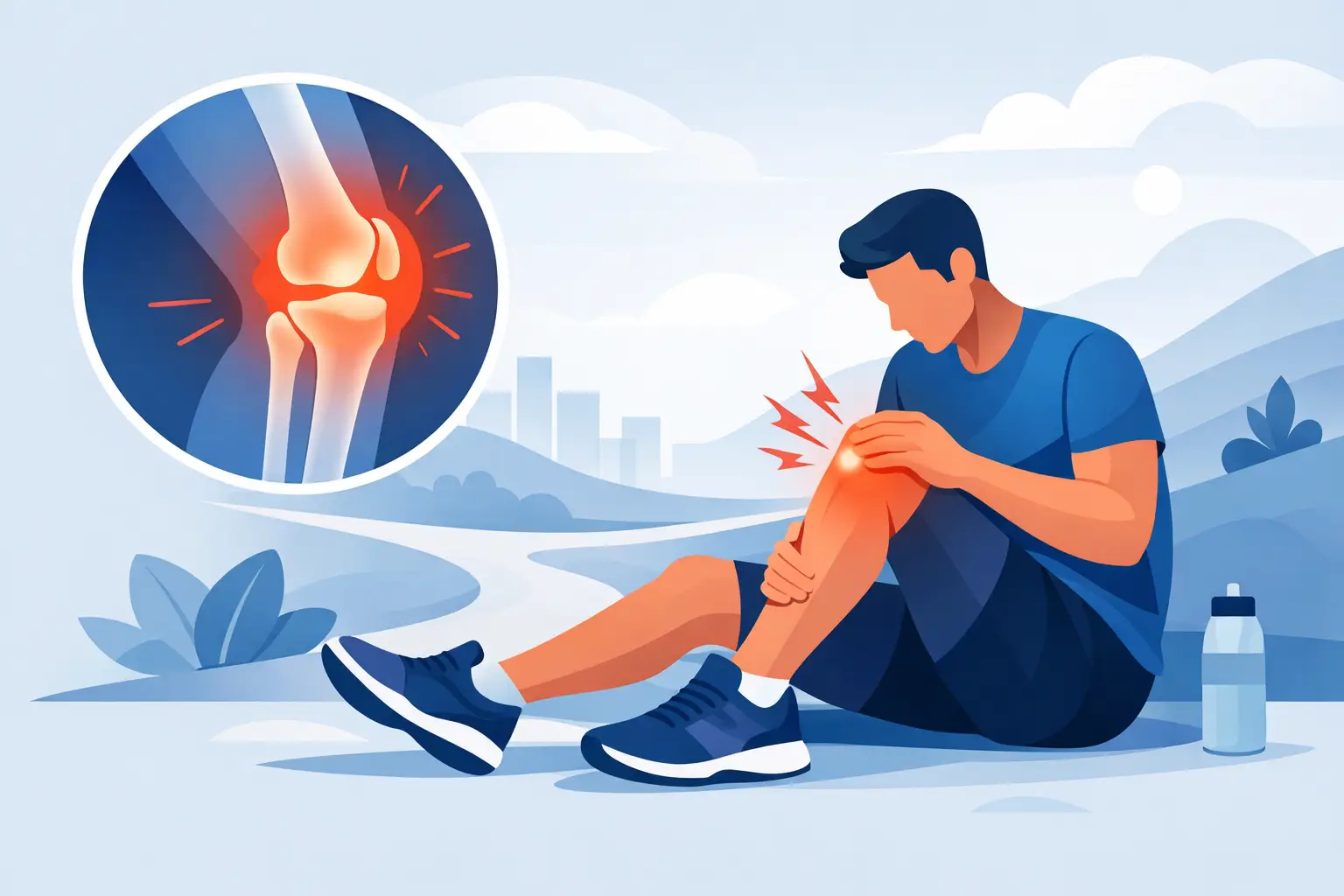
A sore knee after a run can feel deceptively simple. You finish, cool down, and only then notice an ache around the kneecap, a sharp twinge on the outside of the knee, or stiffness that appears when you sit down later. Knee pain after running is common, but it is not something to brush off as a normal part of training. Pain is useful information. It tells you that the load going through your knee may currently be more than your body is prepared to handle.
That does not automatically mean there is serious damage. In many runners, symptoms settle well with the right mix of load adjustment, strengthening, movement retraining and a clear return-to-running plan. The key is not guessing. It is understanding which tissues may be involved, why the pain started, and what needs to change so that running feels sustainable again.
Why knee pain after running happens
The knee sits between the hip and the foot, so it often reflects what is happening above and below it. A sudden increase in mileage, more hills, faster intervals, a change in shoes, poor recovery, or reduced strength can all shift the stress placed on the joint. Research in sports medicine consistently shows that many running-related injuries are linked less to a single faulty movement and more to training errors, tissue capacity and how well the body adapts to repeated load.
That matters because two runners can have similar pain in similar places for very different reasons. One may have increased volume too quickly after time off. Another may have enough fitness for the run itself but not enough quadriceps or calf strength to tolerate it week after week. A third may be sleeping poorly, under-fuelling and trying to push through fatigue. The knee only shows the final result.
Common causes of knee pain after running
Patellofemoral pain
This is one of the most frequent reasons runners develop pain at the front of the knee or around the kneecap. It often feels worse with stairs, squatting, prolonged sitting, or after longer runs. Current evidence supports a multifactorial view – the kneecap joint becomes sensitive when training load exceeds capacity, often alongside deficits in quadriceps and hip strength or poor tolerance to repeated compressive force.
Iliotibial band-related pain
Pain on the outer side of the knee that builds during a run, especially with downhill running or longer distances, may point to iliotibial band-related pain. It is commonly an irritation related to repeated loading rather than a band that simply needs to be loosened. This distinction matters, because treatment based only on massage rarely solves the underlying problem.
Patellar tendon pain
Pain just below the kneecap, especially with sprinting, hills, jumping or heavy gym work, can suggest patellar tendinopathy. Tendons usually respond well to progressive loading, but they dislike sudden spikes in demand. Rest alone may calm symptoms temporarily, yet the tendon often remains underprepared unless strength and loading tolerance are rebuilt carefully.
Meniscal irritation or joint overload
If there is swelling, catching, sharp joint line pain or discomfort with twisting, the meniscus or the joint itself may be involved. Not every meniscal issue needs surgery, and not every ache means a tear. Clinical assessment is important here, especially if symptoms are persistent, worsening or associated with locking.
What runners often get wrong
The most common mistake is choosing between two extremes – either ignoring the pain completely or stopping all activity for too long. Neither is ideal in many cases. Contemporary physiotherapy and sports medicine favour relative load management. That means reducing aggravating activity enough to let symptoms settle while keeping the body active and the tissues progressively challenged.
Another common issue is treating the knee in isolation. If you only chase the sore spot with foam rolling, taping or passive treatment, you may miss the bigger picture. Stronger hips, calves and quadriceps, better single-leg control, more sensible progression of training, and improved recovery habits often make a far bigger difference than any quick fix.
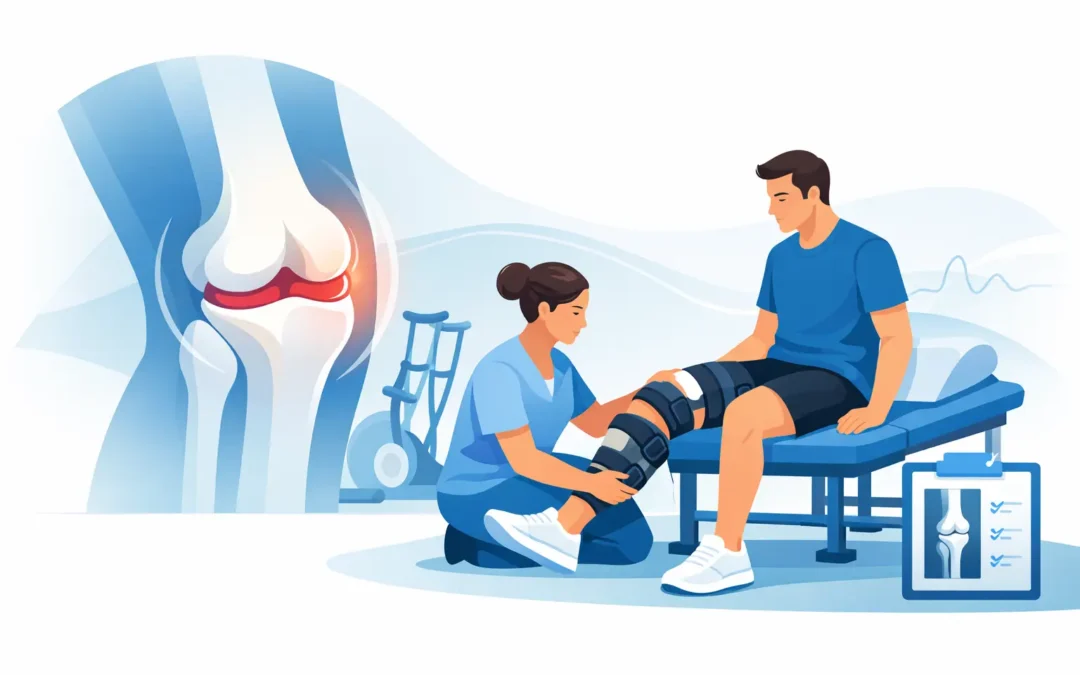
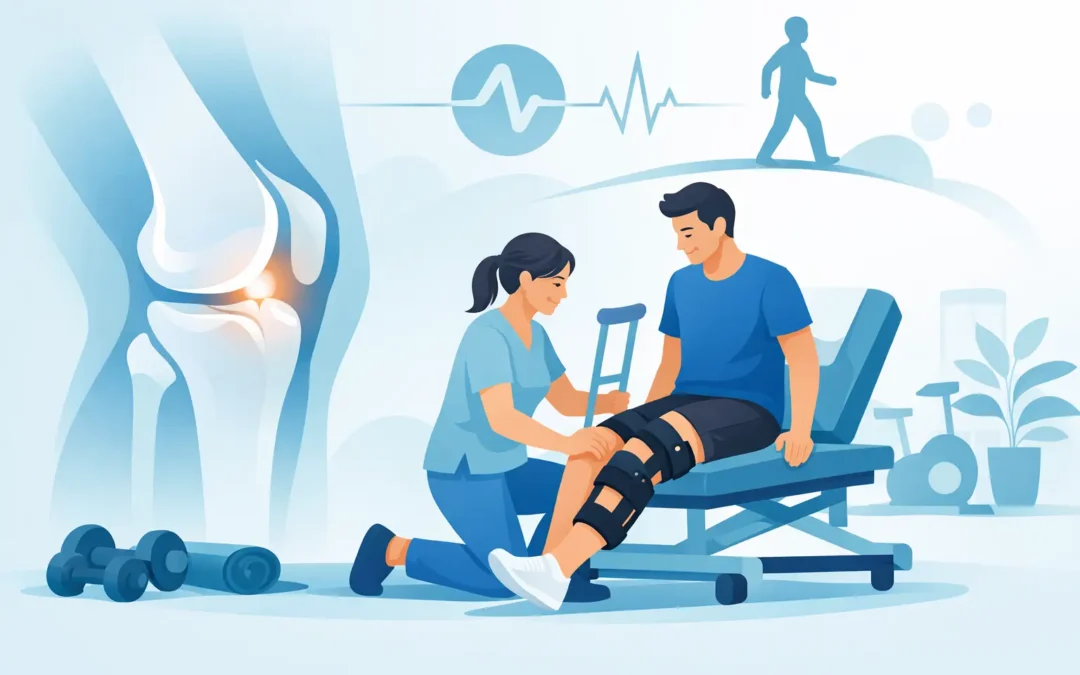
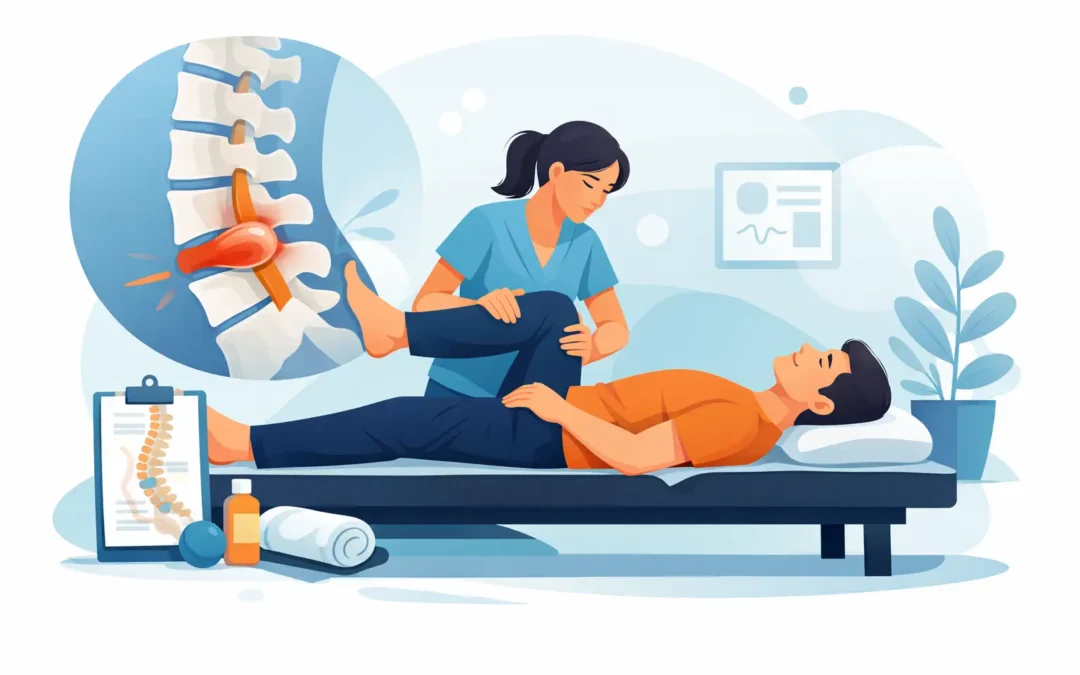
This is also where physiotherapy is often misunderstood. It is not simply massage or machines. Good physiotherapy is an active process. It should involve a thorough assessment, a clear explanation of what is driving your symptoms, and a targeted rehabilitation plan that helps you return to running with more confidence and less reliance on passive treatment.
What to do when your knee hurts after a run
Start by looking at the pattern. Where is the pain? Does it come on during the run, only afterwards, or the next morning? Is there swelling, giving way, catching or loss of movement? Mild pain that settles quickly may respond to a few practical changes. Reduce distance or speed for a short period, avoid hills if they provoke symptoms, and keep runs at a level that does not cause a clear flare-up later that day or the next morning.
Pain-monitoring models used in tendinopathy and running rehabilitation can be helpful. In simple terms, some discomfort during exercise can be acceptable if it remains manageable and settles within an agreed timeframe. Pain that steadily worsens, changes your running form, or lingers with increasing stiffness the next day is a sign that the load is too high.
Strength work should begin early in most cases. Evidence from journals such as BJSM and JOSPT supports exercise-based rehabilitation for common knee problems, particularly programmes that build quadriceps, hip and calf strength. Depending on the diagnosis, this may include split squats, step-downs, leg press, calf raises, isometric holds or controlled single-leg work. The exact exercise matters less than whether it is appropriate for your irritability level and progressed properly.
Running form can matter too, but it should be handled carefully. There is rarely one perfect technique for everyone. Some runners benefit from increasing cadence slightly, shortening stride length, or adjusting trunk position to reduce knee load. Others do not need form changes at all. Technique advice only works when it fits the individual runner and the demands of their sport or training goals.
When to seek an assessment
Signs you should not ignore
If your knee is swollen, locking, giving way, or too painful to bear weight comfortably, get assessed promptly. The same applies if symptoms are not improving after one to two weeks of sensible load reduction, or if pain keeps returning every time you try to build mileage.
A detailed assessment should not just label the pain. It should test strength, movement quality, flexibility where relevant, training history, footwear considerations, and how your symptoms behave under load. That is how you identify the root cause instead of simply naming the irritated structure.
How rehabilitation should look
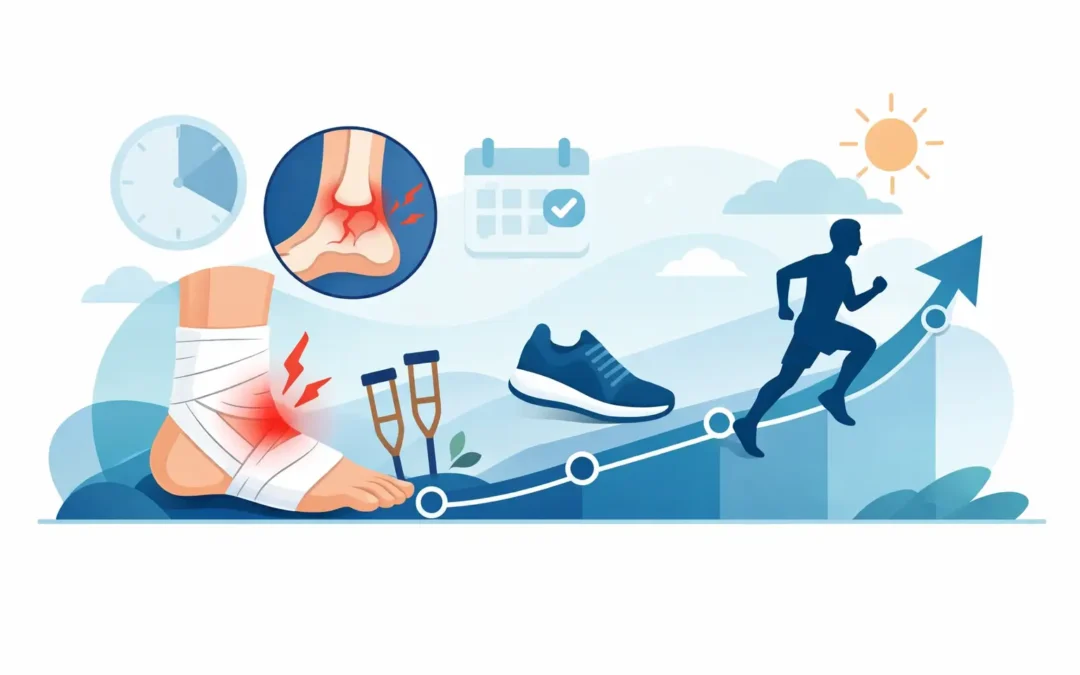
A good rehab plan is specific and progressive. Early on, the aim is usually to calm symptoms enough so the knee can tolerate daily life and modified running. From there, the focus shifts to restoring strength, improving tolerance to impact, and reintroducing running loads in a structured way.
For example, someone with patellofemoral pain may start with pain-limited strengthening for the quadriceps and glutes, then build into single-leg control, gym-based loading and a graded return to running. Someone with patellar tendon pain may need a more tendon-specific loading programme with careful progression into energy-storage activities such as faster running and plyometrics. Similar symptom locations do not always mean identical rehab.
This is why generic online advice only goes so far. It can point you in the right direction, but it cannot judge your tissue irritability, training background, goals or the things in your life that affect recovery. Personalised care matters because the right exercise at the wrong time can be as unhelpful as the wrong exercise altogether.
At PhysioX, we see rehabilitation as a partnership. The goal is not to keep you dependent on treatment, but to help you understand your body, build resilience and return to what matters with a plan you can trust.
Preventing knee pain when you run
Prevention is rarely about one magic drill. It is usually about respecting progression and building capacity consistently. Increase mileage gradually, especially after illness, travel, a busy work period or a break from training. Keep at least some regular strength work in your week, even when running is going well. Sleep, nutrition and recovery are not optional extras if you want tissues to adapt.
It also helps to notice patterns early. A knee that feels mildly stiff after every interval session is giving you information before it becomes a more disruptive injury. Addressing that early is far easier than pushing on until you cannot run at all.
If you are dealing with knee pain after running, the encouraging news is that most runners improve very well when the problem is assessed properly and managed with a clear, evidence-based plan. You do not need to choose between endless rest and blindly pushing through. There is usually a smarter middle path.
Ready to take the next step in your recovery? Book a session with our team at PhysioX today.
Your knee does not need guessing games – it needs the right load, the right plan, and enough time to adapt well.