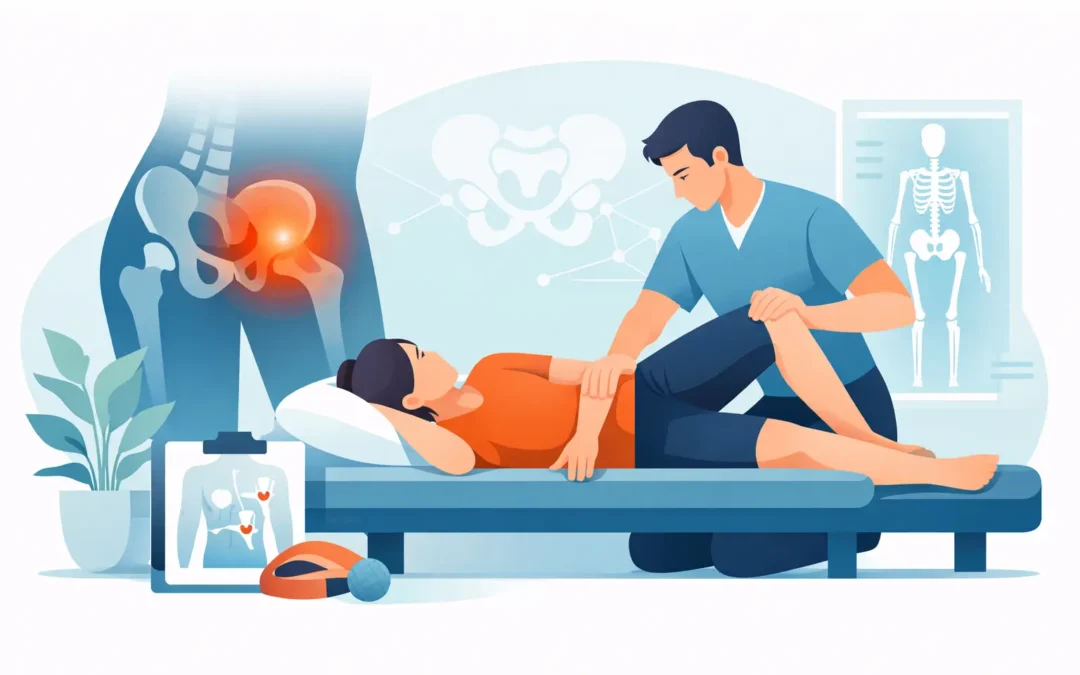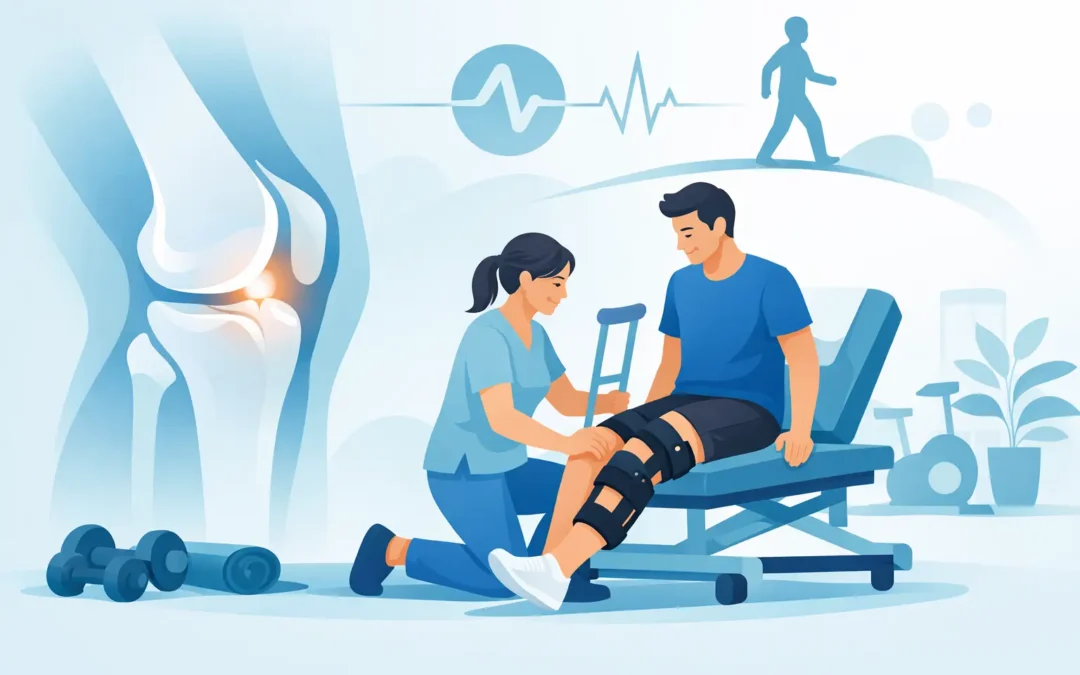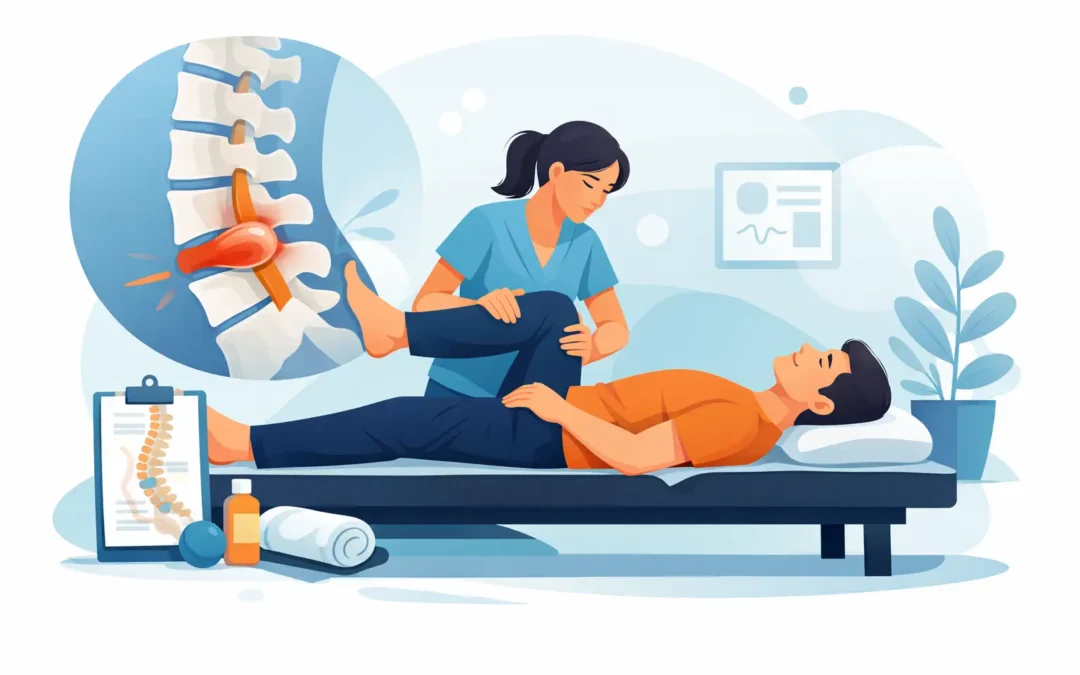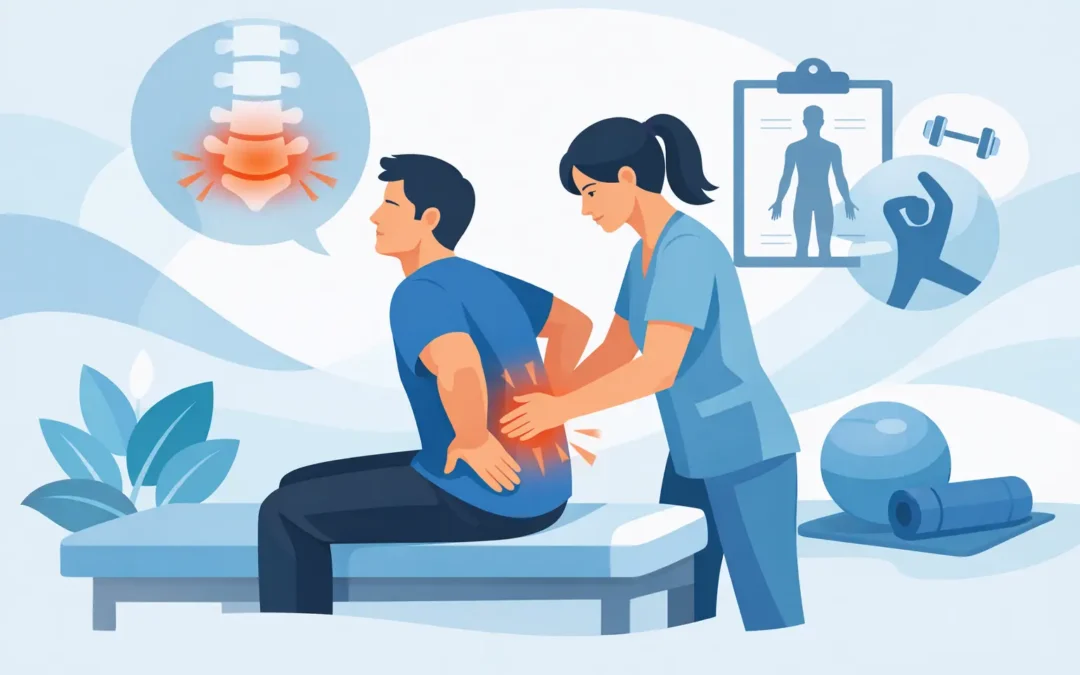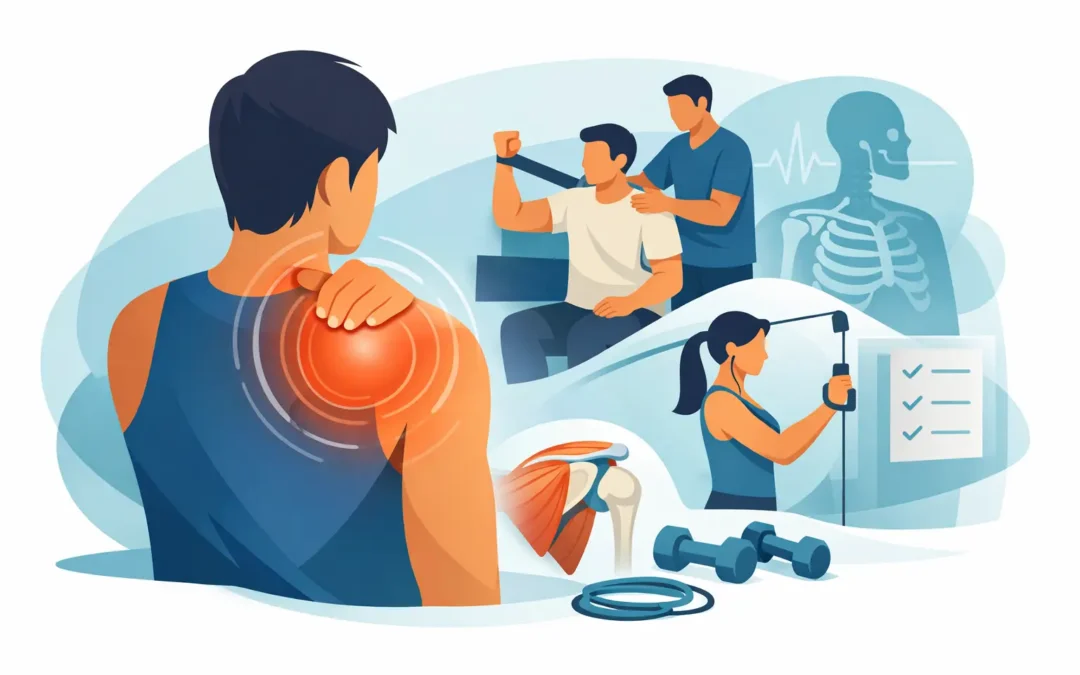

If you have been told you need treatment after an injury, you may have heard both terms used almost interchangeably. That is where confusion starts. In practice, sports rehabilitation vs physiotherapy is not a simple either-or question, because the two overlap significantly, yet they are not always the same in scope, training, or clinical purpose.
For someone trying to get back to running, gym training, tennis, football, or simply walking without pain, the real issue is not which label sounds better. It is whether the clinician can assess the problem properly, understand the demands of your life or sport, and guide you through a recovery plan that is specific, progressive, and evidence-based.
Sports rehabilitation vs physiotherapy: what is the difference?
Physiotherapy is a broad healthcare profession focused on restoring movement, reducing pain, improving function, and helping people recover from injury, surgery, illness, or long-term physical limitations. It covers a wide range of presentations, from neck pain and post-operative knee recovery to neurological conditions, respiratory care, hand injuries, and cancer rehabilitation.
Sports rehabilitation usually sits within a narrower lane. It tends to focus more specifically on musculoskeletal injury, exercise-based recovery, strength and conditioning principles, and return to sport or high-level function. A sports rehabilitation professional may work with athletes, active adults, and people recovering from exercise-related injuries, often with strong emphasis on movement quality, loading, and performance.
That means the key difference is often breadth versus emphasis. Physiotherapy is the wider clinical field. Sports rehabilitation is commonly more concentrated on physical injury rehabilitation and return to activity. But in real clinical settings, especially in musculoskeletal practice, there can be substantial crossover.
Where the overlap matters most
For the patient, overlap matters more than titles. Many physiotherapists work extensively in sports injuries and performance-based rehab. Equally, some sports rehabilitation professionals are highly skilled in exercise prescription and functional progression for lower-limb injuries, tendon pain, ligament sprains, and post-operative return-to-sport pathways.
What both should share is a structured clinical process. That starts with a proper assessment rather than a quick assumption. It includes identifying the source of symptoms, understanding contributing factors, measuring current limitations, and mapping out what recovery actually needs to look like.
A runner with Achilles pain, for example, does not only need pain relief. They may need calf strength work, training load review, ankle mobility assessment, running capacity testing, and a realistic plan for returning to mileage without flare-ups. Whether that comes under physiotherapy or sports rehabilitation is less important than whether the clinician can do the job thoroughly.
Physiotherapy is often the better term for complex cases
There are situations where physiotherapy is clearly the more relevant framework. If your problem is not purely sports-related, or if your recovery involves multiple medical, surgical, or functional considerations, a physiotherapist may be better placed to manage the wider picture.
This includes post-operative rehabilitation, persistent back or neck pain, nerve-related symptoms, hand injuries, work-related strain, balance issues, and rehabilitation linked to cancer treatment or broader health conditions. In these cases, recovery is not just about getting back to exercise. It may be about reducing disability, rebuilding daily function, improving confidence in movement, and managing pain without overmedicalising it.
A good physiotherapist should also be able to shift gears. One patient may need careful manual assessment and post-surgical planning. Another may need a gym-based progression into hopping, cutting, sprinting, and sport-specific drills. Clinical reasoning matters because not every painful knee is a sports knee, and not every active patient needs a performance-driven programme from day one.
When sports rehabilitation can be especially useful
Sports rehabilitation can be particularly valuable when the end goal is clearly performance-based. If you are aiming to return to football, netball, martial arts, weight training, or long-distance running, then rehabilitation needs to go beyond basic symptom control.
That means looking at power, rate of force development, movement efficiency, confidence under load, and the demands of your actual sport. It is one thing to say your ankle is no longer swollen. It is another to know whether it can tolerate repeated changes of direction, jumping, landing, or uneven ground.
This is where a strong sports rehabilitation approach can add real value. The programme is often built around progressive loading, objective testing, and staged return to training. Done well, it avoids the common mistake of discharging someone too early just because daily activities feel manageable.
The wrong question can lead to the wrong care
People often ask, “Do I need sports rehabilitation or physiotherapy?” A better question is, “What type of assessment and rehabilitation does my condition require?”
That shift matters. A title alone does not guarantee quality. Some patients receive generic exercises without a clear diagnosis, progression plan, or explanation of why symptoms developed in the first place. Others are given passive treatment for too long, which may feel helpful in the short term but does little to rebuild capacity.
Ethical rehabilitation should not depend on shortcuts. It should be based on what you actually need. If you have had ACL surgery, your care should involve strength testing, movement assessment, staged loading, and return-to-sport criteria. If you have persistent shoulder pain from desk work and gym training, your treatment should account for both your working posture and your exercise habits. If you are recovering from cancer treatment and struggling with weakness or reduced stamina, the plan should respect fatigue, tissue sensitivity, and your broader health picture.
Sports rehabilitation vs physiotherapy in private practice
In many modern musculoskeletal clinics, the distinction becomes even less rigid. A physiotherapist with deep experience in sports injuries may provide everything from acute injury management to advanced return-to-sport rehabilitation. That is often what active adults need – not a siloed service, but one clinician or team who can assess accurately, treat appropriately, and progress rehabilitation in line with real-life goals.
At PhysioX, that principle matters. Patients are not squeezed into standard protocols or rushed through symptom-based care. The focus is on understanding the root cause, matching treatment to the individual, and building a programme that restores confidence as well as function.
That approach is especially useful for people whose identity is tied to movement. Recreational athletes, busy professionals, parents trying to stay active, and post-operative patients often need more than a few exercises on paper. They need clarity, progression, and a clinician who can explain what is happening and what the next stage should look like.
How to choose the right clinician
The most reliable way to choose is to look beyond the label and examine the fit. Ask what kinds of conditions the clinician treats regularly. Ask whether they perform full assessments, whether rehabilitation is individualised, and whether treatment includes measurable progression rather than only passive techniques.
You should also consider the endpoint. If your goal is to sit comfortably at work, restore daily mobility, and reduce recurrent pain, broad musculoskeletal physiotherapy may be ideal. If your goal is to return to competitive sport, heavy lifting, or repeated high-speed movement, you need someone confident in advanced exercise rehabilitation and return-to-sport decision-making.
In some cases, you need both perspectives at once. A post-operative athlete, for example, may benefit most from a physiotherapist who understands surgical recovery and performance-based rehabilitation equally well. That combination can be particularly important when timelines are unclear, pain is fluctuating, or confidence has dropped after a setback.
What good rehabilitation should feel like
Good rehabilitation should feel purposeful. Not easy, not rushed, and not mysterious. You should understand what the working diagnosis is, what the plan aims to change, and how progress will be judged over time.
There should be room for nuance. Some injuries need early protection before aggressive loading. Some patients need hands-on treatment to settle pain enough to start moving well again. Others need reassurance that pain does not always mean damage. It depends on the stage of healing, the irritability of symptoms, the demands of your lifestyle, and your previous injury history.
Most of all, good rehabilitation should move you towards independence. The aim is not to keep you in treatment indefinitely. It is to equip you to manage your condition, rebuild strength and tolerance, and return to the activities that matter to you with fewer limitations and less uncertainty.
If you are weighing up sports rehabilitation vs physiotherapy, the best answer is usually the one that matches your goals, your injury, and the quality of care in front of you. The right clinician will not just treat pain – they will help you understand recovery, trust your body again, and move forward with a plan that makes sense.