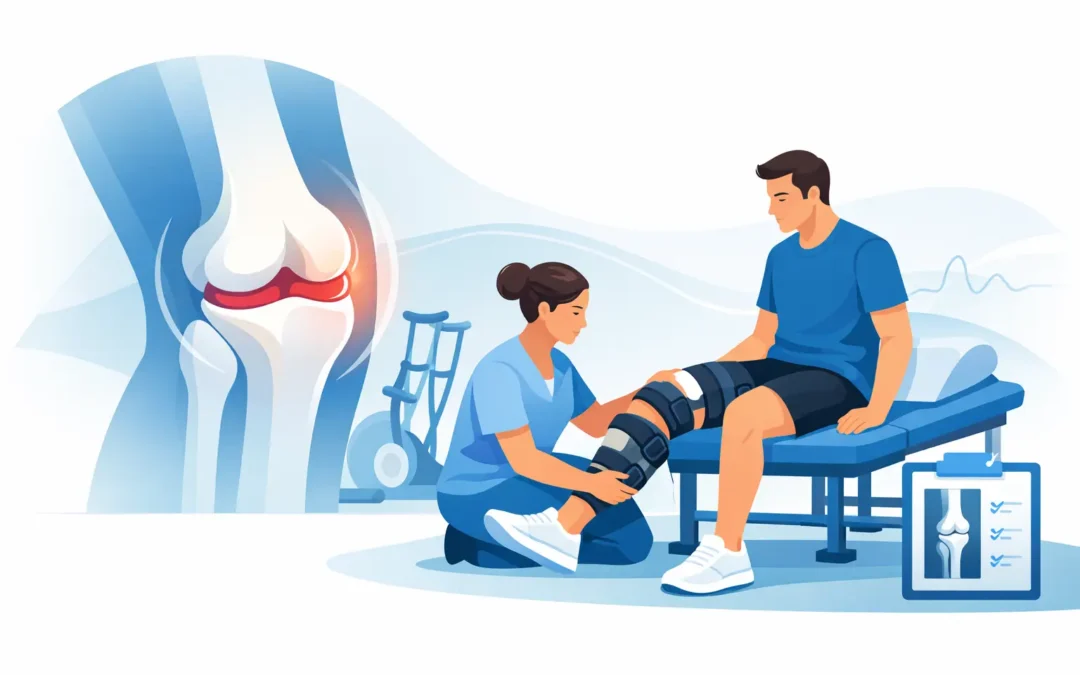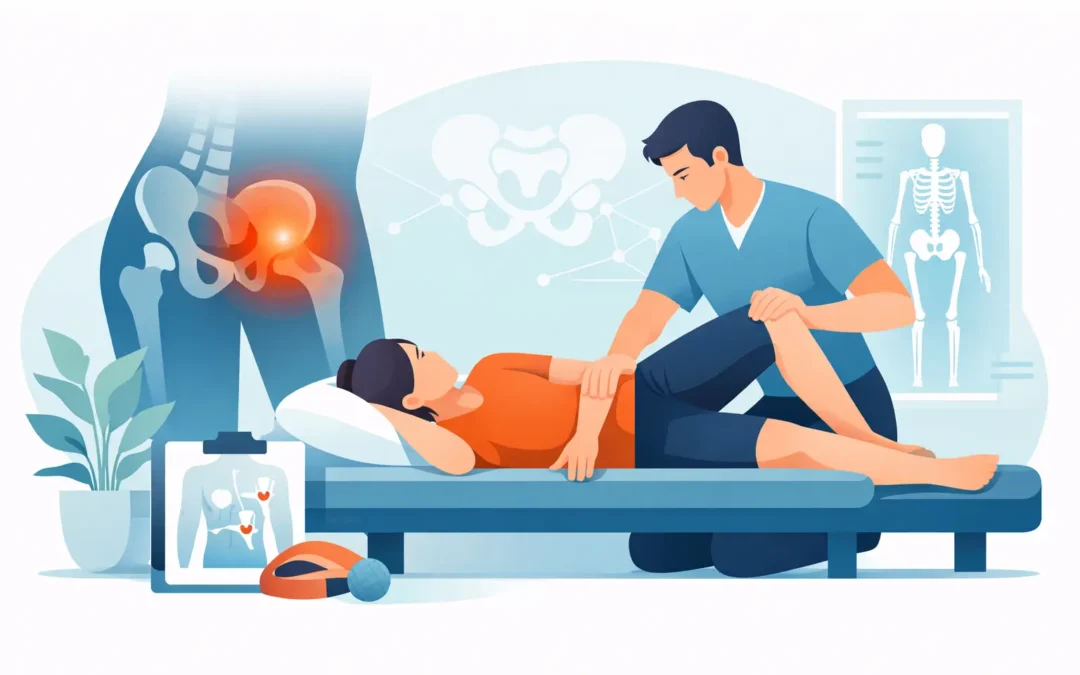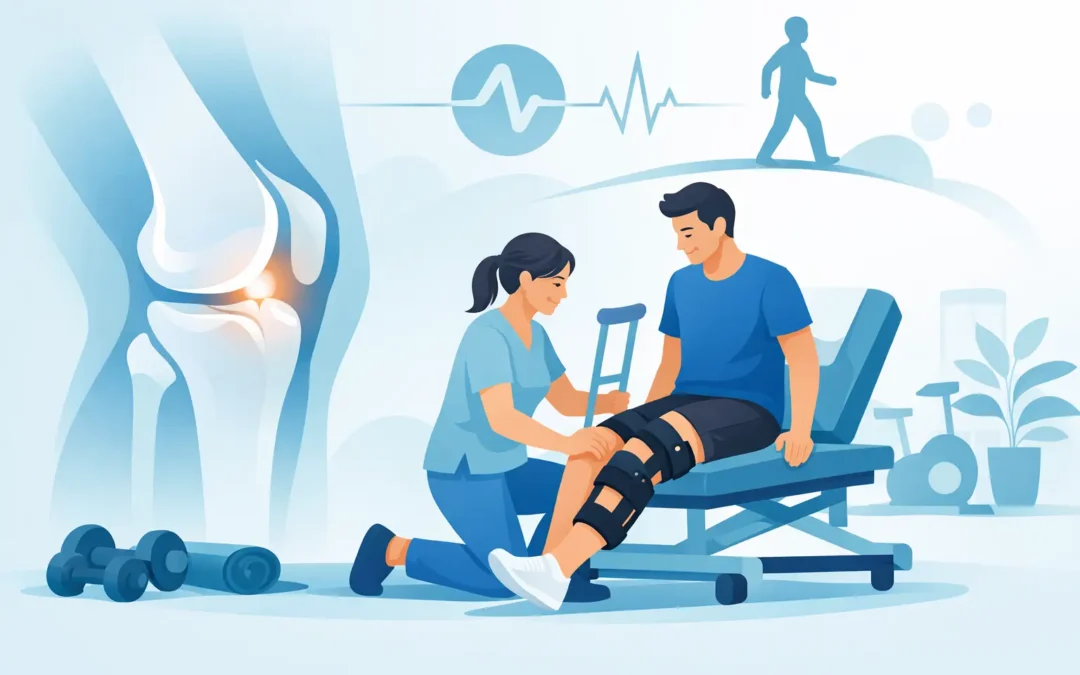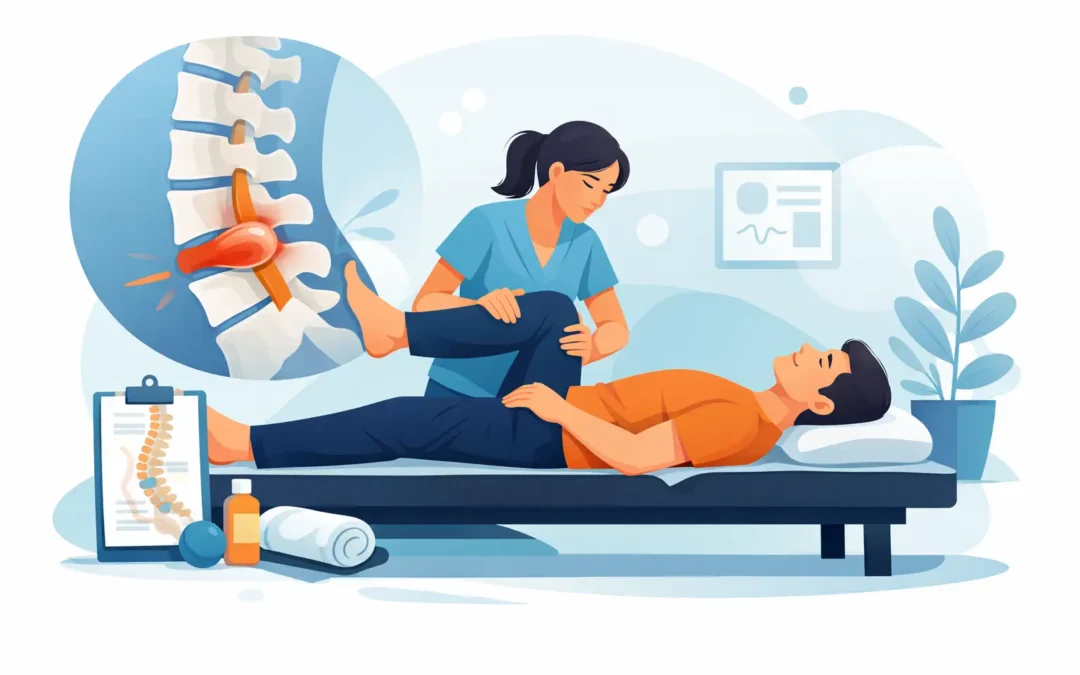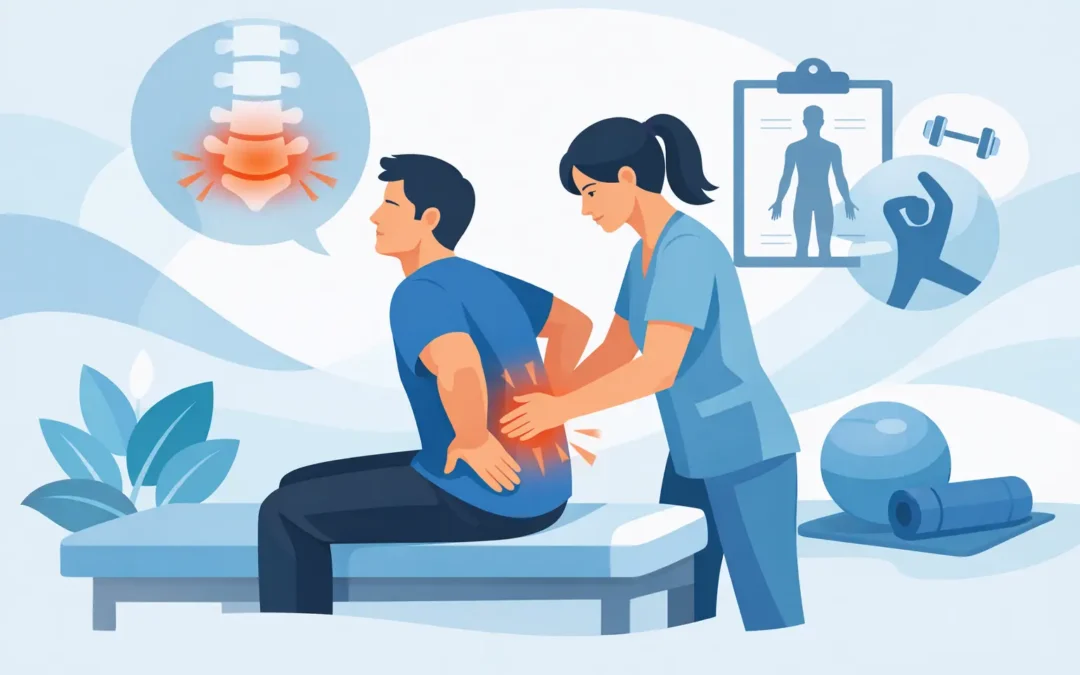

The first few weeks after surgery can feel strangely contradictory. You may be relieved that the procedure is done, but also frustrated by pain, swelling, weakness or how dependent you suddenly feel. That is exactly where post-operative physiotherapy recovery matters most – not as an optional extra, but as a structured process that helps you move safely, regain function and rebuild confidence.
Surgery can repair tissue, stabilise a joint or correct a mechanical problem, but it does not automatically restore movement quality, muscle control or tolerance for daily activity. That gap between a successful operation and a successful return to life is where rehabilitation does its real work. Good physiotherapy is not about pushing through pain or following a generic sheet of exercises. It is about knowing what your body needs at each stage, why it needs it, and how to progress without creating setbacks.
What post-operative physiotherapy recovery is really trying to achieve
Many patients assume the goal is simply to get stronger. Strength matters, but it is only one part of the picture. After surgery, your body is also dealing with inflammation, protective muscle inhibition, altered movement patterns, stiffness, reduced balance and often a loss of trust in the operated area.
A well-planned rehabilitation programme aims to reduce pain and swelling, restore joint movement where appropriate, improve muscle activation, rebuild strength, and reintroduce meaningful function. That function may mean walking comfortably, climbing stairs, lifting a child, getting back to the gym, returning to sport or simply being able to work without constant discomfort.
This is why recovery timelines vary. Two people can have the same operation and progress differently based on their pre-surgery fitness, tissue quality, age, sleep, stress, work demands and how consistently they follow their programme. Recovery is guided by evidence, but it still needs to be personalised.
Why the early phase matters more than most people realise
The early stage after surgery often feels uneventful from the outside. You may be doing simple exercises, walking short distances and trying to control swelling. Yet this phase is important because it sets the foundation for everything that follows.
If pain, swelling and stiffness are poorly managed, muscle activation often suffers. When key muscles do not switch on well, the body starts compensating. Those compensations can become habits, and habits are much harder to fix later. Early rehabilitation is therefore less about doing a lot and more about doing the right things precisely.
That may include breathing strategies, circulation exercises, gentle mobility, isometric loading, gait retraining or learning how to use crutches properly. It can feel basic, but basic does not mean unimportant. In many cases, patients who respect this stage recover more smoothly than those who either do too little or rush too much.
Post operative physiotherapy recovery is not one-size-fits-all
The right rehabilitation plan depends heavily on the procedure. A knee ligament reconstruction, rotator cuff repair, spinal surgery and hand operation all come with different tissue healing considerations, loading limits and milestones.
Even within the same surgery type, there are trade-offs. For example, after some procedures, restoring range of movement early is a priority. After others, protecting healing tissue takes precedence and pushing mobility too soon may irritate the repair. That is why rehabilitation should never be copied from a friend, a video online or a standard handout without clinical reasoning behind it.
A good physiotherapist looks at more than the surgical site. They assess how you move, how you compensate, what your goals are and what barriers might affect your progress. For a desk-based professional, the challenge may be sitting tolerance and commuting. For a runner, it may be load capacity and impact control. For a parent, it may be kneeling, carrying and floor transfers. Recovery should reflect real life, not just clinic-based exercises.
What a tailored rehabilitation plan usually includes
Most effective programmes progress through phases, even if the exact timing differs. In the beginning, treatment often focuses on pain management, swelling control, safe mobility and protecting the surgical repair. As healing progresses, the focus shifts towards restoring movement, improving muscle recruitment and building tolerance for more demanding tasks.
Later stages usually involve heavier strengthening, balance work, movement retraining and task-specific or sport-specific rehabilitation. If you want to return to tennis, football, running or gym training, that transition needs to be planned rather than assumed. Being pain-free in day-to-day life does not always mean your tissues are ready for higher-level loading.
Education is a central part of the process. Patients do better when they understand why an exercise matters, what discomfort is acceptable, which warning signs to watch for and how to pace activity between sessions. At PhysioX, this emphasis on education is not an add-on. It is part of ethical care, because informed patients make better recovery decisions.
Common mistakes that slow recovery
One of the biggest mistakes is treating surgery as the finish line instead of the starting point. Once the wound looks better and pain settles slightly, it is easy to assume the hard part is over. In reality, many deficits only become obvious when you try to move faster, lift more or return to demanding activities.
Another common problem is doing too much too soon. Motivation is helpful, but biology still matters. Healing tissues need the right load at the right time. Overloading them can increase pain, swelling and protective guarding, which may delay progress rather than speed it up.
The opposite mistake is becoming overly cautious and avoiding movement for too long. Prolonged underuse can lead to stiffness, deconditioning and fear of movement. The balance between protection and progression is where skilled rehabilitation makes a real difference.
There is also the issue of inconsistency. One intense session followed by several days of doing very little rarely works well. Recovery tends to respond better to regular, appropriate loading than occasional bursts of effort.
How progress should be measured
Good rehabilitation is not based on guesswork. Progress should be tracked using symptoms, movement quality, strength, range of motion, function and task-specific capacity. Depending on the surgery, this may include walking pattern, single-leg control, grip strength, stair tolerance, shoulder elevation, squat mechanics or return-to-running criteria.
This matters because pain alone is not a reliable guide. Some patients feel better before they are physically ready to progress. Others still feel apprehensive even when objective signs show they are improving well. Using both subjective and objective measures helps keep the plan safe and honest.
Setbacks can happen, and they do not always mean something has gone wrong. A temporary increase in stiffness or swelling after a progression may simply mean the body needs time to adapt. The key is interpreting that response properly and adjusting the programme with care rather than reacting emotionally.
The psychological side of recovery deserves attention
Post-surgical recovery is not purely physical. Patients often worry about damaging the repair, falling behind or never getting back to their previous level. That uncertainty can affect pain, effort and confidence.
This is why reassurance must be specific, not vague. Telling someone they will be fine is less useful than showing them why they are improving, what the next milestone is and how the current plan supports it. Confidence grows when patients can see a logical pathway and feel that each stage has a purpose.
For active adults, one of the hardest parts is accepting temporary limits without feeling defeated by them. A well-structured rehabilitation process helps reframe recovery as active work rather than passive waiting. That shift matters. It gives patients something meaningful to do and a clearer sense of control.
When to seek more support during post-operative physiotherapy recovery
If pain is worsening rather than gradually settling, swelling is persistent, mobility is not progressing, or you feel unsure about what is safe, it is worth getting proper review rather than guessing. The same applies if you have returned to activity but still notice weakness, limping, instability or hesitation.
Many people stop rehabilitation as soon as they can cope with basic daily tasks. For some, that may be enough. For others, especially those who want to return to exercise, sport or physically demanding work, stopping early can leave important deficits unaddressed. Those deficits may not show up immediately, but they often surface later as recurrent pain, overload elsewhere or reduced performance.
The aim is not just to recover from surgery, but to recover well. That usually means restoring capacity, not merely reducing symptoms.
A thoughtful rehabilitation plan respects tissue healing, responds to the person in front of you and keeps the long-term goal in view. If your surgery was designed to help you move better and live more fully, your rehabilitation should do the same – step by step, with patience, clarity and purpose.