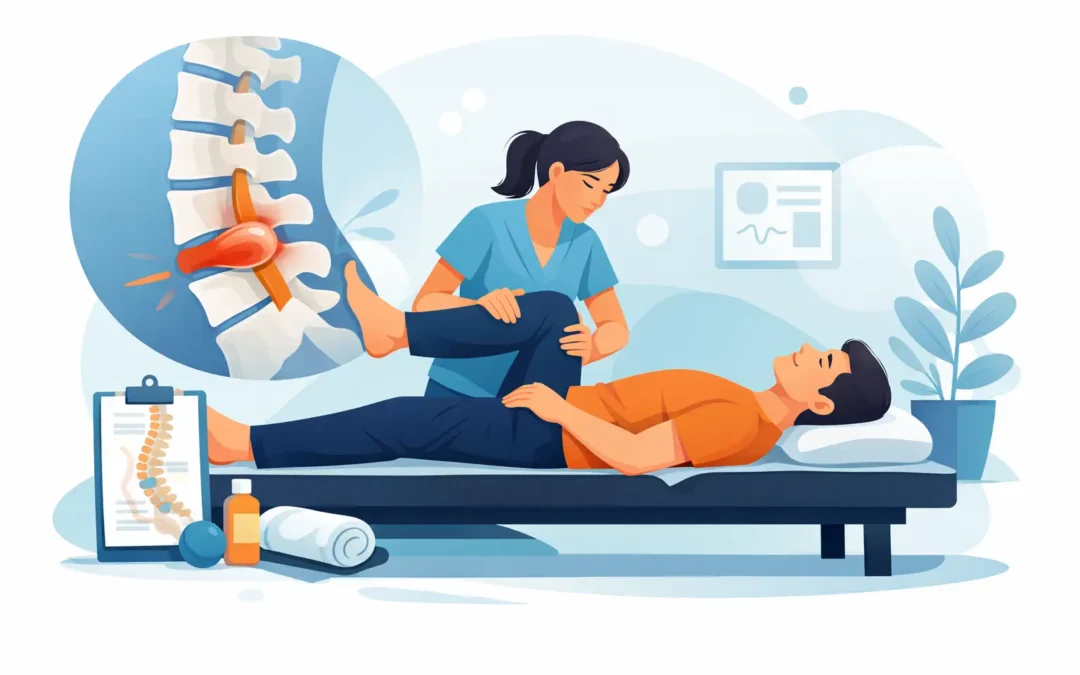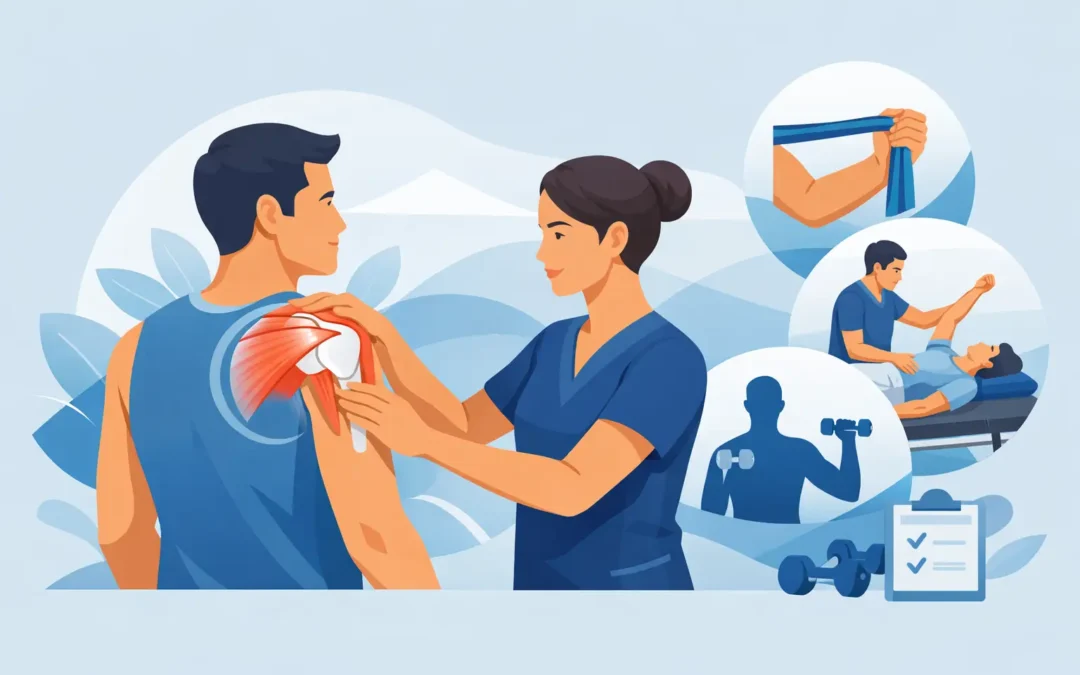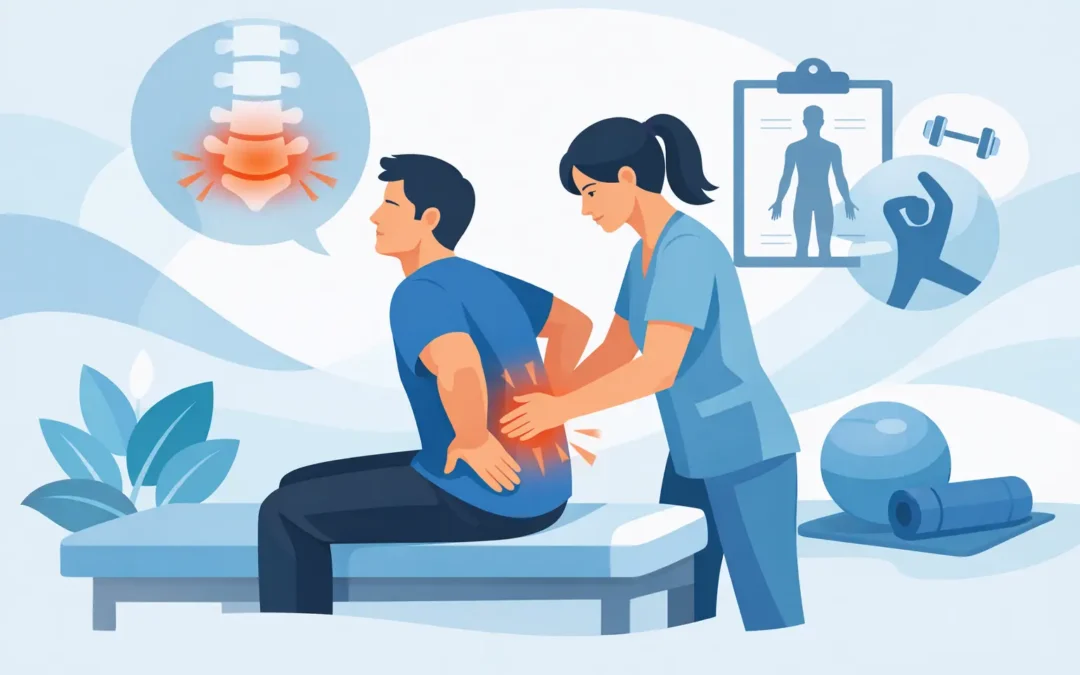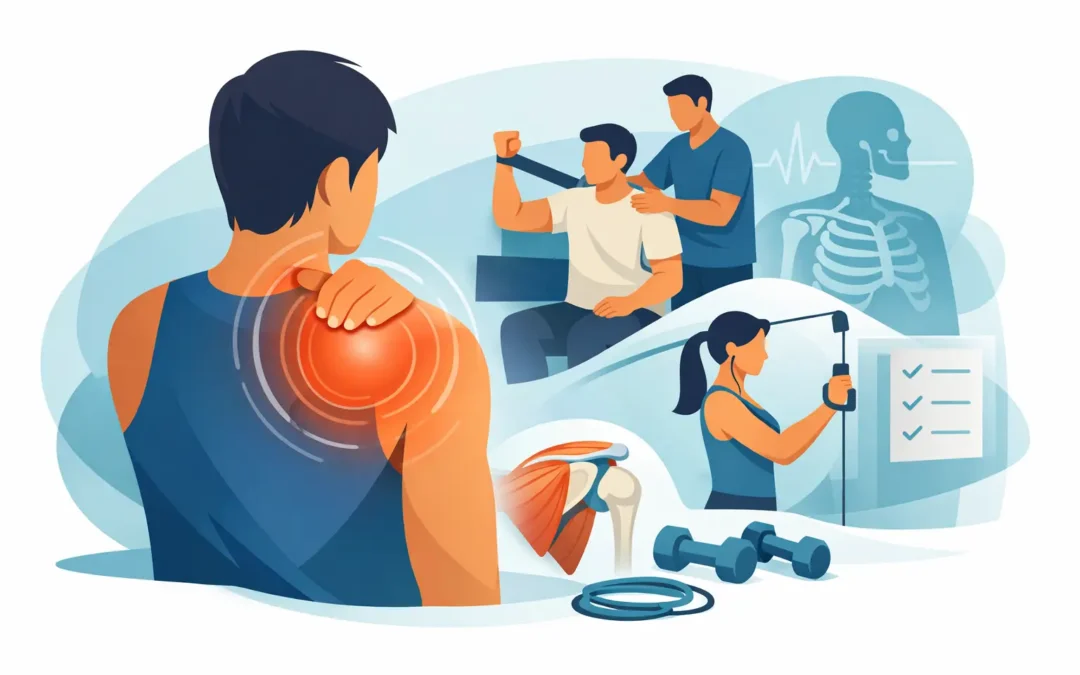
A rolled ankle in five-a-side, a stubborn shoulder from swimming, a hamstring that keeps tightening halfway through a run – sports injuries rarely arrive at a convenient time. Physiotherapy for sports injuries is not simply about calming pain down for a few days. Done properly, it is a structured process that identifies why the problem happened, restores function, and helps you return to training or competition with more confidence than before.
For many active adults, the most frustrating part of injury is not just the pain. It is the uncertainty. Should you rest completely? Is it safe to train around it? Why has the same problem come back again? Good physiotherapy answers those questions with assessment, reasoning and a plan that fits your sport, your schedule and your goals.
What physiotherapy for sports injuries actually involves
Sports physiotherapy is often misunderstood as massage, stretching or a sheet of generic exercises. In reality, effective rehabilitation is far more precise. The first task is to understand the diagnosis, the irritability of the injury, and the demands you want to return to.
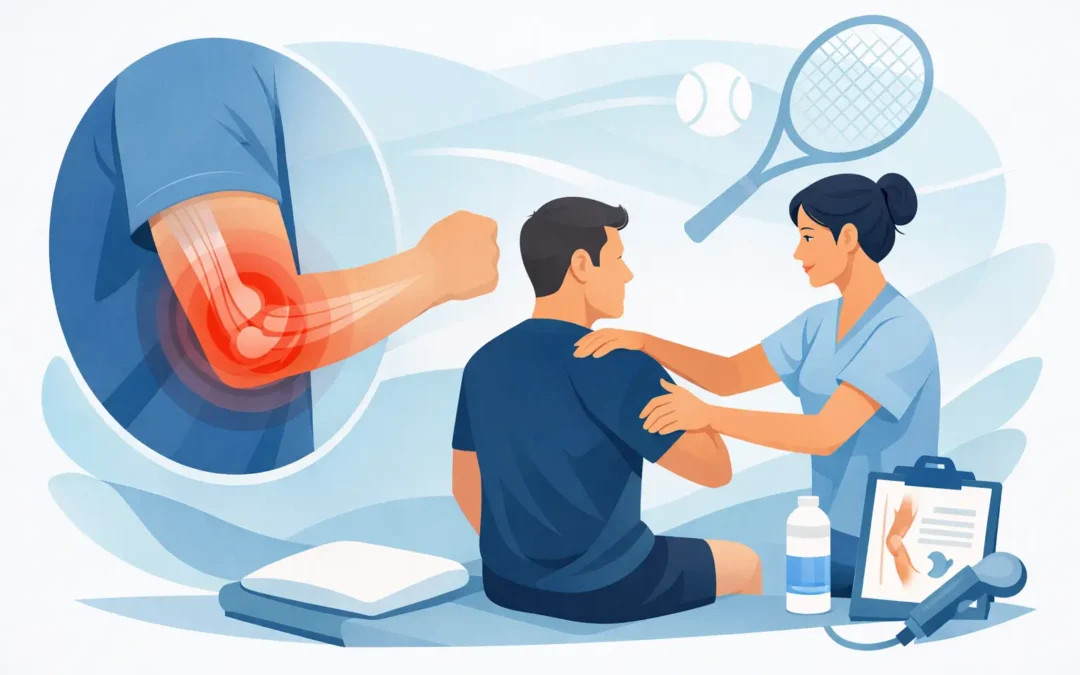
That means looking at more than the painful area. A sore knee may involve hip control, calf capacity or training load errors. An achilles problem may relate to running volume, footwear changes, recovery habits or reduced ankle strength. A shoulder issue in tennis or gym training may be influenced by thoracic movement, technique or poor tolerance to repeated loading.
This is where thorough one-to-one assessment matters. Rather than chasing symptoms, a physiotherapist should build a clear picture of what tissues are involved, what movements provoke symptoms, what strength or mobility deficits exist, and what practical barriers might slow recovery. That is the difference between short-term relief and meaningful rehabilitation.
Why sports injuries happen – and why that matters
It is tempting to blame one event. Sometimes that is fair, such as landing awkwardly and spraining an ankle. But many sports injuries develop because tissue capacity and training demand stop matching up.
A sudden increase in mileage, a return to football after months away, poor sleep during a busy work period, or trying to train through early warning signs can all contribute. None of this means you have done something wrong. It means the body has limits, and those limits shift with stress, recovery, age, training history and previous injury.
Understanding that helps shape treatment. If the issue is overload, complete rest may settle symptoms briefly but can leave the tissue less prepared when you restart. If the injury involves reduced strength, poor landing mechanics or low tendon capacity, those factors need to be addressed directly. Physiotherapy works best when it matches the real driver of the problem, not just the site of pain.
Common injuries that benefit from sports physiotherapy
Physiotherapy for sports injuries is relevant across a wide range of conditions. Muscle strains, ligament sprains, tendinopathy, joint pain and post-operative rehabilitation all fall within its scope.
In practice, some of the most common issues include ankle sprains, ACL rehabilitation, runner’s knee, achilles pain, hamstring strains, calf strains, tennis elbow, rotator cuff related shoulder pain and lower back pain linked to lifting or rotational sports. Not all of these recover at the same pace, and not all need the same treatment style.
That is why blanket advice can be unhelpful. A runner with patellofemoral pain may need load modification and progressive strength work. A basketball player after ankle sprain may need balance, hopping and change-of-direction retraining. A post-surgical athlete may need a carefully staged programme with objective milestones before return to sport is considered.
What a good rehab plan should look like
A strong rehabilitation plan is specific, progressive and measurable. It should make sense to you from the start.
Early stage – settle symptoms without losing function
The first priority is often to calm pain and irritation enough for normal movement to improve. That may involve temporary training changes, targeted exercises, manual therapy where appropriate, and clear advice about what is safe. The aim is not to stop all activity unless genuinely necessary. In many cases, keeping some level of movement is useful for both recovery and confidence.
Middle stage – rebuild strength, control and tolerance
Once symptoms are more settled, rehabilitation needs to become more active. This stage often focuses on restoring range of movement, strength, tendon or muscle capacity, balance, coordination and movement quality.
This is where many people stop too early because they feel better in day-to-day life. But feeling better is not the same as being ready for repeated sprints, jumping, cutting, tackling or heavy gym work. Tissue capacity has to be rebuilt, not assumed.
Late stage – prepare for real sport demands
The final phase should resemble the sport you want to return to. That may include acceleration and deceleration work, plyometrics, agility drills, repeated efforts, landing mechanics, or gym-based loading. For some people, especially recreational athletes juggling work and family commitments, this phase is often missed. Yet it is one of the most important for reducing re-injury risk.
At PhysioX, this kind of staged progression matters because it respects both the science of tissue healing and the reality of performance demands. Recovery is not complete when pain fades. It is complete when your body can cope with what you ask of it.
The role of hands-on treatment
Hands-on treatment can be helpful, but it should not be the whole plan. Soft tissue work, joint mobilisation or dry needling may reduce pain, improve movement or create a useful window for exercise. That can be valuable, especially when symptoms are limiting progress.
The trade-off is that passive treatment alone rarely creates lasting change. If a tendon is underprepared for load, or a knee lacks strength and control, symptom relief without progression will only take you so far. Ethical physiotherapy uses hands-on techniques when they support recovery, not as a substitute for rehabilitation.
How return to sport decisions should be made
One of the biggest mistakes after injury is returning based on time alone. Six weeks after an injury does not automatically mean six weeks ready. The better question is whether the body has demonstrated the movement quality, strength and tolerance required for your sport.
That decision should consider more than pain. Can you hop, cut, sprint, lift or rotate without compensation? Is strength symmetrical enough where relevant? Can you tolerate training volume across the week rather than just a single good session? Do you trust the injured area again?
Confidence matters. Even when tissues have healed well, fear of re-injury can change movement and affect performance. Good physiotherapy supports both the physical and psychological side of return to sport.
When to seek physiotherapy for sports injuries
You do not need to wait until pain becomes severe. Early assessment is often useful if pain is worsening, movement is restricted, swelling is significant, training keeps aggravating the issue, or the same injury has returned more than once.
It is also worth seeking help if you are unsure what level of activity is safe. Many people in Singapore try to self-manage through online advice, complete rest or random exercises from friends at the gym. Sometimes that works, but often it delays proper recovery because the guidance is too general for the actual problem.
A detailed assessment gives you direction. Even if the injury is relatively minor, knowing what to do over the next two to four weeks can prevent a short-term issue becoming a longer interruption.
What patients should expect from quality care
You should expect more than a quick diagnosis and a few generic drills. Quality sports physiotherapy should be tailored, transparent and goal-driven. That means understanding your sport, your baseline, your time constraints and what success looks like to you.
For one person, success is returning to weekend tennis without pain. For another, it is rebuilding after surgery for a competitive season. For a parent trying to stay active around work demands, it may simply mean getting back to running and gym training without flare-ups. The plan should reflect that reality.
You should also expect education. When patients understand what is happening, why exercises have been chosen and how load should be progressed, they tend to make better decisions between sessions. That independence is part of good care, not an optional extra.
Sports injuries can feel disruptive, but they also offer a chance to rebuild in a smarter way. With careful assessment, honest guidance and rehabilitation that matches the demands of your sport, recovery becomes more than symptom relief – it becomes preparation for a stronger return.