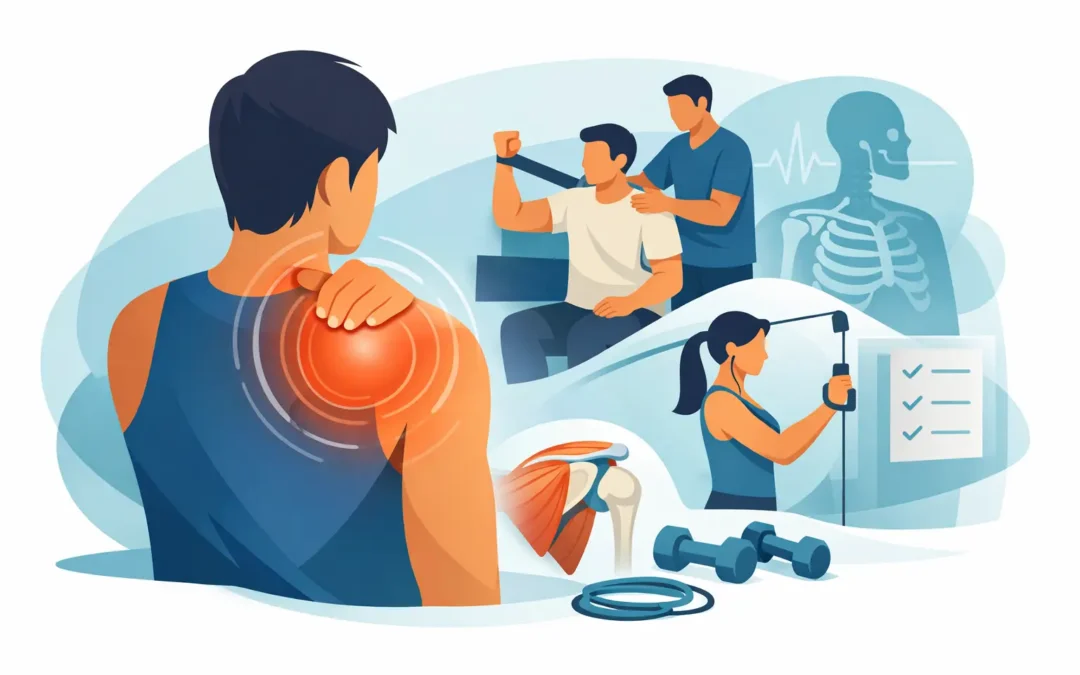

The hardest part of getting back to sport is rarely the first pain-free squat or jog. It is the moment you ask your body to cut, land, sprint or change direction at speed – and trust that it will cope. That is where return to sport rehabilitation matters. It is not simply about feeling better. It is about proving, step by step, that you are ready for the demands of your sport.
Too often, people are told they can return once pain settles or once a fixed number of weeks has passed. That approach is convenient, but it is not precise. Research in sports medicine has repeatedly shown that time alone is a poor measure of readiness. A knee six months after surgery, for example, is not automatically a knee ready for football, tennis or netball. Tissue healing matters, but so do strength, coordination, confidence, conditioning and sport-specific tolerance.
What return to sport rehabilitation actually means
Return to sport rehabilitation is the structured process of taking someone from injury or surgery back to meaningful sporting participation. That may mean jogging again after an ankle sprain, returning to gym training after shoulder surgery, or competing after an ACL reconstruction. The destination differs from person to person, which is why generic plans often fall short.
Clinically, we usually think about return in stages. First comes return to participation, where the person resumes some training in a modified way. Then comes return to sport, where they can take part in their sport, although not always at their previous level. Finally, return to performance means regaining prior capacity and, in some cases, exceeding it. That framework, reflected in sports medicine literature including work published in the British Journal of Sports Medicine, reminds us that simply being back on the pitch is not the same as truly being ready.
Why pain-free does not mean ready
Pain is only one part of the picture. Some people have very little pain but still lack force production, landing control or endurance. Others feel strong enough in straight-line movements but struggle when the task becomes reactive and unpredictable. That gap is where reinjury often happens.
After lower-limb injuries in particular, deficits can persist long after symptoms settle. Studies in the Journal of Orthopaedic & Sports Physical Therapy and related sports rehabilitation literature have shown that strength asymmetries, altered movement mechanics and reduced confidence can remain present if they are not tested and trained properly. This is one reason why rushed discharge from rehab can be misleading. Daily activities may be fine, but sport places a very different demand on the body.
There is also the psychological side. Fear of reinjury is not weakness, and it is not separate from physical recovery. It can change how someone moves, how much force they generate and whether they commit fully to training. Good rehabilitation treats confidence as a clinical target, not an afterthought.
What a high-quality return to sport rehabilitation plan should include
A good programme begins with a detailed assessment, not a standard sheet of exercises. The clinician needs to understand the injury, the current physical capacity, the athlete’s sport, training history, previous injuries and specific goals. A recreational runner in Singapore preparing for a 10 km event does not need the same progression as a basketball player returning to repeated jumps and contact.
From there, rehabilitation should build through clear phases. Early on, the priorities may be pain control, restoring range of movement, reducing swelling and reintroducing basic loading. But that is only the foundation. As recovery progresses, the programme should become more demanding and more specific.
Strength work is central. For many injuries, particularly involving the knee, hip, calf and shoulder, strength deficits are strongly linked to ongoing limitation. That does not mean doing endless isolated exercises forever. It means progressively loading the right tissues in the right way, then translating that strength into useful movement.
Neuromuscular control also matters. Balance, timing, trunk control, deceleration and landing mechanics all influence how force is absorbed and transferred. In practice, this may involve single-leg tasks, plyometrics, change-of-direction drills and reaction-based exercises. The exact mix depends on the sport and the person in front of you.
Conditioning should not be forgotten. Many people lose more fitness during injury than they realise. If someone returns with improved strength but poor game fitness, fatigue can expose movement faults late in training or competition. A proper return to sport rehabilitation programme therefore prepares the body not only for isolated movements, but for repeated effort under fatigue.
Testing matters more than guesswork
The decision to return should be informed by objective criteria wherever possible. This may include strength testing, hop testing, repeated calf raise capacity, movement analysis, range of motion, training tolerance and symptom response over time. For post-operative cases, this often sits alongside tissue-healing milestones and surgeon guidance.
No single test can clear someone on its own. Limb symmetry is useful, for instance, but it can be misleading if both sides have become deconditioned. Equally, good hop distance does not automatically mean good landing quality. The best decisions combine numbers with movement observation, training exposure and honest discussion about confidence and readiness.
This is where evidence-based care is particularly important. Current clinical thinking increasingly supports criterion-based progression rather than calendar-based progression. In simple terms, you move forward because you have demonstrated readiness, not because the calendar says you should.
Return to sport rehabilitation after common injuries
The principles stay consistent, but the details change with the injury.
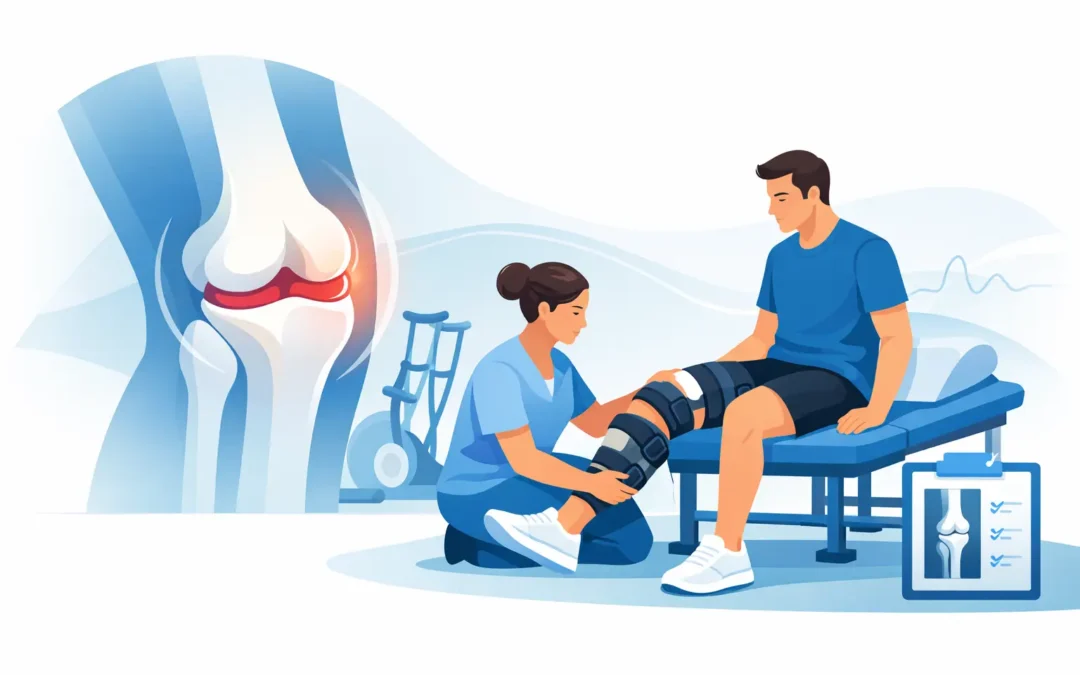
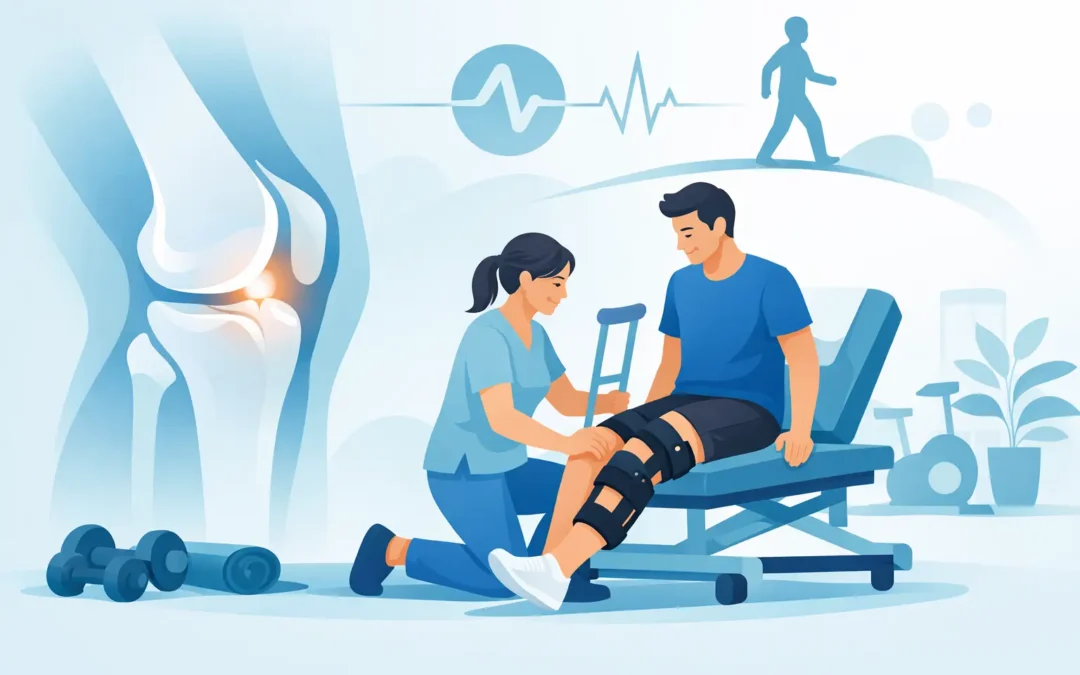
After an ACL reconstruction, rehabilitation often needs to address quadriceps strength, running reintroduction, deceleration control, plyometric capacity and sport-specific tasks over many months. Research in sports medicine has shown that returning too early, or without sufficient strength and functional preparation, increases reinjury risk.
After an ankle sprain, people commonly regain day-to-day function quickly, then assume they are done. Yet recurrent sprains are common, especially when balance, calf strength, landing control and directional change have not been restored.
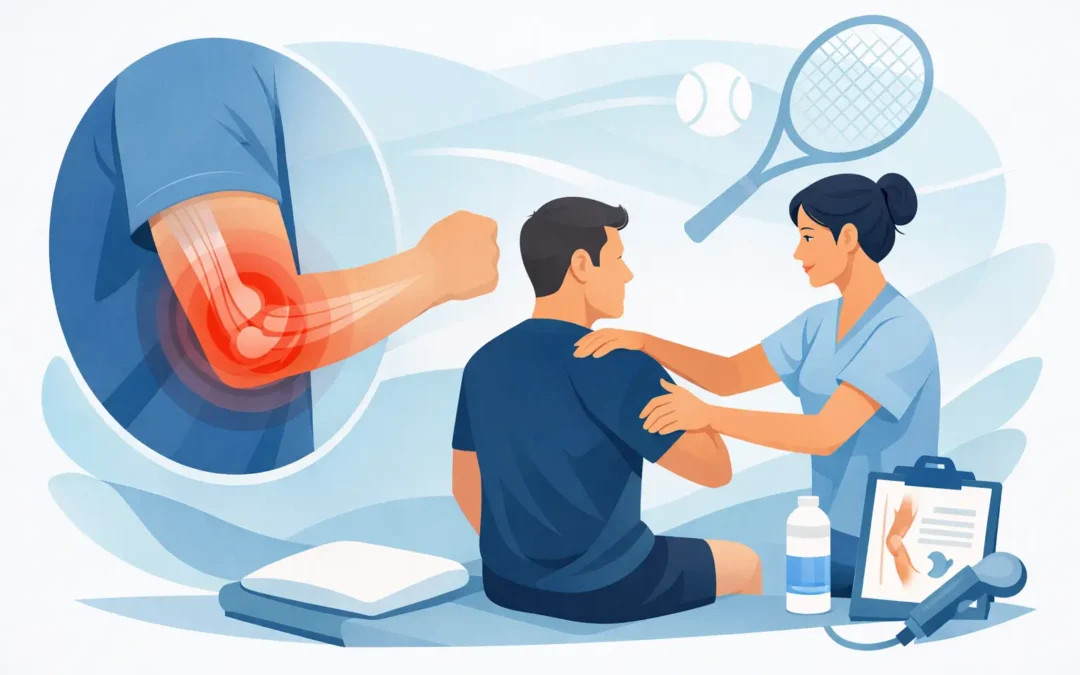
With shoulder injuries, return is shaped heavily by the sport. A person returning to swimming, tennis or CrossFit will need a different pathway from someone aiming to get back to casual gym sessions. Load tolerance through range, scapular control and gradual exposure to overhead work are usually key.
Muscle injuries such as hamstring or calf strains also require more than symptom settling. Speed exposure, repeated effort and tissue loading are critical. If sprinting is part of the sport, sprinting must be part of rehabilitation.
The role of individualisation
This is where ethical physiotherapy stands apart from volume-based care. Two people can have the same diagnosis and need very different rehab. Their age, training background, work demands, recovery history and goals all shape the plan.
A recreational athlete may value confidence and consistency more than peak performance metrics. A competitive player may need objective testing that reflects the intensity of match play. A parent trying to get back to exercise may also be managing poor sleep, work stress and limited training time. All of that affects recovery and all of it should be considered.
At PhysioX, that individualisation is not treated as a luxury. It is part of doing the job properly. Good rehab is specific, measurable and adjusted as the person responds.
Why setbacks do not always mean failure
Recovery is rarely linear. A sore knee after increasing running volume, or stiffness after reintroducing jumping, does not automatically mean damage. It may simply mean the load was slightly ahead of current capacity. The answer is not always to stop. Often, it is to adjust, monitor and rebuild more accurately.
This is another reason education matters. When patients understand the difference between expected training response and warning signs of overload, they are less likely to panic or swing between doing too much and too little. That confidence supports better long-term outcomes.
Return to sport is also return to life
For many people, sport is not just exercise. It is routine, stress relief, identity, community and joy. Missing it can affect mood, motivation and confidence more than outsiders realise. Rehabilitation should respect that.
Done well, return to sport rehabilitation is not about rushing you back or wrapping you in caution. It is about restoring the physical qualities your sport demands, reducing avoidable risk and helping you trust your body again. If your rehab has only focused on pain relief, you may have recovered enough for daily life – but not yet enough for sport.
The real goal is not simply to return. It is to return with clarity, capacity and confidence, so the next chapter is stronger than the one interrupted by injury.