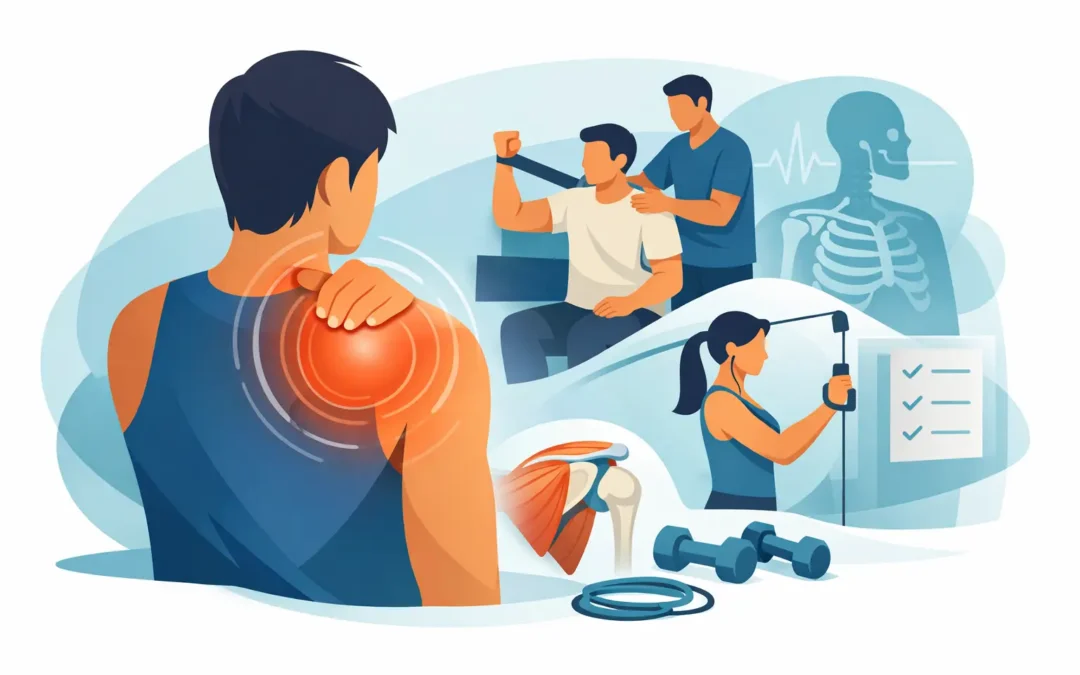
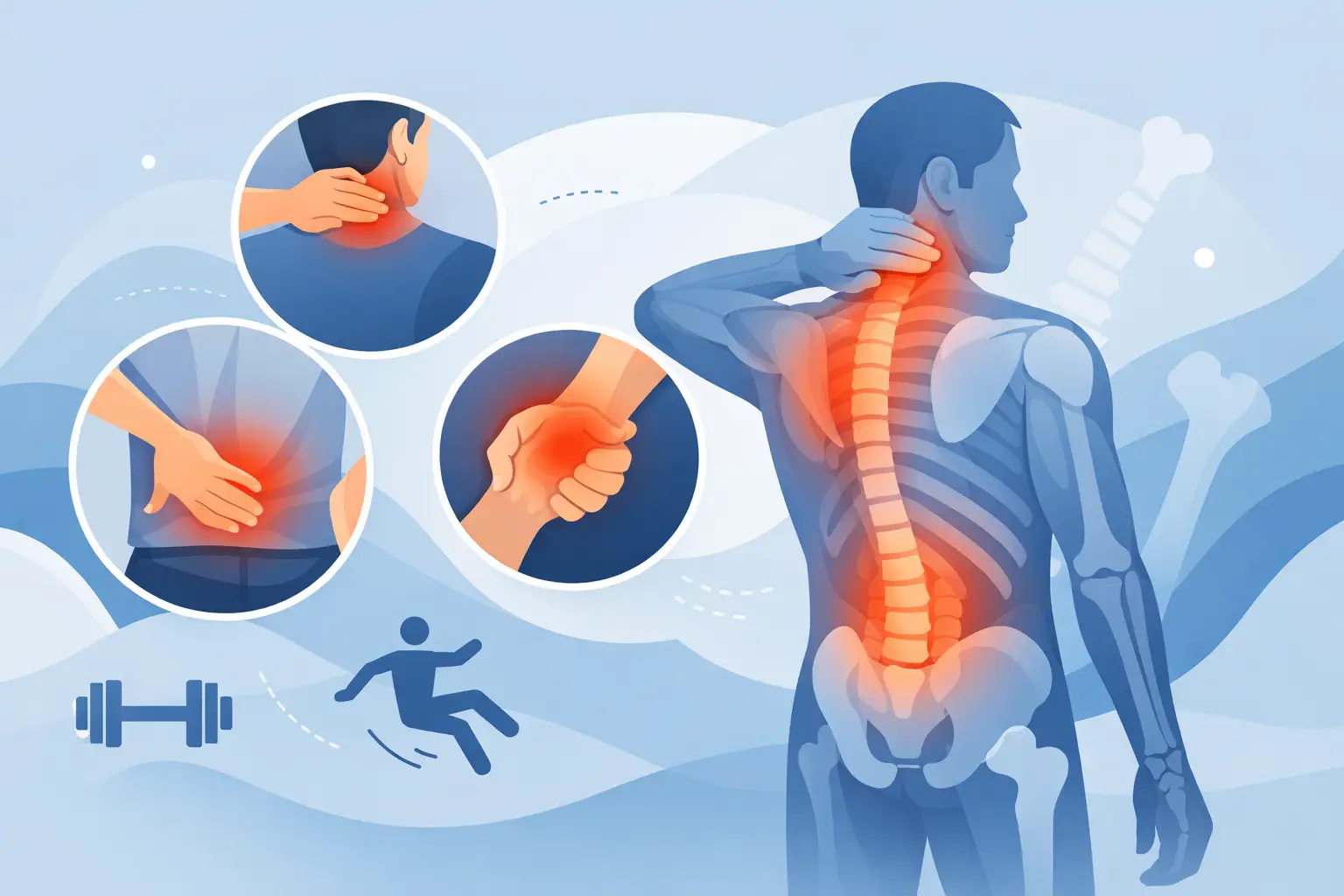
A sore shoulder after tennis, a stiff back after a long week at your desk, a swollen ankle after missing a step – many people wonder whether these are just temporary aches or whether they count as a real injury. If you have asked what is considered a musculoskeletal injury, the short answer is this: it is any injury or disorder affecting the muscles, bones, joints, tendons, ligaments, cartilage, discs or other soft tissues that help your body move and stay stable.
That definition sounds broad because it is broad. Musculoskeletal injuries range from a minor muscle strain that settles quickly to a complex tendon tear or post-operative condition that needs structured rehabilitation. What matters is not only where the pain is, but how the tissue has been affected, what caused it, and whether it is changing the way you move, work, exercise or sleep.
What is considered a musculoskeletal injury in practice?
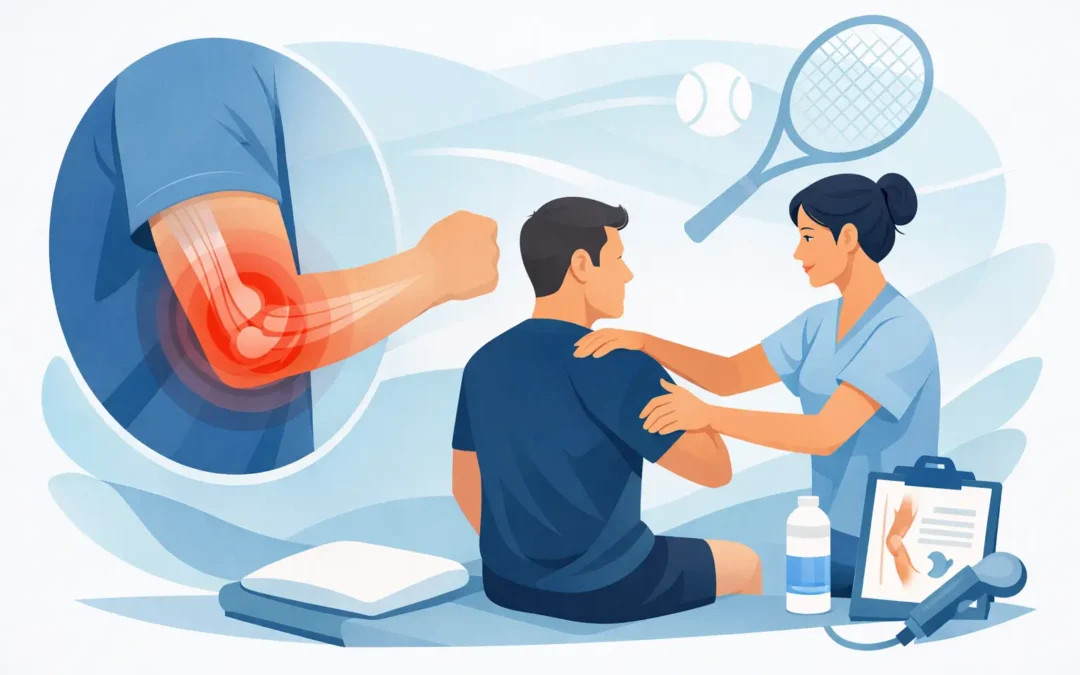
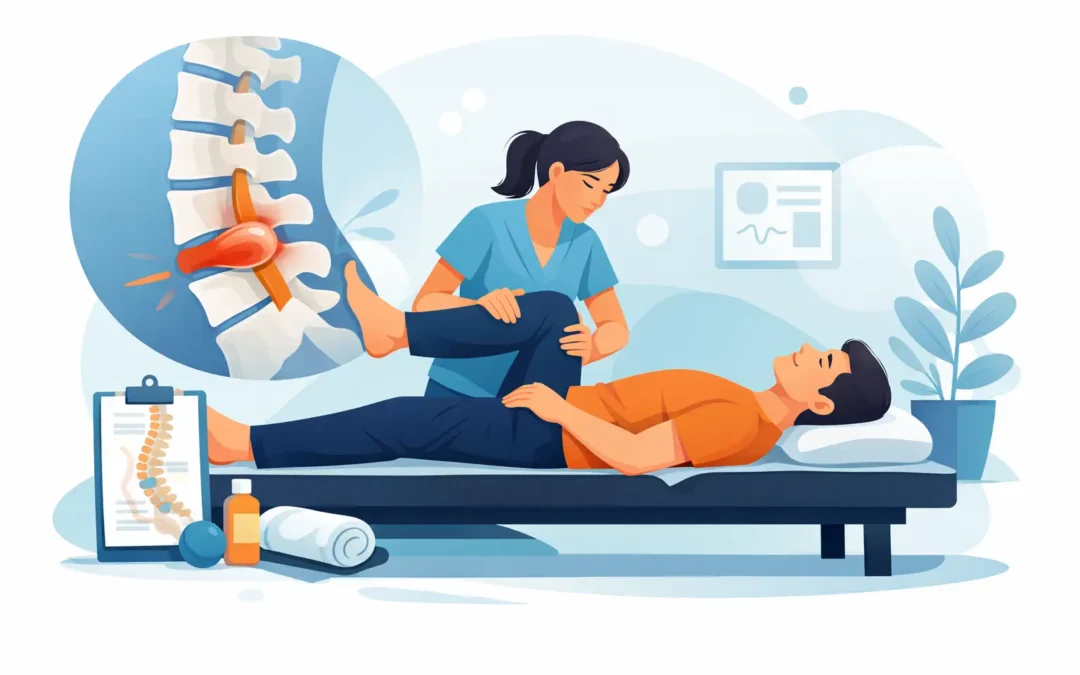
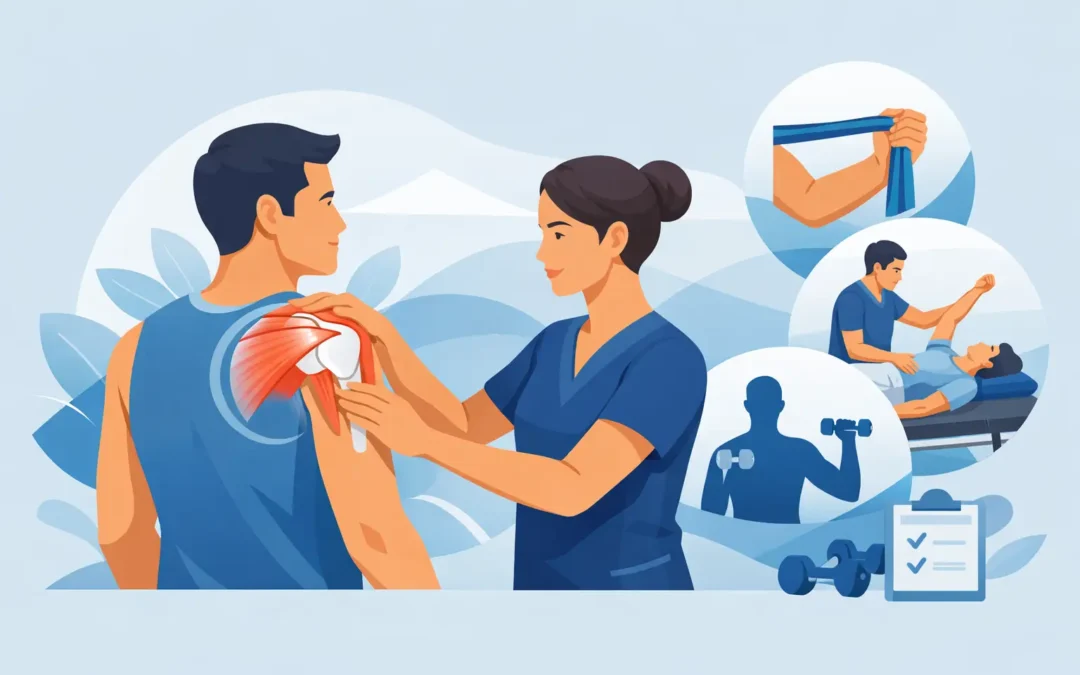
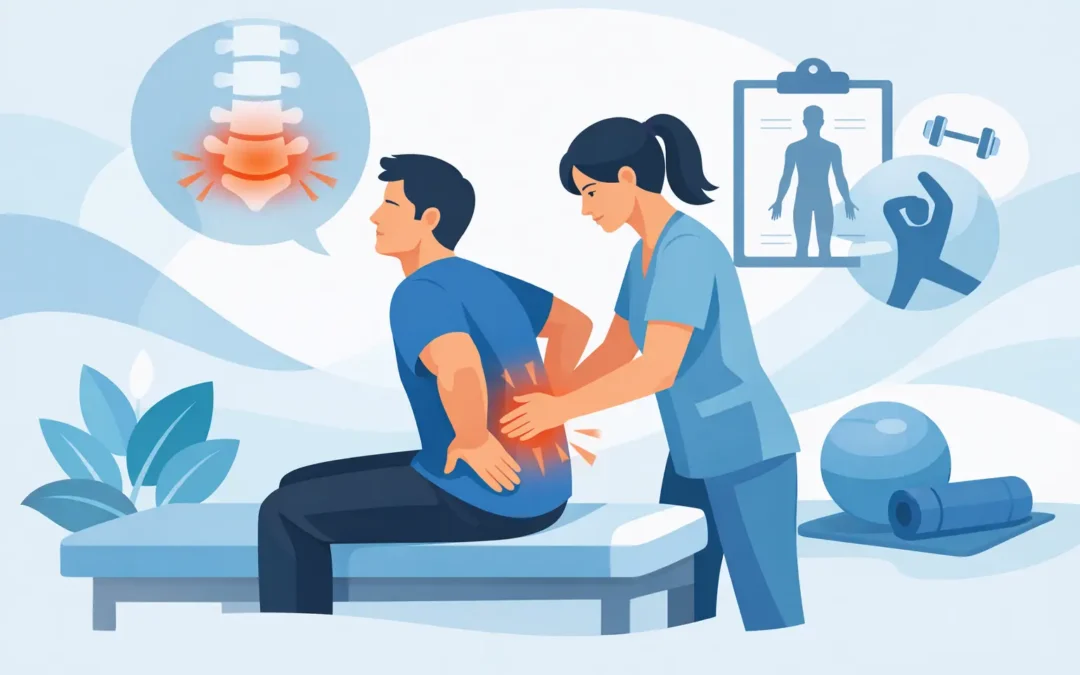
In clinical practice, a musculoskeletal injury includes problems involving the body’s movement system. That covers the spine, upper limb and lower limb. Neck pain from irritated joints, rotator cuff tendinopathy in the shoulder, tennis elbow, low back pain, hip impingement, knee ligament sprains, Achilles tendinopathy and ankle sprains all sit within the musculoskeletal category.
It also includes both sudden injuries and problems that build gradually over time. A torn calf during a sprint is clearly an injury, but so is shoulder pain that develops over months from repeated lifting, poor load management or altered mechanics. Many people assume an injury must involve one dramatic event. In reality, repetitive strain and overload are common causes of musculoskeletal pain.
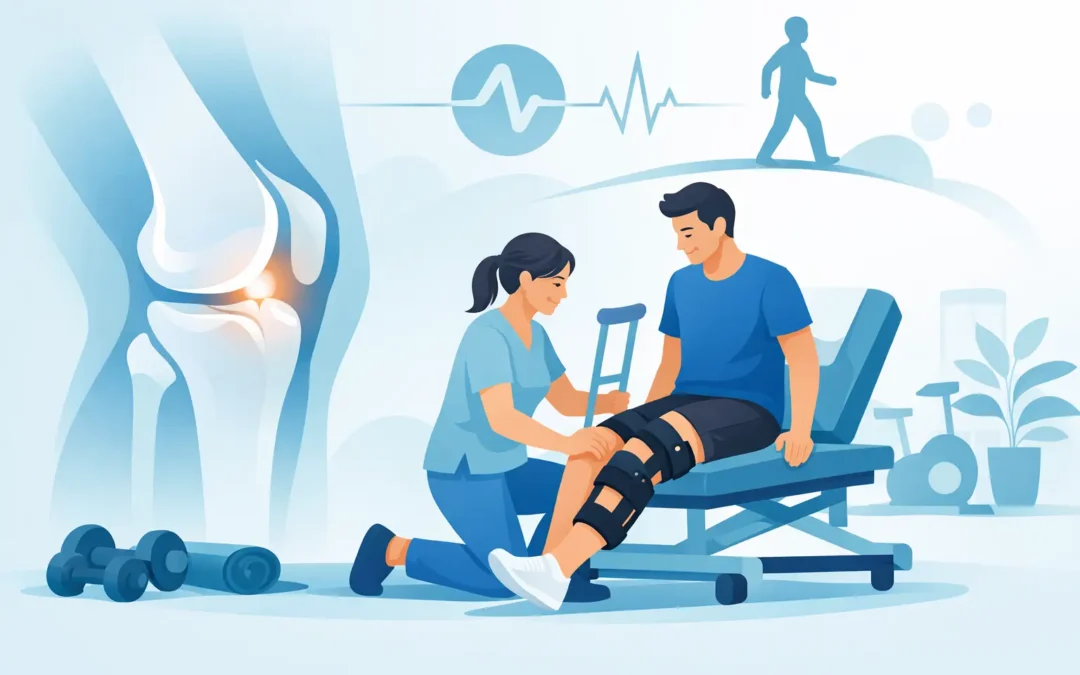
The term can also apply after surgery. If you have had an ACL reconstruction, rotator cuff repair, fracture fixation or tendon surgery, the tissues involved are part of the musculoskeletal system. Your rehabilitation is therefore musculoskeletal rehabilitation, even though the original event may have happened weeks or months earlier.
Which body parts are affected?
Musculoskeletal injuries can affect nearly any region involved in movement and force transfer. Muscles generate movement. Tendons connect muscle to bone. Ligaments support joints. Cartilage helps joints glide smoothly. Bones provide structure, and the spine’s discs help absorb load and allow motion.
When any of these tissues are irritated, overloaded, torn, inflamed or degenerative, symptoms can follow. That may include pain, swelling, stiffness, weakness, reduced range of motion, instability, pins and needles or difficulty tolerating walking, running, lifting or sitting.
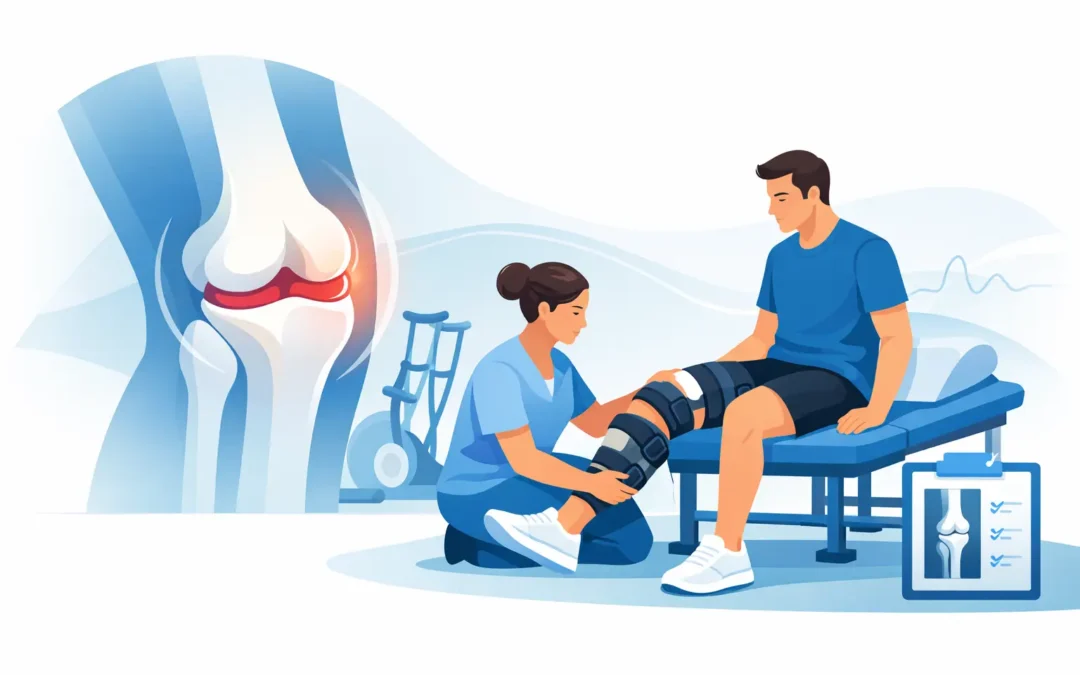
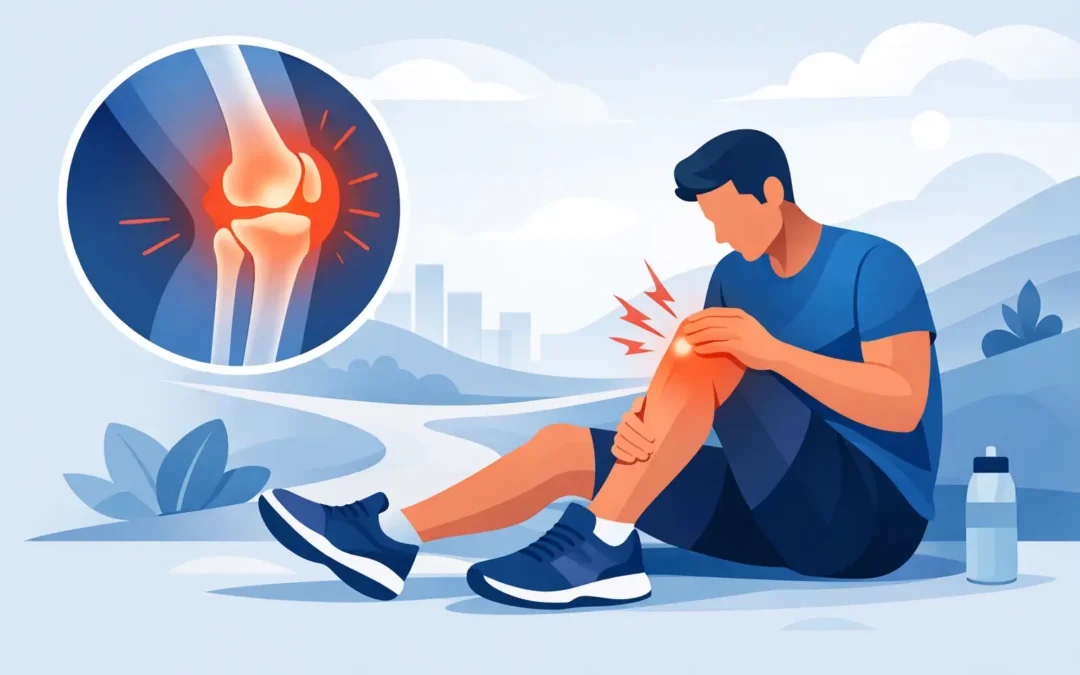
This is one reason assessment matters. Two people can both report knee pain, but one may have a patellar tendon issue, another may have an irritated fat pad, and another may be dealing with pain referred from the hip or lower back. The location of pain is only one part of the picture.
Common examples of musculoskeletal injuries
Some of the most familiar examples are sprains and strains. A sprain affects a ligament, while a strain affects a muscle or tendon. These injuries often happen during sport, gym training, slips, trips or sudden changes in direction.
Tendon injuries are also common. These may be called tendinopathy, tendon irritation or tendon tears, depending on the stage and severity. They often affect the shoulder, elbow, hip, knee and ankle. Unlike an acute strain, tendon problems may start subtly, then become more limiting if loading is not managed well.
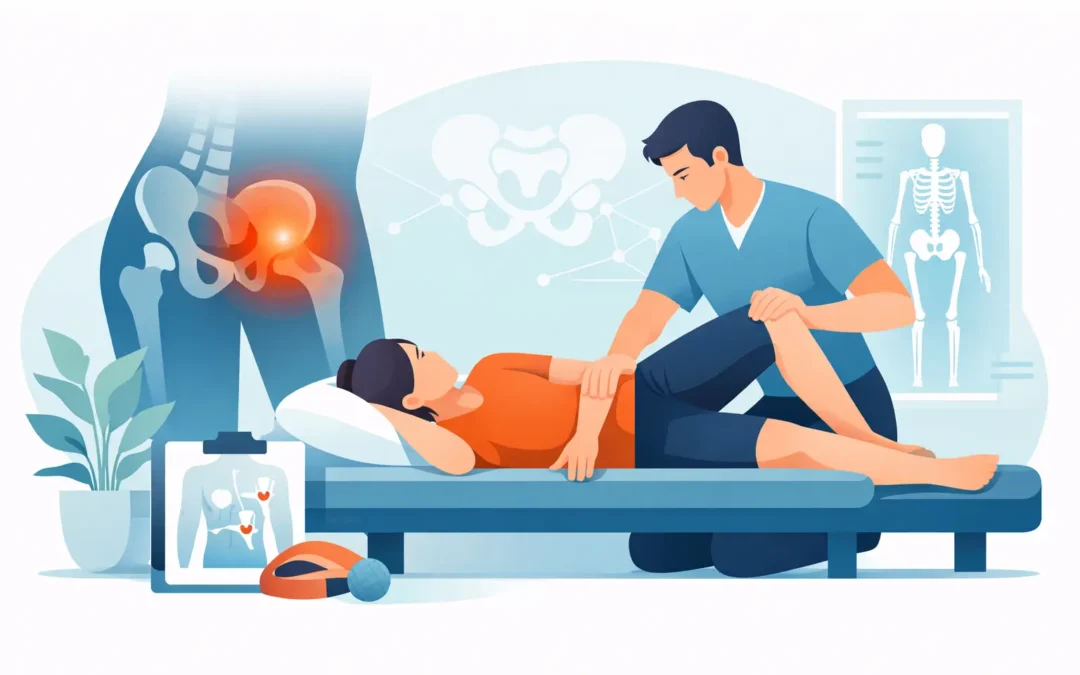
Joint-related injuries are another major group. These include meniscal injuries in the knee, labral problems in the hip or shoulder, facet joint irritation in the spine and joint stiffness following immobilisation or surgery. Fractures are musculoskeletal too, even though people often separate them mentally from soft tissue injuries.
There are also overuse conditions linked to repetitive work, sport or daily habits. These may include shin pain in runners, neck and upper back pain in office workers, wrist and thumb irritation in parents carrying young children, or shoulder pain in people repeatedly lifting overhead.
Acute injuries versus persistent problems
One useful way to understand what is considered a musculoskeletal injury is to distinguish between acute and persistent presentations.
An acute injury usually follows a clear event. You twist your ankle, feel a sharp pull in your hamstring, or land awkwardly and swell up within hours. In those cases, there is often tissue damage or irritation that can be linked to a specific moment.
Persistent musculoskeletal problems are less straightforward. Pain may come and go, build over time, or continue after the tissue has technically healed. This does not mean the pain is not real. It means the condition may now involve deconditioning, altered movement, protective muscle guarding, reduced confidence, poor sleep, stress, or repeated aggravation from daily activities.
That is why a diagnosis alone is rarely enough. Good rehabilitation needs to look at irritability, strength, mobility, load tolerance, movement patterns and the person’s actual goals. The aim is not simply to label the problem, but to understand why it is persisting and what needs to change.
What causes these injuries?
There is no single cause. Sometimes it is obvious, such as a collision in sport or a fall. Sometimes it is a load issue. The body is generally adaptable, but tissues can become irritated when the demand placed on them exceeds their current capacity.
This might happen when training volume increases too quickly, when someone returns to exercise after a long break, when work becomes more physically demanding, or when sleep and recovery are poor. Technique and biomechanics can matter, but they are rarely the whole story. Strength deficits, fatigue, previous injury, fear of movement and unrealistic timelines for returning to full activity can all contribute.
Age can influence tissue capacity, though it should not be viewed in a fatalistic way. Degenerative changes on a scan are common and do not always explain symptoms. Equally, younger active adults can develop significant tendon or joint problems if loading is not well managed. It depends on the tissue, the individual and the demands being placed on the body.
Signs that it may need proper assessment
Not every ache needs formal treatment, but some signs suggest it is worth getting assessed. Pain that lasts beyond a few days, keeps returning, limits sleep, affects your walking or training, or makes you compensate with awkward movement deserves attention.
The same applies if you have swelling, instability, marked weakness, reduced range of motion, or pain after surgery that is not progressing as expected. If symptoms are worsening rather than settling, guessing can be costly. Continuing to train through pain is not always wrong, but doing it without a clear plan can delay recovery.
A thorough physiotherapy assessment should identify the likely tissue involved, the severity of the problem, aggravating factors, helpful modifications and a realistic rehabilitation pathway. At PhysioX, that process is designed to move beyond symptom chasing and towards a clearer understanding of the root issue and your next steps.
Why musculoskeletal injuries are often misunderstood
One common misunderstanding is that pain intensity always reflects damage severity. That is not necessarily true. Some painful injuries are relatively minor, while some more serious tissue injuries may not feel dramatic at first. Another misconception is that complete rest is always best. Early protection can be appropriate, but many musculoskeletal injuries improve best with graded movement and carefully dosed loading.
There is also a tendency to rely too heavily on scans. Imaging can be helpful, especially when ruling out fractures, major tears or surgical issues, but findings do not always match symptoms neatly. Many people have structural changes without pain, and others have significant pain with minimal imaging findings. Clinical reasoning still matters.
What rehabilitation usually involves
Treatment depends on the diagnosis, stage of healing and your goals. In some cases, the priority is calming an irritable tissue and restoring basic movement. In others, it is rebuilding strength, power, balance or sport-specific capacity.
Effective rehabilitation is rarely a one-size-fits-all exercise sheet. It should reflect how you actually use your body. An office worker with neck pain, a runner with Achilles pain and a patient recovering from shoulder surgery all need different strategies, even if they share some general principles.
Rehabilitation may include education, pain management strategies, mobility work, progressive strengthening, balance and control exercises, gym-based reconditioning, return-to-running or return-to-sport planning, and advice on training or work modifications. The goal is not simply less pain this week. It is better function, better confidence and lower risk of the same problem returning.
What is considered a musculoskeletal injury when symptoms seem minor?
Even mild symptoms can fall within the musculoskeletal category if they involve the structures that support movement. The more useful question is not whether the issue is serious enough to deserve the label of injury, but whether it is interfering with normal function or showing signs that it could worsen.
A small calf strain may settle quickly with sensible management. A mild shoulder ache might disappear once training load is adjusted and strength improves. But seemingly minor problems can become persistent if they are ignored, mismanaged or repeatedly aggravated.
Pay attention to patterns. If a pain keeps resurfacing during the same activity, if your mobility is slowly reducing, or if you are changing how you move to avoid discomfort, your body is giving you useful information. Early assessment often means simpler rehabilitation and a faster return to the things that matter to you.
If you are unsure whether your pain counts as a musculoskeletal injury, that uncertainty is reason enough to ask. Clear answers, a careful assessment and a plan built around your goals can make recovery feel far less overwhelming – and much more achievable.