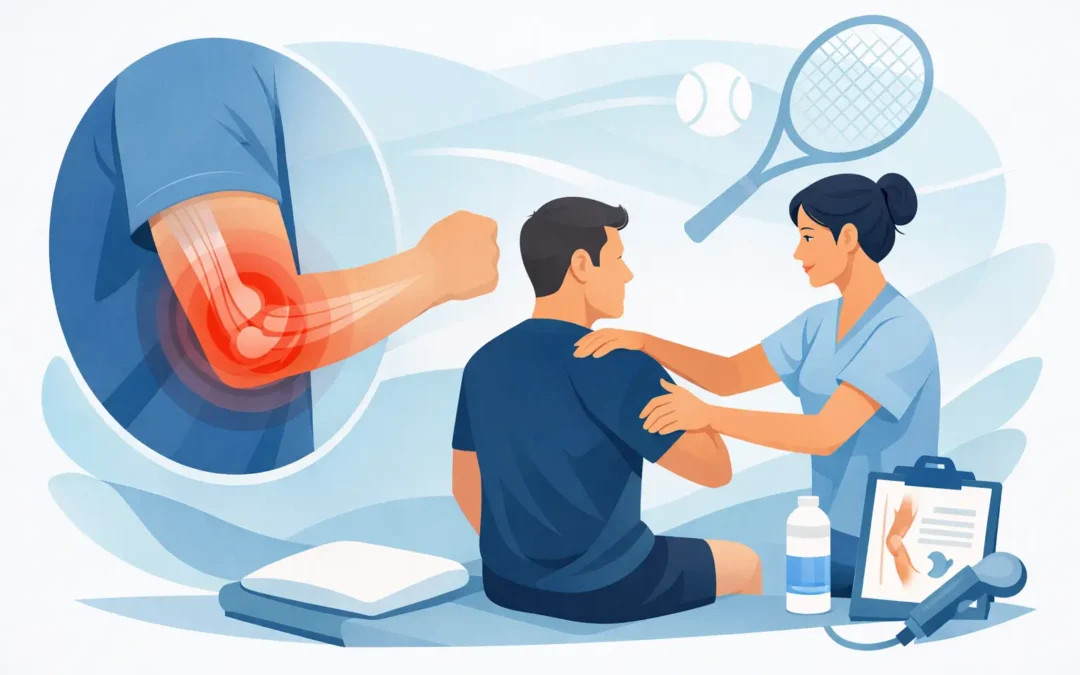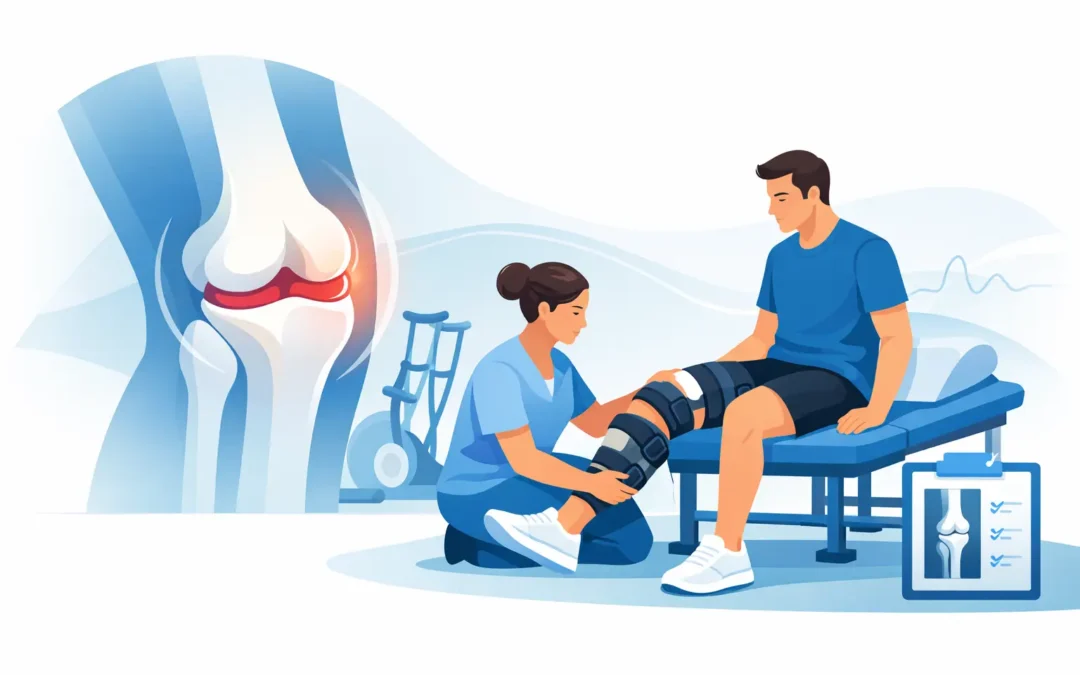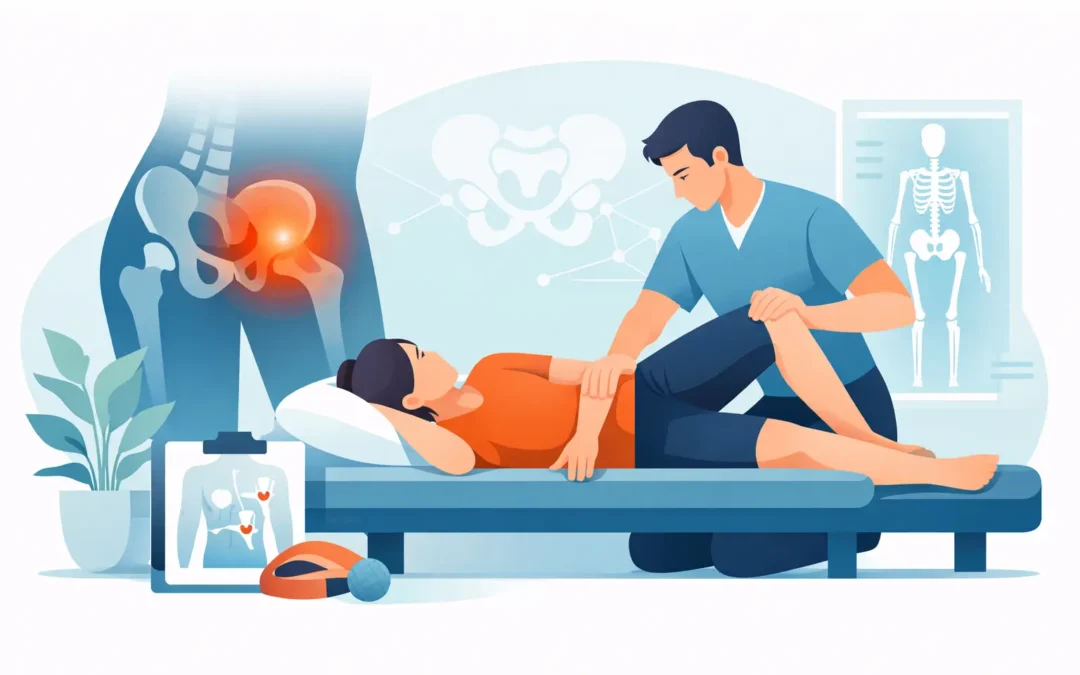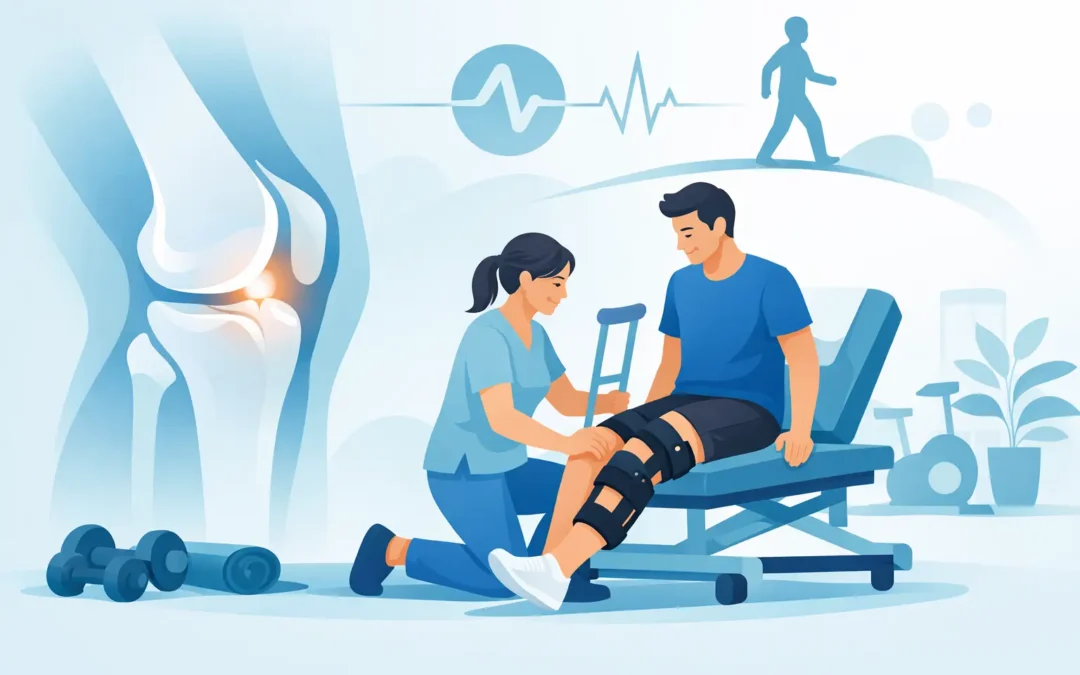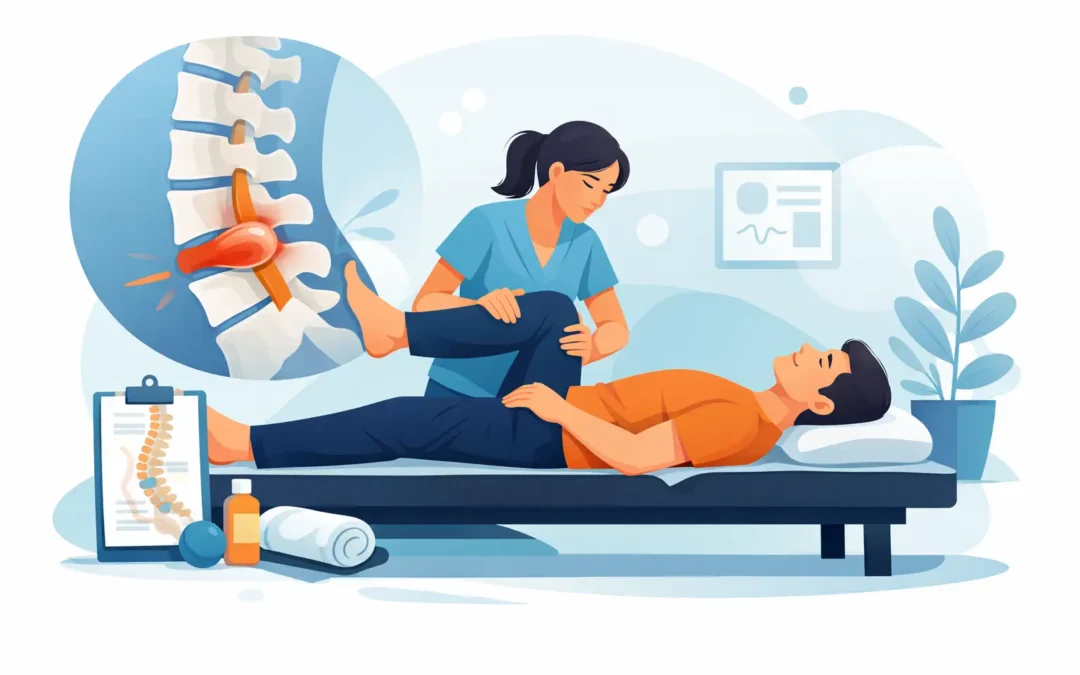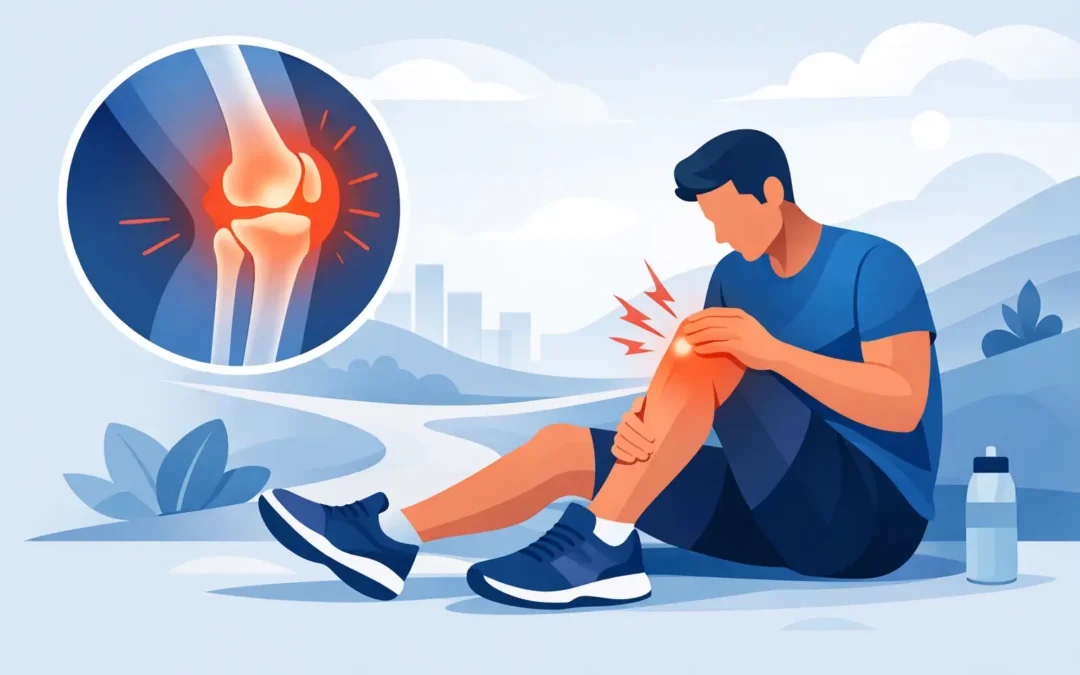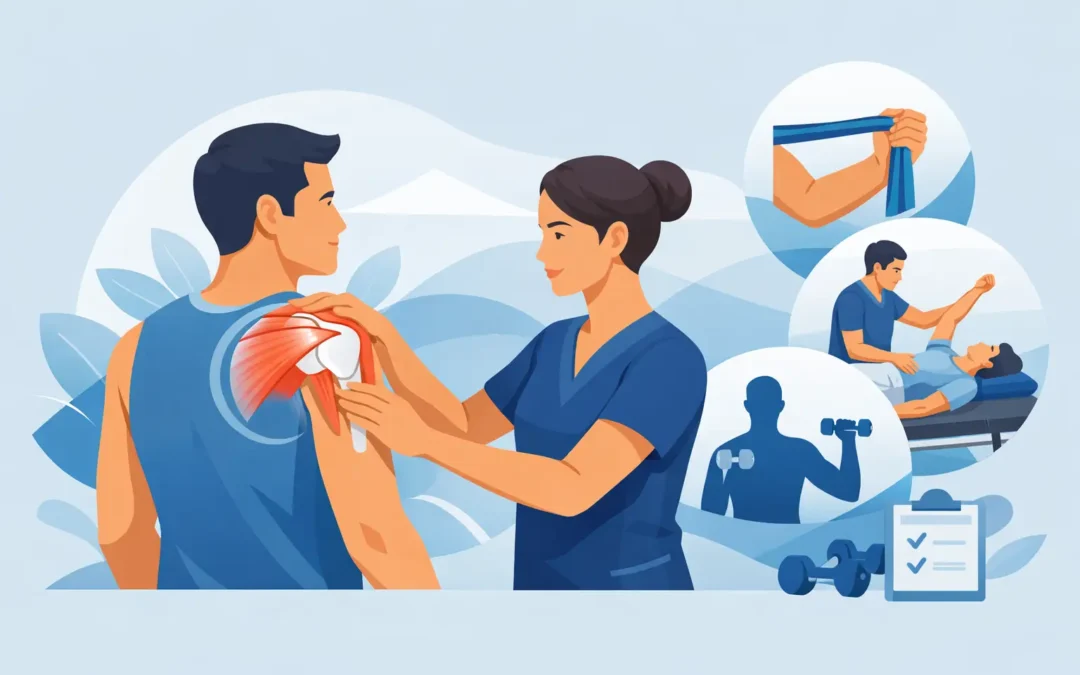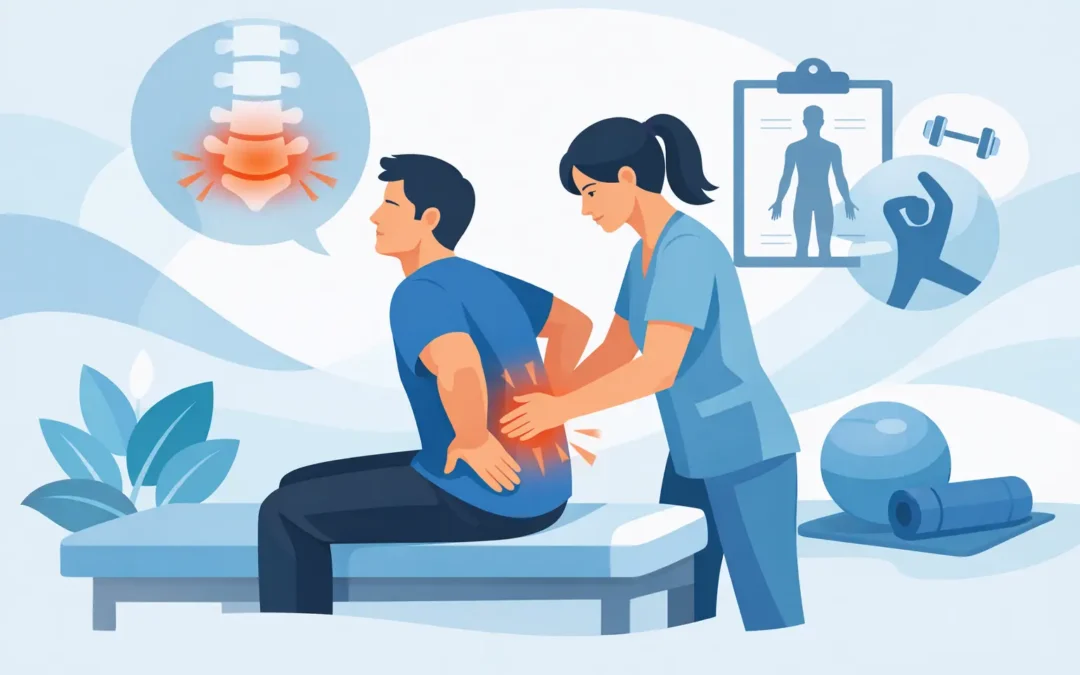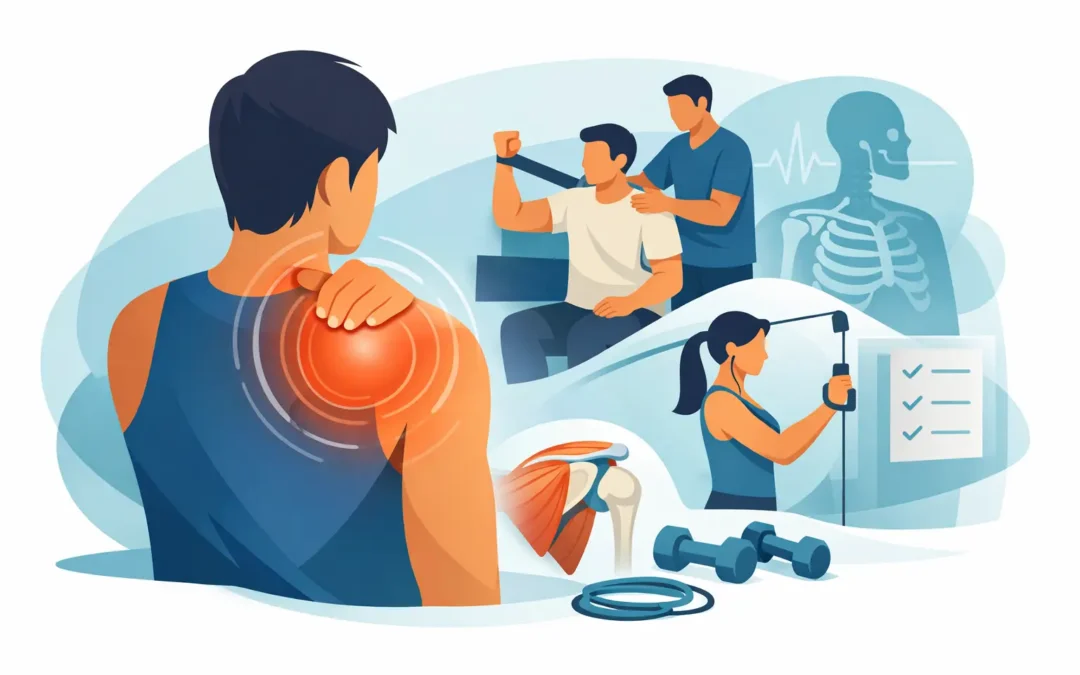
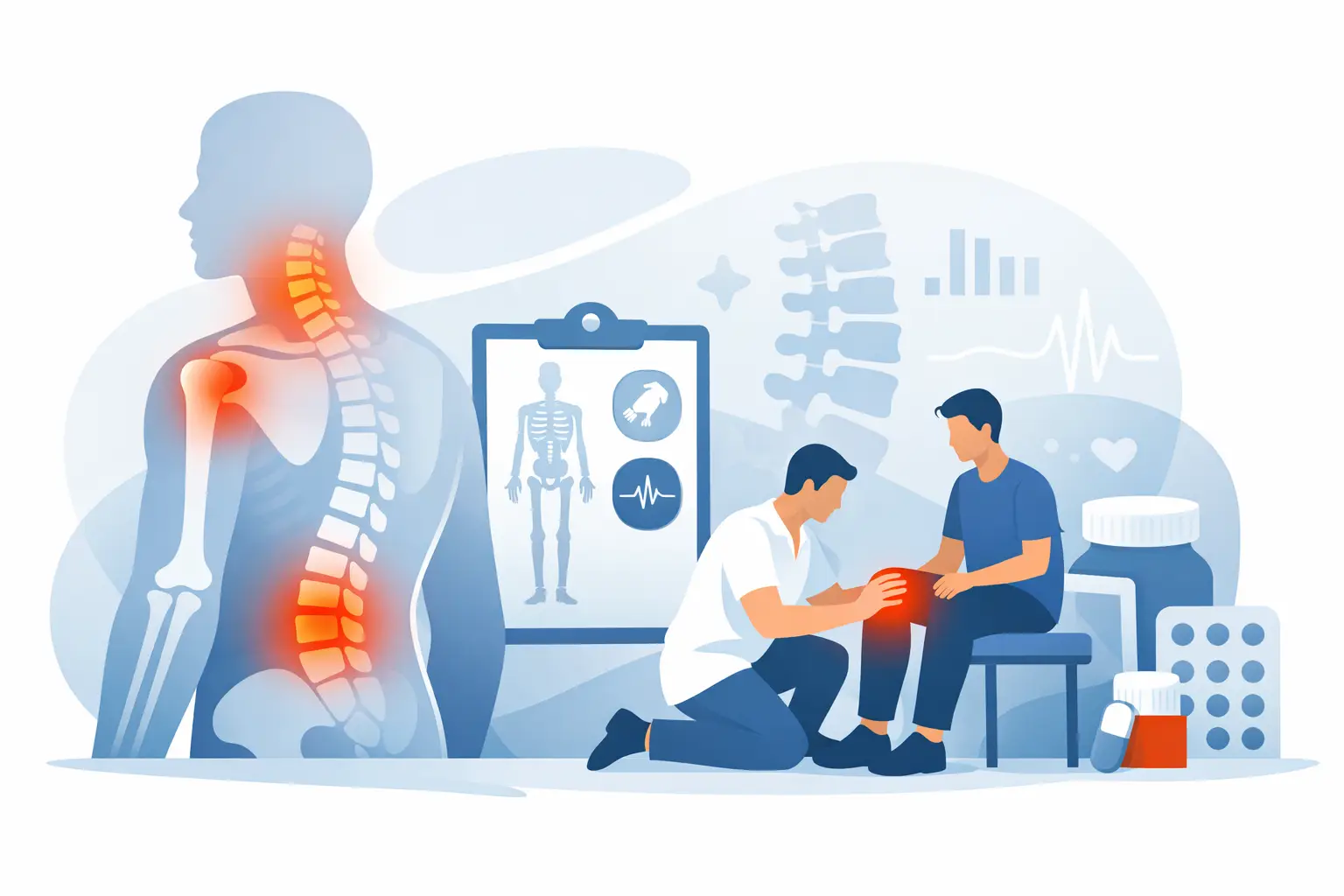
A sore shoulder that lingers for months, back pain that flares after a long day at work, a knee that never quite settles after sport – these are not just annoyances to push through. Musculoskeletal disorders pain management is about understanding why pain is happening, what is driving it, and how to improve function without relying on quick fixes that fail to last.
For many adults, pain does not come from a single neat cause. It may involve irritated tissues, reduced strength, poor load tolerance, altered movement patterns, stress, sleep disruption, or the simple fact that the body has not fully recovered from injury or surgery. Good care starts by respecting that complexity rather than oversimplifying it.
What musculoskeletal disorders pain management really means
Musculoskeletal disorders affect muscles, joints, tendons, ligaments, nerves and related structures. That includes common problems such as neck pain, shoulder impingement, tennis elbow, low back pain, hip pain, knee injuries, plantar heel pain and post-operative stiffness. The goal of pain management is not only to reduce discomfort, but to restore confidence, movement and capacity for daily life.
That distinction matters. Pain relief on its own can feel encouraging in the short term, but if strength, mobility, control and loading are not addressed, symptoms often return. Effective management therefore looks beyond the painful area. A runner with knee pain may need work on calf strength and hip control. Someone with recurring neck pain may need changes to training, workstation habits and upper back mobility. A person recovering from surgery may need structured progressions rather than simply being told to rest.
Why a thorough assessment comes first
The most important part of musculoskeletal disorders pain management is assessment. Without it, treatment becomes guesswork.
A proper assessment should consider when the pain started, what aggravates or eases it, whether there was a clear injury, how symptoms behave over 24 hours, and how the issue affects work, sport, sleep and general function. It should also look at range of movement, strength, joint behaviour, balance, coordination, tissue irritability and loading tolerance. In some cases, screening for red flags or referral for further medical review is necessary.
This process helps answer practical questions. Is the pain mainly inflammatory, mechanical, load-related or nerve-related? Is it a fresh injury, a persistent issue, or a post-surgical limitation? Is the current problem caused by too much activity, too little activity, or the wrong type of activity at the wrong time?
When those questions are answered well, treatment becomes more precise. That is one reason ethical physiotherapy matters. It avoids generic plans and gives patients a clear explanation of what is happening and what recovery is likely to involve.
Pain relief matters, but it is not the whole treatment
Pain can be tiring, frustrating and at times frightening. Reducing it is a valid goal. In the early stages, treatment may focus on calming symptoms enough for normal movement to return.
That might include hands-on therapy, carefully selected exercises, taping, temporary activity modification, or techniques such as dry needling where clinically appropriate. These can help, but they work best as part of a broader rehabilitation plan. Passive treatment alone rarely solves a musculoskeletal problem for long.
There is also a trade-off to consider. Rest may reduce pain quickly, but too much rest can lower tissue capacity and make return to work or sport harder. On the other hand, pushing through significant pain too early may aggravate recovery. The right approach usually sits in the middle – enough movement to maintain progress, with enough restraint to avoid repeated flare-ups.
Exercise is central to musculoskeletal disorders pain management
Exercise is one of the most reliable tools in musculoskeletal disorders pain management, but only when it is matched to the individual. A painful shoulder does not automatically need heavy strengthening on day one. A stiff back does not always need stretching. A post-operative knee may need swelling control and range work before more demanding strength drills are introduced.
Good rehabilitation follows a progression. Early exercise often aims to improve comfort, circulation, joint motion and tissue capacity. As symptoms settle, the focus shifts to strength, endurance, control and task-specific function. Later stages may involve impact work, change of direction, gym-based conditioning or sport-specific drills, depending on your goals.
This is where individualisation becomes essential. The office worker who wants to sit comfortably and carry children has different needs from the recreational tennis player trying to return to competition. Both deserve a plan that reflects real-life demands rather than a standard sheet of exercises handed out to everyone.
Managing persistent pain without losing hope
Some musculoskeletal conditions persist beyond the expected healing timeline. That does not mean the pain is imagined, nor does it mean recovery is impossible. It means the nervous system, movement habits, fear of loading, deconditioning and lifestyle factors may now be contributing alongside the original tissue issue.
Persistent pain needs careful explanation. Many patients become trapped between two unhelpful messages: either they are told nothing is wrong, or they are encouraged to chase endless symptom relief without building function. Neither approach is particularly useful.
A better path is to acknowledge the pain while rebuilding capacity step by step. That may include graded exposure to previously painful movements, strength work that improves tolerance, pacing strategies, sleep support, and reassurance grounded in clinical findings rather than vague positivity. Progress is not always linear. Flare-ups can happen, especially when activity increases. What matters is whether those flare-ups become shorter, less intense and easier to control over time.
Daily habits influence recovery more than many people expect
Treatment sessions matter, but what happens between appointments often has a bigger effect on long-term outcomes. Recovery is shaped by loading patterns across the week, sleep quality, stress, work setup, training decisions and how consistently exercises are performed.
That does not mean every case requires dramatic lifestyle change. Often, small practical adjustments are enough. Breaking up long periods of sitting, spacing out heavy lifting, warming up more effectively before sport, or returning to running through a structured progression can make a noticeable difference.
Education is especially important here. When patients understand why they are doing something, adherence improves. They are also less likely to interpret every painful episode as damage. That confidence can be the turning point between repeated setbacks and steady progress.
When imaging helps – and when it does not
Scans can be useful in some cases, particularly after significant trauma, where surgery is being considered, or when symptoms suggest something outside a routine musculoskeletal pattern. But imaging is not always the starting point people assume it should be.
Many scan findings are common even in people without pain. Degenerative changes, disc bulges and tendon wear can sound alarming on paper, yet may not be the main driver of symptoms. That is why clinical assessment remains so important. The scan should support the clinical picture, not replace it.
For patients, this can be reassuring. Pain does not always mean severe damage, and an image that looks concerning does not automatically mean function cannot improve.
A personalised plan gets better results than a generic one
The strongest rehabilitation plans are specific, measurable and adaptable. They set clear goals, whether that is walking comfortably, returning to the gym, getting through a workday without pain, or preparing for a race. They also account for the person’s schedule, responsibilities and current capacity.
At PhysioX, that principle sits at the heart of care. One-to-one assessment and rehabilitation allow treatment to change as the patient changes. If symptoms settle quickly, progression can be faster. If irritability remains high, the plan can be adjusted before setbacks become bigger problems. That level of precision is hard to achieve in a rushed, volume-based model.
It also supports independence. The aim should never be to keep someone dependent on treatment indefinitely. Good physiotherapy gives patients the tools to understand their condition, manage flare-ups, and maintain progress with confidence.
When to seek professional help
If pain is worsening, lasting longer than expected, limiting work or sleep, or stopping you from exercising and moving normally, it is worth getting assessed. The same applies if you are recovering from surgery, returning to sport, or dealing with repeated episodes that never seem fully resolved.
Early guidance can prevent a relatively manageable issue from becoming more persistent. Just as importantly, it can rule out more serious causes and give you a realistic rehabilitation path rather than leaving you to guess.
Pain has a way of shrinking life when it is left unaddressed. The right support should do the opposite – helping you move with more trust in your body, make sense of your symptoms, and build back the strength and resilience that everyday life demands.