
Key Points
-
Understanding low back pain: Low back pain (LBP) is common and can affect anyone, causing significant discomfort and disability.
-
Low back pain is usually not serious: Most cases are non-specific and self-limiting, requiring minimal intervention.
-
Role of imaging: Routine imaging is often unnecessary and may not help in most cases of LBP.
-
Effective management: A combination of physical activity, education, and pain management is recommended.
-
When to seek help: Seek medical attention if there are red flags such as severe or worsening symptoms
What is low back pain?
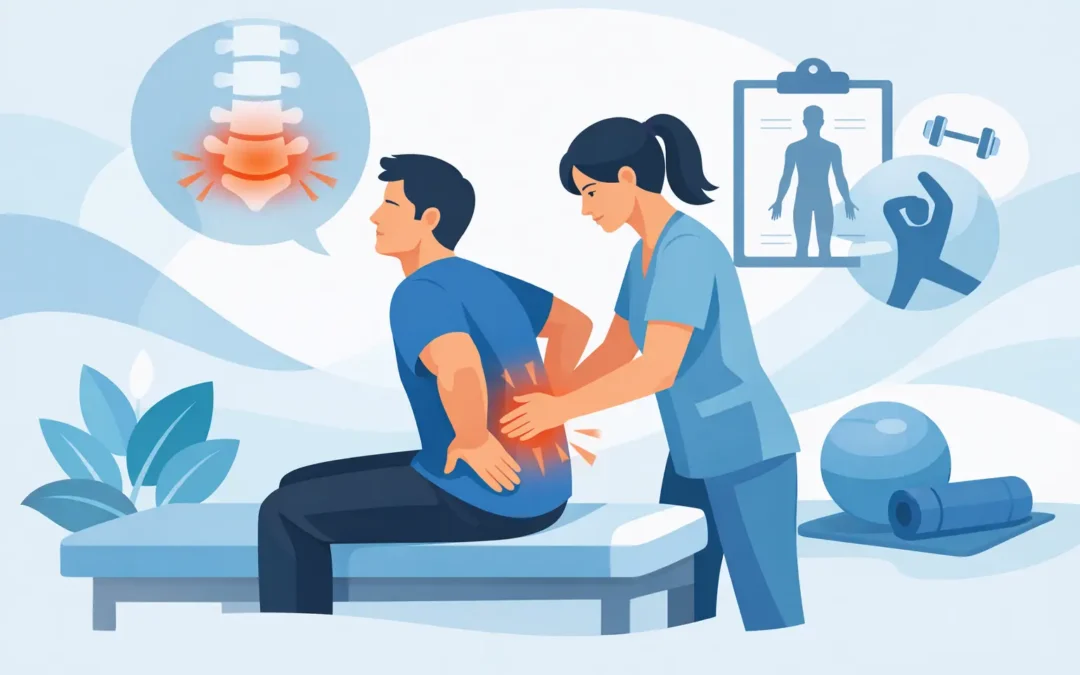
Low back pain (LBP) refers to discomfort, soreness, or stiffness in the lower back area. It is one of the most common health issues worldwide, affecting people of all ages. LBP can range from a dull, constant ache to a sudden, sharp pain that makes movement difficult.
LBP is classified into three categories:
- Acute: Pain lasting less than six weeks.
- Sub-acute: Pain lasting six to twelve weeks.
- Chronic: Pain persisting for more than twelve weeks.
The lower back, or lumbar region, supports much of the body’s weight and is subject to significant mechanical stress. This area is composed of vertebrae, discs, muscles, ligaments, and nerves, all of which can contribute to pain when strained or injured.
Who can experience low back pain?
Anyone can experience low back pain, regardless of age, gender, or physical condition. However, certain factors increase the likelihood of developing LBP:
- Age: LBP becomes more common as people get older, particularly after the age of 30.
- Sedentary lifestyle: Lack of physical activity and prolonged sitting can weaken muscles, leading to LBP.
- Occupational risks: Jobs that require heavy lifting, bending, or twisting can cause or exacerbate LBP.
- Poor posture: Incorrect sitting, standing, or sleeping postures can strain the lower back.
- Obesity: Excess weight increases stress on the lower back.
- Genetics: Some people may be predisposed to back pain due to inherited conditions.
LBP can also be influenced by psychological factors such as stress, anxiety, and depression, which can increase muscle tension and pain perception.
How do we know low back pain is usually not serious?
Most cases of low back pain are non-specific, meaning they are not caused by any serious underlying condition. Research shows that about 90% of LBP cases are due to muscle or ligament strains, disc issues, or mechanical problems. These cases often improve with simple self-care measures and do not require extensive medical intervention. Red flags that indicate a more serious problem are rare and include symptoms like significant trauma, unexplained weight loss, fever, and loss of bowel or bladder control.
Signs that LBP is not serious include:
- Pain that improves with rest and simple pain relief.
- Pain that is not constant and varies with activity.
- Absence of neurological symptoms such as numbness or weakness in the legs.
- No history of significant trauma or underlying health conditions.
Do I need a scan for low back pain?
Routine imaging tests such as X-rays, MRIs, or CT scans are generally not recommended for initial LBP evaluation. Evidence suggests that these scans do not often help in diagnosing the cause of LBP and may lead to unnecessary treatments. Imaging is reserved for specific cases where there are red flags or if the pain persists despite conservative treatment.
Overuse of imaging can have several drawbacks:
- Unnecessary radiation exposure: Especially with CT scans.
- Incidental findings: MRI scans can reveal abnormalities that are not related to the pain, leading to unnecessary worry and treatments.
- Increased costs: Imaging tests can be expensive and may not change the management plan.
What is the recommended management of low back pain?
The best approach to managing low back pain involves a combination of physical activity, education, and pain management. Here are the recommended steps:
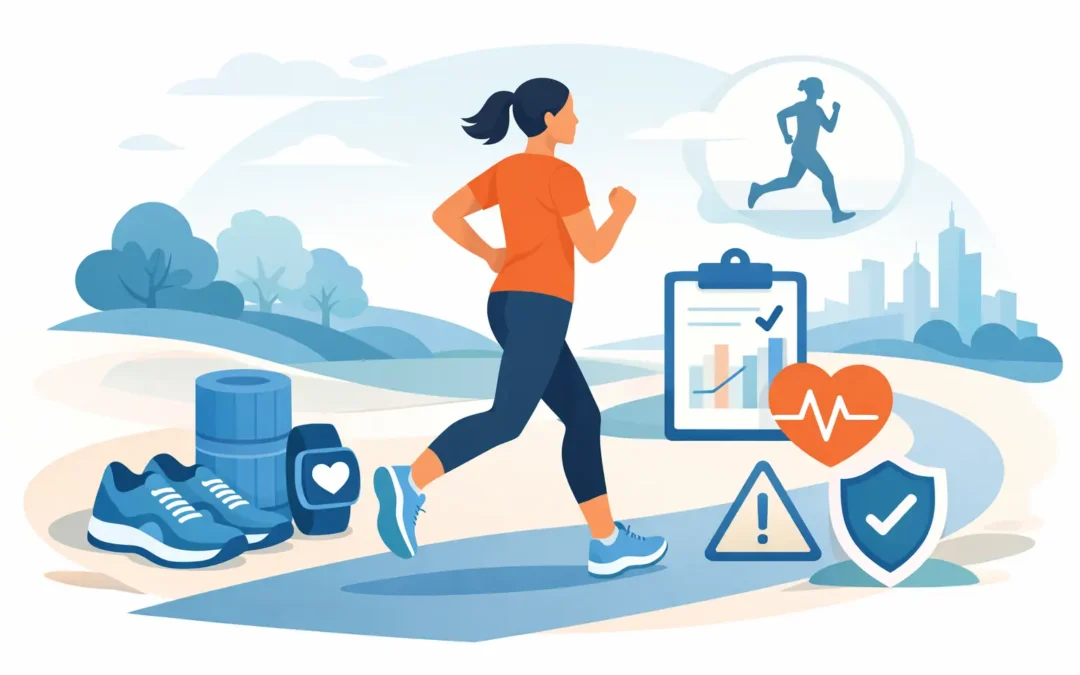
- Stay active: Continue normal activities as much as possible. Bed rest should be avoided as it can worsen LBP.
- Exercise: Engage in low-impact aerobic exercises such as walking or swimming. Strengthening exercises for the back and core muscles can also be beneficial.
- Pain management: Over-the-counter pain relievers like ibuprofen or paracetamol can help manage pain. Applying heat or cold packs may also provide relief.
- Education: Understanding that LBP is common and usually not serious can reduce anxiety and encourage a more active recovery. Patients should be educated about the nature of their pain and the importance of staying active.
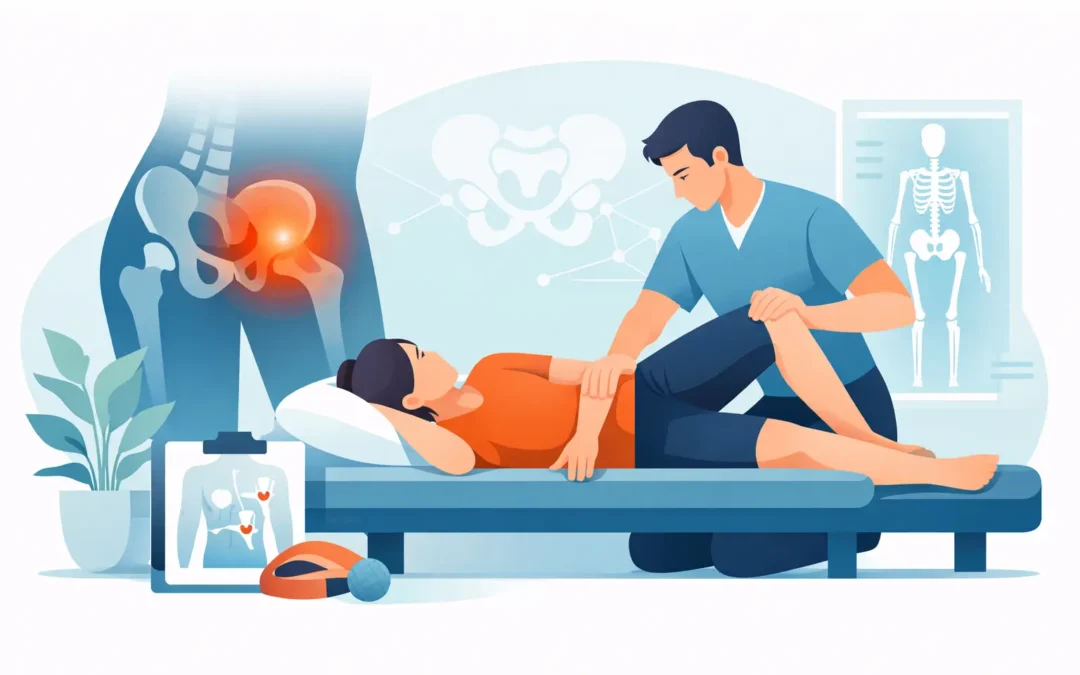
- Manual therapy: Techniques such as massage, spinal manipulation, or mobilisation performed by a trained therapist can help relieve symptoms.
A holistic approach considers both physical and psychological aspects of LBP:
- Cognitive-Behavioural Therapy (CBT): Can help manage pain by addressing negative thought patterns and promoting positive coping strategies.
- Mindfulness and Relaxation Techniques: These can reduce stress and muscle tension.
When do I need to seek help for low back pain?
You should seek medical attention if you experience any of the following:
- Severe or worsening pain: If the pain is intense or gets worse over time, despite self-care measures.
- Neurological symptoms: Numbness, tingling, or weakness in the legs, or loss of bowel or bladder control, may indicate a more serious issue.
- Trauma: If the pain follows a significant injury or accident.
- Red flags: Symptoms such as unexplained weight loss, fever, or a history of cancer may suggest an underlying serious condition.
These symptoms could indicate conditions such as:
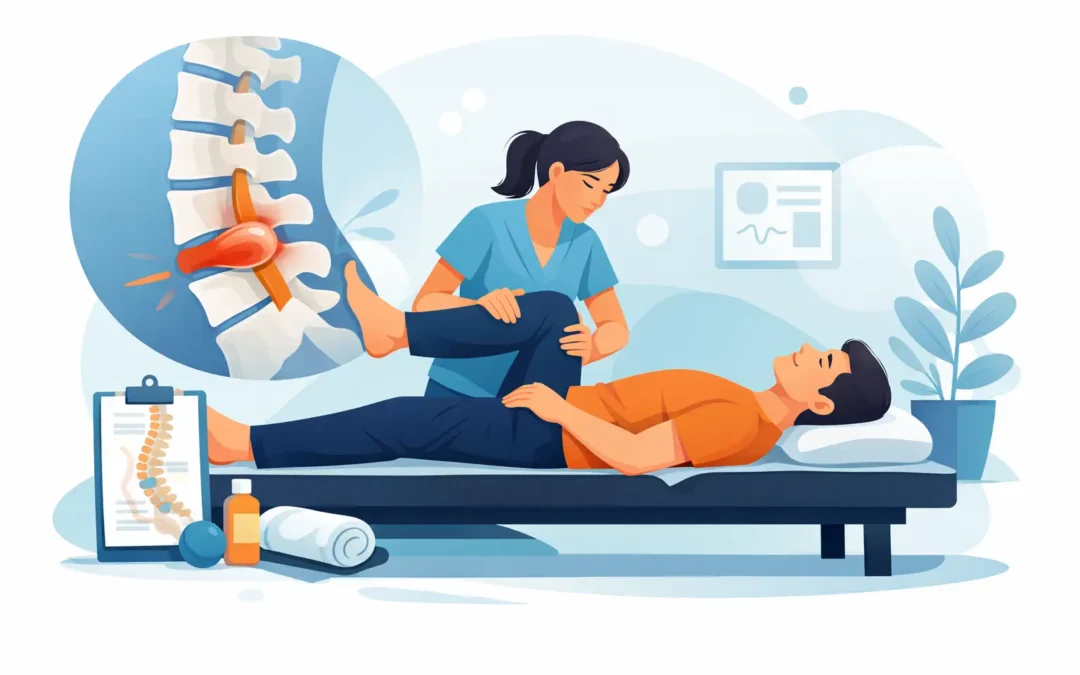
- Herniated Disc: When the soft material inside a disc pushes out, it can press on nerves and cause pain and neurological symptoms.
- Spinal Stenosis: Narrowing of the spinal canal that can compress nerves.
- Fractures: Often due to osteoporosis or significant trauma.
- Infections or Tumours: Rare but serious causes of LBP.
Conclusion
Low back pain is a common issue that affects many people. Most cases are not serious and improve with simple self-care measures such as staying active and using pain relief strategies. Routine imaging is usually unnecessary, and the focus should be on maintaining movement and strength. However, if you experience severe symptoms or red flags, it is important to seek medical advice promptly.
Contact us today to allow our Physiotherapist to help address your low back pain!
Ref:
O’Sullivan, P., & Lin, I. (2014). Acute low back pain: Beyond drug therapies. Pain Management Today, 1(1), 8-13.
Frequently Asked Questions
What are the most common causes of low back pain?
Low back pain is usually caused by muscle or ligament strains, disc issues, or mechanical problems in the spine. These are often due to overuse, poor posture, or injury.
How long does low back pain last?
Most cases of low back pain improve within a few weeks with self-care measures. Chronic pain, which lasts longer than three months, may require more intensive treatment.
Is it safe to exercise with low back pain?
Yes, staying active and engaging in low-impact aerobic exercises can help reduce pain and improve recovery. Avoid bed rest and try to continue with your normal activities as much as possible.
When should I consider seeing a Physiotherapist for low back pain?
You should see a physiotherapist if your pain persists despite self-care measures, if you experience recurrent episodes, or if you have difficulty performing daily activities due to pain.
Can stress cause low back pain?
Yes, high stress levels and poor emotional health can contribute to low back pain. Stress can lead to muscle tension and altered movement patterns, which can exacerbate pain.