Key Points
- Exercise programs that target hip and knee strengthening are beneficial in PFPS recovery.
- Passive treatments are not effective in PFPS recovery and should not be offered.
- Recovery takes time and adherence to the exercise program is key.
Pain in the front of the knee. What is it?!
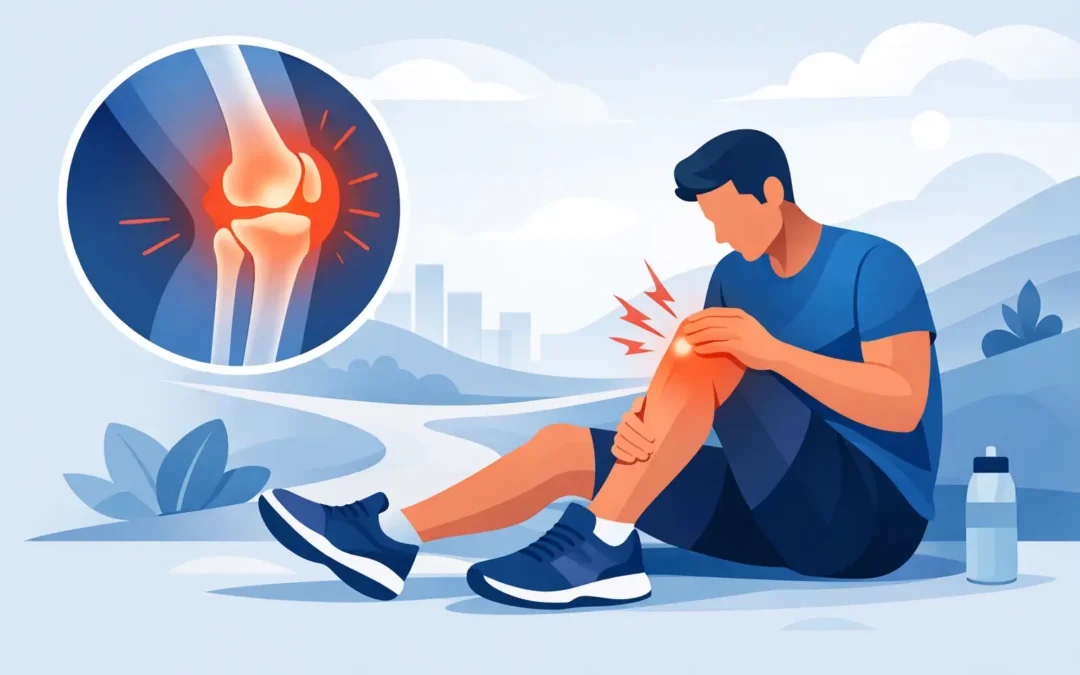
Patellofemoral Pain Syndrome (PFPS), or more commonly known as runner’s knee, is a condition of pain found in the front of the knee. PFPS is often described as pain in or around the kneecaps, and increases with functional activities such as squatting, kneeling, and stair climbing, especially painful when coming down the stairs.
PFPS is reported to develop due to multiple factors rather than specific injuries. It typically occurs over time and when physical activity increases, causing nagging aches or occasional sharp pains that can limit daily activities.
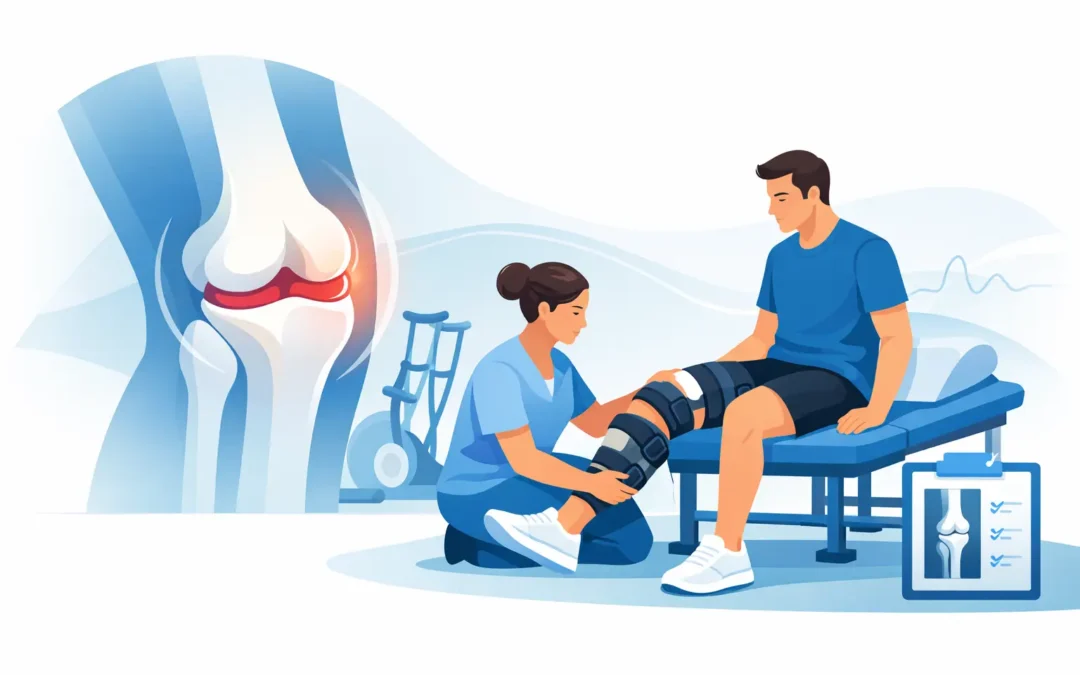
Anatomically speaking, our knee joint functions as a hinge. The knee is inclusive of 3 key bone structures, the Femur (thigh bone), Patella (kneecap), and Tibia (shin bone), enclosed within a capsule. When we straighten and bend our knees, the patella glides smoothly over the Femur within the knee capsule to allow movement without pain.
The muscle structures in our legs and hips play a part in the proper hinging of our knee joints as well. Simply put, there are muscle groups on the front, back, and sides of our thigh that act out a delicate balance in the stability of our knees.
If these muscles are imbalanced, it will changes the angle at which our kneecap glides over our thigh bone, resulting in the unequal distribution of pressure when we bend or straighten our knees. This awry weight distribution contributes to the pain you may be feeling when you walk, climb the stairs, or squat.
Why is there pain in the front of the knee?
PFPS is not influenced by one’s height, body weight, leg length, or foot posture. Rather, it occurs commonly in individuals who take part in running and jumping sports. PFPS can develop due to a multitude of factors, such as
- Overuse or overloading of the joint,
- Where there is a sudden increase in physical activity, causing an excess amount of stress on the knees within a short amount of time.
- Deficits in muscle performance
- Specifically in the hips and quadricep muscles can cause stress on the knee joint,
- Deficits in movement coordination
- Altered movement as a result of knocked knees places additional strain on the kneecaps
- Mobility impairments
- In individuals with higher foot mobility or flexibility deficits in muscles of the lower leg
Who is at risk of experiencing PFPS?
Females are more likely to develop PFPS compared to males and individuals who specialise in a single sport or have weak quadriceps are also at risk of PFPS.
What can help with the pain in the front of my knee?
Based on clinical practice guidelines, suggested interventions for PFPS include
- Gradually increasing the amount of participation in various exercises and activities over time
- Off-the-shelf in-soles or patellar taping, combined with exercise therapy
- Retraining of running form
- Education for self-management
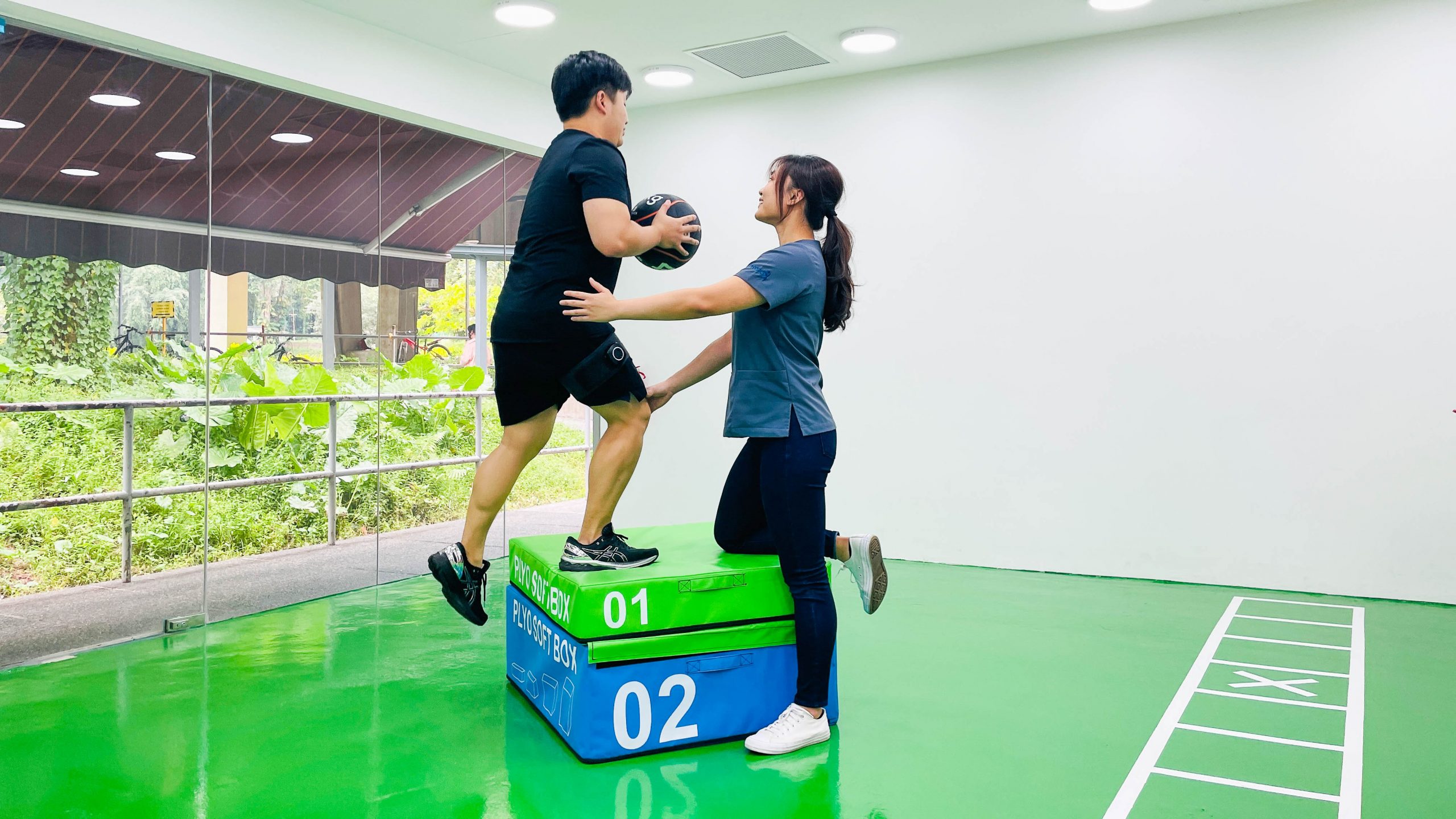
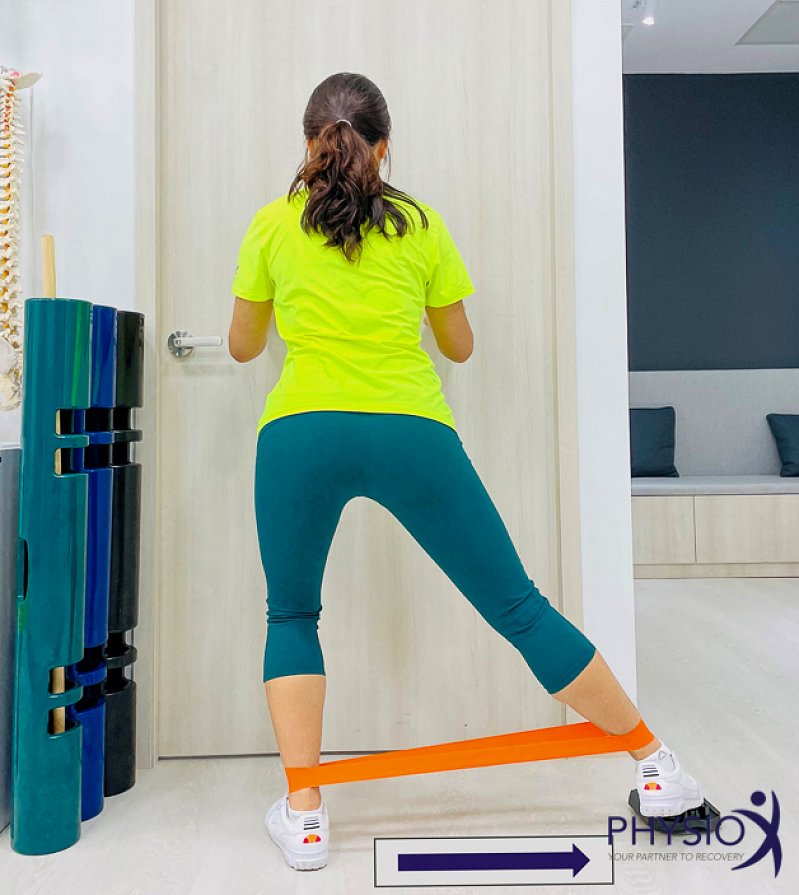
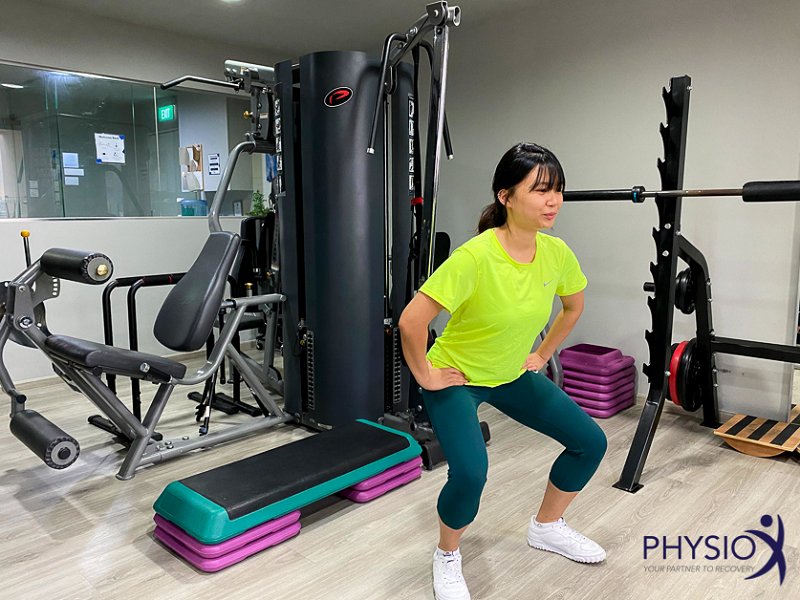
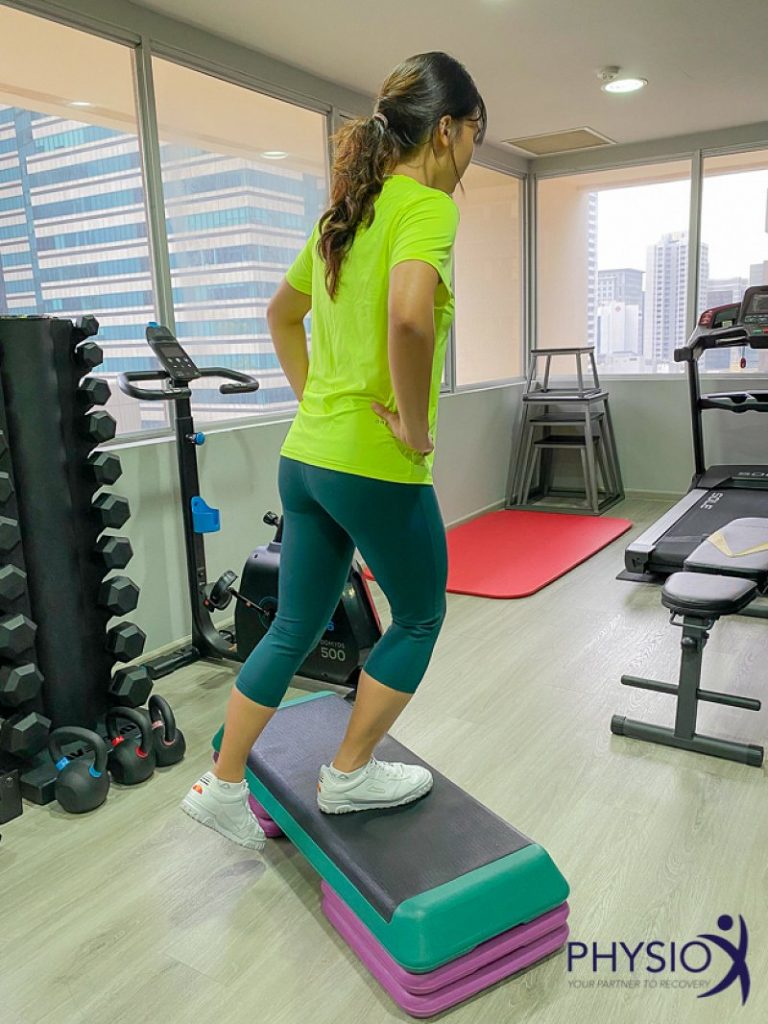
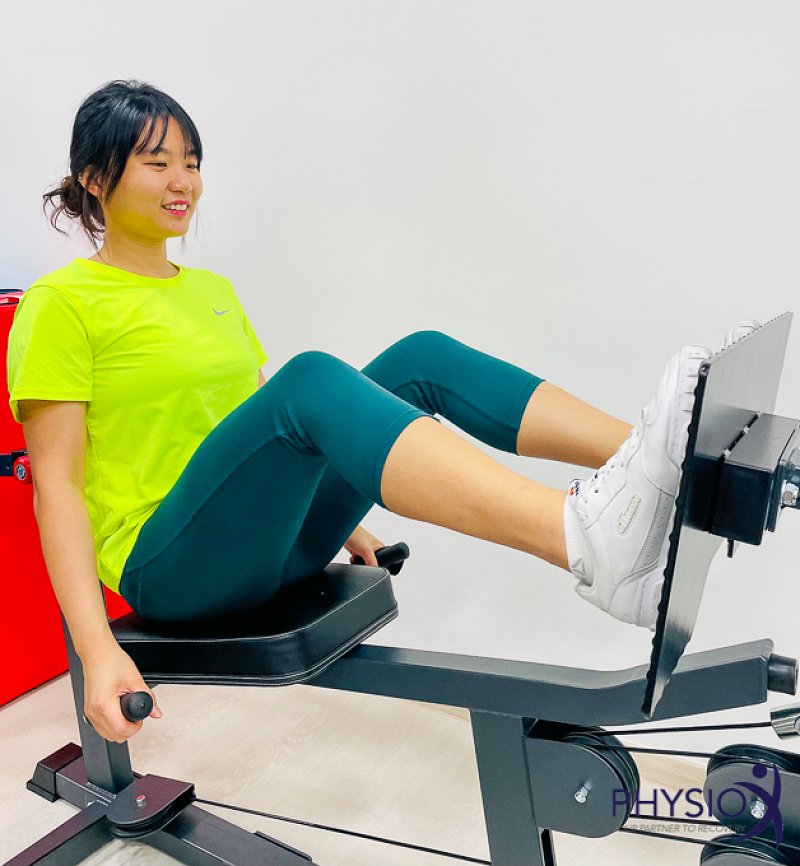
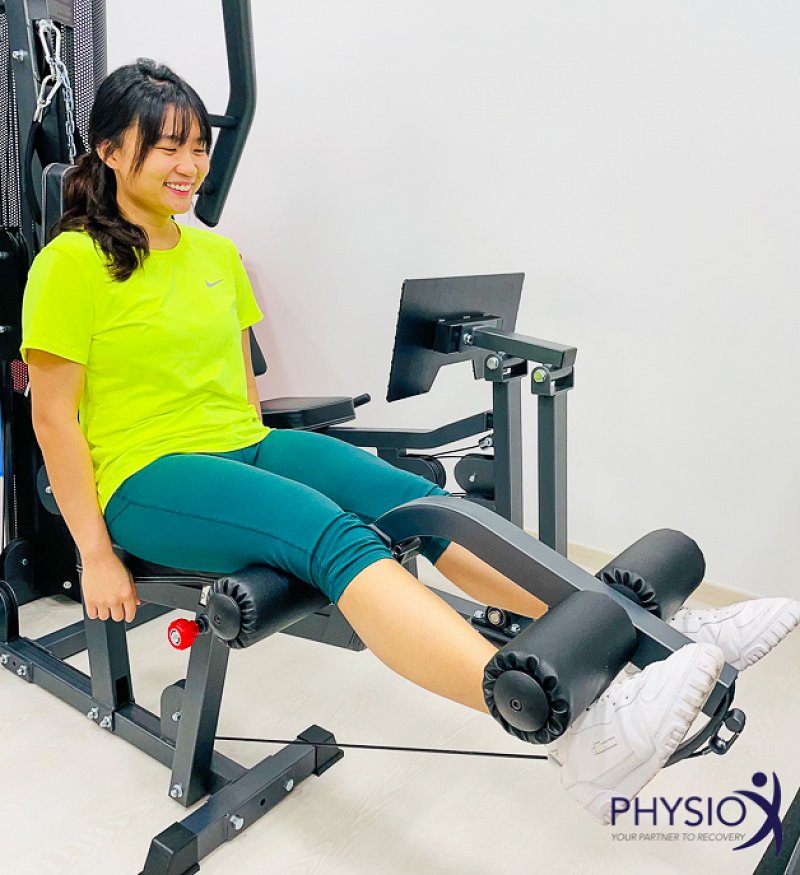
- Progressive hip and knee targeted exercise therapy
What NOT to do when you pain in the front of your knee
PFPS does not get better from passive treatments. These are treatments such as dry needling, isolated manual therapy, neuromuscular electrical stimulation, therapeutic laser, or ultrasound. It also does not resolve itself over time.
With patellar taping, while it may benefit in the short term when combined with exercise therapy, it does not benefit in the long term management of PFPS or when used with more intensive physical therapy. Taping also is not recommended to be used with the aim of enhancing muscle function.
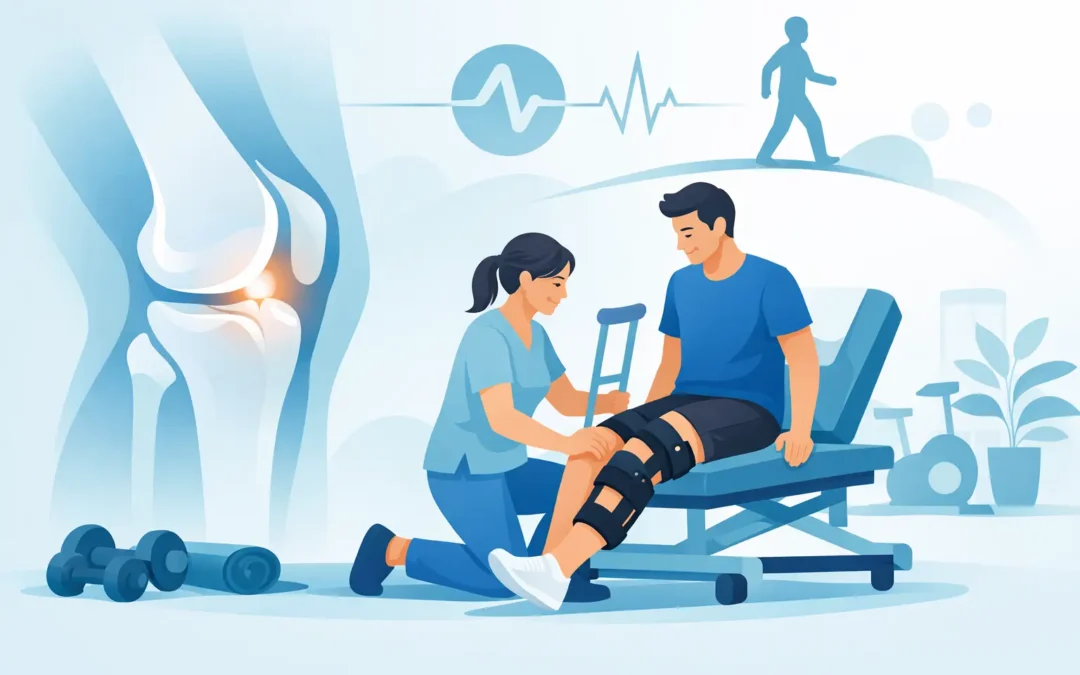
Bracing is another intervention that does not help with PFPS. This includes sleeves and straps as well.
The management of front of knee pain requires strengthening exercises to manage.
How long will it take for the pain in the front of my knee to go away?
The recovery journey for PFPS can take time. It normally takes 12 weeks or more, and can take longer for individuals who have had PFPS for more than 2 months, or have PFPS with greater pain levels.
The key to recovery is adherence to your exercise program with focus on strengthening the hips and knees. If you’re returning to sports or physical activities that heavily load the knee, gradually increase the frequency so as to avoid overloading the knee.
Unsure of what to do? Contact us to speak to our Physiotherapist who will be able to ascertain the source of pain and have it addressed early!
Ref:
Willy, R., Hoglund, L., Barton, C., Bolgla, L., Scalzitti, D., & Logerstedt, D. et al. (2019). Patellofemoral Pain. Journal Of Orthopaedic &Amp; Sports Physical Therapy, 49(9), CPG1-CPG95. https://doi.org/10.2519/jospt.2019.0302
DISCLAIMER: These advise and exercises should not replace the need for a consultation with a Physiotherapist especially if your condition doesn’t improve. Therapeutic exercise should be carefully selected to suit your condition.