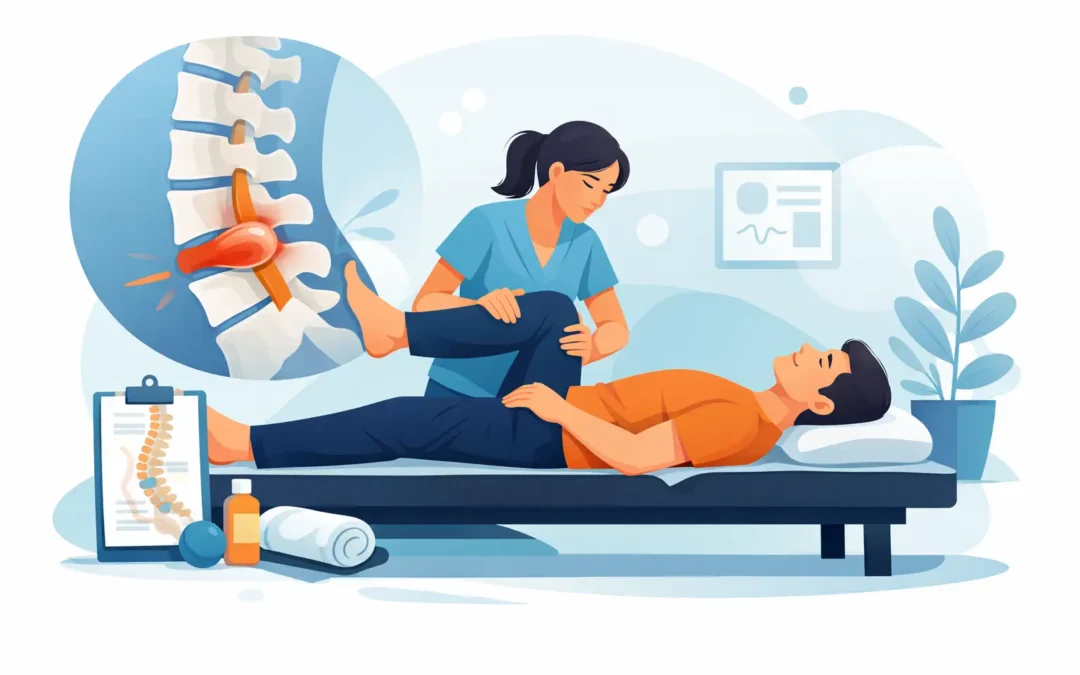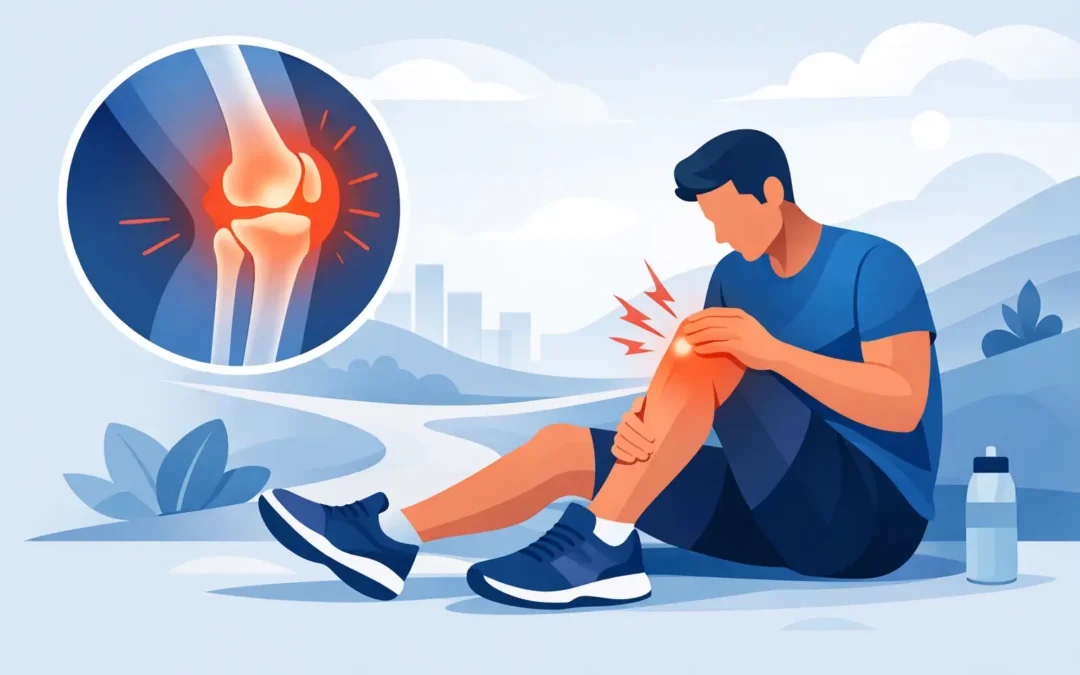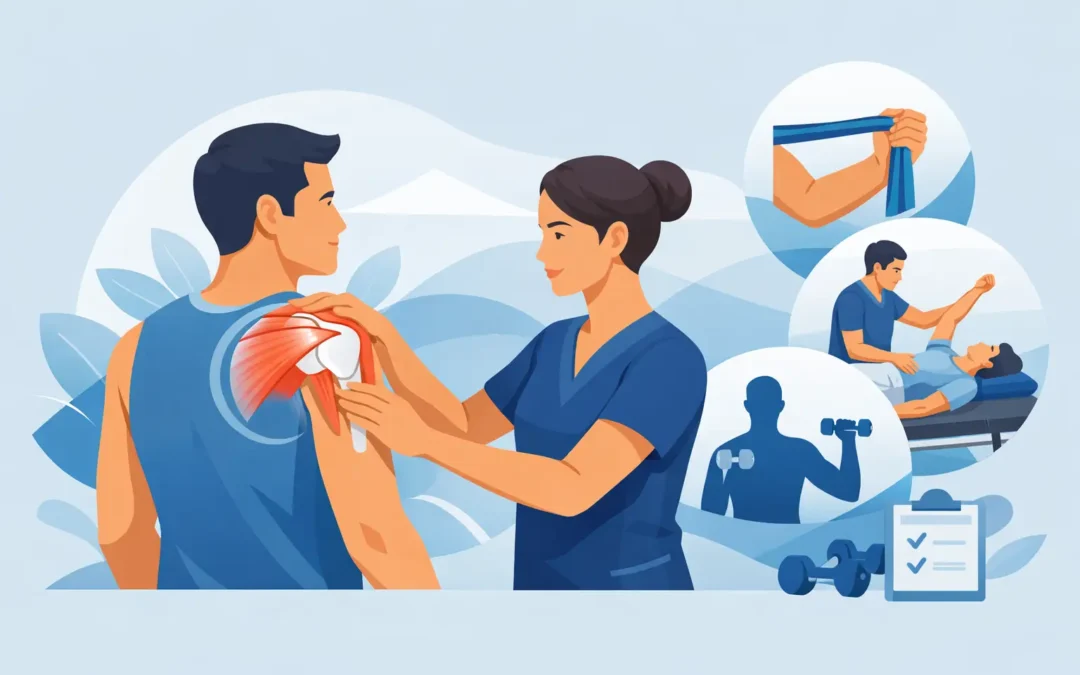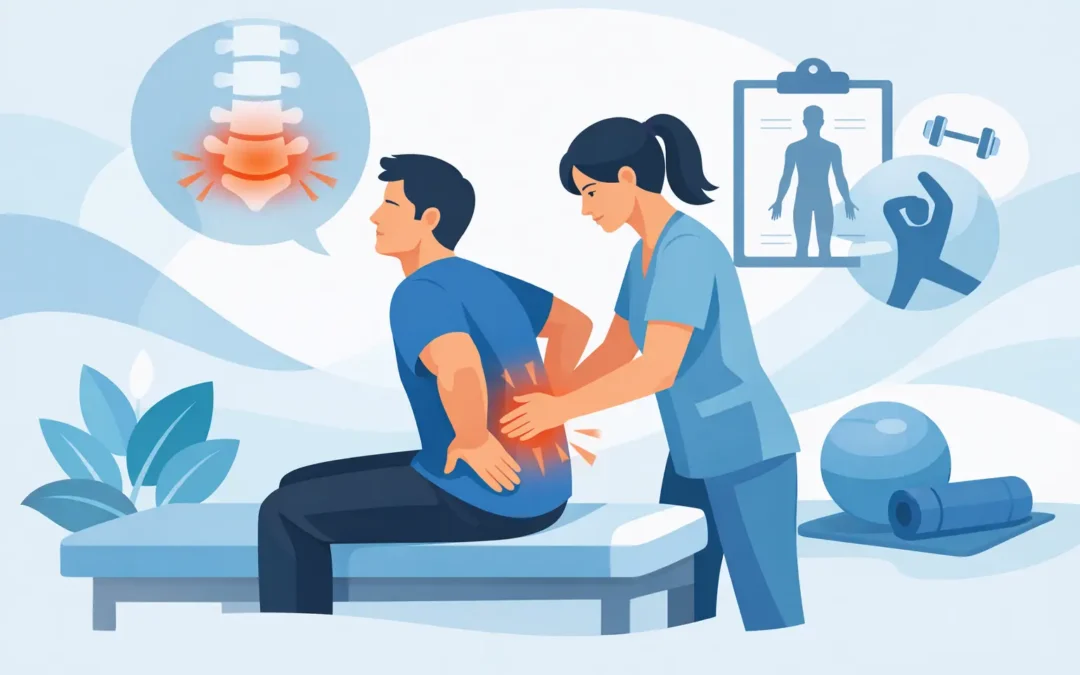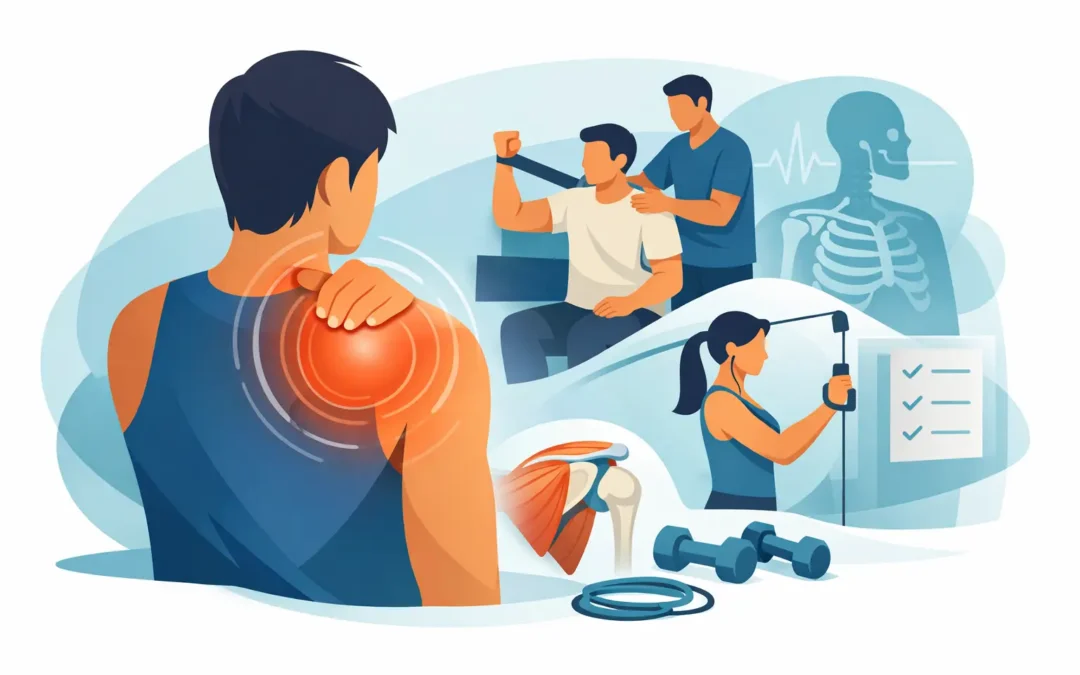
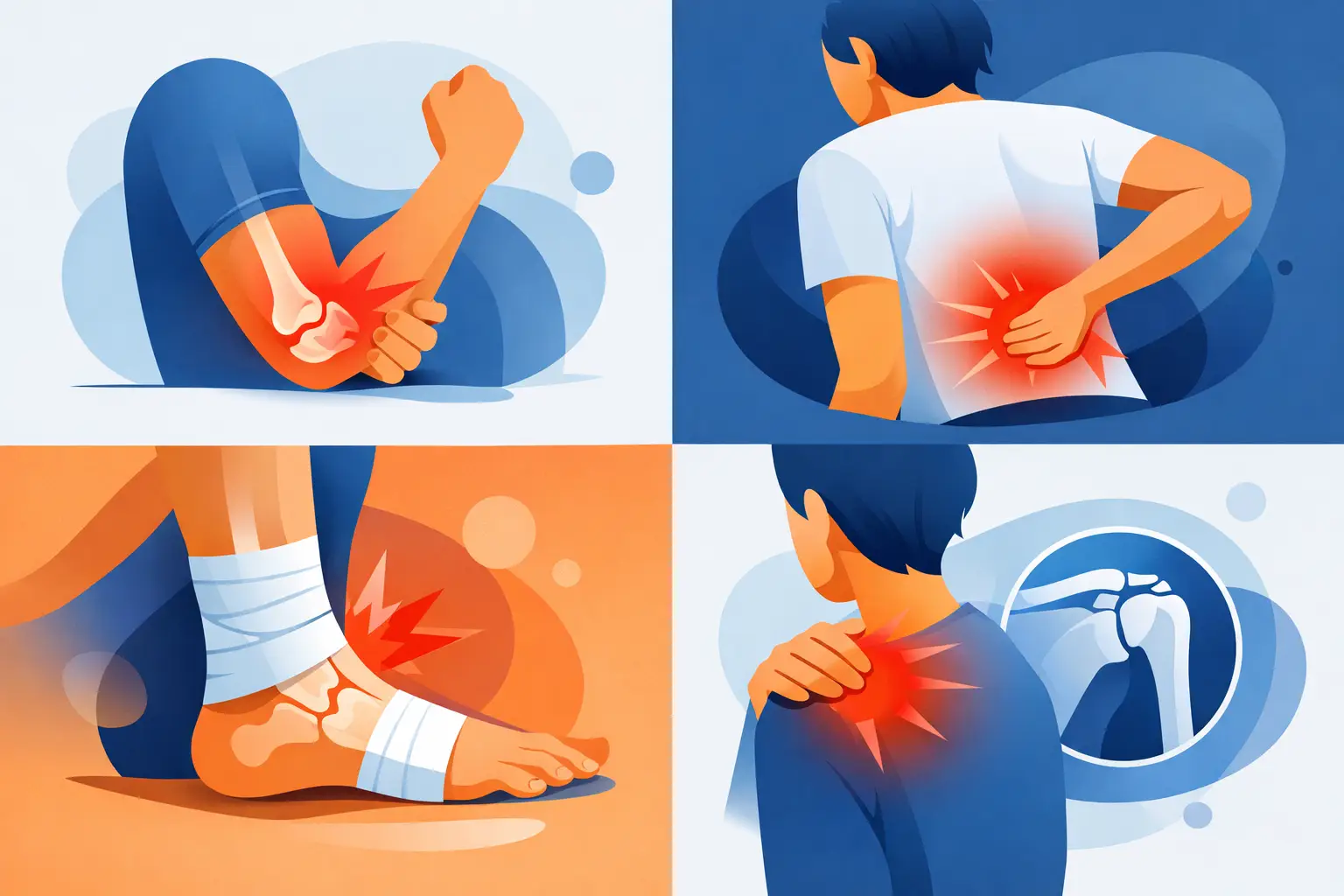
A sharp pain in your calf during a run, a stiff shoulder after lifting your child, or a swollen ankle from missing a step – musculoskeletal injuries do not always begin with a dramatic moment. Often, they build quietly through overload, poor recovery, repetitive strain, or a movement your body was not ready to tolerate. Understanding the 4 types of musculoskeletal injuries can make it easier to recognise what may be happening and seek the right treatment early.
For most people, the real question is not just what hurts. It is why it hurts, what structure is involved, and what needs to happen for confident recovery. That is where a clear diagnosis and a tailored rehabilitation plan matter.
What are the 4 types of musculoskeletal injuries?
When clinicians talk about the 4 types of musculoskeletal injuries, they are usually referring to injuries affecting muscles, tendons, ligaments and bones. These tissues work together to help you move, generate force, absorb impact and maintain stability. When one of them is irritated or damaged, daily tasks and sport can become difficult very quickly.
Although these categories are useful, real-life injuries do not always fit neatly into a box. A bad ankle sprain, for example, may involve ligaments, surrounding muscles and even bone bruising. That is why assessment should always look beyond the area of pain and consider how the whole body is moving.
1. Muscle injuries
Muscle injuries include strains, tears and contusions. They often happen when a muscle is overloaded, stretched too quickly, or asked to produce force when it is fatigued. Common examples include hamstring strains, calf strains and quadriceps tears.
Symptoms usually include pain during movement, tenderness, weakness and sometimes bruising or swelling. In milder cases, you may feel tightness and discomfort but still be able to walk or train. In more significant injuries, pushing off, climbing stairs or even normal walking can become difficult.
A common mistake is to assume every muscle injury will settle with rest alone. Some do improve with simple load reduction, but others leave behind ongoing weakness, reduced flexibility or altered movement patterns that increase the chance of reinjury. This is especially relevant if you want to return to sport, the gym or a physically demanding job.
Rehabilitation for muscle injuries usually involves staged loading. Early management may focus on pain reduction and restoring comfortable movement. From there, the priority shifts to rebuilding strength, tolerance to stretch, speed of contraction and function specific to your goals. For a runner, that may mean progressing back to sprinting. For a parent or office worker, it may be lifting, carrying and moving without hesitation.
2. Tendon injuries
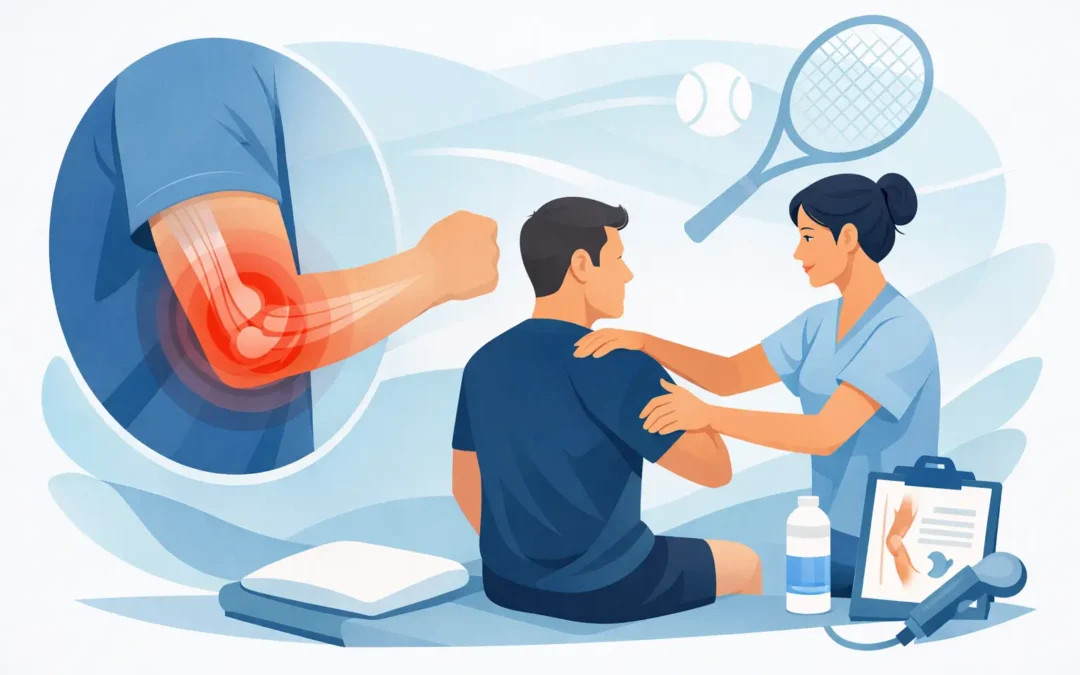
Tendon injuries affect the strong connective tissue that attaches muscle to bone. Common examples include Achilles tendinopathy, patellar tendinopathy, tennis elbow and rotator cuff tendon irritation. Unlike an acute muscle strain, tendon pain often develops gradually.
People often describe tendon problems as a persistent ache, stiffness or pain that flares with repeated activity. It may be worse first thing in the morning, during exercise, or after exercise rather than during it. A tendon can also become sensitive when the training load, work demands or exercise volume increases faster than the tissue can adapt.
This is one of the most misunderstood categories in the 4 types of musculoskeletal injuries. Many people keep stretching an already irritated tendon or stop activity completely for weeks, expecting a quick fix. In reality, tendons usually respond best to carefully dosed loading rather than either total rest or repeated aggravation.
The challenge is finding the right amount. Too little loading can reduce capacity. Too much can keep the tendon reactive and painful. Good physiotherapy identifies aggravating factors, looks at strength deficits and movement patterns, and builds a progression that improves the tendon’s ability to handle load over time.
3. Ligament injuries
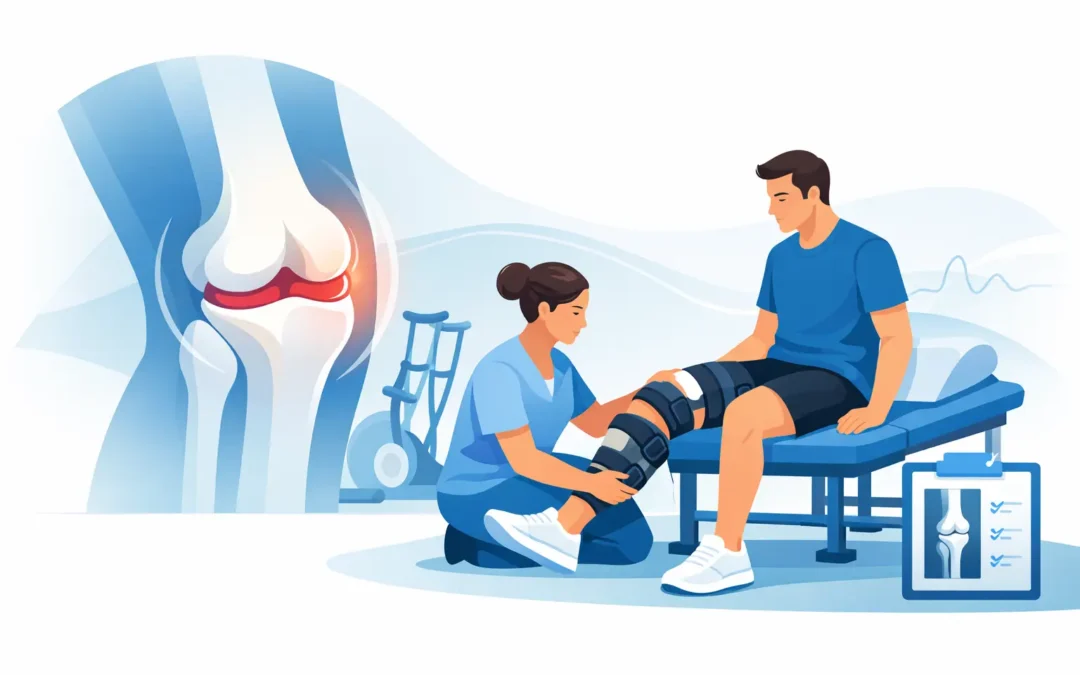
Ligaments connect bone to bone and help stabilise joints. They are commonly injured when a joint is forced beyond its normal range, such as rolling an ankle, twisting a knee or falling onto an outstretched hand. Sprains are ligament injuries, and they can range from mild overstretching to partial or complete tears.
Pain, swelling, bruising and a sense of instability are common. In some cases, people feel able to walk or use the joint quite soon, which can make the injury seem minor. That can be misleading. Even a moderate sprain may leave the joint less stable and more vulnerable if it is not rehabilitated properly.
An ankle sprain is a good example. It is one of the most common injuries seen in both sport and everyday life, yet many people simply rest until the swelling settles and then carry on. Later, they notice repeated sprains, balance issues or discomfort when running, changing direction or walking on uneven ground.
Effective rehabilitation does more than settle pain. It works on strength, proprioception, balance, coordination and control. Depending on the joint involved, some ligament injuries also need bracing, temporary activity modification or surgical review. It depends on the severity, the demands of your lifestyle, and whether the joint remains unstable.
4. Bone injuries
Bone injuries include fractures and stress injuries. A fracture is usually associated with a more obvious traumatic event, such as a fall, collision or direct impact. A stress injury develops over time when repeated loading exceeds the bone’s capacity to recover and remodel.
Symptoms vary. A fracture often causes sharp pain, swelling, tenderness and difficulty bearing weight or using the limb. Stress injuries can be harder to recognise because they may begin as a local ache that appears with activity and eases with rest, only to become more persistent later.
Stress fractures are especially relevant for runners, court-sport athletes and people who have recently increased training intensity. They can also be influenced by recovery, nutrition, sleep, biomechanics and previous injury history. Treating them as a minor soft tissue issue and trying to train through the pain can delay healing significantly.
Bone injuries need careful assessment because the right management depends on the exact location and severity. Some require immobilisation or urgent orthopaedic care. Others need temporary unloading followed by a structured return to weight-bearing, strength work and impact progression.
Why the category matters – but only to a point
Knowing which of the 4 types of musculoskeletal injuries you may have is useful because each tissue heals differently and responds to different rehabilitation strategies. Muscle injuries need progressive strengthening and return-to-speed work. Tendon injuries need well-planned loading. Ligament injuries often require stability retraining. Bone injuries need respect for healing timelines and load management.
But the tissue diagnosis is only part of the picture. Two people with the same label may need very different rehabilitation plans. One recreational runner with Achilles pain may mainly need training modification and calf strengthening. Another may also need changes to footwear, running volume, ankle mobility and gym programming.
That is why an ethical, evidence-based physiotherapy approach does not rely on generic exercises or symptom suppression alone. It starts by understanding how the injury happened, what your body can currently tolerate, and what you need to get back to.
When should you seek help?
If pain is severe, swelling is significant, you cannot bear weight, or the joint feels unstable, it is sensible to seek assessment promptly. The same applies if symptoms are not improving, keep returning, or are stopping you from working, sleeping, exercising or caring for your family.
Early assessment is not about making everything seem serious. It is about reducing guesswork. A proper evaluation can help rule out more significant injury, identify contributing factors and give you a realistic plan for recovery.
For many adults, the biggest benefit is clarity. Once you understand what tissue is involved and why it has become painful, treatment becomes more purposeful and less frustrating.
What good rehabilitation should look like
Good rehabilitation should feel individualised, not generic. It should explain what is happening, outline the expected stages of recovery and adjust to your goals, whether that is returning to football, getting through a workday comfortably, or rebuilding confidence after surgery.
It should also evolve. Early sessions may focus on pain, swelling and movement. Later phases should build tissue capacity, whole-body strength and task-specific function. If you play sport, rehab should prepare you for the actual demands of sport, not just get you pain-free on a treatment bed.
At PhysioX, this principle sits at the centre of care: understand the root cause, restore function thoroughly, and equip the patient to stay well beyond the initial episode of pain.
Musculoskeletal injuries can be frustrating, but they are rarely just about bad luck. With the right assessment and a rehabilitation plan matched to the tissue involved, your activity level and your goals, recovery becomes far more than waiting for pain to pass – it becomes a structured return to strength, movement and confidence.