Phase 2 of your ACL rehabilitation journey: strength and neuromuscular control
What are the goals of Phase 2?
Our primary goals for this phase are to:
- Retrain single leg balance
- Regain muscle strength
- Achieve a single leg squat with good form
What is neuromuscular control? Why is it important after an ACL injury?
After an ACL injury, many people experience diminished proprioception, which renders the knee unstable. Neuromuscular control, along with strength, balance and proprioception (also known as joint position sense), are important factors to ensure functional recovery of your knee.
For the geek in you, neuromuscular control is the unconscious trained response of a muscle to a signal regarding dynamic joint stability. It contributes to the stability of the knee, when it is faced with unexpected forces or movement. In order to ensure a safe return to your activities of daily living (ADLs) or sport, it is important to thoroughly address neuromuscular control.
On top of that, proper balance, proprioception, and neuromuscular control will also ensure that your knee joint is loaded optimally during exercises. By targeting these key components, we can also decrease the risk of re-injury!
Why does strength matter after an ACL injury?
Restoring knee muscle strength is crucial after an ACL injury, especially your knee extensor muscles — these are your big thigh muscles a.k.a quadriceps, comprising four muscles i.e. rectus femoris, vastus lateralis, vastus intermedius, and vastus medialis muscles.
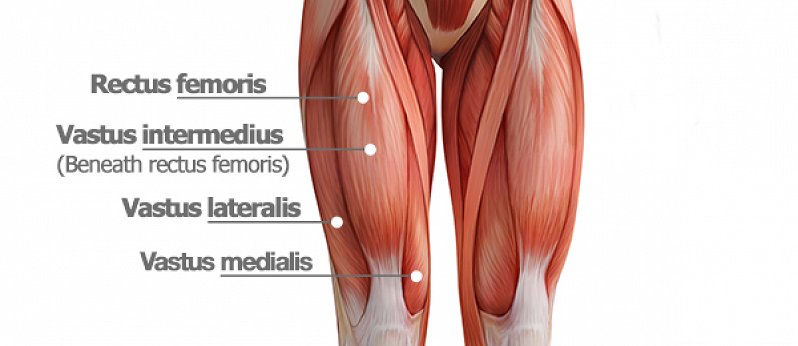
Anatomy of the thigh muscles
Any deficits in strength might lead to poor joint movement, which is a risk factor for further injuries. It is also linked to reduced knee function and increased risk of knee osteoarthritis. Having adequate muscle strength around the knee will also allow for increased knee stability, hence decreasing the risk of reinjury too!
How can my Physiotherapist help?
In this phase, your Physiotherapist will prescribe you with an arsenal of exercises to ensure adequate strength and neuromuscular control. It is also important to maintain our baseline fitness levels; therefore, cardio exercises such as stationary cycling may be included in the program as well.
Neuromuscular Electrical Stimulation (NMES)
Your Physiotherapist may also utilise neuromuscular electrical stimulation (NMES) — a device that sends electrical impulses to nerves. These impulses will cause the muscles to contract.
It may be used as an adjunct modality on top of your prescribed exercises, to ‘wake up’ your muscles and help retrain them. Studies have shown that the use of NMES in conjunction with standard physiotherapy, can significantly improve the strength of the thigh muscles and physical function in the early post-operative phase, as compared to using standard physiotherapy alone.
Neuromuscular and Strengthening Exercises
We will start off Phase 2 with some basic neuromuscular and strengthening exercises. These exercises will help to retrain basic movements and form an important foundation for return to sport eventually.
Here are some exercises that target strength:
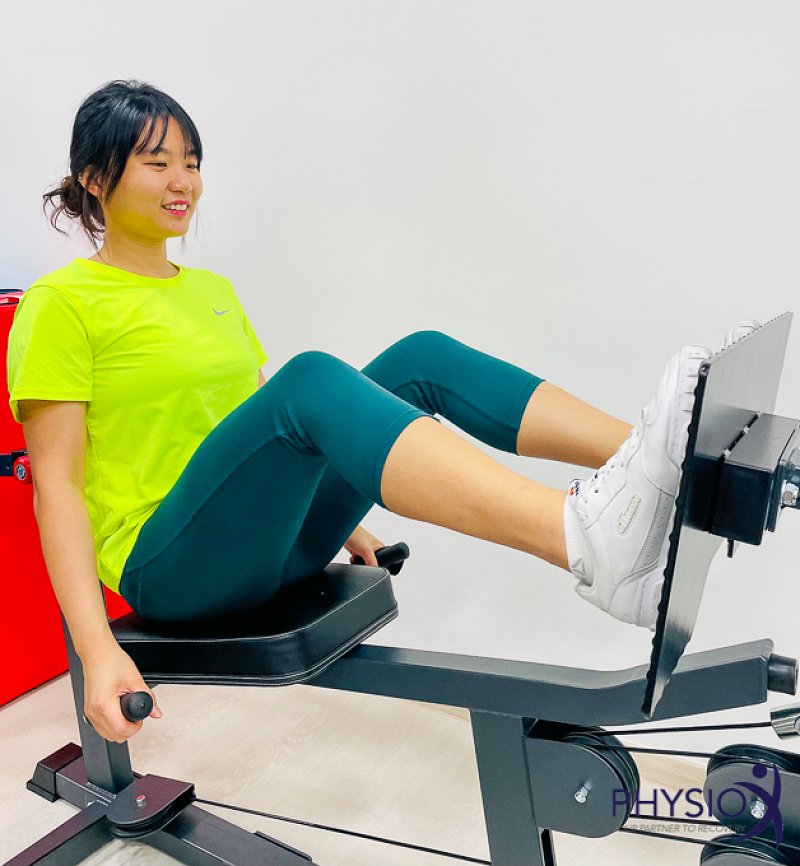
Double-leg leg press
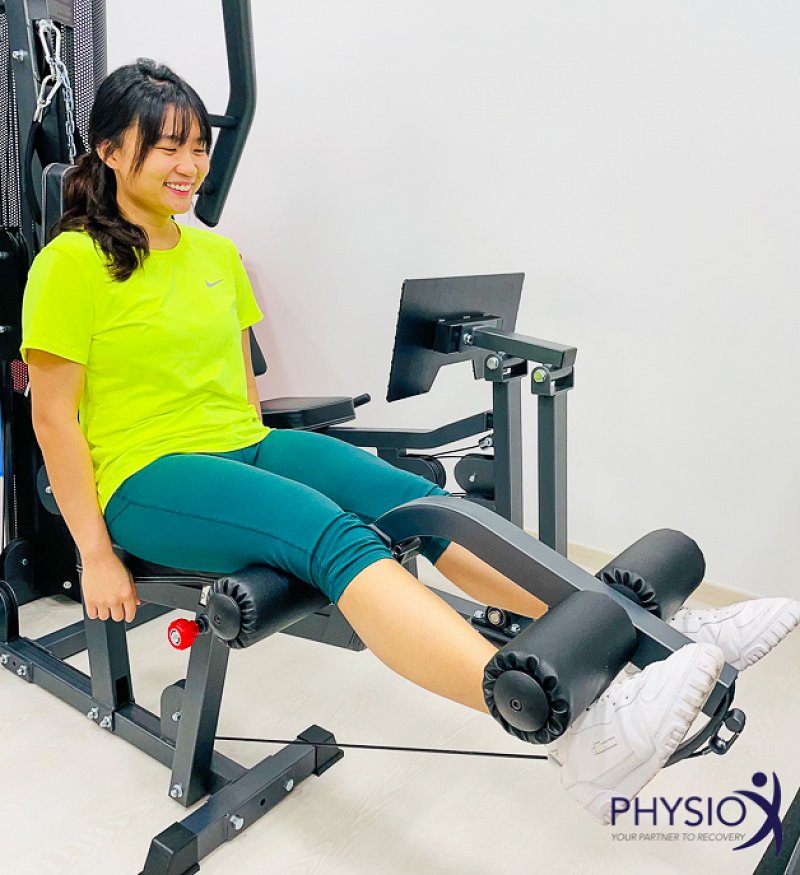
Double-leg seated knee extension
Some exercises that target neuromuscular control, proprioception and balance include:
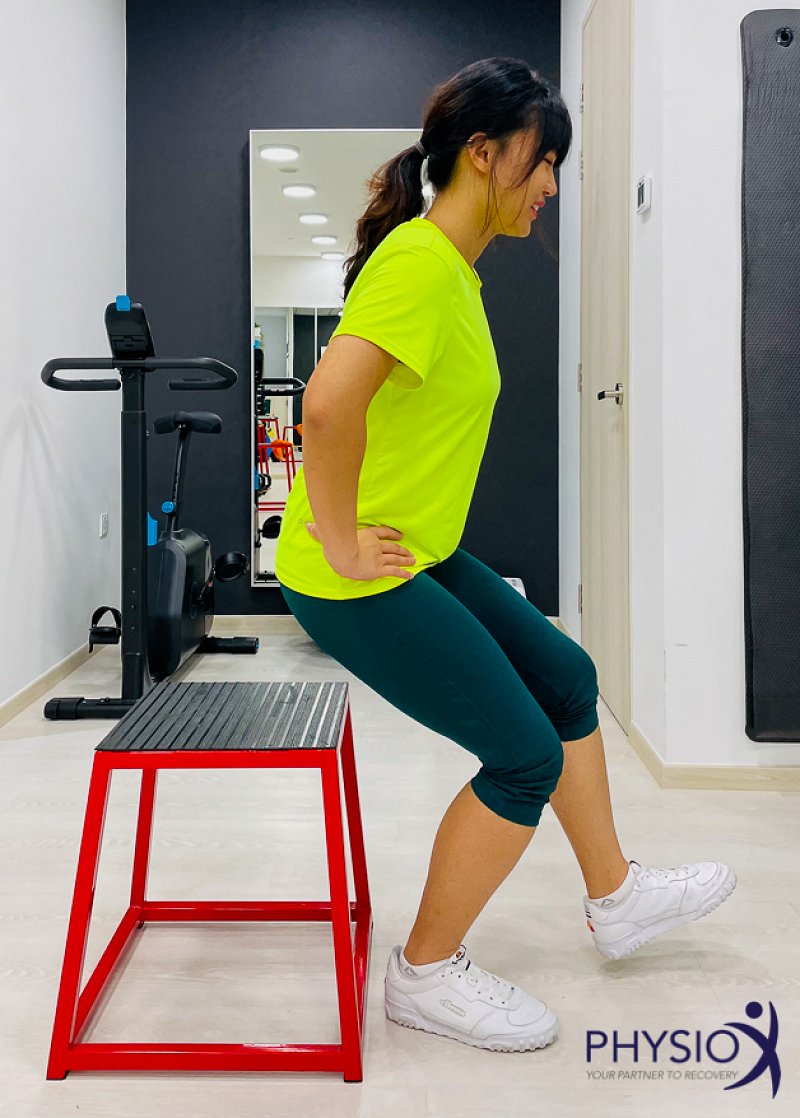
Singe-leg chair rise
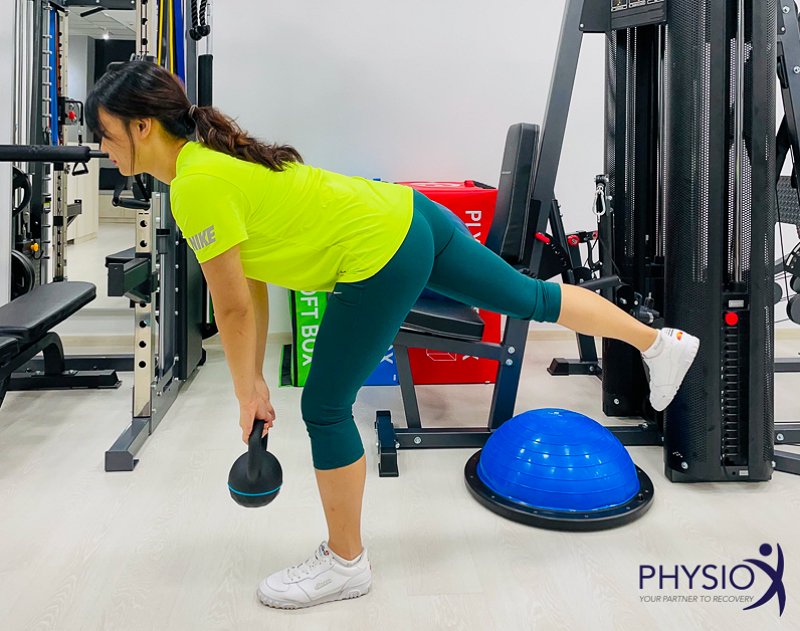
Single-leg Romanian deadlift
Functional Exercises
As we progress through Phase 2, the exercises will get more complex. Your Physiotherapist will likely progress to more functional movements tailored to your ADLs or sport. This way, we are better able to condition your knee to meet the required demands.
Some example of functional exercises include:
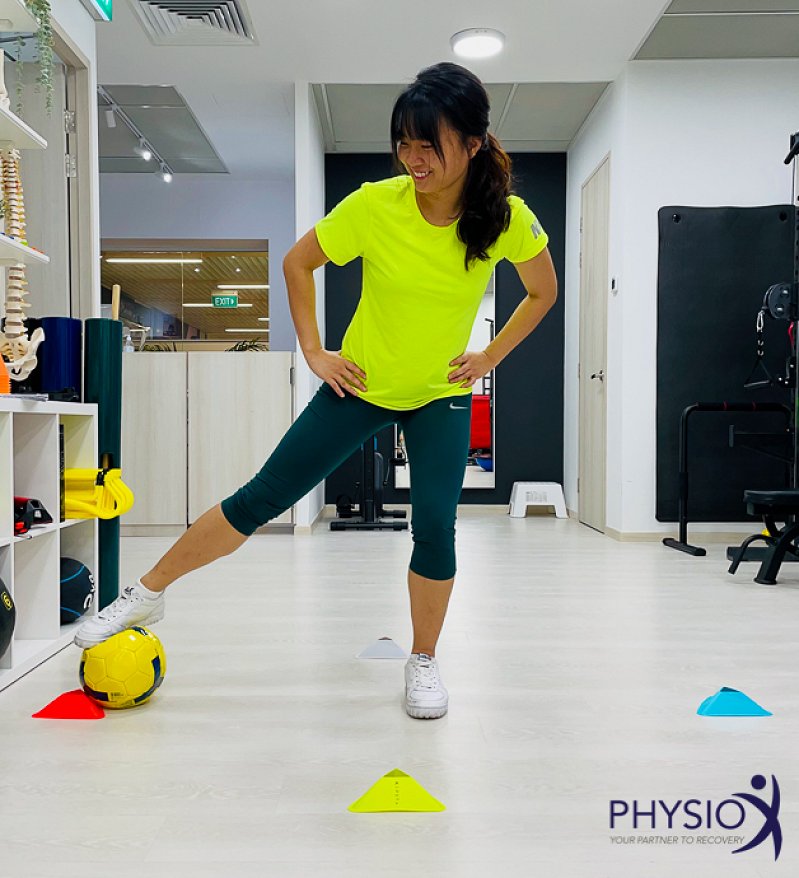
Star excursion
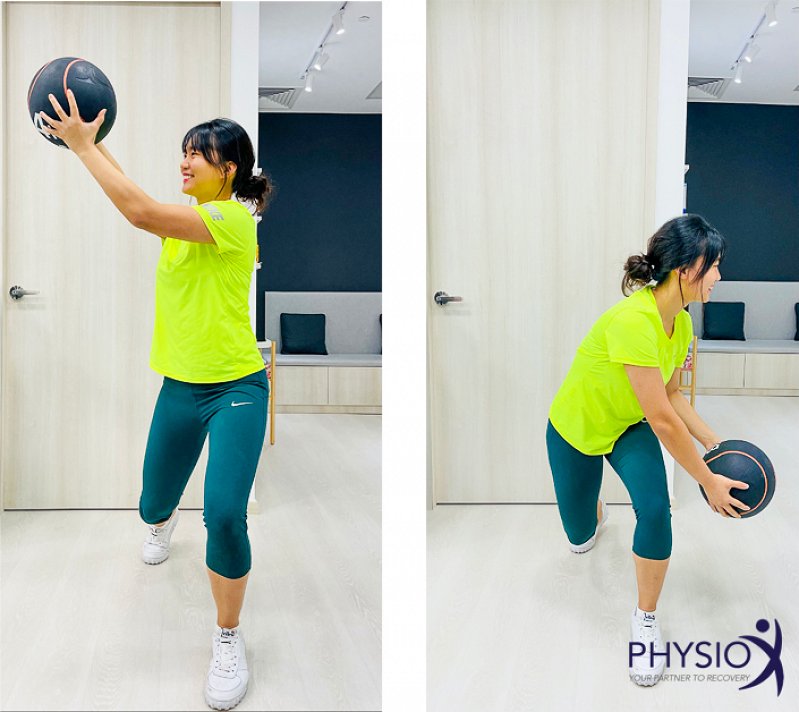
Medicine ball wood chop
How do I know I am ready to progress in my rehabilitation?
Your Physiotherapist will use a battery of strength and balance tests to determine if you are ready to progress onto the next phase. They will be monitoring your performance along with the quality of movement to assess your progress. Do not worry, you are in good hands!
What is expected of me?
Keep up the good work and continue to be diligent in your rehabilitation! However, if you experience any intense pain or soreness that lasts more than 72 hours after the exercise program, you should let your Physiotherapist know immediately. They will reassess your situation and provide you with the best possible care.
DISCLAIMER: These exercises should not replace the need for a consultation with a Physiotherapist, especially if your condition doesn’t improve with these exercises. Therapeutic exercise should be carefully selected to suit your condition.
Book now or give us a call to schedule an appointment to see our Physiotherapist who will be able to partner you to recovery after your ACL reconstruction.
Ref:
Brukner, P., Clarsen, B., Cook, J., Cools, A., Crossley, K., & Hutchinson, M. et al. (2018). Brukner & Khan’s clinical sports medicine. McGraw-Hill Education.
Buckthorpe, M., La Rosa, G., & Della Villa, F. (2019). Restoring knee extensor strength after anterior cruciate ligament reconstruction: a clinical commentary. International Journal of Sports Physical Therapy, 14(1), 159.
Hauger, A. V., Reiman, M. P., Bjordal, J. M., Sheets, C., Ledbetter, L., & Goode, A. P. (2018). Neuromuscular electrical stimulation is effective in strengthening the quadriceps muscle after anterior cruciate ligament surgery. Knee Surgery, Sports Traumatology, Arthroscopy, 26(2), 399-410.
Filed under: Knee