ACL/R Phase 1: Recovery from surgery

22nd Jul, 2019

I have undergone surgery. Now what?

Good news.This is where all the hard work will start.

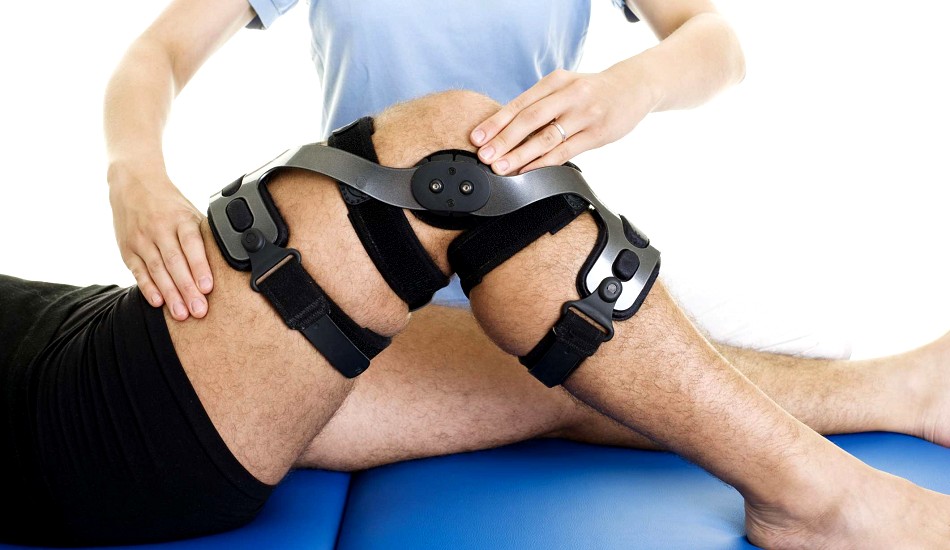
For the first two weeks post-surgery, it is pivotal (no pun intended!) for us to allow your knee to settle. Hence protected and relative rest and recovery is necessary.

What are the goals in Phase I?

During this stage, our goal is to straighten the knee and allow the swelling that has resulted from surgery to settle. On top of that, we will need to start activating your large thigh muscles, also known as your quadricep muscles, in order to allow for future progression of exercises.

So you must be wondering what to expect during your physiotherapy session at this stage? During your visit, your physiotherapist will teach you simple quadricep activation exercises such as straightening your knee and gentle range of motion exercises to get the knee moving.

Your Physiotherapist will also deploy the use of a neuromuscular electrical stimulation (NMES) machine to, if you like, wake the muscles up, to increase and improve the contractions of the muscles.

How can my Physiotherapist help?

Your Physiotherapist will prescribe you with a series of exercises, and ensure you carry the exercises out safely, with proper form. They will also assess your movements and determine when it is appropriate for you to progress to Phase 2.

Some exercises you might expect during this phase include: heel slides, gentle knee extensions, quadricep contractions, single leg raises. The aim of this phase is to restore knee range as well as to begin activation of the quadricep muscles.
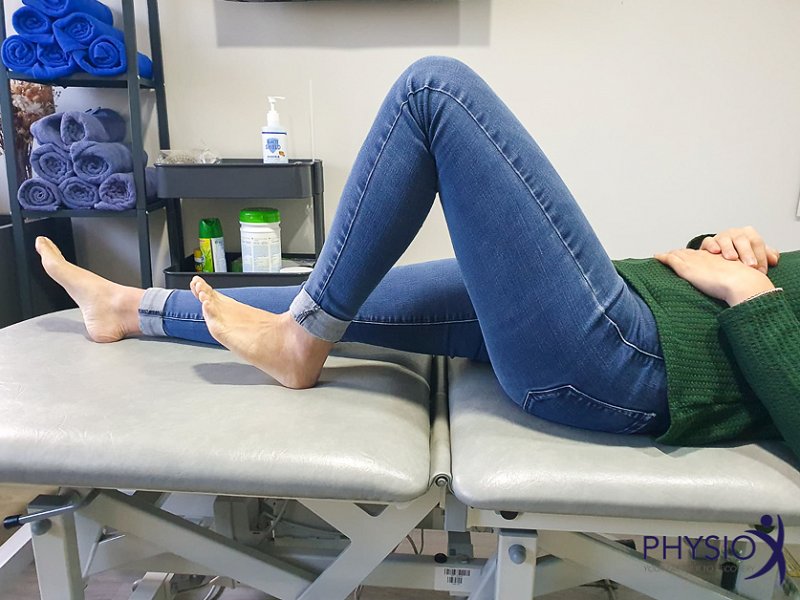
Heel Slides
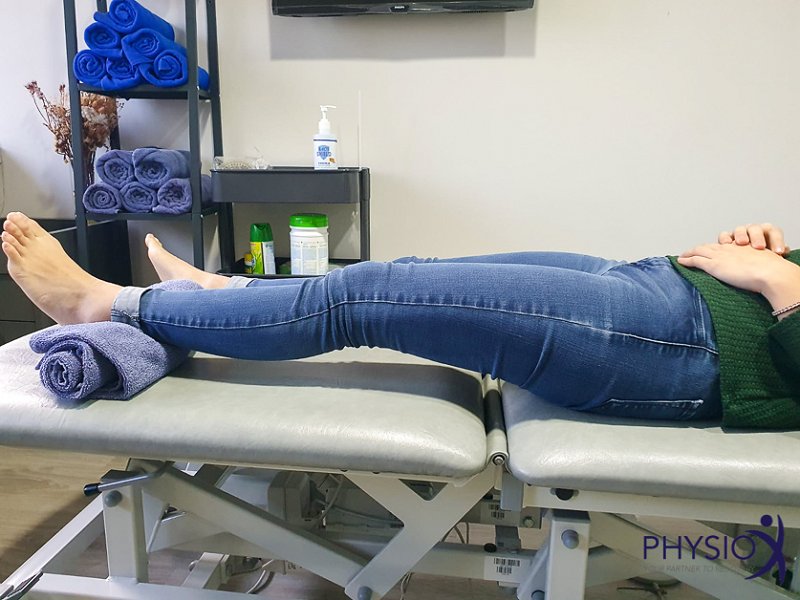
Knee Extension
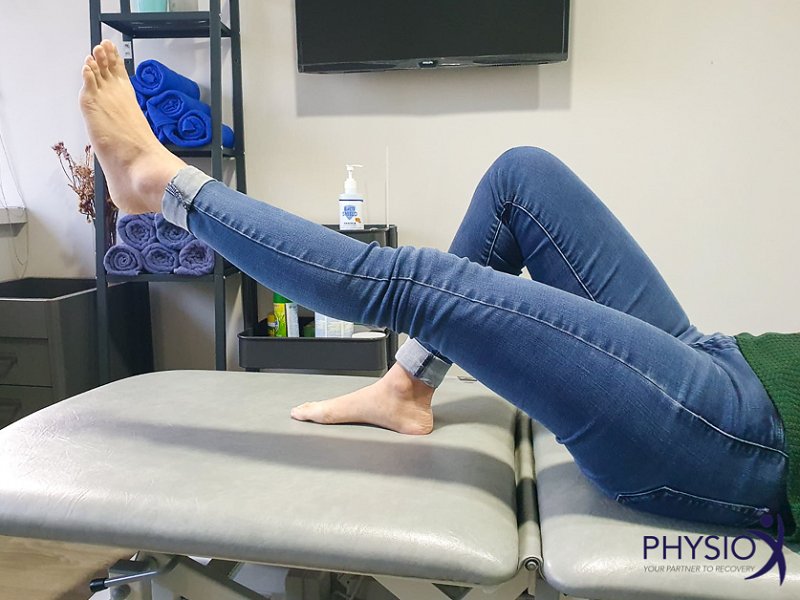
Straight Leg Raise
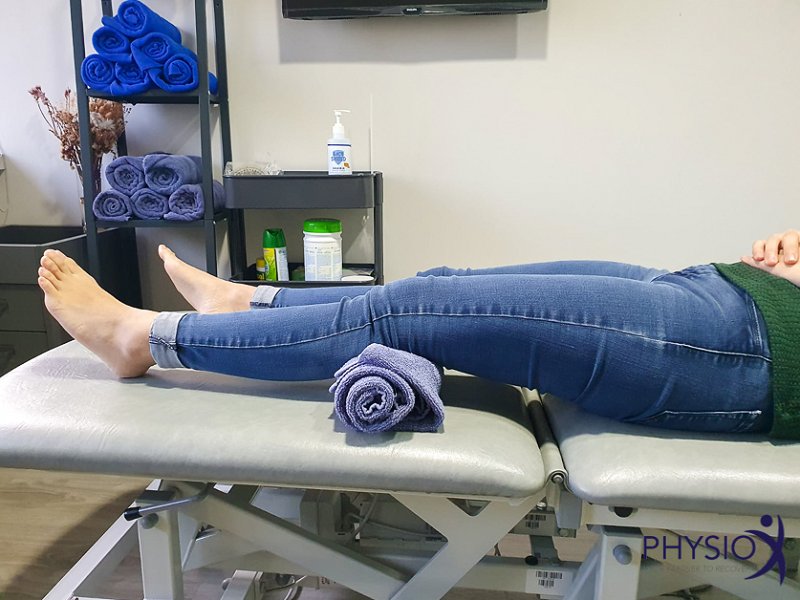
Static Quads Contraction

What is expected of me?

To maximise your rehabilitation process, it is paramount that you be diligent with your prescribed exercise program. Should any issues arise during the program, it is necessary to inform your Physiotherapist immediately. Your Physiotherapist will reassess the situation and provide you with the best possible care.

Book now or give us a call to schedule an appointment to see our Physiotherapist who will be able to partner you to recovery after your ACL reconstruction. Learn more about our post surgery care here.

DISCLAIMER: These advise and exercises should not replace the need for a consultation with a Physiotherapist especially if your condition doesn’t improve. Therapeutic exercise should be carefully selected to suit your condition.

Filed under: Knee

Share Post:

Categories

[blog_categories]

Latest Posts

How to Return to Running Safely

How to Return to Running Safely

The first run back after injury often feels like a test. You lace up, tell yourself to take it easy, then spend the whole session wondering whether every twinge means you have done too much. If you are trying to work out how to return to running safely, that...

Tennis Elbow Physiotherapy That Works

Tennis Elbow Physiotherapy That Works

That sharp pull on the outside of your elbow often shows up during ordinary tasks before sport does - lifting a kettle, gripping a mouse, carrying shopping, or shaking someone’s hand. Tennis elbow physiotherapy is not really about chasing pain with quick fixes. Done...

A Guide to Meniscus Surgery Recovery

A Guide to Meniscus Surgery Recovery

The first few days after knee surgery can feel deceptively simple. The stitches are small, the pain may be manageable, and many people assume the hard part is over. In reality, a good guide to meniscus surgery recovery starts here - not with rest alone, but with the...

Hip Pain Physiotherapy That Actually Helps

Hip Pain Physiotherapy That Actually Helps

That sharp pinch getting out of a chair, the ache on a long walk, the stiffness after a run - hip pain has a way of shrinking daily life. Good hip pain physiotherapy is not about chasing symptoms with a few stretches or a quick massage. It is about working out why the...

How to Recover After ACL Surgery

How to Recover After ACL Surgery

The first few weeks after ACL reconstruction can feel oddly contradictory. Your knee may look better than you expected, yet simple things like walking, sleeping comfortably or getting up from a chair can feel far harder than they should. If you are wondering how to...

Can Physiotherapy Help a Slipped Disc?

Can Physiotherapy Help a Slipped Disc?

That sharp pain down the leg, the sudden difficulty standing upright, the fear of bending to pick something up - a slipped disc can make ordinary movement feel risky. If you are wondering can physiotherapy help slipped disc symptoms, the short answer is yes, in many...

Knee Pain After Running: What It Means

Knee Pain After Running: What It Means

A sore knee after a run can feel deceptively simple. You finish, cool down, and only then notice an ache around the kneecap, a sharp twinge on the outside of the knee, or stiffness that appears when you sit down later. Knee pain after running is common, but it is not...

Guide to Rotator Cuff Rehabilitation

Guide to Rotator Cuff Rehabilitation

Shoulder pain has a way of getting into everything. Reaching for a seatbelt, lifting a child, swimming, pressing overhead at the gym, even finding a comfortable sleeping position can suddenly feel uncertain. A good guide to rotator cuff rehabilitation should do more...

Lower Back Pain Physio Treatment That Works

Lower Back Pain Physio Treatment That Works

Lower back pain has a way of shrinking life. Sitting through a work meeting becomes distracting, lifting your child feels risky, and even a decent night’s sleep can turn into a negotiation with your spine. Good lower back pain physio treatment is not about chasing a...

Shoulder Pain Rehabilitation Programme Guide

Shoulder Pain Rehabilitation Programme Guide

Reaching for a seatbelt, lifting a child, pressing overhead at the gym, even finding a comfortable sleeping position - shoulder pain has a way of turning ordinary movements into a daily reminder that something is not right. A good shoulder pain rehabilitation...

Verified by MonsterInsights