
Key Points
- Soccer players have a higher risk of radiographic knee osteoarthritis (OA) compared to people who do not play soccer, but this risk is mostly due to previous knee injuries rather than playing soccer alone.
- Playing soccer at a professional level increases the risk of knee osteoarthritis more than recreational play, largely owing to more injuries and longer hours of play.
- When soccer players do not have a history of major knee injury, their risk of developing knee osteoarthritis is similar to those who never played soccer.
- Clinical implication: Prevention of knee injuries in soccer is critical for reducing later risk of knee osteoarthritis, not simply quitting the sport.
- Study limitation: The definition of previous injury and levels of play varied between studies, which may affect how results can be applied to all soccer players.
- Patient implication: People who play soccer should not avoid participation purely because of fear of knee osteoarthritis; prevention and management of injuries offer the best protection for long-term knee health.
Understanding Knee Osteoarthritis And Soccer Participation
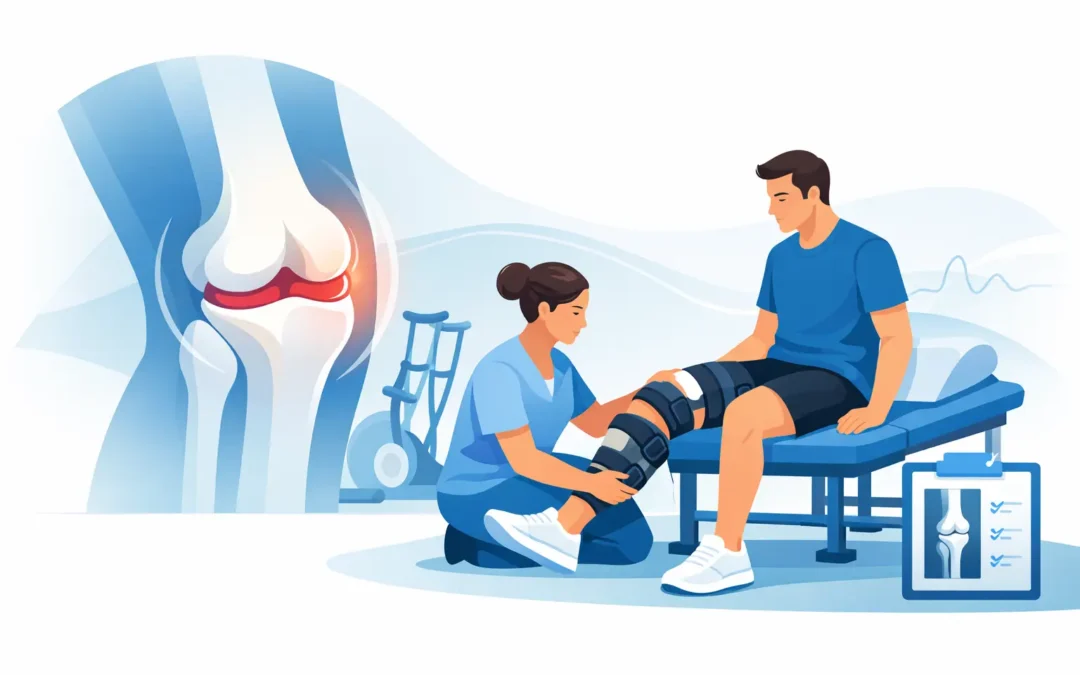
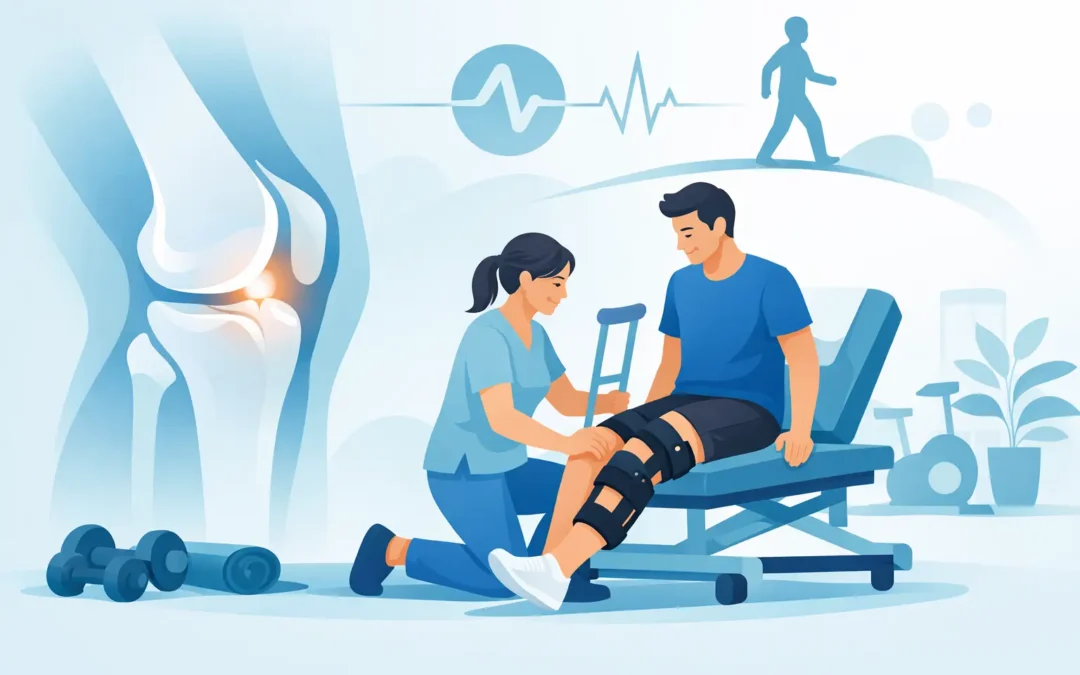
Knee osteoarthritis (OA) is a common condition that affects millions of people worldwide. It causes pain, stiffness, and loss of function in the knee. As populations age, knee OA is affecting more people than ever, including in Singapore. Many people love soccer, playing either professionally or for fun. Some have heard that playing soccer increases the risk of knee arthritis, but what does the research actually show?
A recent comprehensive review looked at this issue to answer several important questions. Does playing soccer lead to a higher chance of developing knee osteoarthritis? Are professional players at greater risk than recreational players? How much does previous knee injury matter when thinking about future arthritis risk? Let’s work through these questions step by step.
The Relationship Between Soccer And Knee Osteoarthritis
Soccer is the world’s most popular sport. Millions of people play it at all levels, from neighbourhood games to the professional leagues. However, the repetitive running, twisting, and contact involved can put strain on the knees. Some fear that this might wear out the joints and cause arthritis later in life.
Several previous studies and reviews have investigated the links between playing soccer and developing knee OA. This most recent systematic review only included high-quality studies that looked for knee OA using X-rays (radiographic diagnosis), providing a clearer and more objective picture than simple questionnaires or clinical impressions alone.
Do Soccer Players Have A Greater Risk Of Knee Osteoarthritis?
The first question many people ask is: “Are soccer players more likely to get knee OA than people who never play soccer?” The review found that, overall, both professional and recreational soccer players do have a higher risk of radiographic knee OA than control groups (people who do not play soccer).
In numbers, around 44% of the soccer players in the studies had signs of knee OA on X-ray, versus about 39% in the control group. This gave an odds ratio of 1.59, meaning soccer players were about 1.6 times more likely to get knee osteoarthritis than those who don’t play. But does this automatically mean that soccer itself is directly to blame? This is where the review asks deeper questions.
How Previous Knee Injuries Make The Difference
A key factor stood out across all the studies included in the review: knee injuries. Soccer players are more likely to suffer significant knee injuries, such as damage to the meniscus, ligaments (especially the anterior cruciate ligament, or ACL), or cartilage. These injuries are well-known risk factors for developing post-traumatic knee OA.
So the next question is: “Is it soccer, or is it the higher number of injuries among soccer players that causes more arthritis?” The review directly examined this by looking at what happens when you take previous knee injury into account.
What If You Exclude Players With Previous Knee Injuries?
Researchers compared soccer players without prior major knee injuries to people who did not play soccer and who had no knee injury history. In this careful comparison, there was no significant difference in the rate of knee osteoarthritis between the two groups.
In plain terms, if someone played soccer but had never seriously injured their knee, their chance of developing knee OA was about the same as a non-soccer player. This finding is crucial for patients and clinicians because it means that the act of playing soccer itself is not the major cause—rather, it is the injuries that often happen during matches or training.
How Big Is The Effect Of A Knee Injury?
Among soccer players who had suffered a major knee injury in the past, the risk of knee OA was more than four times higher than in soccer players who had never had such an injury. Roughly 62% of soccer players with a previous knee injury developed radiographic OA, compared to only 20% of those without.
Does The Level Of Play Matter? Professional Versus Recreational Soccer
Some wonder if playing at the elite or professional level, with more matches and harder training, poses a bigger risk than social or recreational play. The review found that:
- Professional soccer players had a significantly higher risk of knee OA than both recreational soccer players and non-players.
- Professional players had about three times the risk compared to controls.
- Recreational soccer players had a slightly higher risk than the public, but the effect was much smaller than in professionals.
This probably relates to longer hours of play, higher risk of injury due to intensity, and a greater number of years playing the sport at the top level. Recreational players, who play less often and at lower intensity, have far fewer injuries and, therefore, a lower risk of knee OA.
Role Of Sex In Soccer-Related Knee Osteoarthritis
The review also looked for differences between male and female soccer players, though most of the available research only included men. Where female data were available, the risk of knee OA from soccer did not differ significantly compared to men. This suggests that, for both sexes, the main determinant of future knee OA is a serious injury, not sex alone.
Why Are These Findings Important For Patients And Physiotherapists?
For anyone who loves soccer or cares for people who play the sport, this study offers several essential lessons:
- Simply playing soccer does not necessarily cause arthritis. The main risk comes from suffering a serious knee injury, especially one requiring surgery or major time away from play.
- Professional players are at greater risk than those at recreational levels, but even professionals benefit from injury prevention strategies.
- Preventing knee injuries is the best way to reduce the risk of OA among soccer players.
Therefore, efforts should be focused on making the sport safer and promoting injury prevention programmes—such as FIFA 11+—rather than discouraging participation outright.
How Should These Findings Shape Clinical Practice and Advice?
Here are the relevant clinical and patient implications, as revealed by the article:
- Prevention is key: Injury prevention programmes (such as FIFA 11+) can significantly reduce the number and severity of injuries and, by extension, future cases of osteoarthritis.
- Early and effective management of knee injuries matters: Prompt, appropriate care for any knee injury may help prevent long-term joint damage.
- Do not discourage soccer participation unnecessarily: Many health and social benefits come from playing soccer, and these findings do not support telling people to quit the sport out of fear of later OA.
- Communicate realistic risks: The increased OA risk is mostly limited to those with previous injury or professional players.
- Customised advice: Each player’s risk should be considered individually, taking into account injury history and level of play.
References
Olsson Wållgren, J., Ferré-Aniorte, A., Senorski, E. H., Veznaver, D., Snaebjornsson, T., Samuelsson, K., & Alentorn-Geli, E. (2024). Does Playing Football (Soccer) Really Increase the Risk of Knee Osteoarthritis? A Systematic Review and Meta-analysis. Journal of Orthopaedic & Sports Physical Therapy, 54(5), 328–339. https://doi.org/10.2519/jospt.2024.12029