
Key Points
- Early meniscal surgery was not superior to supervised exercise therapy combined with patient education for young adults with meniscal tears at 12 months in reducing pain, improving function, and enhancing quality of life.
- Clinically meaningful improvements occurred in both traumatic and nontraumatic tear patients regardless of whether surgery or exercise and education was chosen.
- Clinical implication: Exercise therapy with education should be strongly considered as the first-line treatment for young adults with meniscal tears, with surgery reserved for those not responding sufficiently.
- Study limitation: This exploratory analysis was limited by sample size, particularly in the nontraumatic tear group, and symptom onset grouping was self-reported, affecting precision.
- Patient implication: Patients can expect good recovery with either treatment, allowing for personalized care decisions based on individual symptoms and preferences.
Understanding Meniscal Tears and Treatment Options
Many young adults, especially those active in sports or physically demanding activities, face knee discomfort due to meniscal tears. You may wonder what exactly a meniscal tear involves.
The meniscus is a cushion of cartilage in your knee that helps absorb shock and stabilise the joint. Tears can happen suddenly during movements like twisting or landing incorrectly—a traumatic tear—or develop gradually without a clear injury, often called nontraumatic or degenerative tears.
When diagnosed, a common question is whether surgery is necessary or if non-surgical options might work just as well. Traditionally, arthroscopic knee surgery has been the standard, but recent evidence has highlighted the effectiveness of supervised exercise therapy combined with patient education as a viable alternative.
It might also be natural to think that the tear type—whether traumatic or nontraumatic—would influence which treatment is better. However, insightful recent research shows that improvements from either surgery or exercise and education are similar regardless of tear onset.
Comparing Early Surgery With Exercise Therapy and Education
Many ask: “Is early surgery better than exercise therapy combined with education for meniscus injuries?” Evidence from a well-conducted randomized controlled trial, involving young adults with MRI-confirmed meniscal tears, found no significant difference in key outcomes between early surgery and a 12-week supervised exercise and education programme at 12 months.
Both groups reported marked improvements in pain, function during sports and recreation, symptoms, and quality of life.
Additionally, in the exercise group, approximately one-quarter of patients eventually opted for surgery, showing that many people can achieve meaningful progress without immediate surgery. This supports an approach where exercise therapy with education is offered first, reserving surgery for those who need it later.
You might also wonder what the exercise therapy programme includes. It consists of supervised neuromuscular and strengthening exercises twice a week, backed by educational sessions aimed at improving patients’ understanding of knee health and encouraging sustained engagement with rehabilitation.
What Kind of Improvement Can I Expect?
Patients often expect to see whether their symptoms will improve regardless of the treatment they choose. Encouragingly, both early surgery and conservative exercise-based care resulted in clinically meaningful improvement over the year, including pain reduction, better knee function, and enhanced quality of life.
Some secondary analysis hinted at minor benefits favoring surgery for certain specific outcomes like function in sport and recreation, yet these differences were not enough to be considered clinically significant.
Are There Risks or Downsides To Consider?
As with any treatment decision, understanding limitations is crucial. This trial’s subgroup analysis was exploratory, with relatively small numbers, particularly for nontraumatic tears. The self-reporting method for symptom onset can introduce some uncertainty in precisely categorizing patients.
This means that while results are promising and support conservative care, additional research may further clarify nuances between tear types and patient characteristics.
The Role of Physiotherapists in Meniscal Tear Management
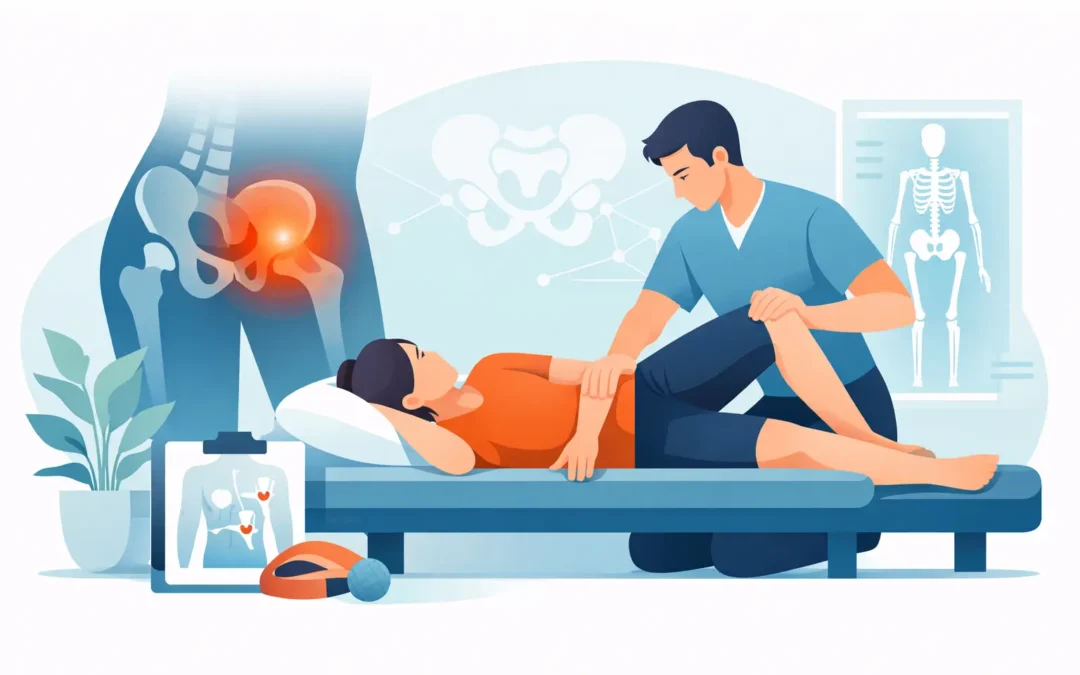
Physiotherapists have a pivotal role here. By guiding supervised exercise therapy and education, they help patients strengthen knee muscles, retrain movement patterns, and build confidence in their knee without rushing into surgery.
Personalised care plans, focusing on patient goals and functional improvements, are essential. Education also addresses common fears and misconceptions, empowering better self-management.
Is Surgery Still An Option If Exercise Does Not Work?
Yes. The study supports a stepped-care model where surgery remains available if symptoms persist or worsen after conservative management. This flexibility reassures patients and clinicians that exercise therapy and education do not close the door to surgery.
In fact, nearly 26% of patients in the exercise group chose surgery later, highlighting that treatment can be tailored over time according to individual progress.
Making an Informed Decision About Treatment
Treatment choice is personal. Knowing that early surgery does not clearly outperform supervised exercise therapy combined with education allows you to consider factors beyond just clinical outcomes—such as personal preferences, lifestyle, recovery goals, and tolerance for surgery.
Open communication with physiotherapists and orthopaedic surgeons facilitates shared decision-making, supporting decisions that best fit your unique situation.
Looking Ahead
Recovery journeys vary. Rehabilitative exercises guided by physiotherapists, coupled with education about your injury and knee health, often produce excellent results.
Should surgery become necessary, rehabilitation after surgery also supports safe return to activity.
Either way, staying engaged with your care provider boosts confidence, improves knee function, and helps reduce pain over time.
References
Damsted, C., Skou, S. T., Hölmich, P., Lind, M., Varnum, C., Jensen, H. P., Hansen, M. S., & Thorlund, J. B. (2024). Early Surgery Versus Exercise Therapy and Patient Education for Traumatic and Nontraumatic Meniscal Tears in Young Adults—An Exploratory Analysis From the DREAM Trial. Journal of Orthopaedic & Sports Physical Therapy, 54(5), 340–349. https://doi.org/10.2519/jospt.2024.12245