
Key Points
- Understanding Osteoporosis: Osteoporosis is a condition that weakens bones, making them fragile and more likely to break.
- Effective Exercise: Regular resistance and impact exercises can help improve bone strength and reduce the risk of falls.
- Individualised Approach: Tailored exercise programs and professional guidance are essential for managing osteoporosis effectively.
What is osteoporosis?
Osteoporosis is a medical condition where bones become weak and brittle due to a decrease in bone density. This condition makes bones more susceptible to fractures, even from minor falls or bumps. It is often called the “silent disease” because bone loss occurs without symptoms.
Who is at risk of experiencing osteoporosis?
Several factors increase the risk of developing osteoporosis:
- Age: Bone density naturally decreases with age.
- Gender: Women, especially postmenopausal women, are at higher risk.
- Family History: A family history of osteoporosis can increase risk.
- Diet and Lifestyle: Poor nutrition, lack of calcium and vitamin D, smoking, and excessive alcohol consumption can contribute to bone loss.
- Medical Conditions: Certain conditions like rheumatoid arthritis and thyroid disorders can increase risk.
What are the consequences of osteoporosis?
Osteoporosis can lead to:
- Fractures: Common sites include the hip, spine, and wrist. These fractures can occur from minor falls or even from sneezing or coughing in severe cases.
- Chronic Pain: Fractures, especially in the spine, can cause persistent pain.
- Loss of Mobility: Severe fractures can lead to reduced mobility and independence.
- Decreased Quality of Life: The fear of fractures and associated pain can limit daily activities and social interactions.
Current treatment options and recommendations for osteoporosis
The article outlines several treatment options and recommendations for managing osteoporosis:
- Medication: Bisphosphonates, hormone replacement therapy, and other medications can help strengthen bones.
- Nutrition: Adequate intake of calcium and vitamin D is crucial for bone health.
- Lifestyle Changes: Quitting smoking and reducing alcohol intake are important preventive measures.
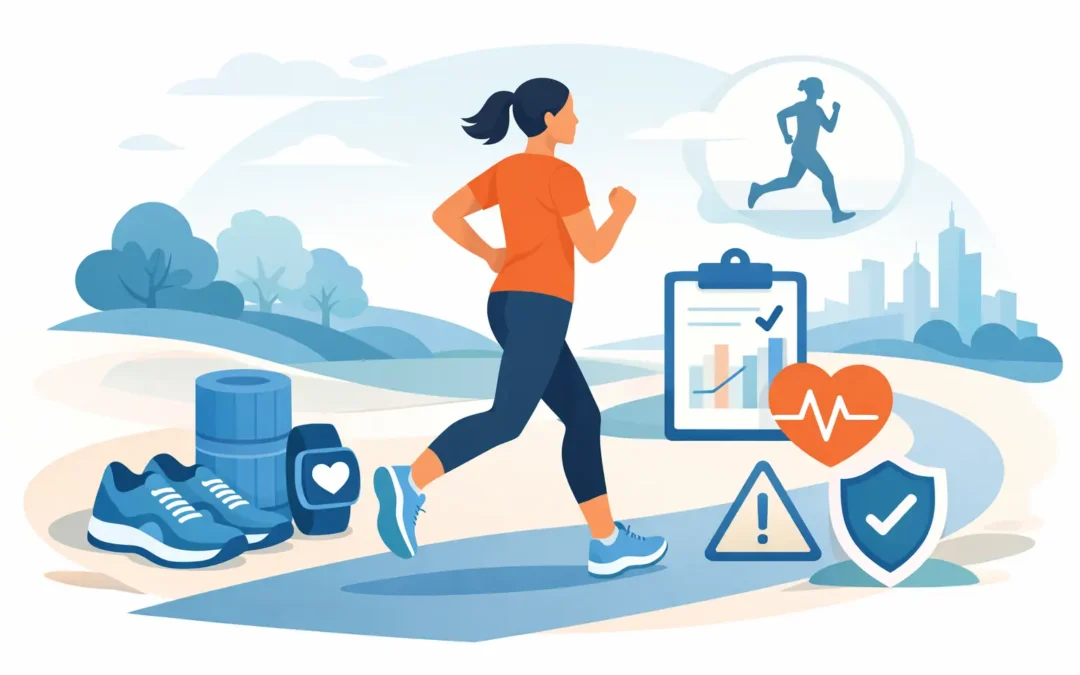
- Exercise: Regular physical activity is essential to maintain bone density and prevent falls.
Exercise recommendations for osteoporosis management
How much and how often should one exercise to manage the risk of osteoporosis?
- Resistance and Impact Exercise: These exercises should be performed to maximise bone strength. Examples include weight lifting and jumping exercises.
- Frequency: Aim for resistance exercises at least two to three days per week.
- Balance and Strength Training: Activities like Tai Chi, yoga, and Pilates can help improve balance and prevent falls. These should be performed at least twice a week.
- Posture Exercises: Spinal extension exercises are recommended to improve posture and reduce the risk of vertebral fractures.
For people with vertebral fractures or multiple low-trauma fractures:
- Exercise should be limited to an impact equivalent to brisk walking.
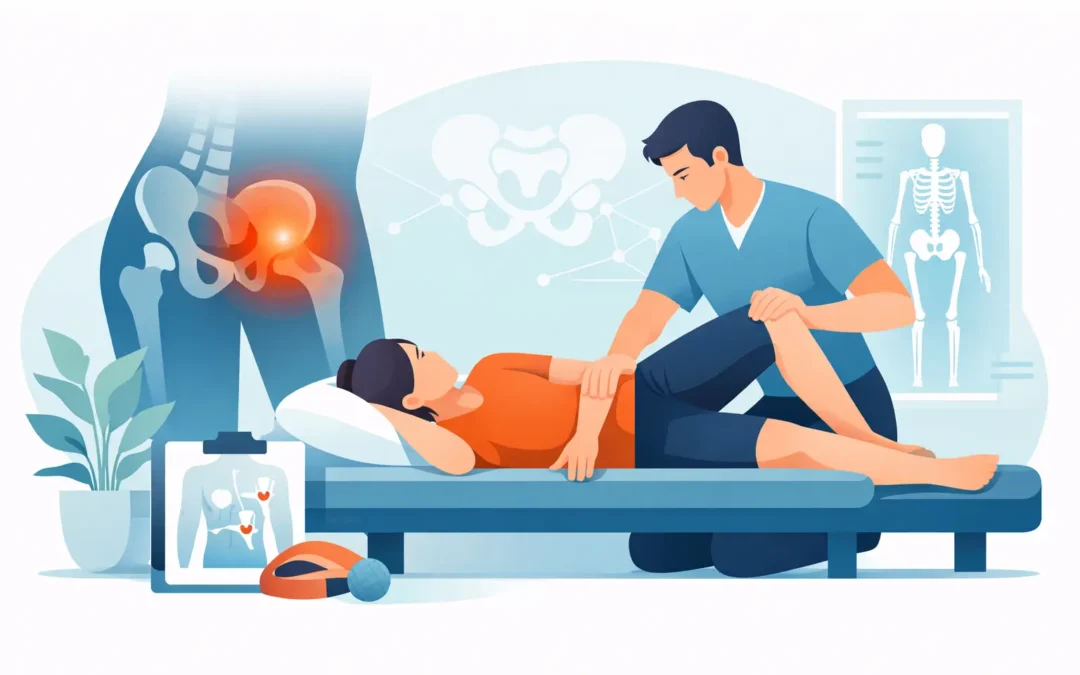
- Professional guidance from a physiotherapist is recommended to ensure safe and effective exercise routines.
Benefits of exercise in osteoporosis management
Exercise offers multiple benefits over other treatment methods:
- Natural Approach: It enhances the body’s natural ability to strengthen bones.
- Overall Health: Regular exercise improves overall health, including cardiovascular fitness, muscle strength, and mental well-being.
- Quality of Life: Exercise helps maintain mobility and independence, which can significantly improve the quality of life for individuals with osteoporosis.
Outcomes of exercise for osteoporosis
There are several positive outcomes from incorporating exercise into osteoporosis management:
- Improved Bone Density: Regular resistance and impact exercises can significantly improve bone mineral density.
- Reduced Risk of Falls: Strength and balance training helps reduce the risk of falls and subsequent fractures.
- Enhanced Quality of Life: Patients who engage in regular exercise report better overall health and quality of life.
Conclusion
Osteoporosis is a manageable condition with the right approach. Regular exercise, along with appropriate nutrition and lifestyle changes, plays a crucial role in maintaining bone health and preventing fractures. By incorporating resistance, impact, and balance exercises into daily routines, individuals can significantly reduce their risk of osteoporosis-related complications and improve their overall well-being.
Exercise shouldn’t be shuned! It’s a lifestyle. We always encourage our patients to view strength as an investment, like how you would save money for a rainy day, you would also build strength so that if the day comes that you fall, you’re less likely (not unlikely!) to break a bone (or two!).
Contact us today to find out how our Physiotherapist we can help you!
Ref: Brooke-Wavell, K., Skelton, D. A., Barker, K. L., Clark, E. M., De Biase, S., Arnold, S., Paskins, Z., Robinson, K. R., Lewis, R. M., Tobias, J. H., Ward, K. A., Whitney, J., & Leyland, S. (2022). Strong, steady and straight: UK consensus statement on physical activity and exercise for osteoporosis. British Journal of Sports Medicine. https://doi.org/10.1136/bjsports-2021-104634