Key Point
- Regular exercise helps to increase bone strength and reduce the likelihood of fractures for those with osteoporosis
- There is limited evidence to show that exercise can cause harm for people with osteoporosis
What is Osteoporosis?
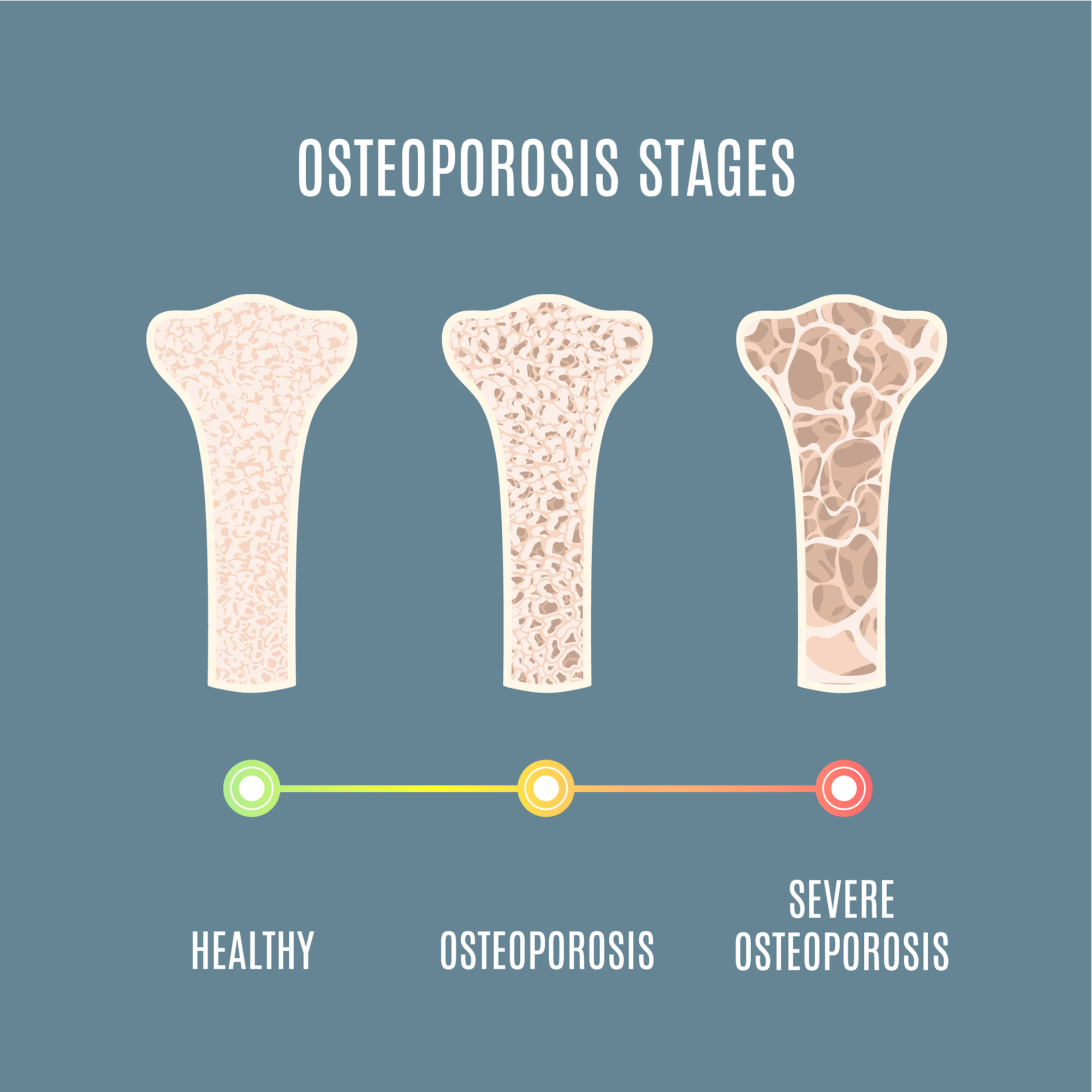
Osteoporosis – the loss of bone mass that causes bones to become more fragile and brittle – is becoming an increasing public health problem in Singapore, and is the cause of millions of fractures worldwide every year. However, it may surprise you to learn that osteoporosis does not have to mean broken bones!
Can you prevent osteoporosis? Yes you can! In fact, many aspects of osteoporosis are actually preventable through changes to diet and lifestyle choices, with one of the most important factors being regular exercise.
Is exercise good for osteoporosis?
Now, you may be wondering, is exercise good or bad for osteoporosis? If osteoporosis makes your bones weaker and more likely to break, would exercising be a bit too risky? What if you end up injuring yourself during exercise? Well fear not, because a lot of research has already been done on how to exercise safely for those with osteoporosis! In fact, a recent study published in the British Journal of Sports Medicine sought to investigate this question: is exercise safe for people with osteoporosis? It also aimed to find the best kinds of exercise for managing osteoporosis, address pain and to reduce the risk of fractures.
After consulting medical experts and those with osteoporosis, as well as reviews of previous research, the study recommends 3 types of exercises for managing osteoporosis – Strong, Steady and Straight
Strong
It refers to exercises that help to increase bone and muscle strength so that you would be less likely to get fractures in the future. These exercises can be separated into two types – resistance and weight bearing.
Resistance exercise for osteoporosis
Resistance exercises should focus especially on areas of the body where fractures are more likely to occur, such as the back, upper arms and legs. The study recommends using weights or resistance bands to achieve the best effects.
Weight bearing exercise for osteoporosis
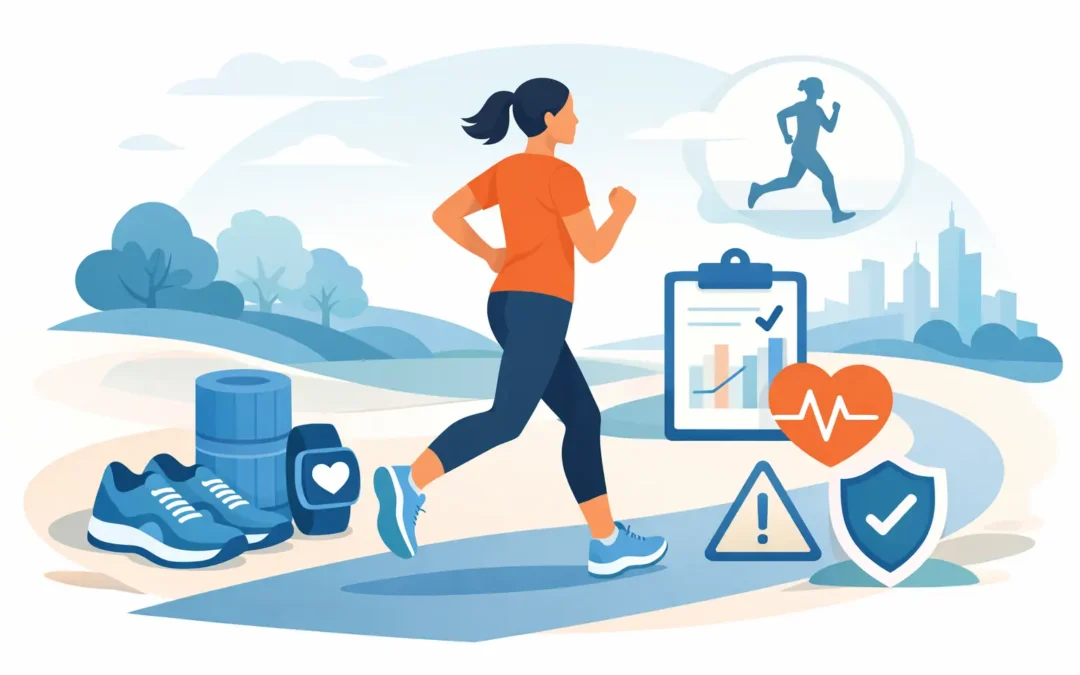
Weight bearing exercises are meant to help increase bone strength, and include running, jumping, as well as many forms of dance and sport. Since most of these activities do not require any equipment, they are the perfect choice for those who do not have the equipment needed for resistance exercises. However, for those who have already suffered fractures or are at high risk of fractures, less intense forms of exercise such as walking or stair climbing would be more suitable.
Steady exercises
Refers to strength and balance training that makes you less likely to fall down – one of the most common causes of bone fractures for those with osteoporosis. Some exercises to improve in this area include lunges, toe and heel raises, and single leg stands. Activities such as Yoga, Pilates and Tai Chi are great ways to train your balance!
Straight exercises
Refers to activities that help improve your posture and reduce the risk of spinal fractures. For those who are feeling pain due to previous spinal cord injury, these exercises are also meant to help reduce your pain. While activities such as pilates, swimming and yoga are very helpful in this area, good habits such as maintaining a straight back when standing and bending down during day-to-day activities are also effective in improving posture and reducing pain.
Is exercise harmful for osteoporosis?
Overall, the study concluded that there is little data to show that exercise is likely to be harmful for those with osteoporosis. In fact, being inactive can actually be more damaging to your health as it would only lead to more loss of bone mass!
If you are still concerned about the safety of your exercises, or if you are unsure of what exercises are right for you, consider seeking out the advice of a Physiotherapist! As a trained professional, we can assess your specific condition and recommend exercises that are right for you, so that you can recover as quickly and as safely as possible. We can also check that you are doing your exercises correctly so you will not hurt yourself while doing them.
Book now or give us a call to schedule an appointment to see our Physiotherapists who will be able to partner you on your journey of recovery from osteoporosis!
Ref:
Strong, steady and straight: UK consensus statement on physical activity and exercise for osteoporosis. Brooke-Wavell K, Skelton DA, Barker KL, et al. Br J Sports Med Epub ahead of print: [1 April 2022]. doi:10.1136/bjsports-2021-104634