Using Kinesiology taping to stabilise the ankle – does it work?

24th Jun, 2019

How effective is K-tape?  

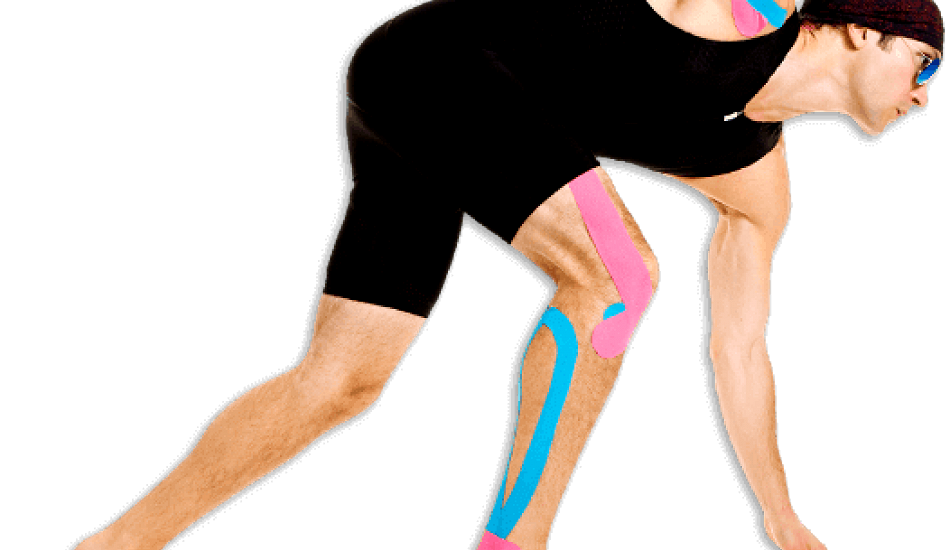
It’s Scotch tape, it’s rainbow tape, no, it’s K-tape! Have you seen runners or athletes beautifully taped up in multi-coloured tapes? Ever wondered what they might be? They are called ‘Kinesiology Tape’, or more commonly known as ‘KT tape’! You might have heard of doctors or therapists using K-Tape for various reasons — such as to reduce pain and swelling and increase muscle function etc. But…do K-tape really work?

Here’s a short study that explores the effectiveness of K-Tape with respect to ankle stability i.e. rolling your ankle.

Why are we interested in ankle stability?

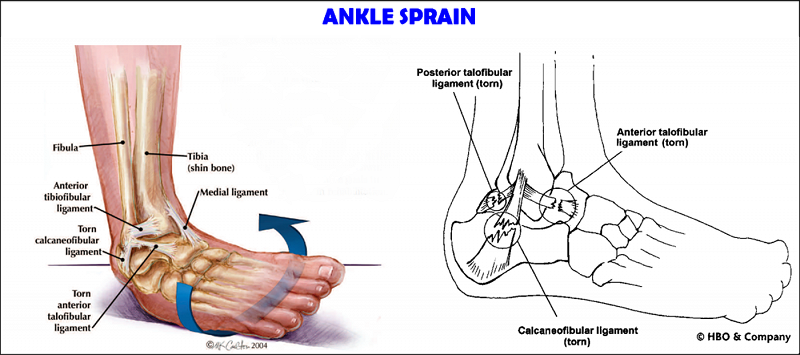
Unstable ankles will likely lead to a lateral ankle sprain. Lateral ankle sprains are the most common type of ankle sprains and they occur during a sudden or forced ankle inversion (i.e. the ankle is rolled outwards). As seen in the picture below, there is a group of ligaments on the outside of your ankle — simply put, many ligaments sit between bones to hold the joint together. Their function is to limit excessive movements and stress on the ankle to provide ankle stability and support. A rapid ankle inversion causes the outer ankle ligaments to stretch and tear at varying degrees, resulting in ankle sprain injuries.
What can K-tape do?

It has been suggested that K-Tape is able to improve ankle stability and enhance joint position sense, that is, knowing where your ankle is in space, to prevent recurrent ankle sprains. This study focused on the activity and delayed activation of two main ankle stabilising muscles, namely the peroneus longus and tibialis anterior muscles. These two primary muscles act to support the ankle in the event of a sudden ankle inversion.

K-tape has no effect on ankle activity! 

The results of this study suggested that K-Tape…wait for it…had no effect on the activity or delay between the two muscles during a simulated ankle inversion. Hence, its efficacy in preventing ankle sprains is negligible!

Can Physiotherapy help with my unstable ankle?

Since K-Tape will not help to reduce the risk of an ankle sprain or improve ankle stability…what can I do?

The usual complaint of an unstable ankle is the feeling of it being “loose”, “giving way”, and even sometimes “like it’s going to fall off”. There are instances where there might be pain or occurrence of recurrent ankle sprains even when walking on level ground.

Physiotherapists in PhysioX can diagnose the problem and identify an area of weakness that could be contributing to your ankle instability. For example, a reduced strength in one or more of the muscles around your ankle can alter the way your ankle reacts to sudden movements, which can result in foot and ankle instability. With a thorough assessment, we are then able to provide you with a rehabilitation plan to strengthen and work on those muscles, to ensure that they are in optimal condition to prevent recurrent or future ankle sprains!

Food for thought: YES — K-Tape may look fancy and seem to be widely used; HOWEVER, can they provide more than just a fashion statement?

Book now or give us a call to schedule an appointment to see our Physiotherapist who will be able to partner you to recovery.

DISCLAIMER: These advise and exercises should not replace the need for a consultation with a Physiotherapist especially if your condition doesn’t improve. Therapeutic exercise should be carefully selected to suit your condition.

Ref:
Slevin, Z. M., Arnold, G. P., Wang, W., & Abboud, R. J.. Immediate effect of kinesiology tape on ankle stability. BMJ Open Sport & Exercise Medicine, 6(1).

Filed under: Ankle

Share Post:

Categories

[blog_categories]

Latest Posts

How to Return to Running Safely

How to Return to Running Safely

The first run back after injury often feels like a test. You lace up, tell yourself to take it easy, then spend the whole session wondering whether every twinge means you have done too much. If you are trying to work out how to return to running safely, that...

Tennis Elbow Physiotherapy That Works

Tennis Elbow Physiotherapy That Works

That sharp pull on the outside of your elbow often shows up during ordinary tasks before sport does - lifting a kettle, gripping a mouse, carrying shopping, or shaking someone’s hand. Tennis elbow physiotherapy is not really about chasing pain with quick fixes. Done...

A Guide to Meniscus Surgery Recovery

A Guide to Meniscus Surgery Recovery

The first few days after knee surgery can feel deceptively simple. The stitches are small, the pain may be manageable, and many people assume the hard part is over. In reality, a good guide to meniscus surgery recovery starts here - not with rest alone, but with the...

Hip Pain Physiotherapy That Actually Helps

Hip Pain Physiotherapy That Actually Helps

That sharp pinch getting out of a chair, the ache on a long walk, the stiffness after a run - hip pain has a way of shrinking daily life. Good hip pain physiotherapy is not about chasing symptoms with a few stretches or a quick massage. It is about working out why the...

How to Recover After ACL Surgery

How to Recover After ACL Surgery

The first few weeks after ACL reconstruction can feel oddly contradictory. Your knee may look better than you expected, yet simple things like walking, sleeping comfortably or getting up from a chair can feel far harder than they should. If you are wondering how to...

Can Physiotherapy Help a Slipped Disc?

Can Physiotherapy Help a Slipped Disc?

That sharp pain down the leg, the sudden difficulty standing upright, the fear of bending to pick something up - a slipped disc can make ordinary movement feel risky. If you are wondering can physiotherapy help slipped disc symptoms, the short answer is yes, in many...

Knee Pain After Running: What It Means

Knee Pain After Running: What It Means

A sore knee after a run can feel deceptively simple. You finish, cool down, and only then notice an ache around the kneecap, a sharp twinge on the outside of the knee, or stiffness that appears when you sit down later. Knee pain after running is common, but it is not...

Guide to Rotator Cuff Rehabilitation

Guide to Rotator Cuff Rehabilitation

Shoulder pain has a way of getting into everything. Reaching for a seatbelt, lifting a child, swimming, pressing overhead at the gym, even finding a comfortable sleeping position can suddenly feel uncertain. A good guide to rotator cuff rehabilitation should do more...

Lower Back Pain Physio Treatment That Works

Lower Back Pain Physio Treatment That Works

Lower back pain has a way of shrinking life. Sitting through a work meeting becomes distracting, lifting your child feels risky, and even a decent night’s sleep can turn into a negotiation with your spine. Good lower back pain physio treatment is not about chasing a...

Shoulder Pain Rehabilitation Programme Guide

Shoulder Pain Rehabilitation Programme Guide

Reaching for a seatbelt, lifting a child, pressing overhead at the gym, even finding a comfortable sleeping position - shoulder pain has a way of turning ordinary movements into a daily reminder that something is not right. A good shoulder pain rehabilitation...

Verified by MonsterInsights