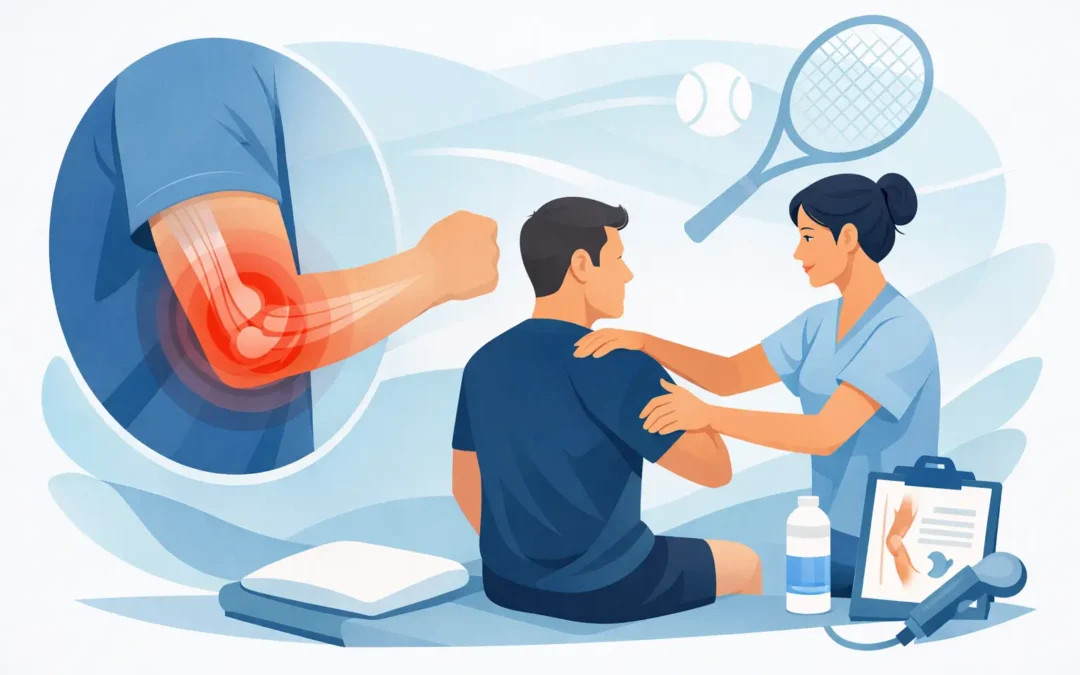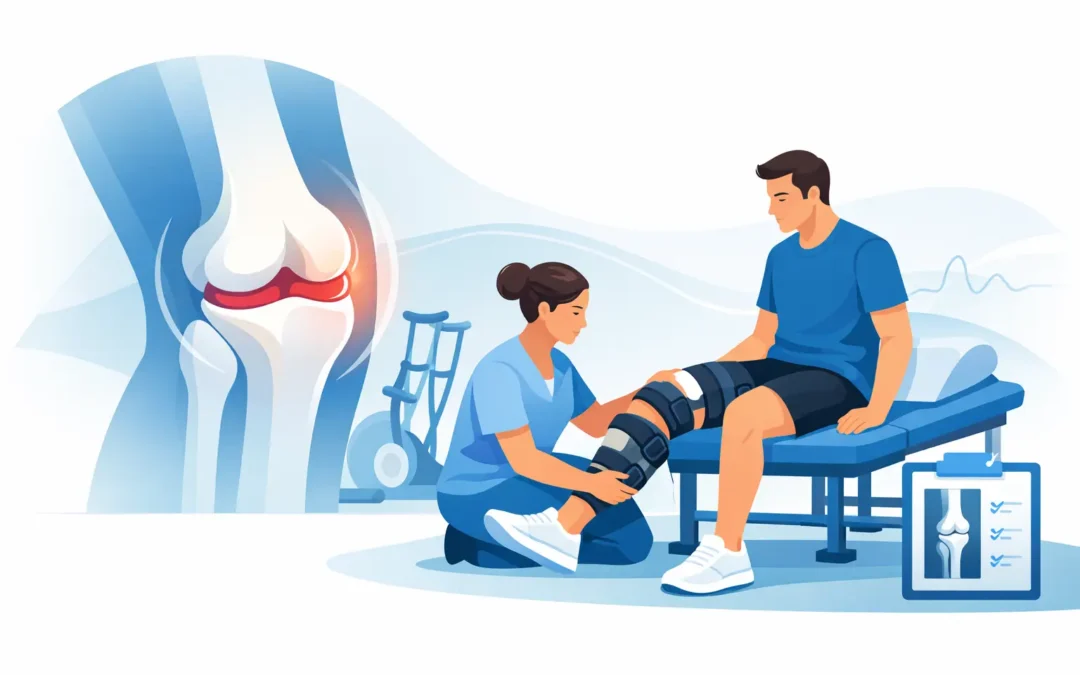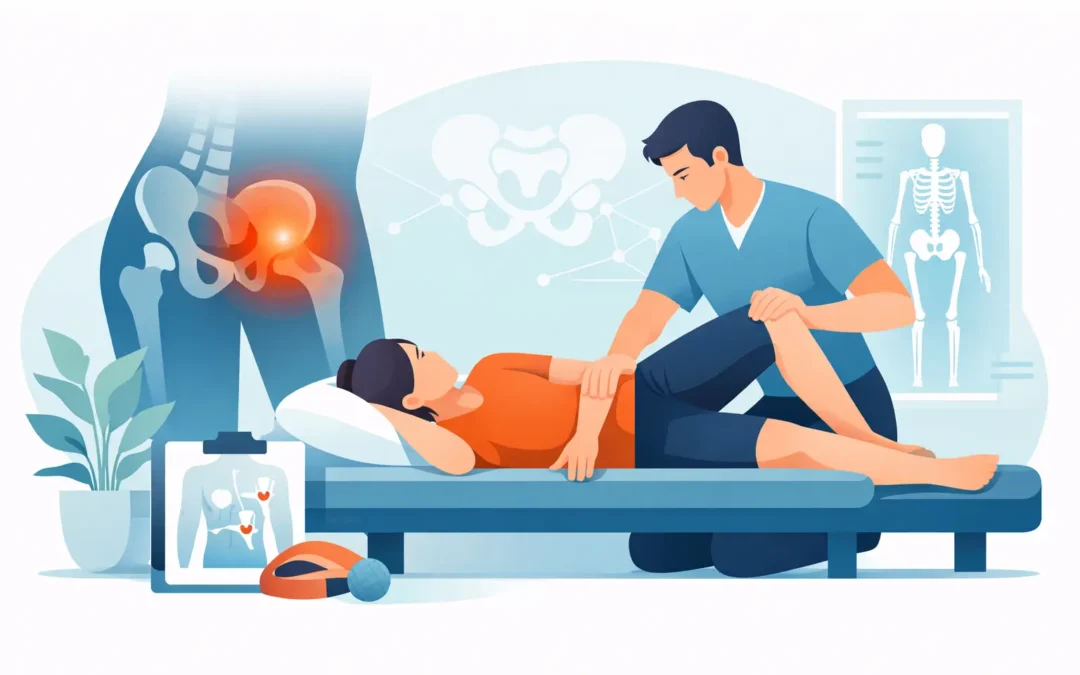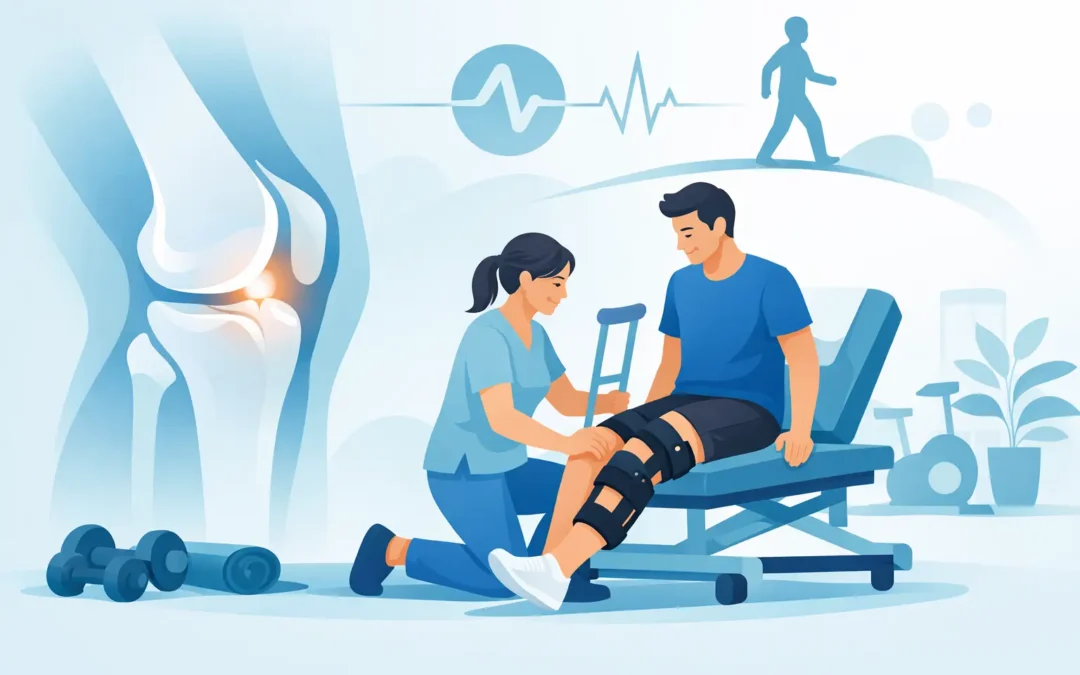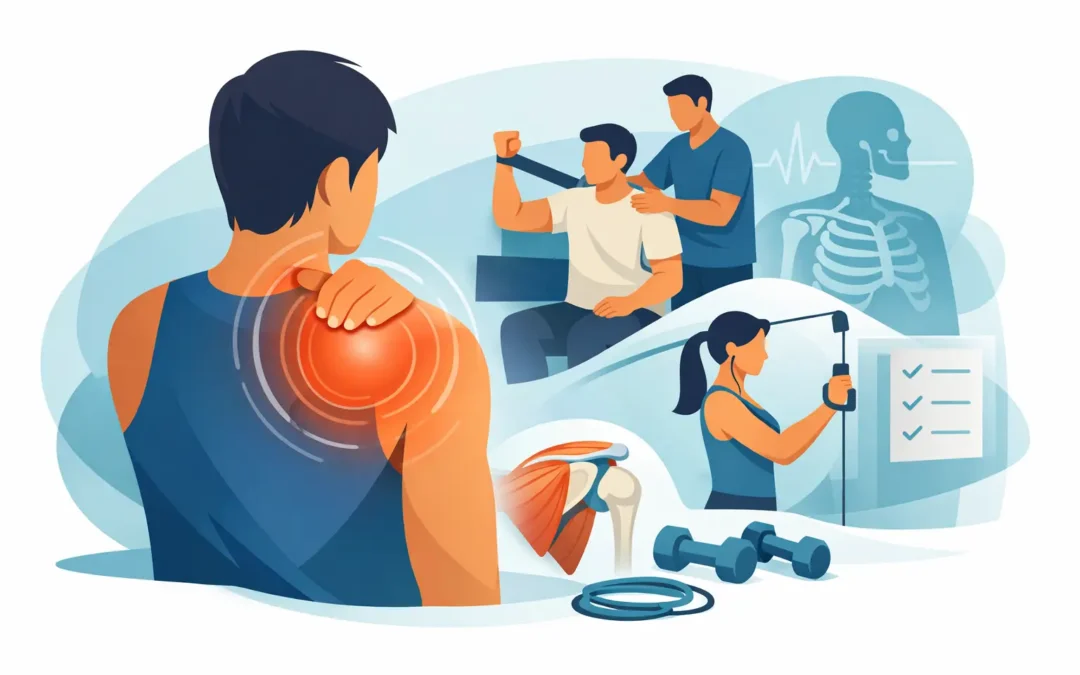
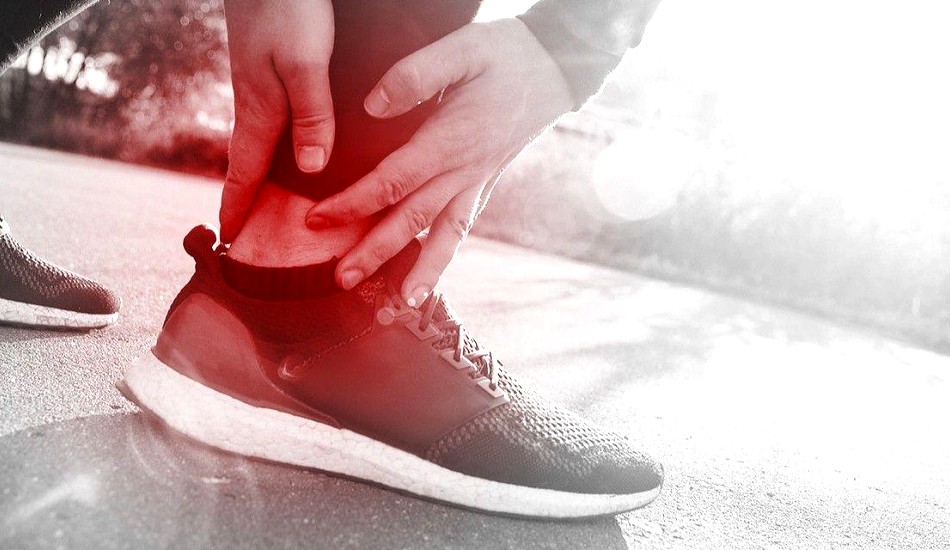
Gluteal TENDINOPATHY! Patella TENDINOPATHY!! Achilles TENDINOPATHY!!! Elbow TENDINOPATHY!!!! We’ve all heard of those conditions but…what exactly is TENDINOPATHY?
What is the difference between tendinosis, tendinitis and tendinopathy? Are they the same thing?
In short, you can look at the term, “tendinopathy” as an overarching term that includes tendinitis and tendinosis. In the past, clinicians used to differentiate between tendinosis and tendonitis. However, in recent years, they have pivoted to using “tendinopathy” as a more clinically accurate label of the condition.
What are tendons?
Tendons connect your muscles to your bones.
They can be classified into two functional groups:
- Energy storage and
- Positional
An example of energy storage-type tendons include the patellar tendon. Their primary function is to store and release elastic stress energy to transmit explosive forces. Positional-type tendons have the primary purpose of transmitting the mechanical force of muscle contractions to the bones. They play an important role in stabilising and controlling our joints. An example of positional-type tendons would be the rotator cuff tendon.
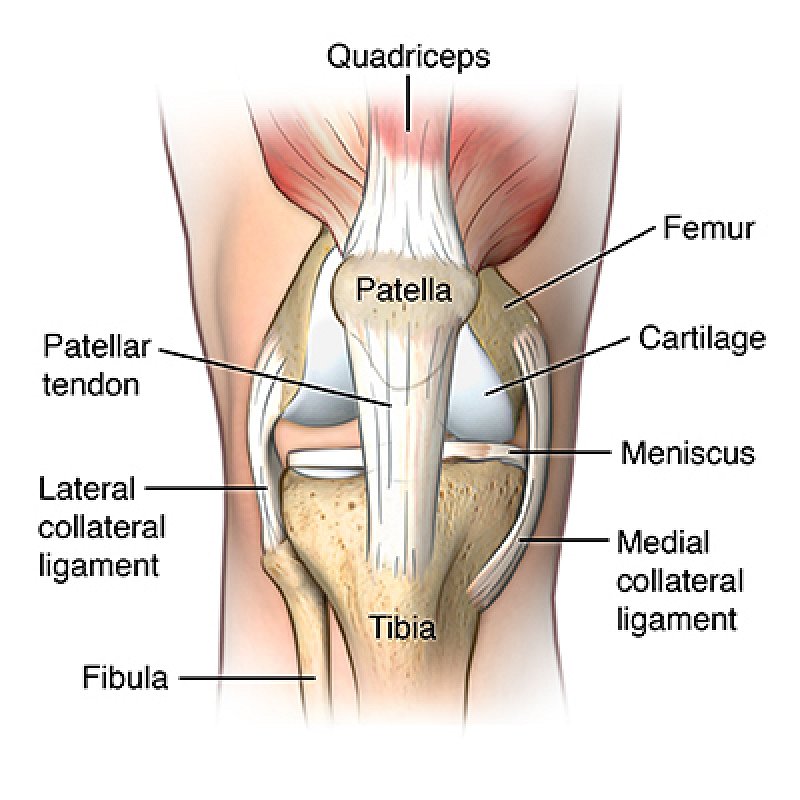
Patellar Tendinopathy
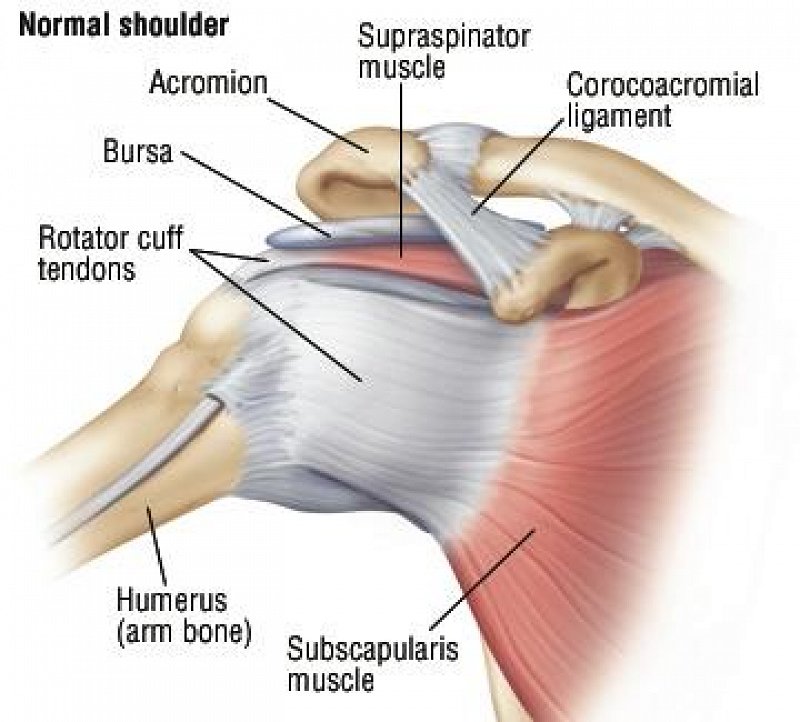
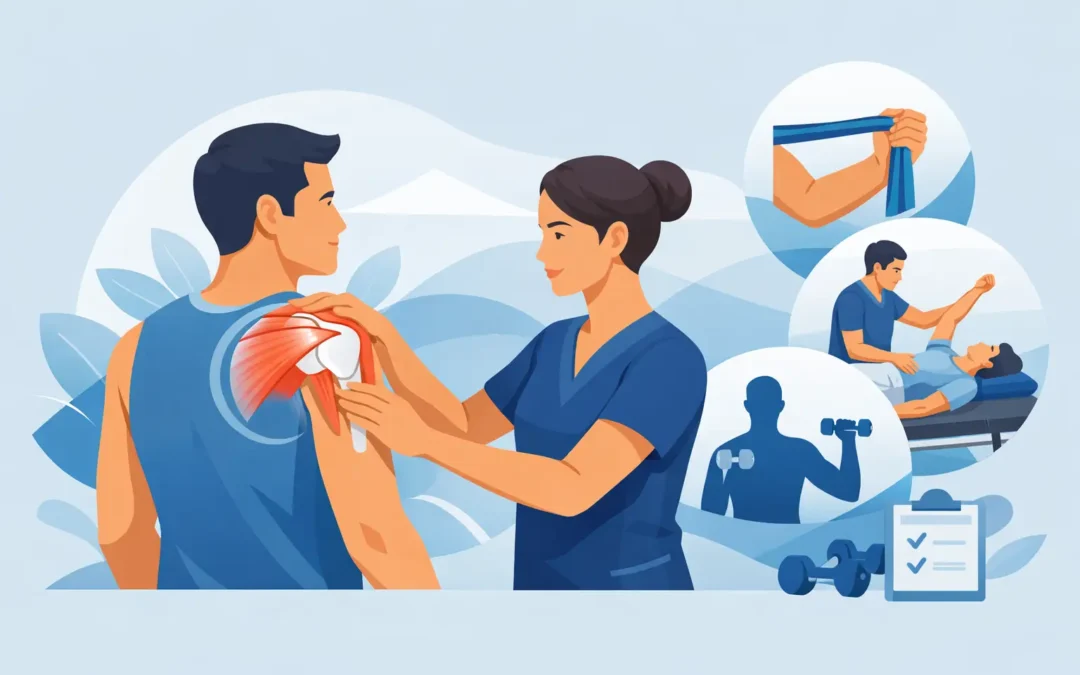
Rotator Cuff Tendinopathy
What is tendinopathy?
Tendinopathy refers to “persistent pain at the tendon associated with loss of function related to mechanical and physical loading” (Scott et al., 2019).
It can happen at any muscle-tendon unit in our body. Common areas include the heel (achilles) tendon, knee (patellar) tendon, shoulder (rotator cuff) tendon, buttock (gluteal) tendon. It is often characterized by pain, inflammation and loss of function.
Why does tendon pain happen?
Inappropriate loading can lead to maladaptation of the tendon. When the load placed on a tendon exceeds its capacity, injuries may happen. Load can come in different forms such as tensile, compressive or shearing stress.
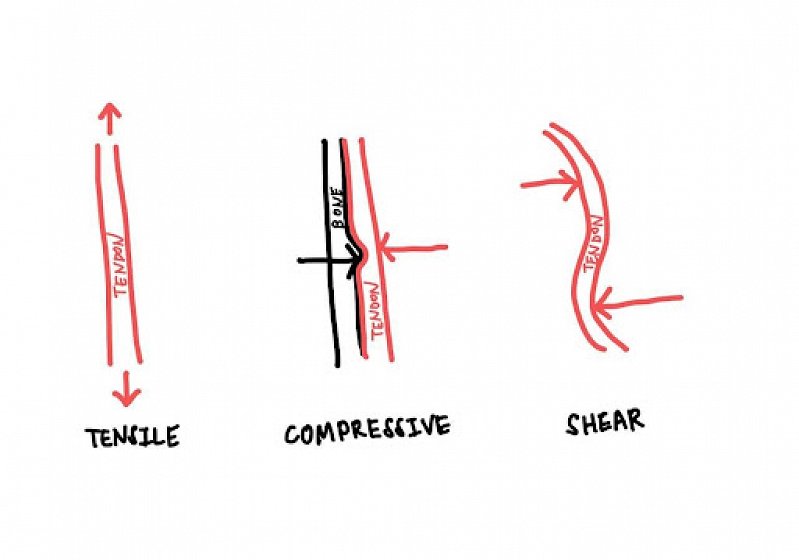
Types of forces that may occur in tendons
So, what do you mean by “overloading”?
Tendons like to be loaded progressively. If done right, tendon integrity will increase over time. They do not respond well when too much load is placed on them too quickly. With inappropriate loading, tendons tend to flare up and ‘get angry’. Symptoms may start to set in as the they get more irritable and vulnerable to injury.
To put this in a real world context, let’s take Singapore’s very own circuit breaker (or in other parts of the world – a lock down) as an example.
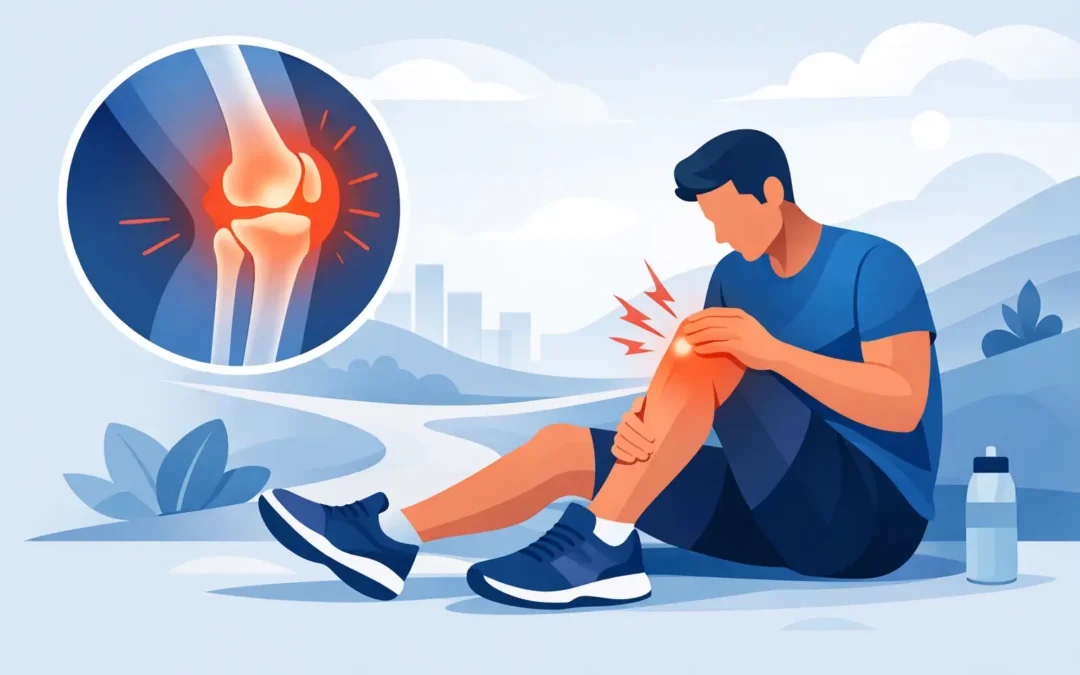
The gyms and pools are all closed and you used to swim regularly. As a result, you resort to running to keep your fitness levels up. However, you have never been a regular runner. Surprise surprise…your heel begins to hurt and protest because you’re placing far too much load on them!
Can tendinopathy be managed?
Tendinopathy can be managed through exercise prescription and load management. However, since tendinopathy can be caused by different mechanisms of stress, it is worth noting that there will be slight differences in the management of different types of tendinopathy.
For example, a buttock (gluteal) tendinopathy is typically caused by compressive forces from the bony prominences and structures around the hip. On the other hand, heel (achilles) tendinopathy typically arises from tensile stresses as the tendon loads up to release energy for transmission of forces.
How can our Physiotherapy help with tendon pain?
With thorough assessment, our Physiotherapists can help diagnose the condition and manage it appropriately through exercise prescription and load management. Other modalities such as ultrasound and massage may be used in conjunction with the exercise program.
Some exercises for knee (patellar) tendinopathy would look like:
Initial Stage:
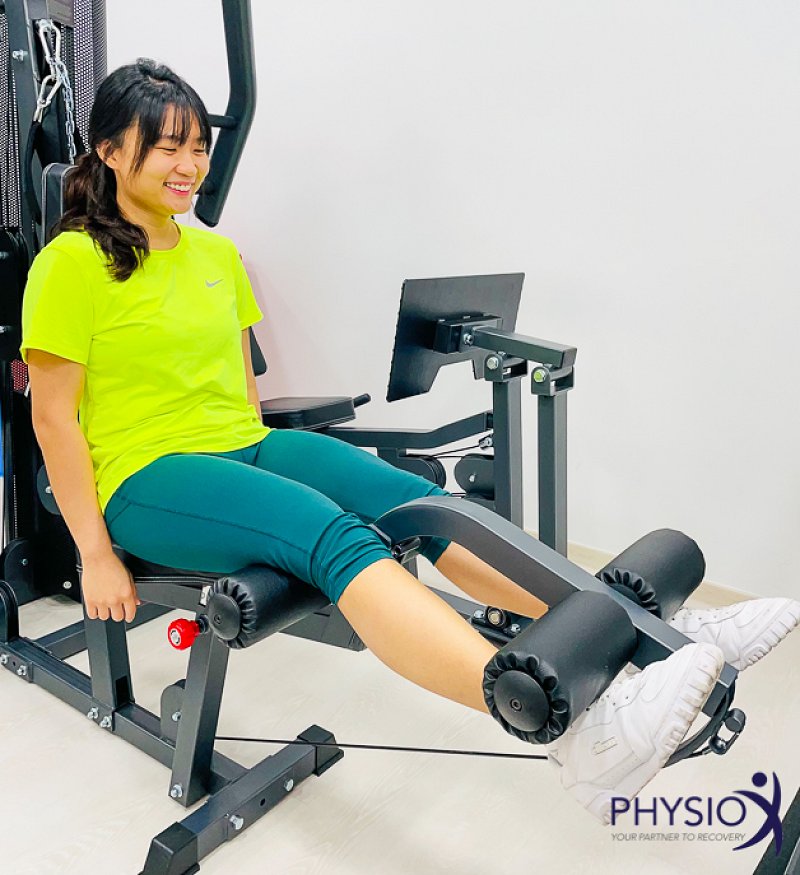
Isometric knee extension
Mid Stage:
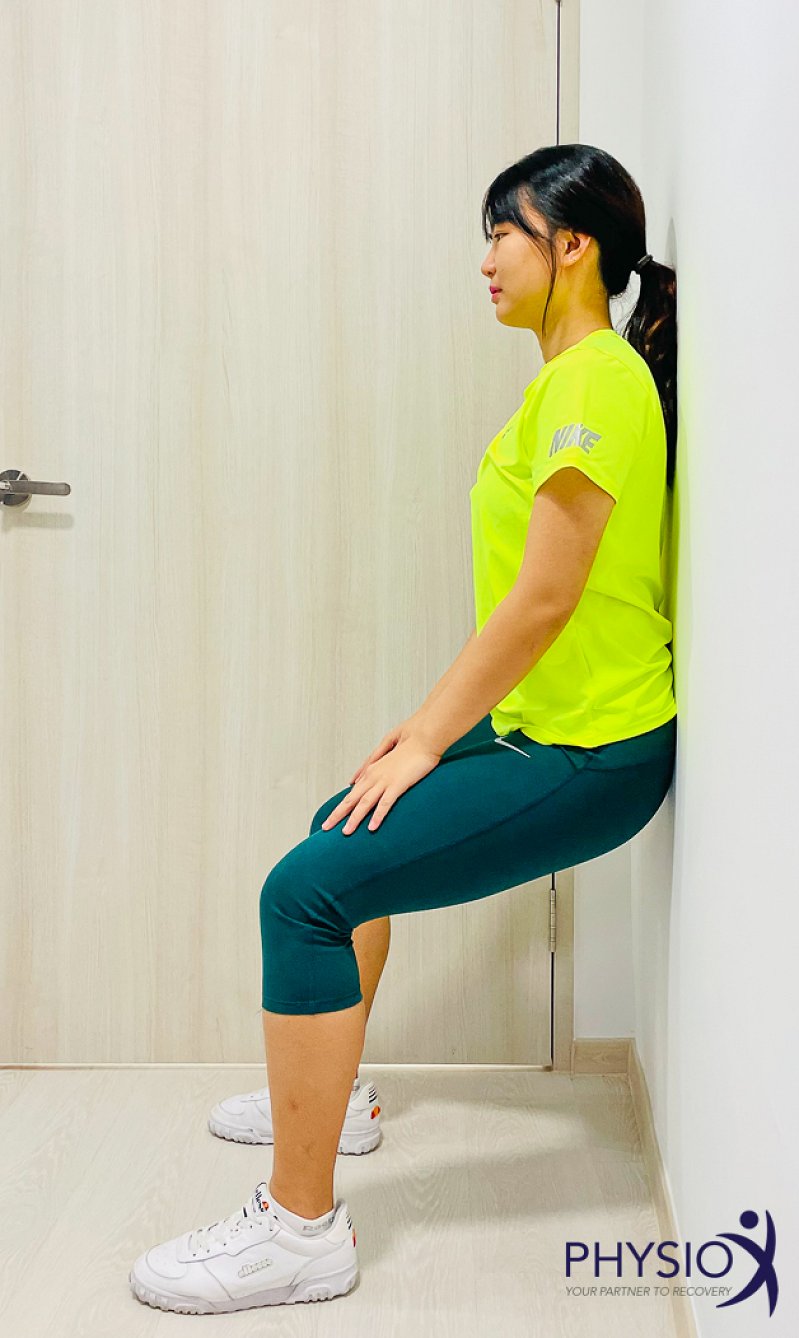
Half squat hold
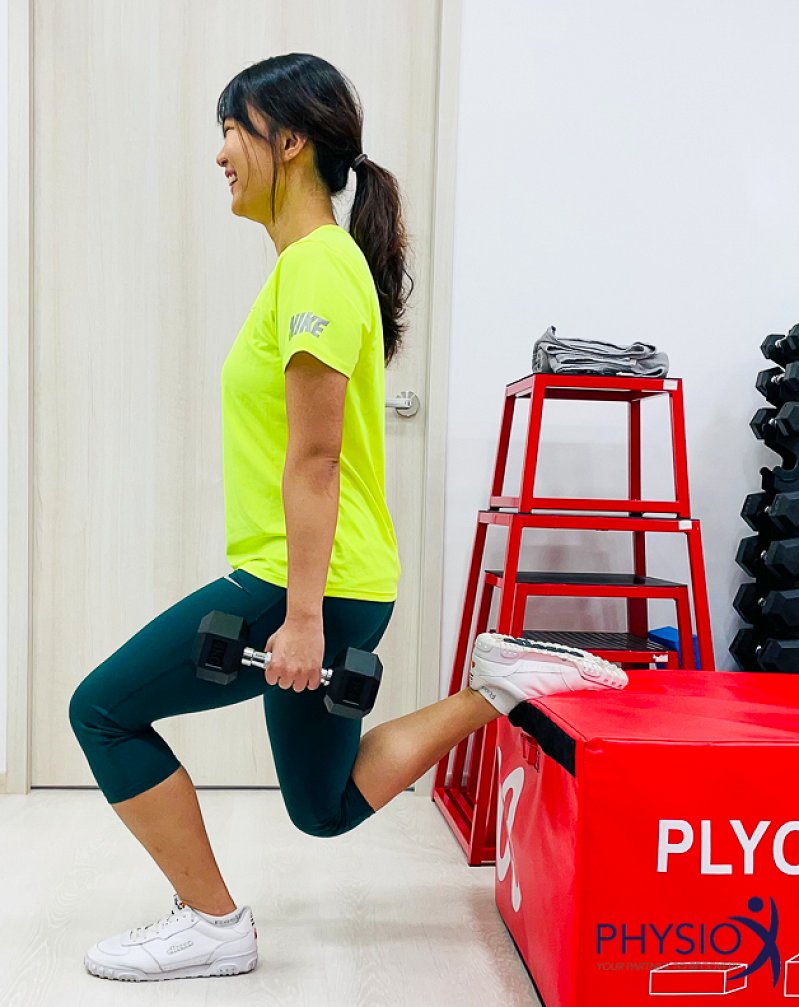
Split squats
Advanced Stage:
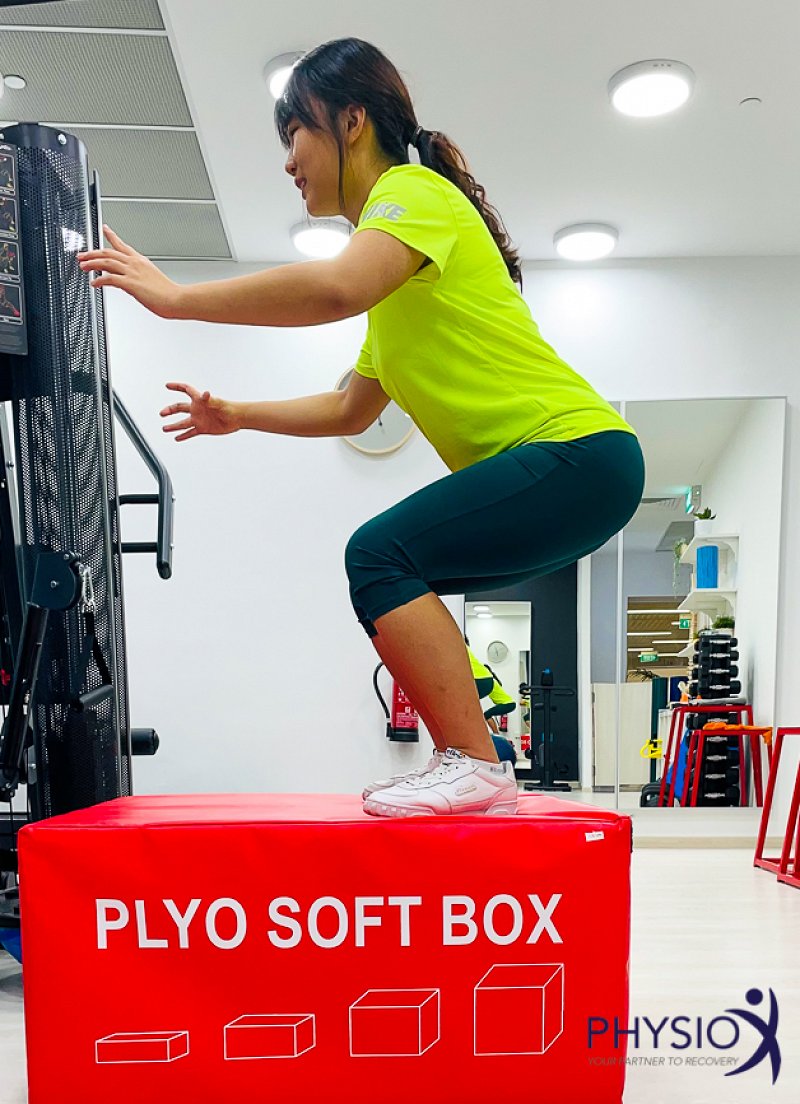
Double leg box jump
Your tendons will be gradually loaded to get them accustomed and more resilient to the forces they might experience during your sport or activities of daily living.
Our Physiotherapist will conduct thorough assessments and formulate individualised plans for each patient, to ensure the best care is offered.
Book now or give us a call to schedule an appointment to see our Physiotherapist who will be able to partner you to recovery as we address your Tendinopathy!
DISCLAIMER: These exercises should not replace the need for a consultation with a Physiotherapist especially if your condition doesn’t improve with these exercises. Your Physiotherapist will choose exercises that suit your specific needs.
References:
Grimaldi, A., Mellor, R., Hodges, P., Bennell, K., Wajswelner, H., & Vicenzino, B. (2015). Gluteal TENDINOPATHY: A review of MECHANISMS, assessment and management. Sports Medicine, 45(8), 1107–1119. https://doi.org/10.1007/s40279-015-0336-5
Lim, H. Y., & Wong, S. H. (2018). Effects of isometric, eccentric, or heavy slow resistance exercises on pain and function in individuals with patellar tendinopathy: A systematic review. Physiotherapy Research International, 23(4). https://doi.org/10.1002/pri.1721
Littlewood, C., Ashton, J., Chance-Larsen, K., May, S., & Sturrock, B. (2012). Exercise for rotator cuff tendinopathy: A systematic review. Physiotherapy, 98(2), 101–109. https://doi.org/10.1016/j.physio.2011.08.002
Mellor, R., Grimaldi, A., Wajswelner, H., Hodges, P., Abbott, J. H., Bennell, K., & Vicenzino, B. (2016). Exercise and LOAD Modification versus corticosteroid INJECTION VERSUS ‘WAIT AND see’ for PERSISTENT GLUTEUS medius/minimus tendinopathy (the LEAP trial): A protocol for a randomised clinical trial. BMC Musculoskeletal Disorders, 17(1). https://doi.org/10.1186/s12891-016-1043-6
Scott, A., Docking, S., Vicenzino, B., Alfredson, H., Zwerver, J., Lundgreen, K., Finlay, O., Pollock, N., Cook, J. L., Fearon, A., Purdam, C. R., Hoens, A., Rees, J. D., Goetz, T. J., & Danielson, P. (2013). Sports and exercise-related TENDINOPATHIES: A review of SELECTED topical issues by participants of the second international SCIENTIFIC Tendinopathy SYMPOSIUM (ISTS) vancouver 2012. British Journal of Sports Medicine, 47(9), 536–544. https://doi.org/10.1136/bjsports-2013-092329
Zwerver, J., Mc Auliffe, S., Rio, E. K., Scott, A., Vicenzino, B. T., & Weir, A. (2019). Icon 2019—international scientific tendinopathy symposium: Building an iconic tendon tower—launching a new era in clinical tendinopathy research. British Journal of Sports Medicine, 54(8), 442–443. https://doi.org/10.1136/bjsports-2019-101214
Filed under: Tendinopathy