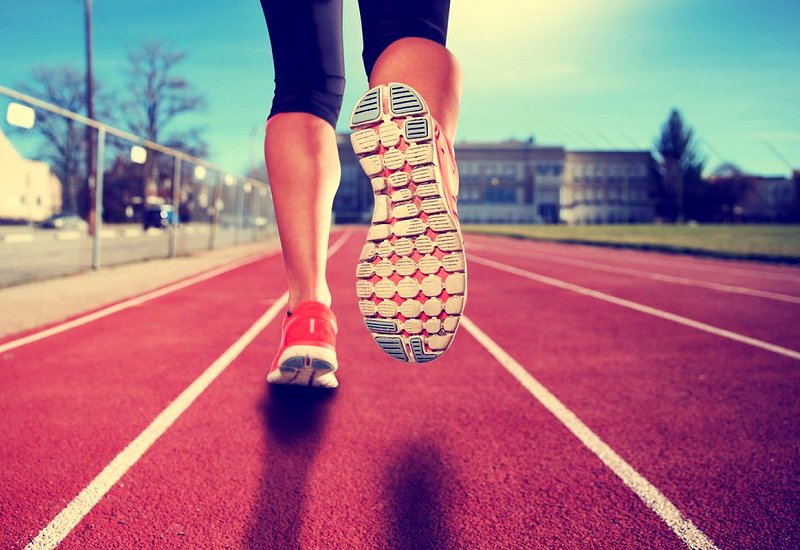
Is running bad for my knees? Does BMI matter?

3rd Aug, 2020

I am heavy. Is running bad for my knees?

You want to return to running yet concerned if your body weight will risk yourself from getting knee injuries. What should you do? Can Physiotherapy help? Here is a short article to help us understand if BMI matters

BMI. I’m sure we have all heard about it at some point in our life. Perhaps during a medical checkup or in school?

So what exactly is BMI?

Body Mass Index (BMI) is traditionally used to categorise the population into weight categories: Underweight, healthy, overweight and obese. It is widely used as a screening tool, however, it is not used as a diagnostic tool.

BMI = weight (kg) / height (m)2
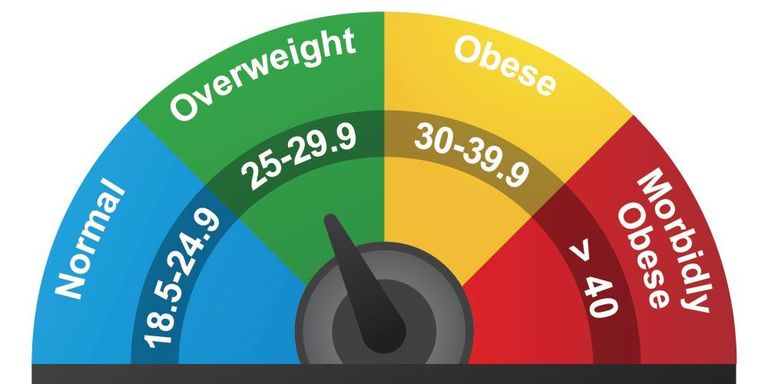
☝🏼But how accurate is BMI in determining our body fat level?

Although high BMI is correlated to higher body fat, it may hold true for all. We have to understand that body composition matters too.

An athlete may have a high BMI and fall under the ‘overweight’ or ‘obese’ category. However, we have to take into account that an athlete may have higher lean muscle mass, compared to fat. 💪🏻

Therefore, it is important for us to take into consideration other factors and not rely on BMI alone!

So does BMI matter when it comes to running injuries?

It may sound logical that one with a higher BMI is putting more stress on his/her knee joints during running, which potentially increases risk of getting injured overtime.

But what if this has been a MYTH? 🧐

A comparative study has found that runners with different BMIs had different injury location distributions. Interestingly, the running-related knee injury proportion in overweight and obese runners was lower than that in normal-weight runners.

Then arguably, BMI may influence the runner’s choice of running exposure. A difference in running exposure may then perhaps influence the amount of load applied to the knee while running.

All in all, there is no substantial evidence to show higher risk of injuries in runners with higher BMI.

🏃Can we prevent running-related injuries? How can Physiotherapy help?

Well, runners are generally especially prone to developing overuse injuries. It has been shown that two of the greatest risk factors are previous injury and training volume.

Although we definitely cannot control the former, we can still modify our training volume (i.e. distance, speed, frequency of run)!

It is recommended for runners to participate in cross-training activities (e.g. swimming, cycling) in order to maintain fitness while not overloading the knee. 🚴🏊🕺

Here are some exercises to reduce the risk of running injuries:
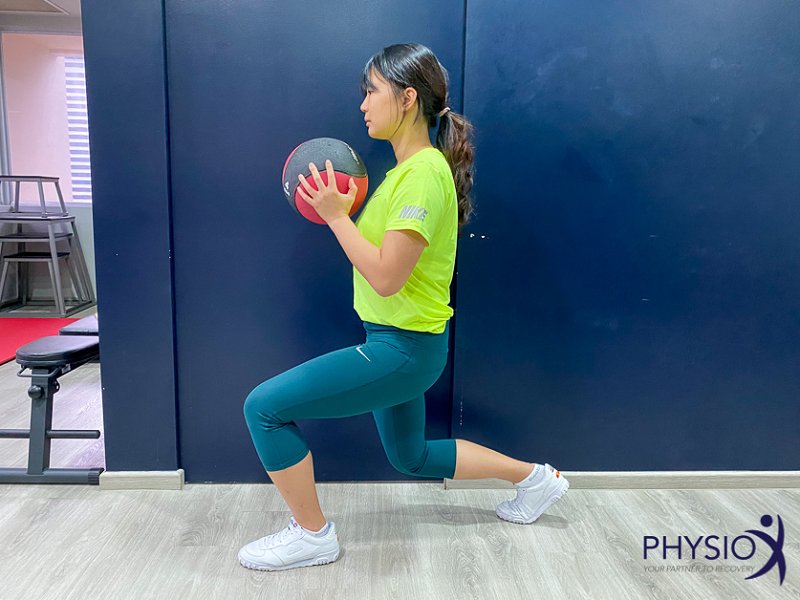
Lunges
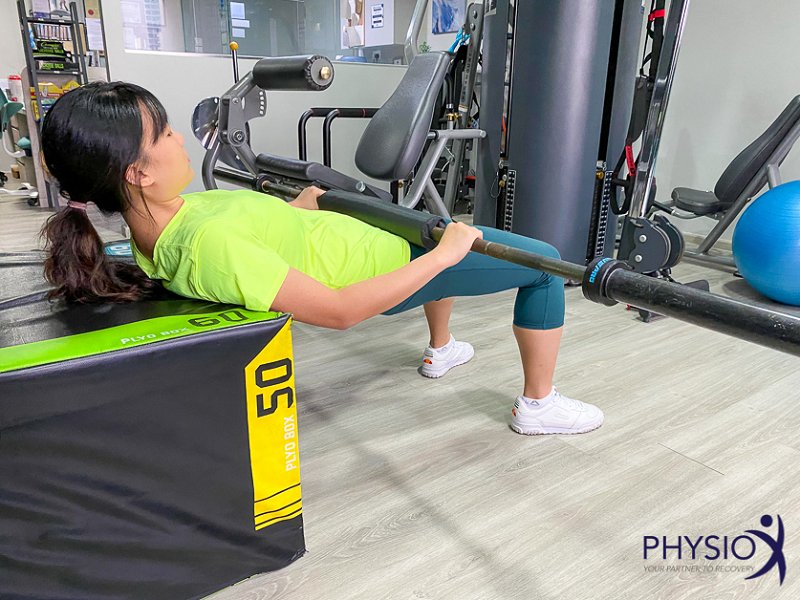
Hip Thrust
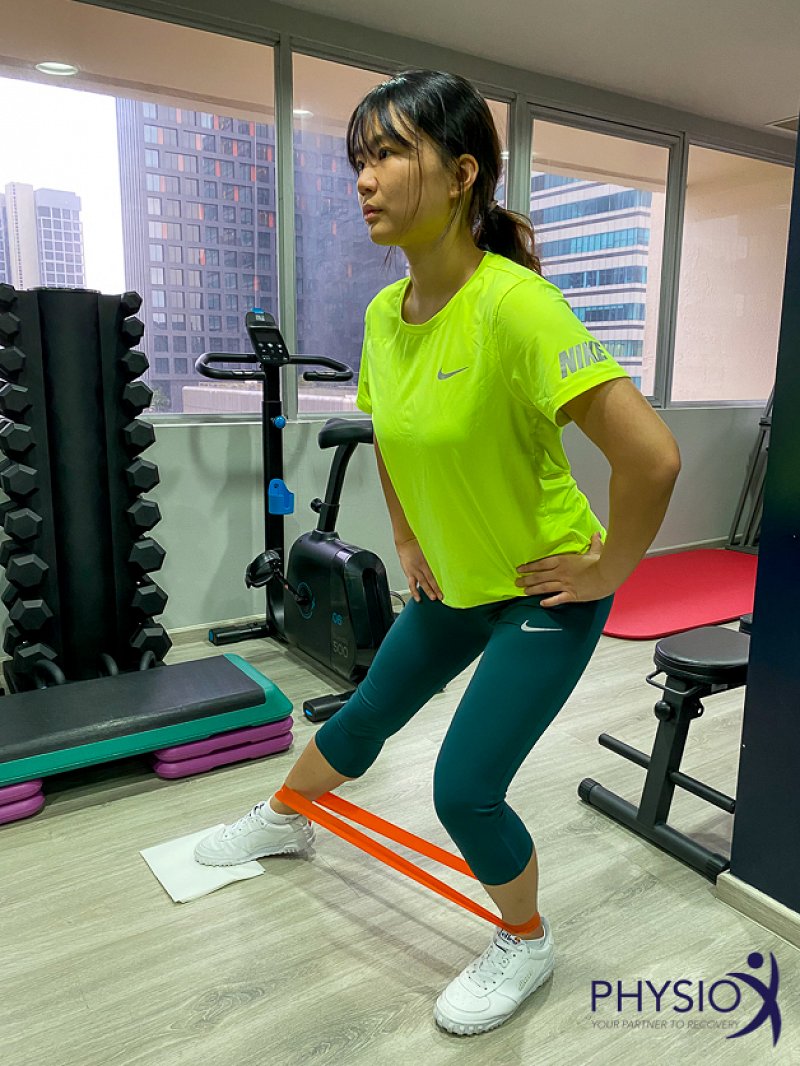
Standing Hip Abduction

Book now or give us a call to schedule an appointment to see our Physiotherapist who will be able to partner you to recovery for your knee pain.

DISCLAIMER: These advise and exercises should not replace the need for a consultation with a Physiotherapist especially if your condition doesn’t improve. Therapeutic exercise should be carefully selected to suit your condition.

Ref:

  1. Juhler, C., Andersen, K. B., Nielsen, R. O., & Bertelsen, M. L. (2020). Knee Injuries in Normal-Weight, Overweight, and Obese Runners: Does Body Mass Index Matter?. journal of orthopaedic & sports physical therapy, 50(7), 397-401.
  2. Kozinc, Ž., & Sarabon, N. (2017). Common running overuse injuries and prevention. Montenegrin Journal of Sports Science and Medicine, 6(2), 67.
  3. Taunton, J. E., Ryan, M. B., Clement, D. B., McKenzie, D. C., Lloyd-Smith, D. R., & Zumbo, B. D. (2002). A retrospective case-control analysis of 2002 running injuries. British journal of sports medicine, 36(2), 95-101.

Filed under: Knee
Share Post:

Categories

[blog_categories]

Latest Posts

How to Return to Running Safely

How to Return to Running Safely

The first run back after injury often feels like a test. You lace up, tell yourself to take it easy, then spend the whole session wondering whether every twinge means you have done too much. If you are trying to work out how to return to running safely, that...

Tennis Elbow Physiotherapy That Works

Tennis Elbow Physiotherapy That Works

That sharp pull on the outside of your elbow often shows up during ordinary tasks before sport does - lifting a kettle, gripping a mouse, carrying shopping, or shaking someone’s hand. Tennis elbow physiotherapy is not really about chasing pain with quick fixes. Done...

A Guide to Meniscus Surgery Recovery

A Guide to Meniscus Surgery Recovery

The first few days after knee surgery can feel deceptively simple. The stitches are small, the pain may be manageable, and many people assume the hard part is over. In reality, a good guide to meniscus surgery recovery starts here - not with rest alone, but with the...

Hip Pain Physiotherapy That Actually Helps

Hip Pain Physiotherapy That Actually Helps

That sharp pinch getting out of a chair, the ache on a long walk, the stiffness after a run - hip pain has a way of shrinking daily life. Good hip pain physiotherapy is not about chasing symptoms with a few stretches or a quick massage. It is about working out why the...

How to Recover After ACL Surgery

How to Recover After ACL Surgery

The first few weeks after ACL reconstruction can feel oddly contradictory. Your knee may look better than you expected, yet simple things like walking, sleeping comfortably or getting up from a chair can feel far harder than they should. If you are wondering how to...

Can Physiotherapy Help a Slipped Disc?

Can Physiotherapy Help a Slipped Disc?

That sharp pain down the leg, the sudden difficulty standing upright, the fear of bending to pick something up - a slipped disc can make ordinary movement feel risky. If you are wondering can physiotherapy help slipped disc symptoms, the short answer is yes, in many...

Knee Pain After Running: What It Means

Knee Pain After Running: What It Means

A sore knee after a run can feel deceptively simple. You finish, cool down, and only then notice an ache around the kneecap, a sharp twinge on the outside of the knee, or stiffness that appears when you sit down later. Knee pain after running is common, but it is not...

Guide to Rotator Cuff Rehabilitation

Guide to Rotator Cuff Rehabilitation

Shoulder pain has a way of getting into everything. Reaching for a seatbelt, lifting a child, swimming, pressing overhead at the gym, even finding a comfortable sleeping position can suddenly feel uncertain. A good guide to rotator cuff rehabilitation should do more...

Lower Back Pain Physio Treatment That Works

Lower Back Pain Physio Treatment That Works

Lower back pain has a way of shrinking life. Sitting through a work meeting becomes distracting, lifting your child feels risky, and even a decent night’s sleep can turn into a negotiation with your spine. Good lower back pain physio treatment is not about chasing a...

Shoulder Pain Rehabilitation Programme Guide

Shoulder Pain Rehabilitation Programme Guide

Reaching for a seatbelt, lifting a child, pressing overhead at the gym, even finding a comfortable sleeping position - shoulder pain has a way of turning ordinary movements into a daily reminder that something is not right. A good shoulder pain rehabilitation...

Verified by MonsterInsights