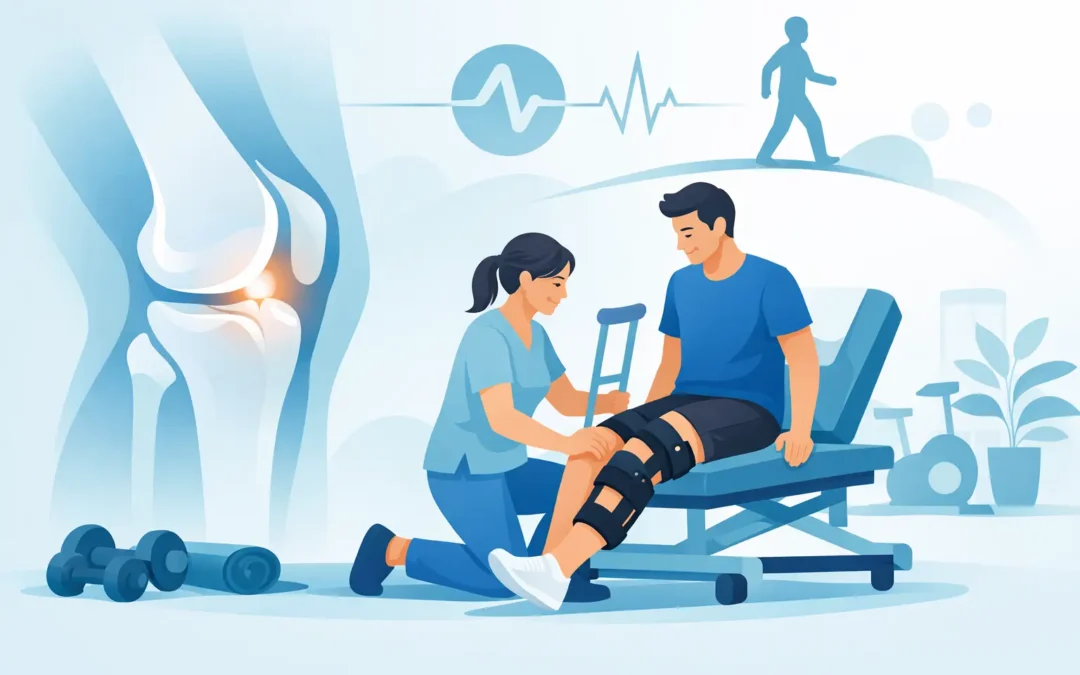
Welcome to Phase 3 of your ACL journey! Keep running, you are almost there!! In this phase, we will be introducing more running, agility and jumping exercises.
What are the goals of Phase 3?
The three most important goals of this phase is to:
- Attain excellent hopping performance. You should be able to achieve good distance with sustained endurance while maintaining technique.
- Progress successfully through an agility program and modified game play. Depending on the demands of your sport or daily movements, your Physiotherapist will tailor an agility program to meet your needs.
- Regain full strength and balance
I am already jumping and running, why can’t I just go straight back into my sport or routine?
A strong body of research advocates at least 9 months of high quality rehabilitation post ACL/R. Any return to sport earlier than the suggested time will increase the risk of a re-injury.
Although you will be running and jumping during this phase, it will be done in a controlled environment under the watchful eyes of your Physiotherapist. This will allow you to ease back into the demands of your sport safely. It also helps to preamp and train your body to develop protective reflexes to prevent any re-injury that might occur in an uncontrolled environment.
Imagine getting pushed unexpectedly in mid-air, trying to head a ball during a soccer match. Without proper controlled training of your protective reflex mechanisms, your body might not be able to react appropriately to this external force. This may result in awkward landings or even injuring yourself again.
Good news — this can be prevented! With appropriate rehabilitation and training, safe landing after an unexpected external perturbation will be second nature to you! This can greatly reduce the chance of any further injuries.
How can Physiotherapy help in your ACL rehab?
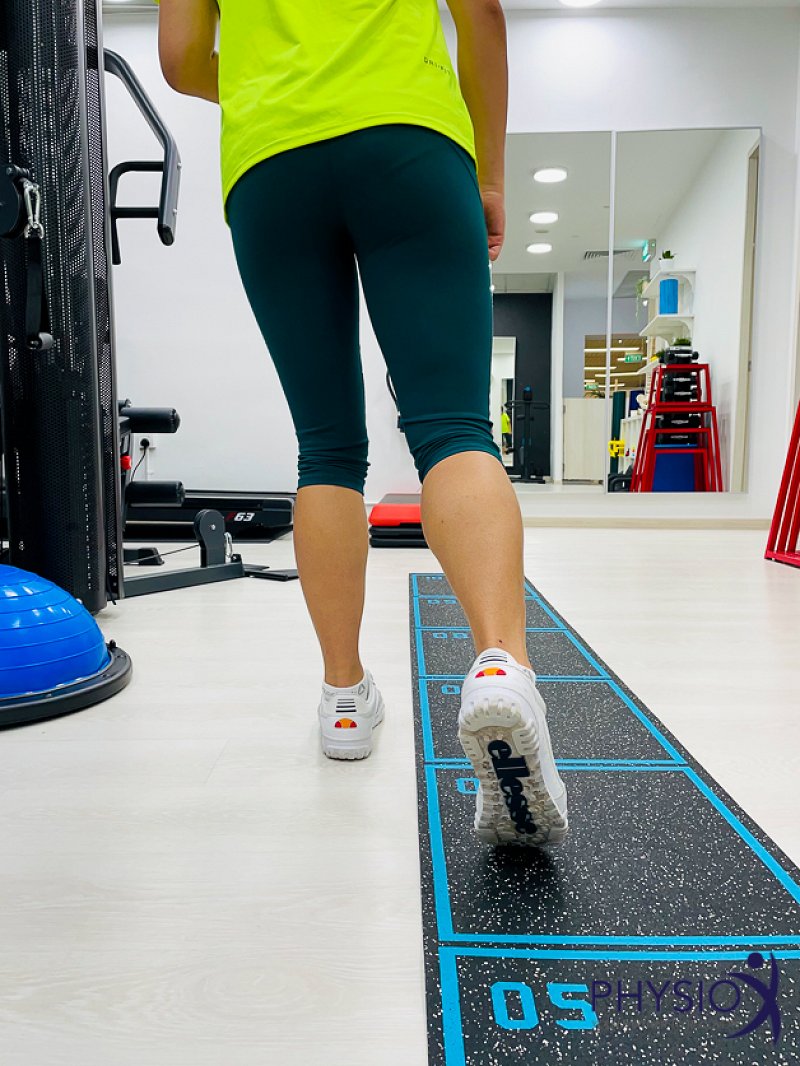
Before your return to sport, your Physiotherapist might start you off with some simple straight line running and hopping exercises to get you used to landing and decelerating. After which, more advanced exercises that involve a change of direction (i.e. cone weaving and stepping) may be introduced.
Similar to the other phases, your Physiotherapist will continue to progress your exercises to increase the strength of your knee. On top of that, more running, agility and jumping exercises will be added to your program. To up the challenge, your Physiotherapist will gradually increase the complexity of each drill by introducing multitasking and reactive elements into them. These progressions are geared towards meeting the demands of your daily life or sport, which more often than not, require you to multitask and react quickly to situations.
Since every patient is unique, exercises prescribed during this phase will be thoughtfully customised to meet your needs. For instance, an exercise program for a dancer might look slightly different from that of a basketball player, as each sport has its different demands and challenges. However, the fundamental goals will still be addressed in both programs.
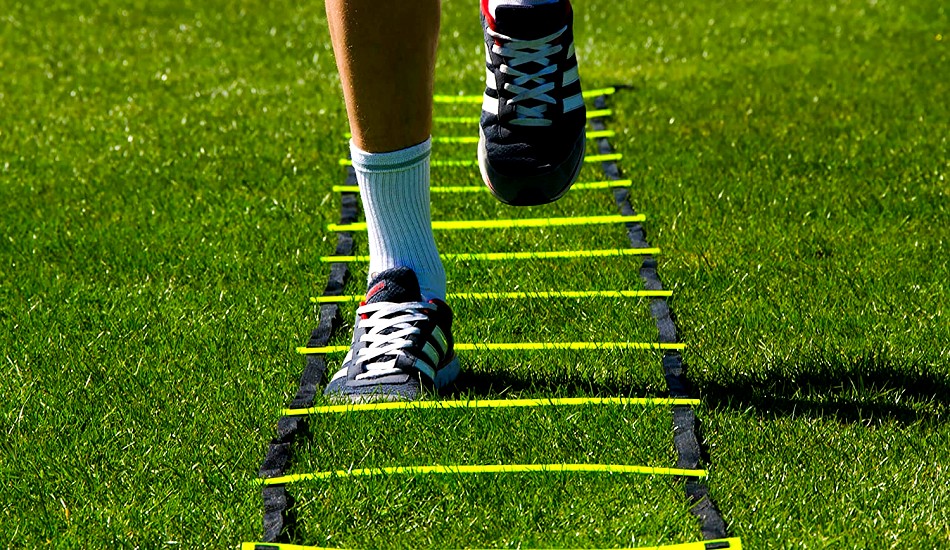
Some exercises that target running and agility include:
Ladder drills
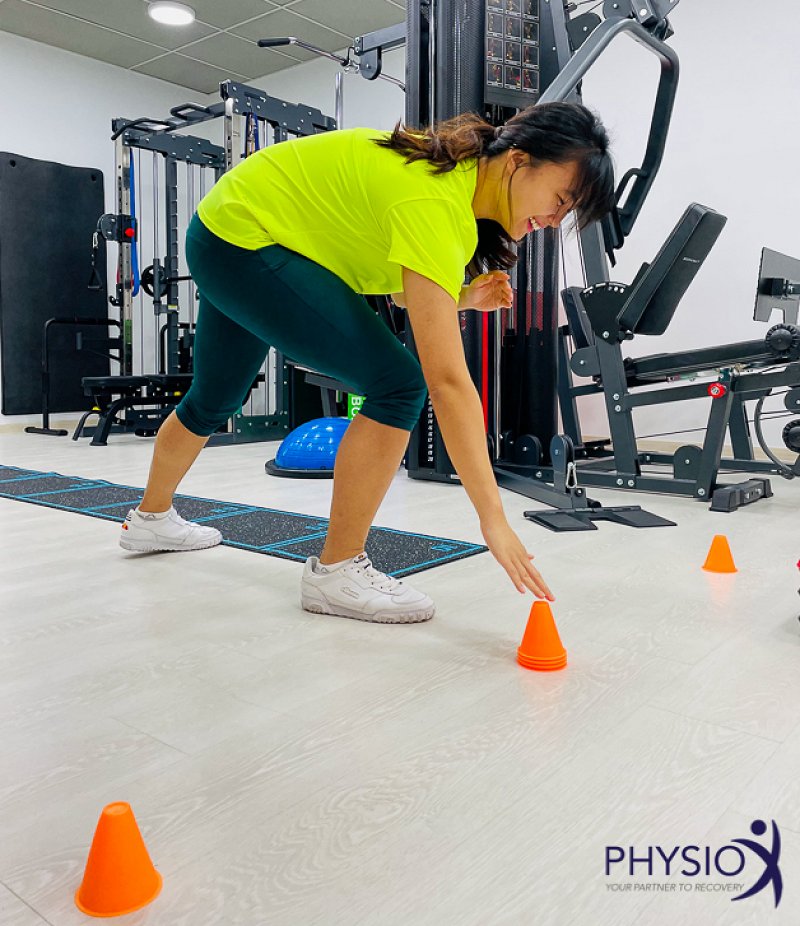
Shuttle runs
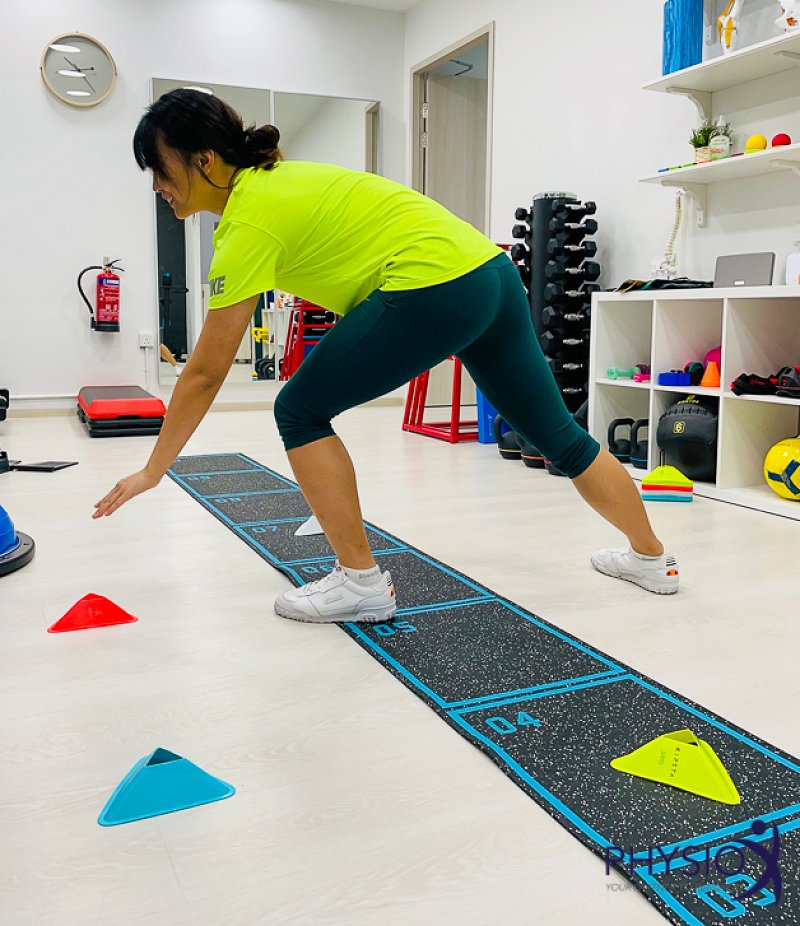
Reaction drill training
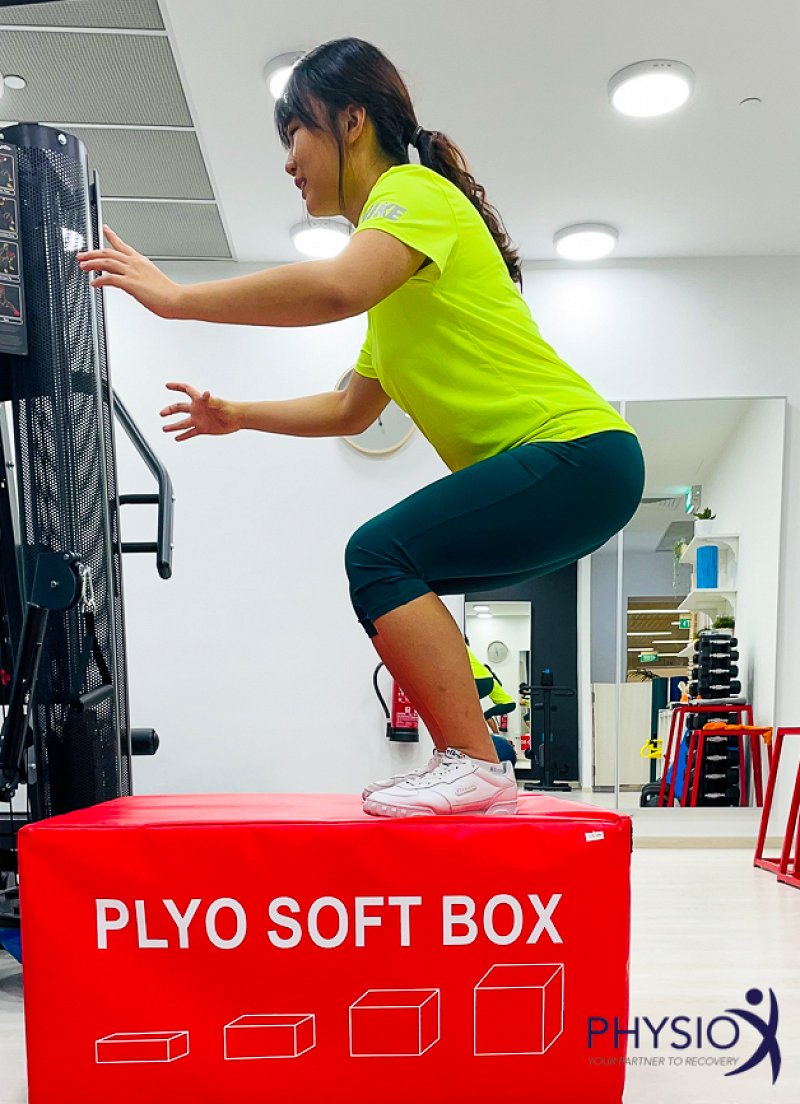
Box jumps
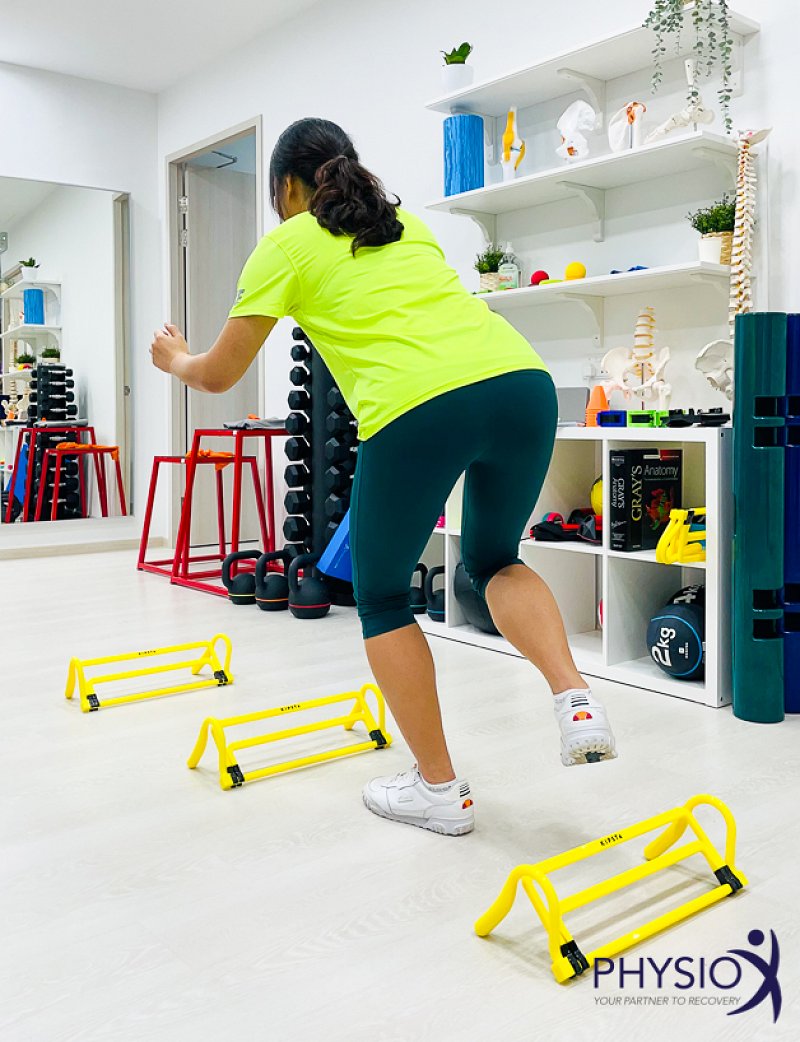
Single leg hurdle hops
Am I ready for Phase 4?
Just like the previous phases, your Physiotherapist will use a battery of strength, balance, agility and hop tests to determine if you are ready to progress onto the next phase. They will be monitoring your performance along with the quality of movement to assess your progress. Once you have cleared the required hurdles, you will then progress to phase 4 — Return To Sport.
What is expected of me?
As always, keep up the good work — the finish line is not far from sight! Be it a competitive sport or a leisure weekend soccer game, you’ll surely be back doing what you love in no time!
Continue to be diligent in your rehabilitation — your hardwork will definitely pay off in the long run(no pun intended!). However, if you do experience any intense pain or soreness that lasts more than 72 hours after your exercises, you should let your Physiotherapist know immediately. They will reassess your condition and provide you with the best possible care.
Book now or give us a call to schedule an appointment to see our Physiotherapist who will be able to partner you to recovery after your ACL reconstruction.
DISCLAIMER: These exercises should not replace the need for a consultation with a Physiotherapist, especially if your condition doesn’t improve with these exercises. Therapeutic exercise should be carefully selected to suit your condition.
Ref:
Cooper, R. and Hughes, M., 2018. Melbourne ACL Rehabilitation Guide 2.0. [pdf] Available at: https://www.melbourneaclguide.com/brief.
Filed under: Knee