Should people with multiple medical conditions exercise?

31st May, 2021

Key Points:

  1. Exercise therapy is a set of individualised physical exercises to promote rehabilitation.
  2. Exercises help to improve your physical and mental well-being, and is becoming increasingly important in Singapore’s ageing population where many will develop multiple medical co-morbidities
  3. It is beneficial in managing said co-morbidities, and also helps to prevent the onset of chronic illnesses.

What is exercise therapy?

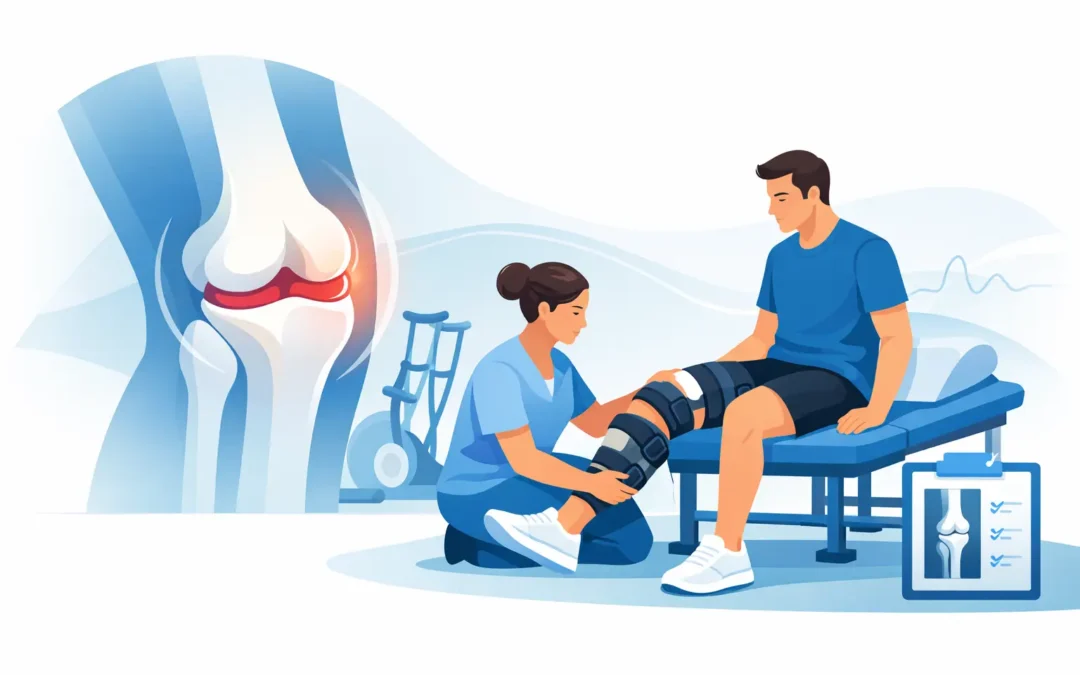
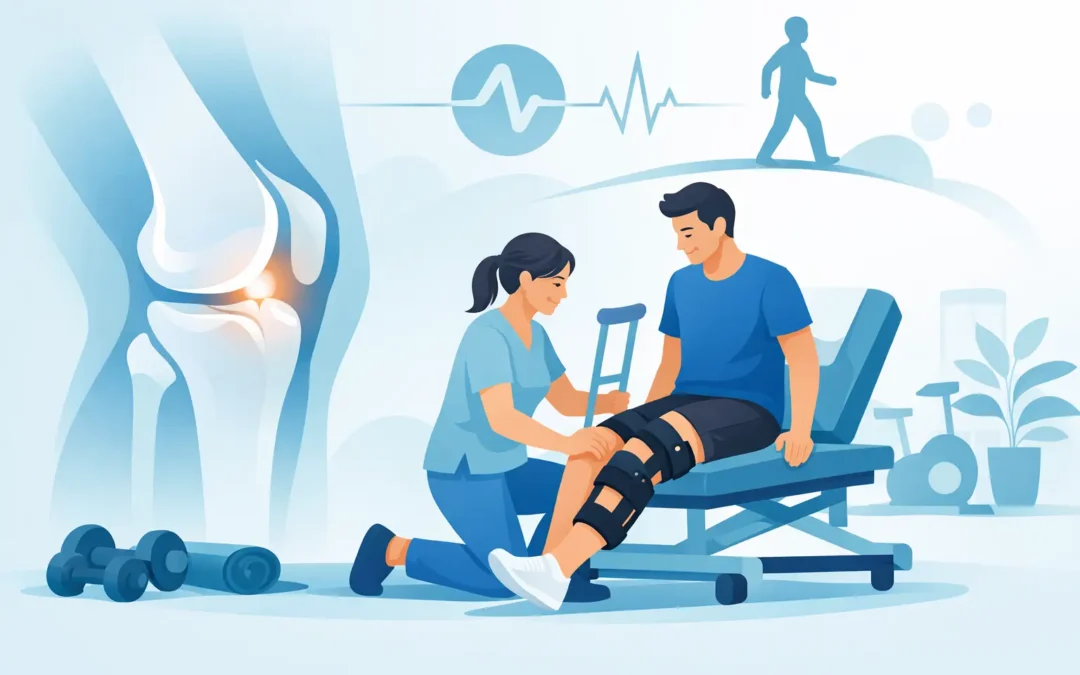
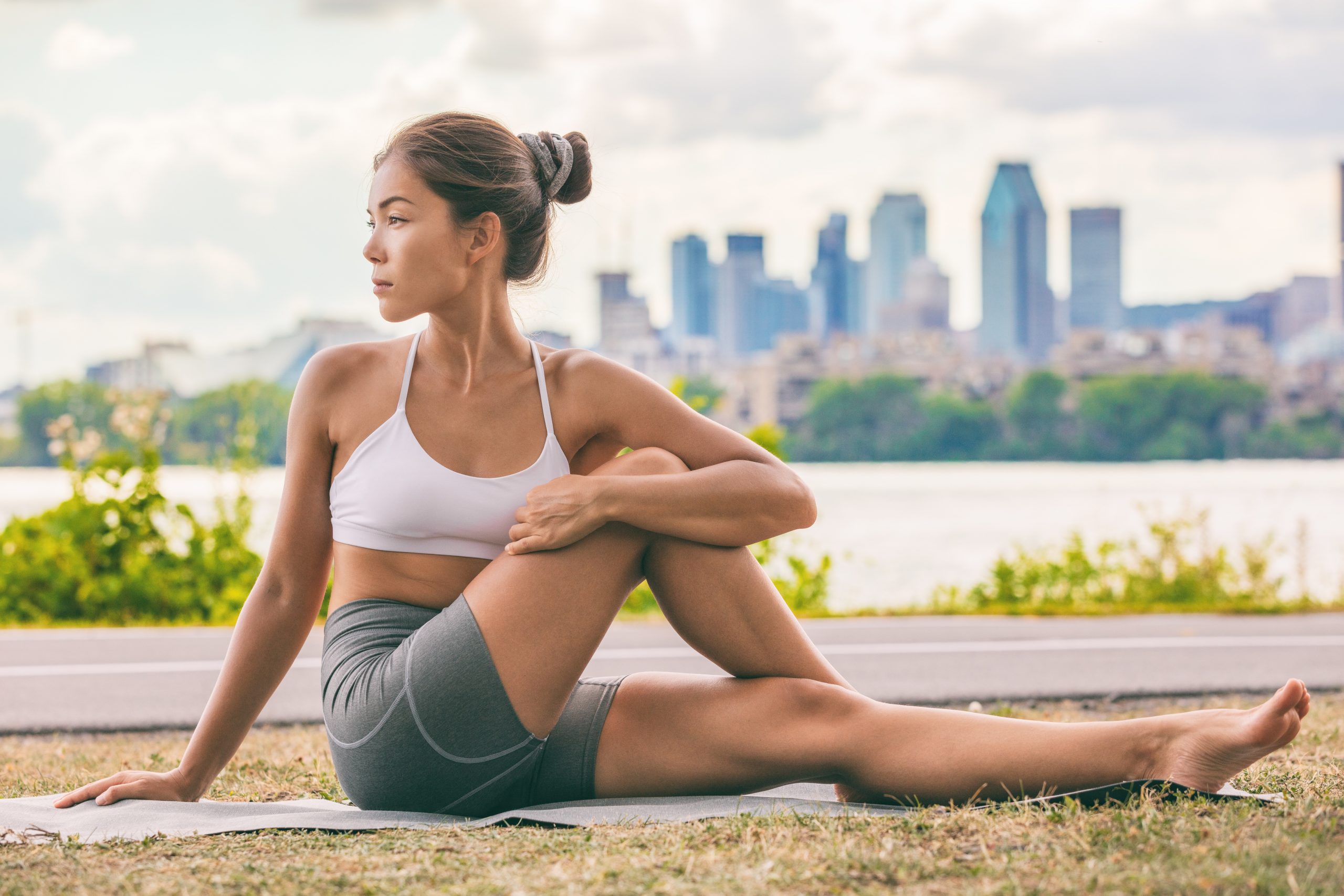
Exercise therapy is a set of physical exercises designed to promote recovery from various conditions through developing your strength, mobility, stability, and coordination. Involving a holistic and individualised management plan, it is proven to help in rehabilitation or just improving your general health and wellbeing. 

Co-morbidities

Comorbidity is a term you may have heard in the news or from your doctor: it refers to having two or more medical conditions at once, and are usually chronic i.e. been going for a while. Often linked with less favourable health outcomes, more complex clinical management, and higher healthcare expenses, co-morbidities aren’t just limited to physical conditions. In fact, high rates of mental disorders are reported among those with chronic physical ailments. In Singapore, co-morbidities are unfortunately becoming increasingly prevalent in the face of our aging population, where it is estimated that a quarter of our population will be above the age of 65 by 2030.

In a 2017 Duke-NUS study involving older adults, 37% of respondents reported three or more chronic conditions — double the figure from 2009. The most common diseases include hypertension, arthritis, and diabetes, amongst others. These co-morbidities are among the leading causes of global disability, and could adversely affect your physical, mental, and social health.

Those with co-morbidities often find themselves visiting several different healthcare professionals and taking various medications that could present risks and side effects, which could be an undesirable experience. So how does exercise therapy come into play? Studies have shown that exercise therapy improves one’s health and quality of life, as well as physical function. Beyond that, it improves one’s mental health and may even alleviate symptoms of depression and anxiety. Contrary to what some may believe, exercise therapy does not correlate to effects such as pain and injury, but rather reduces the risk of severe consequences such as pneumonia and hospitalisation. 

Exercise and co-morbidities

Exercise is a great way to prevent co-morbidities as well; many chronic illnesses can be prevented by establishing a healthy lifestyle. Conditions like heart disease, obesity, and diabetes can all be avoided by being active and keeping fit. Even just exercising two or three times per week can work wonders for managing and keeping chronic conditions at bay!

​​It is important for you to seek advice from a professional who will be able to advise you on what the best course of action should be.

Wonder how you can get started on your journey of wellness and health?

Book now or give us a call to schedule an appointment to see our Physiotherapist or Pilates Instructor who will be able to partner you as you embark on this exciting journey of health and wellness! 

References:

Benefits and harms of exercise therapy in people with multi-morbidity. Bricca A, Harris LK, Jager M, et al. Br J Sports Med 2021;55:1059-1060.
Share Post:

Categories

[blog_categories]

Latest Posts

How to Return to Running Safely

How to Return to Running Safely

The first run back after injury often feels like a test. You lace up, tell yourself to take it easy, then spend the whole session wondering whether every twinge means you have done too much. If you are trying to work out how to return to running safely, that...

Tennis Elbow Physiotherapy That Works

Tennis Elbow Physiotherapy That Works

That sharp pull on the outside of your elbow often shows up during ordinary tasks before sport does - lifting a kettle, gripping a mouse, carrying shopping, or shaking someone’s hand. Tennis elbow physiotherapy is not really about chasing pain with quick fixes. Done...

A Guide to Meniscus Surgery Recovery

A Guide to Meniscus Surgery Recovery

The first few days after knee surgery can feel deceptively simple. The stitches are small, the pain may be manageable, and many people assume the hard part is over. In reality, a good guide to meniscus surgery recovery starts here - not with rest alone, but with the...

Hip Pain Physiotherapy That Actually Helps

Hip Pain Physiotherapy That Actually Helps

That sharp pinch getting out of a chair, the ache on a long walk, the stiffness after a run - hip pain has a way of shrinking daily life. Good hip pain physiotherapy is not about chasing symptoms with a few stretches or a quick massage. It is about working out why the...

How to Recover After ACL Surgery

How to Recover After ACL Surgery

The first few weeks after ACL reconstruction can feel oddly contradictory. Your knee may look better than you expected, yet simple things like walking, sleeping comfortably or getting up from a chair can feel far harder than they should. If you are wondering how to...

Can Physiotherapy Help a Slipped Disc?

Can Physiotherapy Help a Slipped Disc?

That sharp pain down the leg, the sudden difficulty standing upright, the fear of bending to pick something up - a slipped disc can make ordinary movement feel risky. If you are wondering can physiotherapy help slipped disc symptoms, the short answer is yes, in many...

Knee Pain After Running: What It Means

Knee Pain After Running: What It Means

A sore knee after a run can feel deceptively simple. You finish, cool down, and only then notice an ache around the kneecap, a sharp twinge on the outside of the knee, or stiffness that appears when you sit down later. Knee pain after running is common, but it is not...

Guide to Rotator Cuff Rehabilitation

Guide to Rotator Cuff Rehabilitation

Shoulder pain has a way of getting into everything. Reaching for a seatbelt, lifting a child, swimming, pressing overhead at the gym, even finding a comfortable sleeping position can suddenly feel uncertain. A good guide to rotator cuff rehabilitation should do more...

Lower Back Pain Physio Treatment That Works

Lower Back Pain Physio Treatment That Works

Lower back pain has a way of shrinking life. Sitting through a work meeting becomes distracting, lifting your child feels risky, and even a decent night’s sleep can turn into a negotiation with your spine. Good lower back pain physio treatment is not about chasing a...

Shoulder Pain Rehabilitation Programme Guide

Shoulder Pain Rehabilitation Programme Guide

Reaching for a seatbelt, lifting a child, pressing overhead at the gym, even finding a comfortable sleeping position - shoulder pain has a way of turning ordinary movements into a daily reminder that something is not right. A good shoulder pain rehabilitation...

Verified by MonsterInsights