
Key Points
- Understanding ACL tears: ACL tears are common knee injuries often occurring without contact, especially in sports.
- Effectiveness of prevention programmes: Injury prevention programmes, particularly those including plyometric exercises, significantly reduce the risk of ACL injuries.
- Clinical implication: Incorporating plyometric exercises into warm-up routines can effectively prevent ACL injuries, particularly in athletes.
- Study limitations: Variability in programme duration, frequency, and specific exercises among studies affects consistency.
- Implication for patients: Understanding the effectiveness of specific prevention strategies can guide better treatment and injury prevention decisions.
What is an ACL tear?
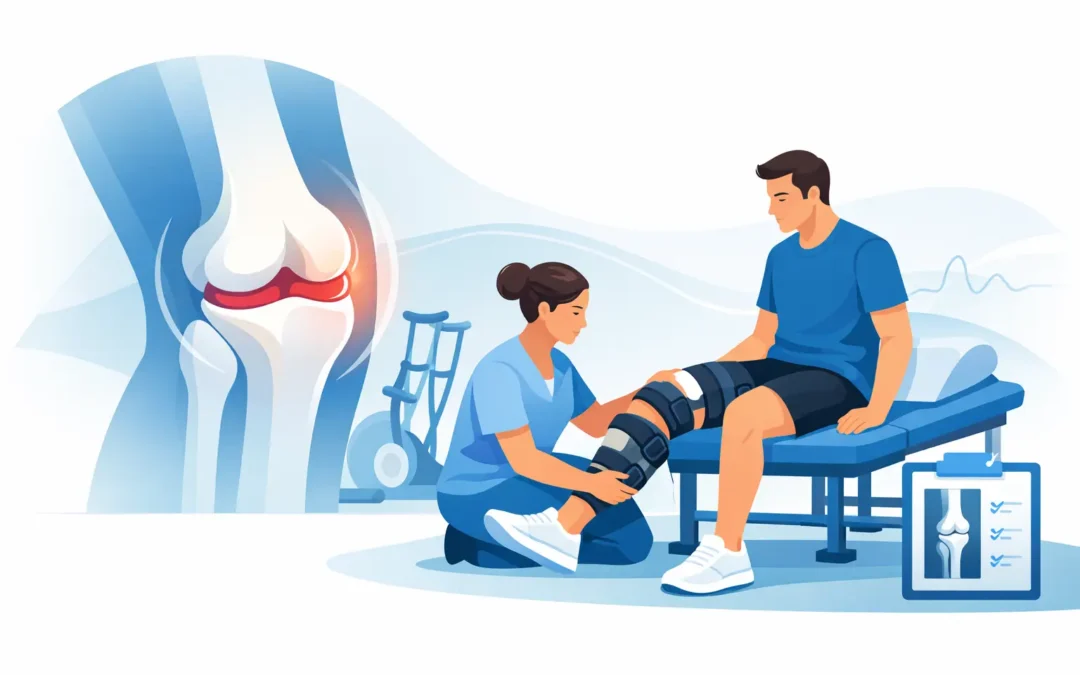
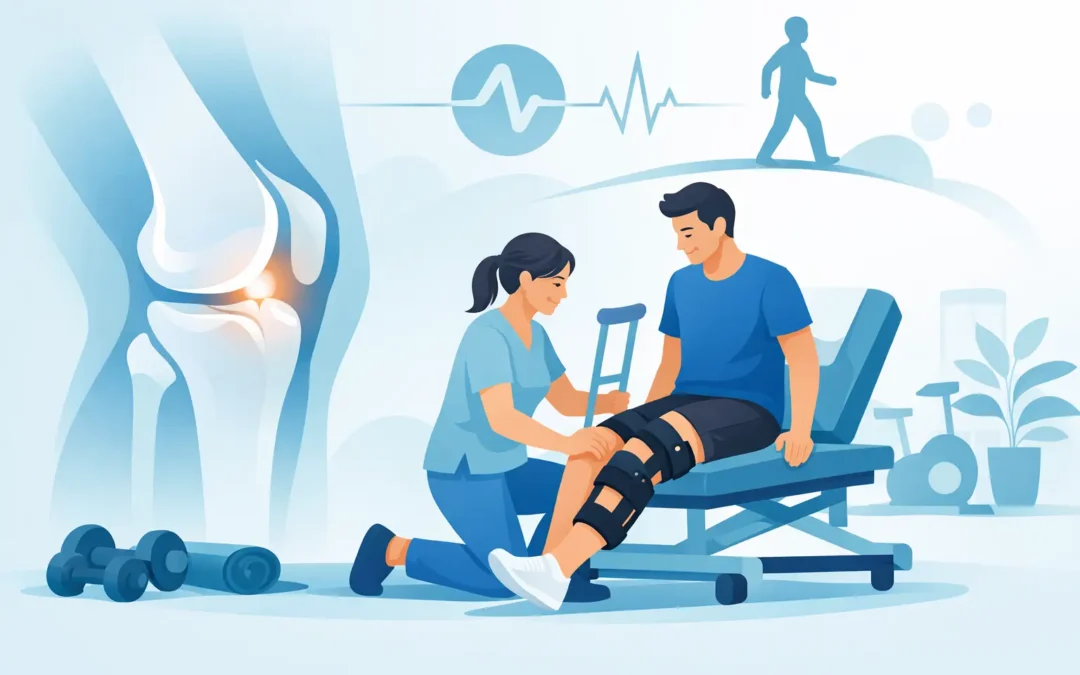
An ACL (anterior cruciate ligament) tear occurs when the ligament that stabilises the knee is either partially or completely torn. This injury commonly happens in sports that involve sudden stops, jumps, or changes in direction, such as football, basketball, and skiing. The majority of ACL injuries are non-contact, meaning they occur without direct physical contact with another player. These injuries often happen when an athlete lands awkwardly after jumping, pivots quickly, or decelerates suddenly.
What is usually done in an ACL prevention programme and how effective are they?
ACL prevention programmes typically include exercises designed to improve strength, balance, flexibility, and neuromuscular control. Plyometric exercises, which involve explosive movements like jumping, are a common component. These exercises aim to enhance the body’s ability to absorb shocks and stabilise the knee joint. Other elements of these programmes may include stretching, proprioceptive training, and core strengthening.
According to the systematic review, injury prevention programmes that include plyometric exercises are highly effective in reducing the incidence of ACL injuries. The pooled data from nine cluster-randomised trials showed that these programmes reduced ACL injury risk by 60% per 1,000 hours of exposure compared to standard warm-up routines.
How was the study conducted?
The study was a systematic review of cluster-randomised trials, aiming to assess the effectiveness of injury prevention programmes that include plyometric exercises in reducing ACL injuries. The researchers conducted a thorough literature search, selecting studies that met specific criteria. They analysed data from various trials that included sporting participants of different ages, sexes, and skill levels. The focus was on comparing injury rates between groups that followed a prevention programme with plyometric exercises and those that followed standard warm-up routines.
How were the participants grouped?
Participants in the included studies were divided into two main groups:
- Experimental Group: This group participated in injury prevention programmes that included plyometric exercises.
- Control Group: This group followed standard warm-up routines that did not specifically include plyometric exercises.
How did they measure the success of the programme?
The success of the injury prevention programme was measured by comparing the incidence rates of ACL injuries between the experimental and control groups. The primary outcome was the number of ACL injuries per 1,000 hours of exposure. The researchers also considered factors like compliance rates, the severity of injuries, and any improvements in physical performance.
What were the interventions of each group?
- Experimental Group: Participants in this group engaged in various plyometric exercises, such as jumps and hops, designed to improve knee stability and strength. These exercises were typically integrated into their regular training sessions.
- Control Group: Participants followed their usual warm-up routines without the addition of specific plyometric exercises. These routines varied but generally did not focus on the intensive neuromuscular training provided to the experimental group.
What were the results of the study between each intervention group?
The study found that injury prevention programmes incorporating plyometric exercises significantly reduced the risk of ACL injuries.
Specifically, there was a 60% reduction in ACL injuries per 1,000 hours of exposure in the experimental group compared to the control group. This effect was particularly pronounced in non-contact injuries and among male participants.
The pooled injury reduction rates varied from 41% to 79% across different subgroups, with the most substantial effects observed in males.
Incorporating plyometric drills is essential
The study concluded that incorporating plyometric exercises into injury prevention programmes effectively reduces the risk of ACL injuries. This preventive effect is most pronounced for non-contact injuries and among male athletes. The findings suggest that these exercises should be a standard component of injury prevention strategies in sports where ACL injuries are prevalent. The study highlights the need for such programmes to be widely adopted to reduce the incidence of these debilitating injuries.
Who would benefit from these exercises?
The study’s findings are particularly relevant for athletes participating in sports with a high risk of ACL injuries, such as football, basketball, and skiing. Both male and female athletes can benefit from these prevention programmes, although the effect appears to be more substantial in males. Additionally, individuals who have previously suffered an ACL injury may find these exercises beneficial in preventing re-injury. The study underscores the importance of these programmes for young athletes, as early intervention can prevent long-term complications.
Use plyometric exercises in patients who are at risk of ACL injuries, particularly athletes involved in sports that require sudden stops, jumps, or changes in direction. This includes both professional and recreational athletes, as well as individuals recovering from a previous ACL injury. The exercises should be adapted to the patient’s specific needs and capabilities, ensuring a safe and effective prevention strategy.
What are the limitations of this study?
The study had several limitations:
- Variability in interventions: The included studies varied in the specific exercises, duration, and frequency of the intervention programmes, making it challenging to standardise the findings.
- Participant diversity: There was a wide range of participant ages, sports, and skill levels, which may affect the generalisability of the results.
- Lack of blinding: None of the studies involved blinding of participants or therapists, which could introduce bias.
- Inconsistencies in reporting: Some studies did not provide complete data on compliance rates or injury severity, limiting the scope of the analysis.
As a patient, how should you use this information?
As a patient, understanding the effectiveness of plyometric exercises in preventing ACL injuries can help you make informed decisions about your training and rehabilitation. If you are involved in sports with a high risk of ACL injuries, incorporating these exercises into your routine can significantly reduce your risk. Additionally, if you have previously suffered an ACL injury, following a structured prevention programme can help prevent re-injury and support a safe return to sports.
As a Physiotherapist, how should this information improve your clinical reasoning or management of the patient?
As a Physiotherapist, the study’s findings should inform your clinical practice by emphasising the importance of including plyometric exercises in injury prevention programmes. These exercises can be integrated into both pre- and post-injury rehabilitation plans to enhance knee stability and reduce the risk of ACL injuries. Understanding the specific benefits and limitations of these programmes can help you tailor interventions to the needs of individual patients, improving outcomes and reducing the likelihood of future injuries. Contact us today!
Ref
Al Attar, W. S. A., Bakhsh, J. M., Khaledi, E. H., Ghulam, H., & Sanders, R. H. (2022). Injury prevention programs that include plyometric exercises reduce the incidence of anterior cruciate ligament injury: A systematic review of cluster randomised trials. Journal of Physiotherapy, 68(3), 255-261. https://doi.org/10.1016/j.jphys.2022.09.001
Frequently Asked Questions
What is an ACL tear?
An ACL tear is a common knee injury that occurs when the anterior cruciate ligament is either partially or completely torn. This can happen due to sudden stops, changes in direction, or awkward landings during sports activities.
How can plyometric exercises help prevent ACL injuries?
Plyometric exercises improve knee stability, proprioception, and muscle strength, reducing the risk of ACL injuries. These exercises involve explosive movements that train the body to absorb shocks and stabilise the knee joint.
Who can benefit from an ACL prevention programme?
Athletes participating in high-risk sports, such as football, basketball, and skiing, can significantly benefit from ACL prevention programmes. These programmes are also beneficial for individuals recovering from a previous ACL injury.
What should I do if I suspect an ACL injury?
If you suspect an ACL injury, seek medical attention immediately. Early diagnosis and intervention are crucial for proper healing and preventing further damage. Treatment may involve rest, Physiotherapy, or surgery, depending on the severity of the injury.
Are there any limitations to ACL prevention programmes?
Yes, the effectiveness of ACL prevention programmes can vary based on factors such as the specific exercises included, the frequency and duration of the programme, and participant compliance. Additionally, these programmes are less effective in preventing contact-related ACL injuries.