Key Points
- Maladaptive Imaging Beliefs Affect Outcomes. Patients who strongly believe that imaging is always necessary to diagnose or validate their pain often report higher pain interference and lower physical function.
- Clinical Implication. Physiotherapists should recognise these beliefs as potential barriers to recovery. Addressing them through patient education can help improve treatment outcomes.
- Patient Implication. Patients who feel their pain is only “real” if confirmed by scans may experience worse recovery. Understanding the true role of imaging can support better outcomes.
- Study Limitation. The study was conducted in one health system in the United States, so results may not fully represent people in other regions.
- Future Potential. Tackling maladaptive imaging beliefs may be key for better shared decision-making and for preventing unnecessary scans and procedures.
Understanding Maladaptive Imaging Beliefs In Musculoskeletal Disorders
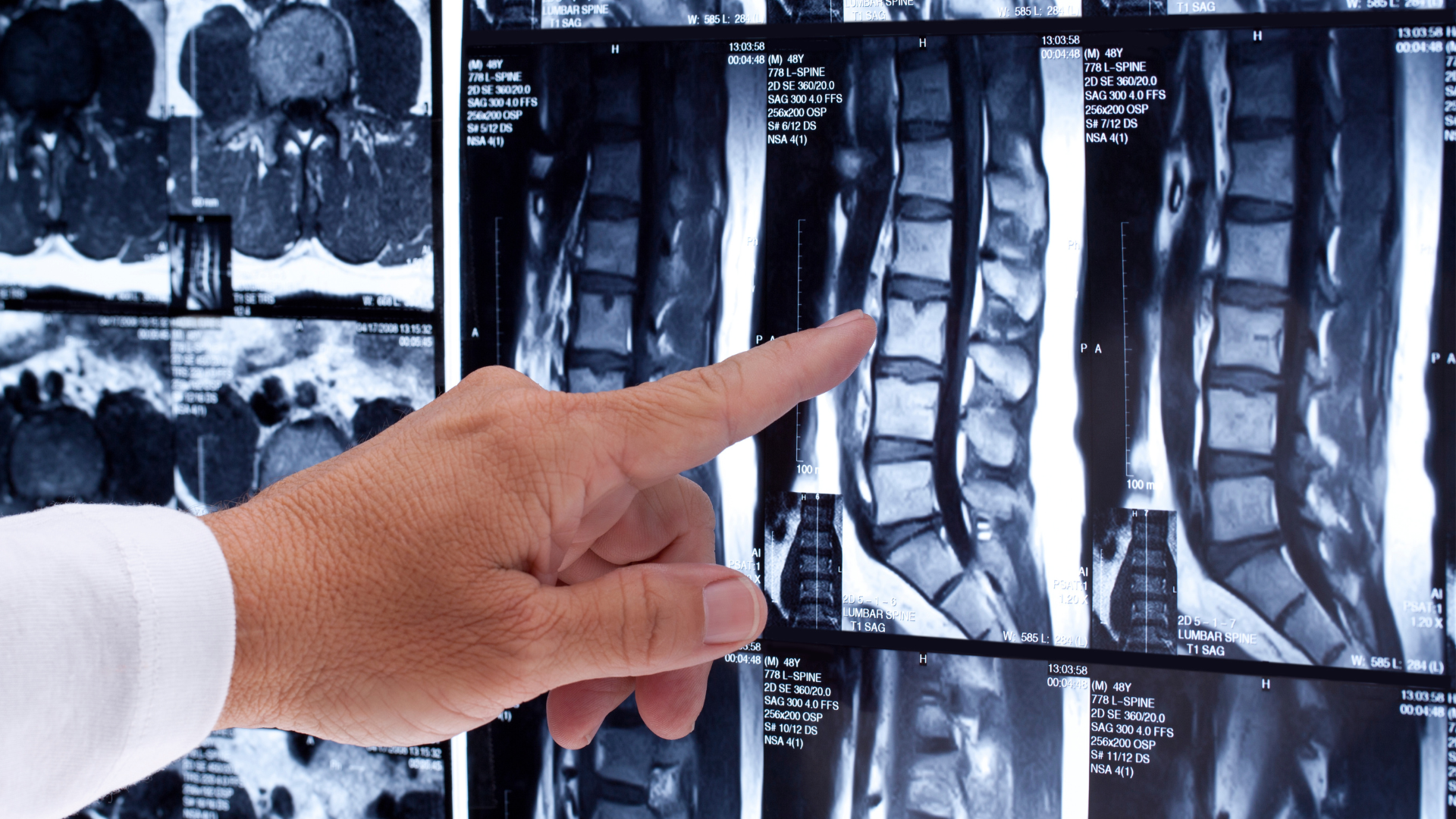
When you have ongoing pain, it feels natural to want answers. Many people believe that imaging, such as X-rays or MRIs, is always needed to explain what is wrong. This belief, however, may not actually help and can even affect recovery outcomes.
A recent study explored these maladaptive imaging beliefs, looking at how they relate to two important outcomes: pain interference and physical function. Pain interference is how much pain disrupts daily life, mood, and activities. Physical function is the ability to move and perform tasks.
Surprisingly, the study showed that believing too strongly in the need for imaging predicted worse scores in both areas. Each additional maladaptive belief was linked with slightly higher pain interference after six weeks and lower physical function both at the start and after six weeks.
This finding has important implications for both patients and Physiotherapists in Singapore. It highlights the importance of understanding beliefs, education, and clear communication.
What Are Maladaptive Imaging Beliefs?
To start, let us break down the term.
- Maladaptive means something unhelpful that may interfere with recovery
- Imaging beliefs are ideas about the role of tests like X-rays, CT scans, and MRIs.
In the study, four common maladaptive beliefs were identified:
- Imaging is needed to rule out serious conditions.
- Imaging is necessary to guide the treatment plan.
- A correct diagnosis cannot be made without imaging.
- Imaging is required to prove symptoms are real.
Although these beliefs seem logical, they are not always supported by clinical evidence. In fact, unnecessary imaging can sometimes cause harm, such as finding unrelated issues that may lead to needless worry or procedures.
Why Do Patients Believe Imaging Is Always Needed?
Patients often ask: “Doctor, shouldn’t I get an MRI to know what is wrong?”
This belief is common. Studies show that between 40% and 73% of patients with musculoskeletal pain view imaging as essential. Many feel it is the only reliable way to confirm what is happening in the body.
In reality, high-quality guidelines show that imaging is only necessary in specific cases. Often, a careful history and physical examination are just as effective for guiding treatment.
Yet, patients may pressure doctors for scans. In return, clinicians may feel obliged to order them, even if unnecessary. In Singapore’s healthcare setting, where patients are often well-informed and actively involved, this dynamic is very familiar.
The Study: Design And Scope
This study included 152 participants aged between 18 and 90 years. All were seeking outpatient Physiotherapy for musculoskeletal pain. Participants completed a questionnaire that assessed their beliefs about imaging.
The study tracked them over six weeks, measuring pain interference and physical function using a reliable system called PROMIS (Patient-Reported Outcomes Measurement Information System).
The key question was: do these imaging beliefs relate to, or even predict, patient outcomes?
The answer, in simple terms, was yes.
Key Findings On Maladaptive Beliefs
The most common maladaptive belief was: “Imaging is needed to determine the cause of my problem.” More than half of participants agreed with this statement.
Importantly:
- Patients with maladaptive imaging beliefs scored higher on pain interference.
- They scored lower on physical function at both the start and at six weeks.
- The more beliefs patients endorsed (out of four), the worse their reported outcomes.
So, while the effect was not extremely strong, it was consistent. Each additional false or unhelpful belief mattered.
Why Do Beliefs Influence Recovery?
It may seem puzzling—how can simply believing imaging is necessary increase pain interference or reduce function?
The reason lies in behaviour and mindset. Beliefs shape expectations and motivation. If patients think that nothing can move forward without imaging, they may:
- Delay engaging fully in exercise or therapy.
- Doubt the value of active rehabilitation.
- Exaggerate worry about pain.
- Focus excessively on “finding the problem” rather than improving function.
This cycle reinforces pain interference and reduces recovery speed, regardless of what imaging shows.
How Does Pain Interference Differ From Pain Intensity?
Many patients wonder, “Is pain interference the same as pain level?” The answer is no.
Pain interference refers to how pain interrupts life. For example, even if two people both rate their pain as a 6/10, one may still function relatively well in daily activities, while the other may not.
The study showed that maladaptive beliefs impacted pain interference at six weeks more than at baseline. This suggests beliefs may gradually shape how people cope with pain.
How Does Physical Function Fit In?
Physical function measures the ability to walk, bend, carry, and perform tasks. Unlike pain intensity, it reflects capability.
In the study, maladaptive beliefs negatively influenced physical function from the start. Patients who entered therapy strongly convinced about imaging already showed lower self-rated function.
This suggests these beliefs can limit physical engagement and activity very early in care.
Clinical Implications For Physiotherapists
For Physiotherapists in Singapore, these findings matter. They highlight the need to screen for such beliefs. Psychologically, maladaptive imaging beliefs share similarities with yellow flags, which are warning signs for poor recovery.
Addressing these in assessment conversations allows Physiotherapists to:
- Reduce reliance on unnecessary scans.
- Encourage patient engagement in active treatment like exercise.
- Introduce education on how imaging does not always change management.
For example, a question such as, “Do you feel a scan is necessary for us to help you?” could allow beliefs to surface.
Patient Implications In Simple Terms
If you are a patient in Singapore with back or joint pain, the key message is this:
Believing that you need an MRI or X-ray before treatment can actually slow down recovery. This happens because:
- You may wait for scans instead of starting therapy.
- You may believe exercises or lifestyle changes are useless unless imaging confirms something.
- You may dismiss small improvements since you are focused on having a “proof” of damage.
Learning that imaging is not always necessary can empower you to recover faster.
Study Limitations To Consider
Every study has boundaries. Here are the key ones:
- The study was conducted in one healthcare system in the United States.
- The imaging belief questions in the survey were not yet validated as a formal tool.
- Treatment details were not controlled, meaning some patients may have received more education than others.
Therefore, while the results are strong, they must be viewed with caution when applying directly to Singapore.
What Can Patients Do Instead Of Insisting On Imaging?
You may ask: “If imaging is not always needed, then what should I focus on?”
Here are some practical answers based on the study’s insights:
- Start with careful clinical assessment by your Physiotherapist.
- Trust that movement-based information often guides treatment better than scans.
- Ask your therapist about factors affecting recovery, such as sleep, stress, or activity.
- Engage early in active therapy and not wait for imaging results.
References
Plante, J., Kucksdorf, J., Ruzich, J., Young, J. L., & Rhon, D. I. (2024). Do maladaptive imaging beliefs predict self-reported pain interference and physical function in patients with musculoskeletal disorders? Journal of Orthopaedic & Sports Physical Therapy, 54(9), 608–617. https://doi.org/10.2519/jospt.2024.12625