Key points
- Progressive resistance exercise is more effective than low-intensity home exercises in improving knee muscle strength and daily function for people with hamstring deficits after anterior cruciate ligament (ACL) reconstruction.
- Supervised strength training twice a week for 12 weeks can lead to greater increases in knee flexor strength and also enhances daily living activities and reduces pain.
- Clinical implication: Clinicians can consider supervised strength and neuromuscular exercises as a late-phase intervention to address persistent muscle weakness after ACL surgery.
- Patient implication: Patients with ongoing hamstring weakness even more than a year after ACL reconstruction can still benefit from starting a well-supervised strengthening programme.
Understanding persistent hamstring weakness after ACL reconstruction
Many people tear their anterior cruciate ligament (ACL) every year, especially those who play sports or have an active lifestyle. After surgery to fix this ligament—called ACL reconstruction—rehabilitation or physiotherapy is vital. However, it is common to still have one leg weaker than the other even after returning to regular activities, sometimes for more than a year.
In Singapore, with an active population and a growing interest in staying healthy and active, people want to recover quickly after knee injuries like this. If you have had ACL surgery in the past year or two and notice your hamstring muscles—those at the back of your thigh—feel weak, you are not alone. In fact, experts have found that many people experience muscle strength imbalances for twelve months or more after surgery.
Strength deficits in the hamstring muscles are more than just a nuisance. Firstly, they can limit your ability to return to sports, run, or even walk normally. Secondly, a weaker leg can increase the risk of injuring your knee again. Lastly, after some time, the uneven forces on your knee joint can contribute to developing knee osteoarthritis, which is the gradual wear-and-tear of your joint.
Why muscle strength recovery is important after ACL surgery
Right after ACL surgery, most people join a rehabilitation programme with the goal of regaining knee movement, strength, and function. These programmes run for months. But despite the effort, many patients in Singapore and around the world do not regain full strength in the muscles at the back of their knee—the hamstrings—or sometimes in the big muscle in the front of the thigh—the quadriceps.
Returning to sports or intense activity before regaining enough strength greatly increases the risk of re-injuring the ACL. Studies have shown that the chance of tearing the reconstructed ligament, or the one in the other knee, is highest in the first two years after the original operation. Strengthening the muscles that support and move the knee is not just about performance; it is about protecting your knee and ensuring long-term health.
Imagine trying to hop or land after a jump while your muscles are still weak. Not only is it harder, but more force reaches the joint itself, raising the risk of re-injury and even early arthritis.
Why do strength deficits persist after surgery?
You might wonder, “If I have completed my rehab, why am I still weak?” The hamstring muscles, often used to replace the torn ligament during surgery, naturally become weaker because part of the muscle and its tendon are removed. Even after standard rehabilitation, many people are unable to return to their pre-injury strength and function.
Researchers have found that traditional rehabilitation—usually lasting 9 to 12 months—often does not focus enough on building true muscle strength, especially over the long term. Furthermore, if you stop strengthening exercises after your therapy ends, muscles can become even weaker. In Singapore’s busy lifestyle, many stop regular strengthening once they’ve returned to work or sports, leading to persistent deficits.
What did the new research aim to find out?
With these issues in mind, a group of researchers wondered if asking people who still had weakness 12 to 24 months after ACL reconstruction to try a different approach—supervised progressive resistance exercise—would help. This approach means joining a structured, guided exercise programme focused on strengthening the hamstring and other leg muscles, twice a week for three months.
The researchers compared this strategy to the usual advice: simple, low-intensity home exercises you do on your own. They wanted to see who gained more strength, felt less pain, and returned to normal function more quickly.
Understanding the supervised resistance training programme
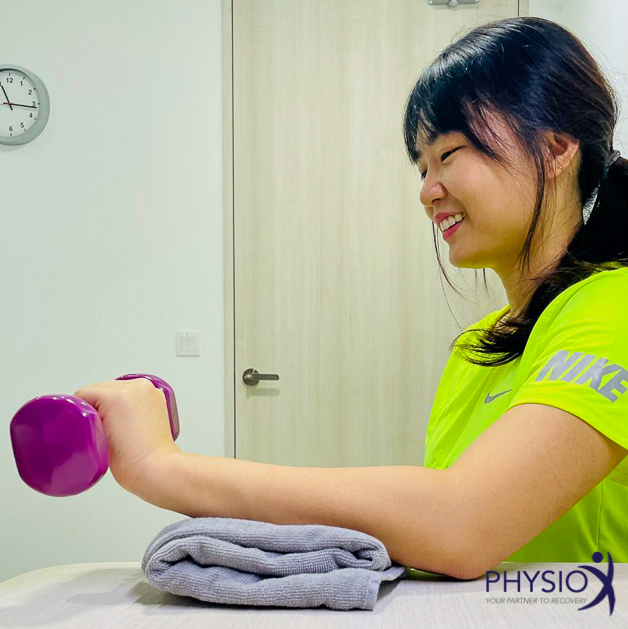
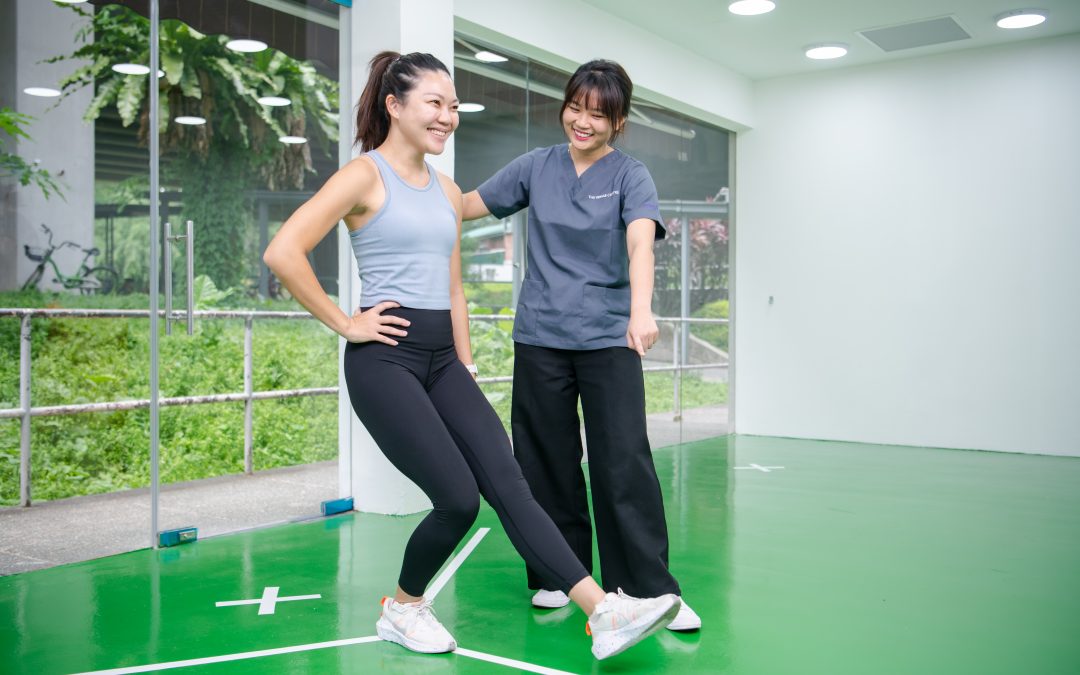
What is so special about progressive resistance exercise? Basically, it involves exercises that get harder over time. A physiotherapist guides you, increases your training load, and ensures you are doing each movement properly and safely. In the study, those who did supervised progressive training attended sessions twice a week, doing multiple lower limb exercises under expert supervision.
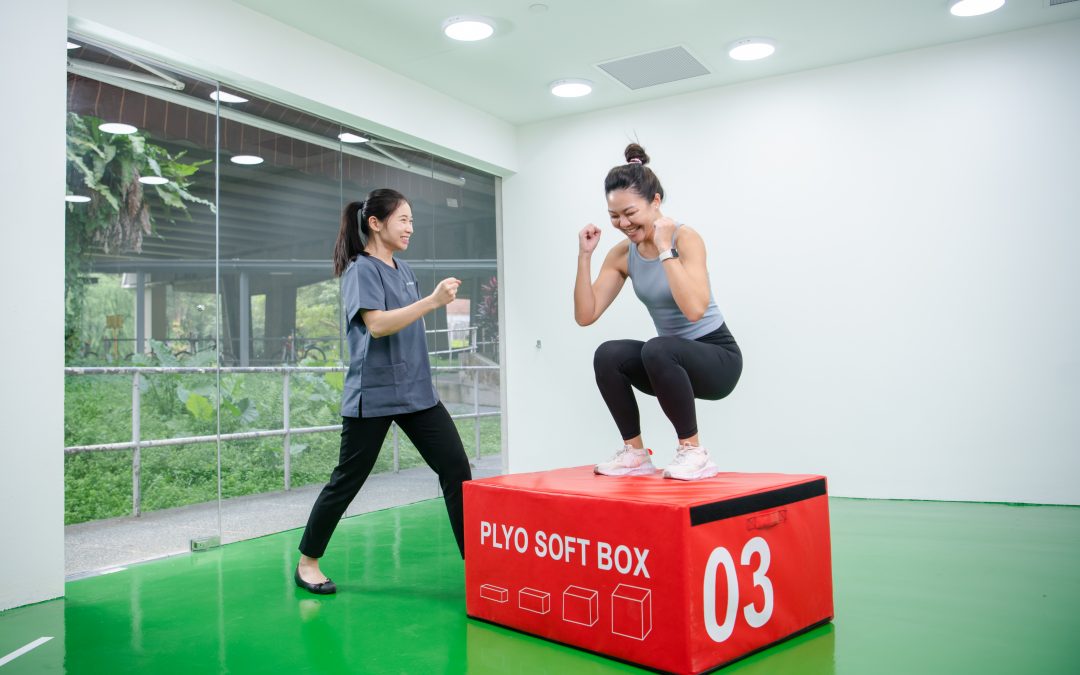
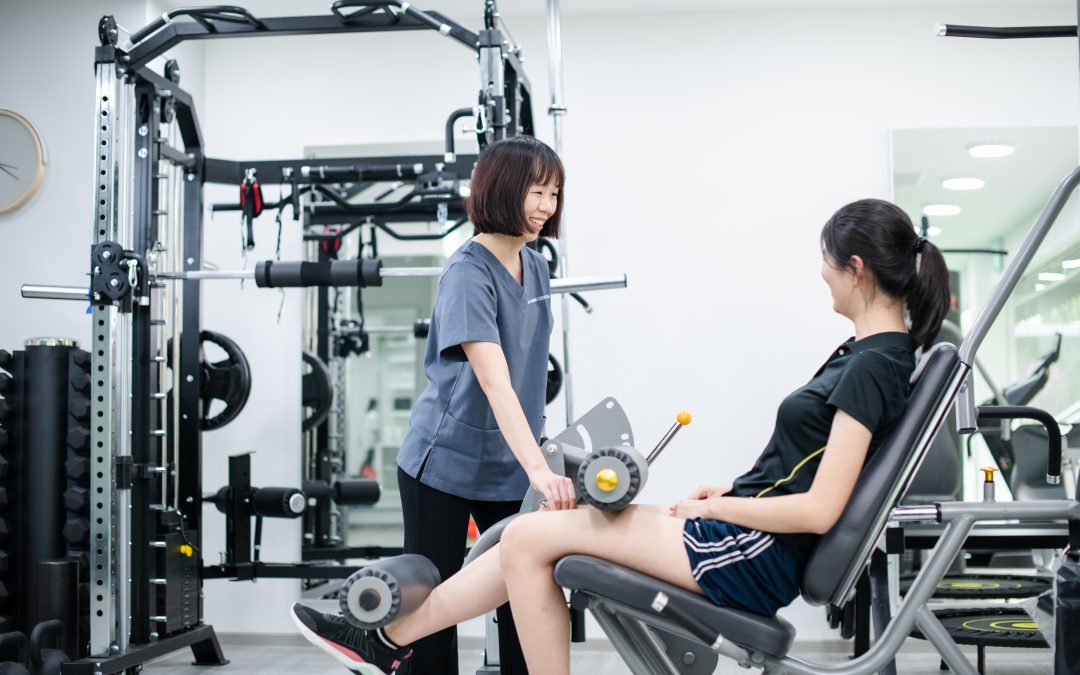
Supervised sessions last 60 to 70 minutes and include not just leg curls but also other movements that challenge and strengthen your muscles. The exercises gradually progress—meaning you lift heavier weights or do harder movements as you get stronger. Importantly, your physiotherapist will correct your form, motivate you, and prevent injuries. This type of training closely matches what top rehabilitation centres in Singapore now recommend.
In the comparison group, people received instructions for several basic home exercises, with no progressive increase in difficulty and no direct supervision. While easier to fit into a busy Singapore lifestyle, these home exercises do not challenge the muscles enough to see big improvements.
How was the study done?
Fifty-one people who had ACL surgery using hamstring tendons and still had weakness more than a year after their procedure joined the study. These participants were randomly assigned to one of two groups for 12 weeks:
- The first group attended regular, supervised strength and neuromuscular training sessions twice a week.
- The other group performed low-intensity home-based exercises, similar to usual care.
Researchers carefully measured strength in the operated and healthy leg using specialised machines. They also asked participants how their knee felt and how well they could perform daily activities—using the Knee Injury and Osteoarthritis Outcome Score (KOOS) questionnaire, which covers pain, symptoms, daily function, sports, and quality of life.
All participants were young and physically active. Both men and women took part, making the study results meaningful for a broad group of people.
What were the key findings?
The results were clear. If you have persistent hamstring muscle weakness a year or more after your ACL surgery, a supervised, progressive resistance training programme offers much greater benefits than a basic home exercise routine. Here are the main takeaways:
- Greater improvements in muscle strength: Supervised training led to a bigger increase in strength in the hamstring muscles compared to low-intensity home exercise. Muscle strength improved more than twice as much in the supervised group.
- Better function in daily life: People in the supervised group also reported bigger gains in daily activities, such as walking, climbing steps, or standing up from a chair. They experienced less pain and found it easier to enjoy a normal lifestyle.
- Supervised training works even if you start late: Improvements were seen even when the programme began 12 or more months after the original surgery.
- All patients improved: Even those doing only low-intensity exercise gained some benefit, though less than those in supervised training.
- Some deficits remained: Despite improvements, many still did not achieve full strength symmetry between their legs, highlighting that ongoing effort or longer programmes may be necessary.
Why are these findings important for Singaporeans?
In Singapore’s active, urban society, many people want an efficient recovery so they can quickly return to their hobbies, work, or sports after knee ligament injuries. The study shows that, even after standard rehab, ongoing muscle weakness is not just common—it can also be fixed with the right programme. Supervised, progressive strength training—especially if personalised and monitored by a physiotherapist—can help you regain confidence, feel less pain, and live life fully again.
Additionally, as more people in Singapore keep fit through running, football, basketball, or other sports, it is important to know what really makes a difference in knee strength after ACL surgery. Using these best practices will give you a head start on your recovery and keep you active for years to come.
What does progressive resistance exercise look like?
A progressive resistance programme consists of:
- Exercises focusing on both legs, giving special attention to the weaker side
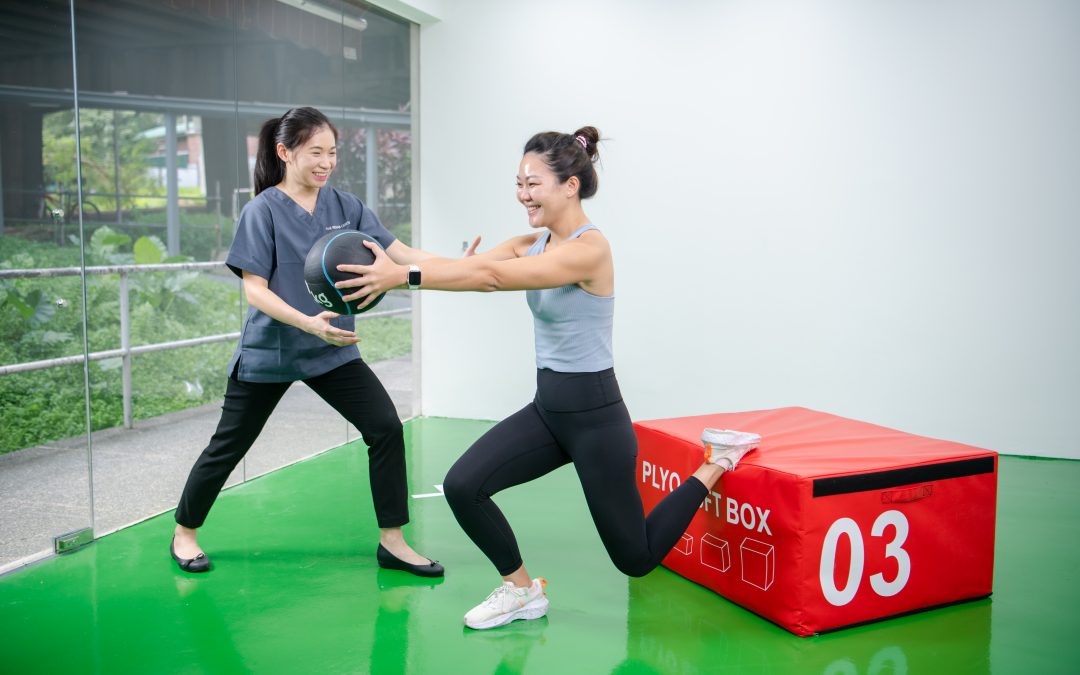
- Movements including leg curls, squats, and lunges with increasing resistance over time
- 3 sets of 10 repetitions for each exercise, at a weight that is challenging but manageable
- Regular monitoring and adjustment by a physiotherapist, so you always progress safely
- Training sessions lasting around one hour, twice a week, over 12 weeks
Transitioning from light to heavier resistance, this method is more demanding than simple home routines. However, having a professional guide increases motivation. You are much less likely to quit part-way and much more likely to reach optimal muscle strength.
How is improvement measured?
- Maximal isometric knee flexor strength: Researchers used a dynamometer—an advanced, safe way to test muscle force—to see how strong each leg could pull.
- Knee Injury and Osteoarthritis Outcome Score (KOOS): This questionnaire asked about knee pain, stiffness, function during daily activities, performance in sports, and overall quality of life.
- Limb symmetry index: This compared the strength of the operated leg to the non-operated leg to see if the difference narrowed with training.
Key clinical findings
After 12 weeks, the people who did supervised, progressive resistance training improved their hamstring muscle strength significantly more than those who only did home-based exercises. This improvement was seen as 0.18 N·m/kg greater in the supervised group.
Besides just getting stronger, participants also found it easier to handle day-to-day tasks and had less pain. For example, their score for pain improved by 4.6 points more, and for activities of daily living by 4.7 points more, compared to the home exercise group.
These improvements mean a lot for those aiming to get back to an active lifestyle. It helps restore confidence in your leg, reduces the fear of injury, and allows you to gradually return to sports or physically demanding work.
Are all types of exercises equally effective?
No, they are not. Home-based exercises, though easy to do and fit into a busy schedule, are often not challenging enough to make major differences, especially if done without progression or supervision. Supervised sessions with progressive overload—not only get you stronger but also boost your motivation and reduce the risk of giving up.
In the study, both groups improved when tested. However, the gains for muscle strength, pain, and function were clearly larger in those who did the supervised, higher-intensity programme.
How long do you need to train?
While some people may feel better in just a few weeks, building real strength takes time. The best results came after three months of consistent, guided exercise. Although both groups showed improvements, the higher intensity of the supervised training produced faster and larger gains.
It is also worth noting that, while deficits lessened, many participants still did not achieve complete symmetry between both legs. Fully eliminating the difference may require an even longer programme, continued effort on your own, or more targeted work.
What about safety and adherence?
Generally, supervised resistance exercise is safe when done under expert supervision. In the study, a few participants had mild, short-lived pain or discomfort after a session, and a few felt dizzy or nauseous during testing. These temporary issues were quickly resolved and did not stop people from continuing. Over 75% of scheduled sessions were attended, which is a good sign of how manageable and acceptable this approach is for most patients.
What does this mean for people struggling after ACL surgery in Singapore?
If you have had an ACL reconstruction and still feel weaker on one side, do not lose hope. This study shows that starting a supervised resistance programme even one or two years after surgery can still restore strength and confidence in your knee.
Many busy Singaporeans may find fitting in supervised therapy challenging. However, if full recovery of knee strength is your priority—for getting back to sports, work, or preventing future injuries—it is worth the investment. Professional guidance, tailored exercises, and a progressive plan make the journey both easier and more effective.
Strategies for keeping your knee strong after rehabilitation
- Continue strengthening exercises even after completing your rehab programme, especially if you still notice weakness.
- Attend supervised sessions if you need more guidance or motivation.
- Focus on both the quadriceps and hamstrings for balanced strength.
- Gradually progress the intensity of your exercises—never stay at the same level for too long.
- Avoid stopping all exercise after finishing your therapy; muscle strength fades quickly without regular challenge.
- Always aim for a symmetrical recovery—try to match or exceed the strength of your healthy leg.
How physiotherapists in PhysioX are applying this research
Physiotherapists in PhysioX use up-to-date evidence to guide rehabilitation. They are now more likely than ever to recommend tailored, progressive resistance programmes beyond the standard time frame after ACL reconstruction. Monitoring progress using reliable tools and adjusting exercises can help you achieve not just “good enough” recovery, but an optimal, confident return to activity.
With a greater focus on late-phase rehabilitation and individualised care, you can expect improved muscle strength and a safer transition back into the demands of daily life and sport.
Clinical implication
Clinicians can be confident recommending supervised, progressive resistance training even to patients who show muscle weakness a year or more after ACL surgery. Active, guided efforts in late-phase rehabilitation can make a significant difference to patient outcomes, improve function, and potentially reduce the risk of re-injury or later joint problems.
Study limitation
It is important to remember that improvements, while significant, may not fully close the strength gap between the operated and healthy leg in just 12 weeks. Additionally, the size of the study and the diversity of participants may have influenced the results. A longer programme or individual adjustments may be needed for some people.
Patient implication
Patients should know that persistent weakness after ACL surgery is common but treatable—even months or years later. The right programme, especially one that is supervised and progressively challenges your muscles, can lead to meaningful improvements in strength, pain, and day-to-day activities.
References
Bregenhof, B., Aagaard, P., Nissen, N., Creaby, M. W., Thorlund, J. B., Jensen, C., Torfing, T., & Holsgaard-Larsen, A. (2023). The Effect of Progressive Resistance Exercise on Knee Muscle Strength and Function in Participants with Persistent Hamstring Deficit Following ACL Reconstruction: A Randomized Controlled Trial. Journal of Orthopaedic & Sports Physical Therapy, 53(1), 40-48. https://doi.org/10.2519/jospt.2022.11360