
Key Points
- Muscle strength after Total Hip Arthroplasty (THA) remains reduced in both surgical and nonsurgical legs up to 12 months post-surgery.
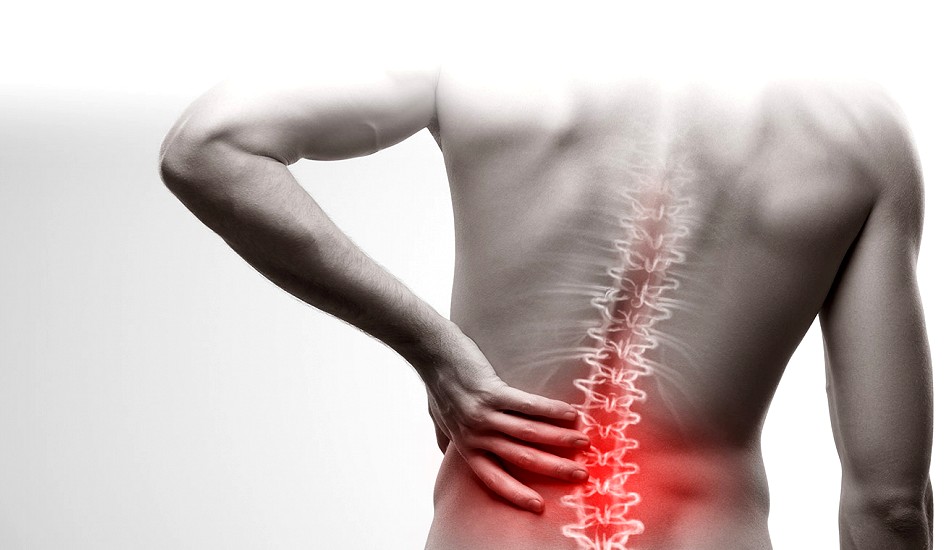
- Hip abductor muscles show particularly marked weakness and slow recovery.
- Using the nonsurgical leg as a control for recovery is misleading due to its own strength deficits.
- Walking ability and daily physical activity are lower compared to healthy individuals even after a year.
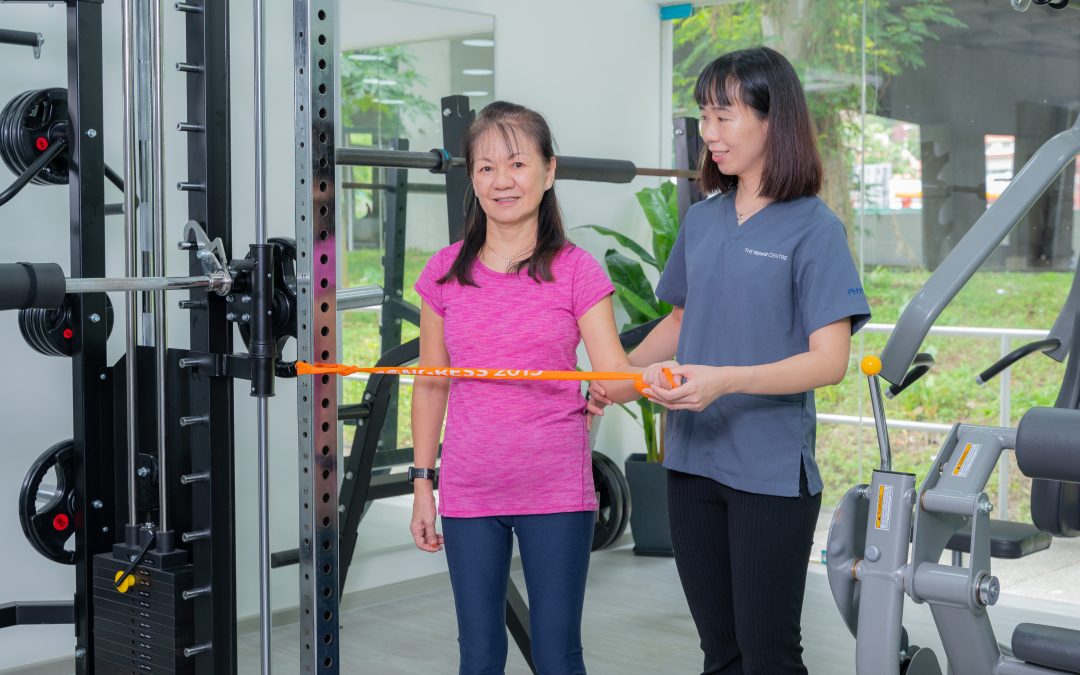
- Physiotherapists must focus on bilateral muscle strengthening and improving mobility post-THA.
Understanding Muscle Strength Deficits After Total Hip Arthroplasty
Muscle strength after hip arthroplasty is crucial for a full recovery, yet many Physiotherapists underestimate the persistence of weakness in both legs. This study clearly shows that muscle strength, especially around the hip abductors and knees, does not return to normal within 12 months after surgery. In fact, strength on the nonsurgical side is also significantly reduced.
Why is this important? Many clinicians use the nonsurgical leg as a baseline to assess recovery on the surgical side. However, because the nonsurgical leg itself is often weak, this method may underestimate the true degree of deficit. Physiotherapists should therefore compare patients’ strength to healthy control values instead.
What Does This Mean for Rehabilitation?
The study measured hip flexion, extension, and abduction strengths and knee extension and flexion strengths before surgery and at 3, 6, and 12 months after THA. Although all muscles showed improvement over time, none reached the strength levels found in healthy individuals at 12 months. Hip abductors were especially weak, recovering to only about 76% on the surgical side and 79% on the nonsurgical side of healthy control strength. Knee muscles showed slightly better recovery but still remained below normal.
This persistent weakness affects walking ability, reflected by slower times in the Timed “Up & Go” test and fewer daily steps compared to healthy controls. Improved muscle strength, especially in hip abductors and knee extensors, is essential to restore function and reduce fall risk.
Why Does the Nonsurgical Leg Lose Strength?
You might wonder, how can the leg that was not operated on also be weak? The study explained that reduced physical activity, compensation during walking, and long-term muscle changes from joint disease contribute to bilateral weakness. This confirms that rehabilitation must target both legs to improve overall function.
What Should Physiotherapists Do?
- Measure strength bilaterally and compare to community norms rather than just the nonsurgical leg.
- Prioritise strengthening hip abductors and knee muscles to enhance mobility and stability.
- Encourage gradual increase in physical activity alongside targeted resistance training.
- Monitor walking ability and step counts to guide therapy progression.
Accepting that recovery can take a year or longer helps set realistic goals and encourage patient adherence.
If you want to discuss rehabilitation strategies or strength assessment after hip arthroplasty, please contact us to speak with a Physiotherapist.
Take Home Message
Muscle strength remains reduced bilaterally up to 12 months after hip arthroplasty necessitating targeted, long-term Physiotherapy.
References
Sekita, J., Takahira, N., Watanabe, H., Kusaba, A., & Kondo, S. (2024). Identifying deficits in hip and knee muscle strength on the surgical and nonsurgical sides in women up to 12 months after total hip arthroplasty. Physical Therapy, 104. https://doi.org/10.1093/ptj/pzae099