
Safe return to play after Covid-19 infection

13th Dec, 2021

The symptoms and severity of a Covid-19 infection vary significantly. However, it is equally important to take note of the possible cardiorespiratory, renal and haematological complications that can occur post-recovery. As such, caution is recommended when an athlete resumes physical activity after a Covid-19 infection.

To begin, the following criteria should be met before an athlete proceeds to return to play:

  • 10 days of rest and 7 days symptom-free
  • No longer under treatment/medication
  • Able to complete activities of daily living and walk 500m on flat ground without excessive fatigue or breathlessness

Thereafter, the following graduated return to play protocol can be used to minimise the risk of health complications after an infection.
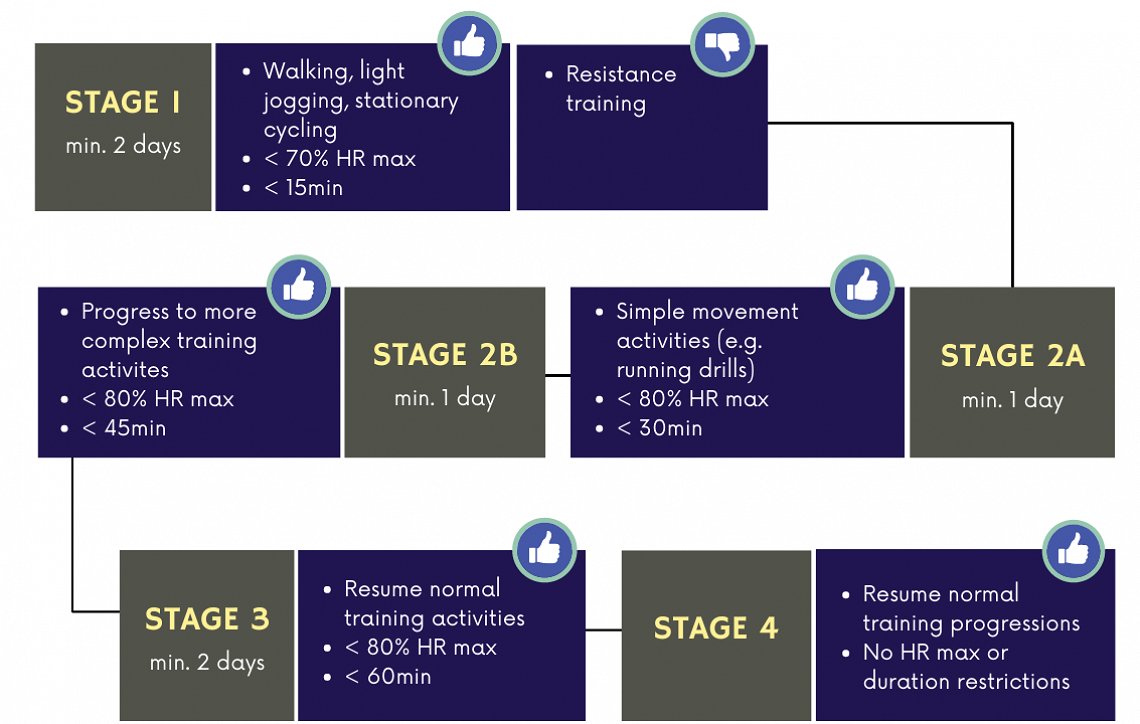
During this transition period of return to play, close monitoring of the following is recommended:

  1. Resting heart rate
  2. Rate of Perceived Exertion
  3. Sleep, stress, fatigue and muscle soreness
  4. Psychological Readiness to Return to Sport (PRRS)

Should there be a significant increase in any of the above 4 measures, the athlete should return to the previous stage and progress again after 24 hours of rest without any of these symptoms. Depending on the sport of choice, returning to play can take between 1 to 3 weeks, especially aerobic sports.

DISCLAIMER: This return to play protocol applies to people who have suffered from mild to moderate Covid-19 symptoms. Patients with severe or prolonged Covid-19 symptoms, or other comorbidities (e.g. diabetes, cardiovascular disease, etc) should be referred for further medical assessment and investigations.

References:

Elliott N, Martin R, Heron N, et alInfographic. Graduated return to play guidance following COVID-19 infection British Journal of Sports Medicine 2020;54:1174-1175.
Share Post:

Categories

[clinician_categories]

Latest Posts

The importance of hip strengthening post THA

The importance of hip strengthening post THA

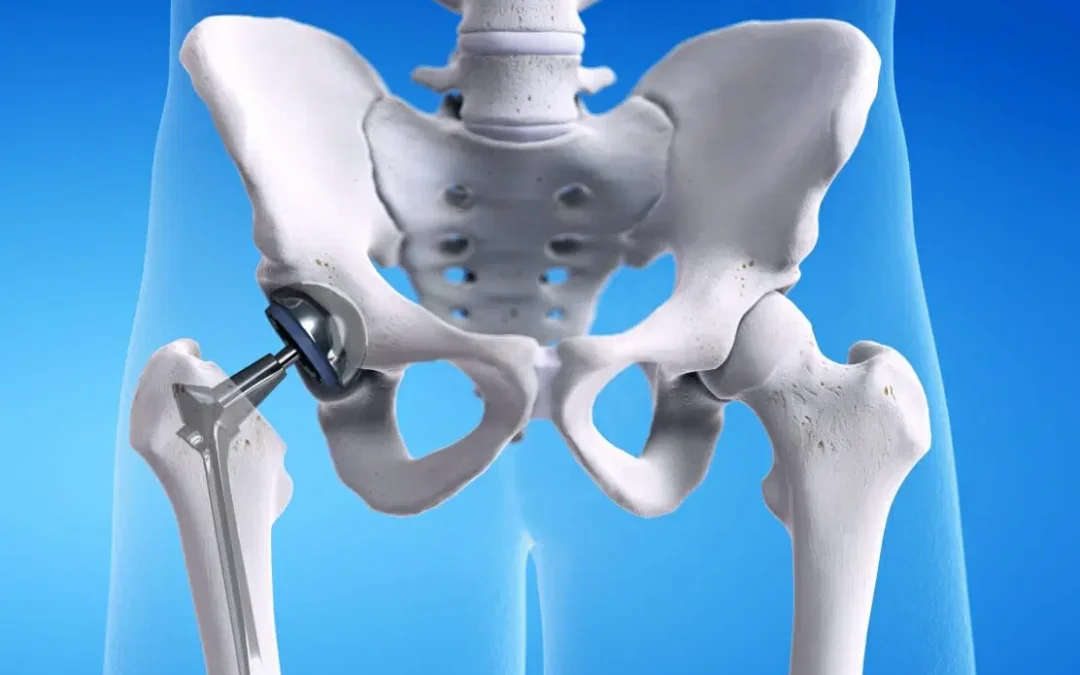
Key Points Muscle strength after Total Hip Arthroplasty (THA) remains reduced in both surgical and nonsurgical legs up to 12 months post-surgery. Hip abductor muscles show particularly marked weakness and slow recovery. Using the nonsurgical leg as a control for...

Single-Leg Squat Hip Function Test

Single-Leg Squat Hip Function Test

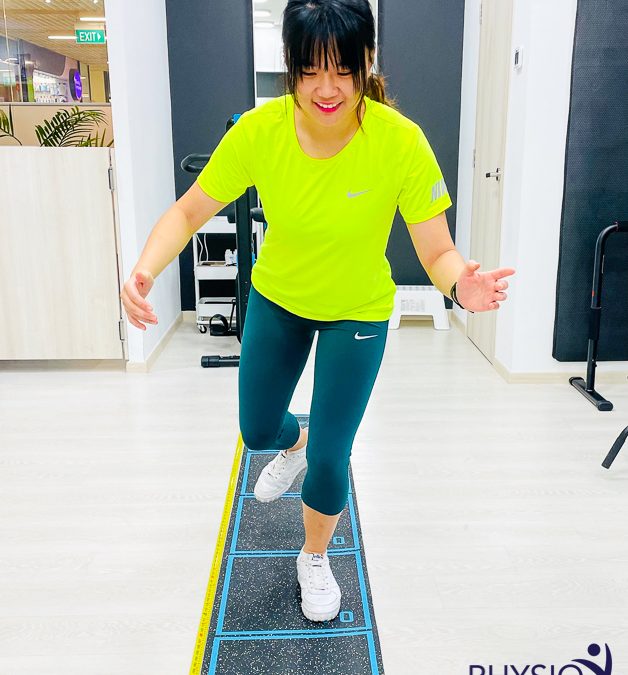
Understanding hip muscle function is crucial in treating patients, especially those suffering from anterior knee pain. Assessing this function accurately helps Physiotherapists in Singapore target rehabilitation effectively. One simple yet reliable clinical tool for...

Physiotherapy Visit Frequency Post Rotator Cuff Surgeries

Physiotherapy Visit Frequency Post Rotator Cuff Surgeries

Rotator cuff repair rehabilitation is complex and critical in helping patients regain shoulder function. Understanding optimal physiotherapy visit frequency rotator cuff can guide Physiotherapists in Singapore to provide effective yet cost-efficient care. This blog...

Providing Reassurance for Low Back Pain: Insights for Physiotherapists

Providing Reassurance for Low Back Pain: Insights for Physiotherapists

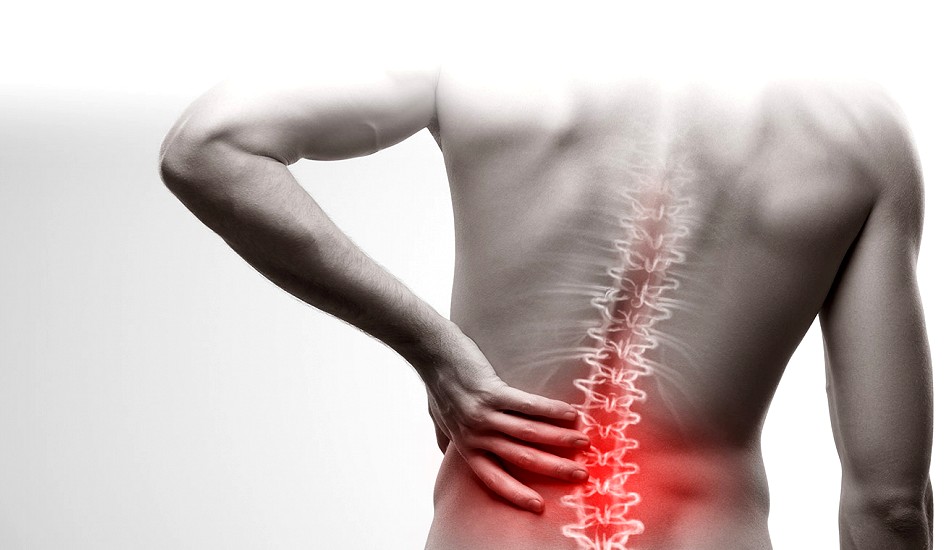
Low back pain reassurance plays a vital role in clinical practice. Physiotherapists regularly provide reassurance to patients with non-specific low back pain (NSLBP), which is the most common type of back pain without a clear anatomical cause. However, understanding...

What does best practice care for musculoskeletal pain look like?

What does best practice care for musculoskeletal pain look like?

Key Points 11 consistent recommendations were identified for MSK pain from high-quality clinical practice guidelines.These could be used to improve MSK pain care by assessing care quality, for example, through audit, guide clinical decision making and identify...

Low Back Pain: Updated Clinical Practice Guideline 2021

Low Back Pain: Updated Clinical Practice Guideline 2021

KEY POINTS: Tools of treatment used should always be chosen based on the unique presentation of the patients’ low back pain and what would best suit them This CPG does not provide a full evalution of all treatment options available i.e. use of...

Managing athletic hip and groin pain: What are the recommendations?

Managing athletic hip and groin pain: What are the recommendations?

Hip and groin pain are amongst the most common types of musculoskeletal injuries arising from sporting activities. Presently, the evidence for the diagnosis and treatment for athletic groin pain remains unclear due to the inability to scientifically identify its...

Extension restrictions after ACL/R? Ever considered a Cyclops Lesion?

Extension restrictions after ACL/R? Ever considered a Cyclops Lesion?

KEY POINTS: Cyclops syndrome should be suspected if a post-ACL/R patient presents with progressive loss of knee extension, however, other causes of knee extension deficits should also be considered Confirmatory diagnosis is made using MRI Good patient outcomes can be...

Verified by MonsterInsights