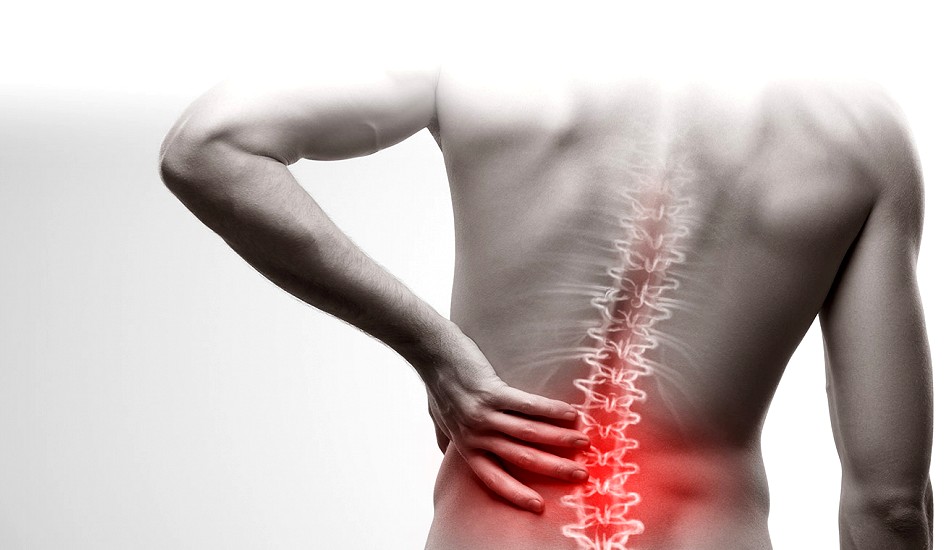
Low Back Pain: Updated Clinical Practice Guideline 2021

29th Nov, 2021

KEY POINTS:

  1. Tools of treatment used should always be chosen based on the unique presentation of the patients’ low back pain and what would best suit them
  2. This CPG does not provide a full evalution of all treatment options available
    • i.e. use of electrophysical agents for short-term pain relief (eg. heat therapy)

Low back pain is a common musculoskeletal condition seen in Physiotherapy clinics. It often causes significant pain and disability, severely impacting patients’ daily life. Still, low back pain has thus far been managed in a variety of ways due to the overall lack of high quality evidence for specific treatment methods.

The recent Clinical Practice Guideline (CPG) 2021 synthesised the recent evidence around low back pain management and builds on our knowledge and understanding of this complex condition, low back pain. In comparison to the previous 2012 guideline, this guide did well to distinguish treatment methods for acute and chronic low back pain, as well as for specific subgroups of low back pain patients (i.e. patients with leg pain, patients with motor control impairment, etc).

The following summarises the evidence presented in the 2021 CPG for acute and chronic low back pain respectively:
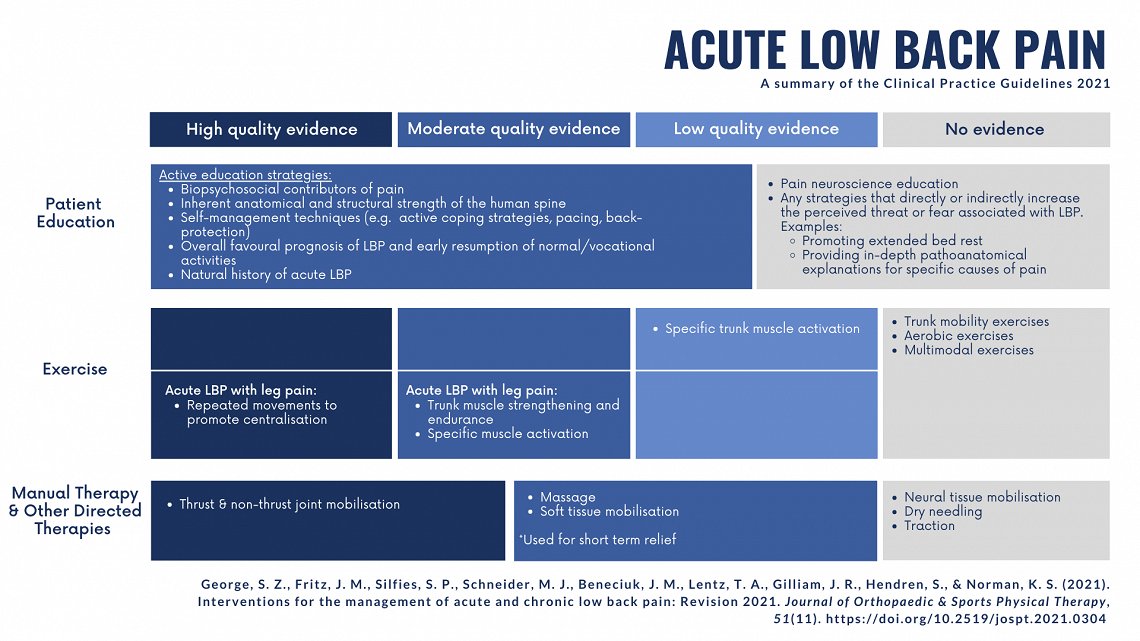
Acute Low Back Pain
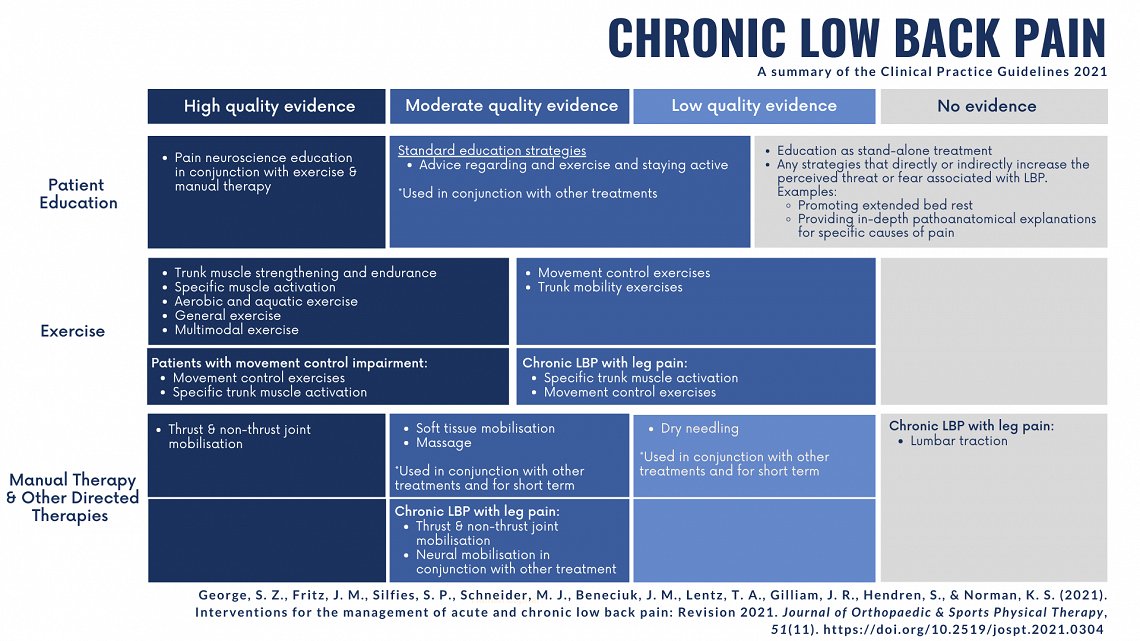
Chronic Low Back Pain

References:

George, S. Z., Fritz, J. M., Silfies, S. P., Schneider, M. J., Beneciuk, J. M., Lentz, T. A., Gilliam, J. R., Hendren, S., & Norman, K. S. (2021). Interventions for the management of acute and chronic low back pain: Revision 2021. Journal of Orthopaedic & Sports Physical Therapy, 51(11). https://doi.org/10.2519/jospt.2021.0304

Clinical guidelines to address low back pain: Using the evidence to guide physical therapist practice. (2021). Journal of Orthopaedic & Sports Physical Therapy, 51(11), 533–534. https://doi.org/10.2519/jospt.2021.0507
Categories

[clinician_categories]

Latest Posts

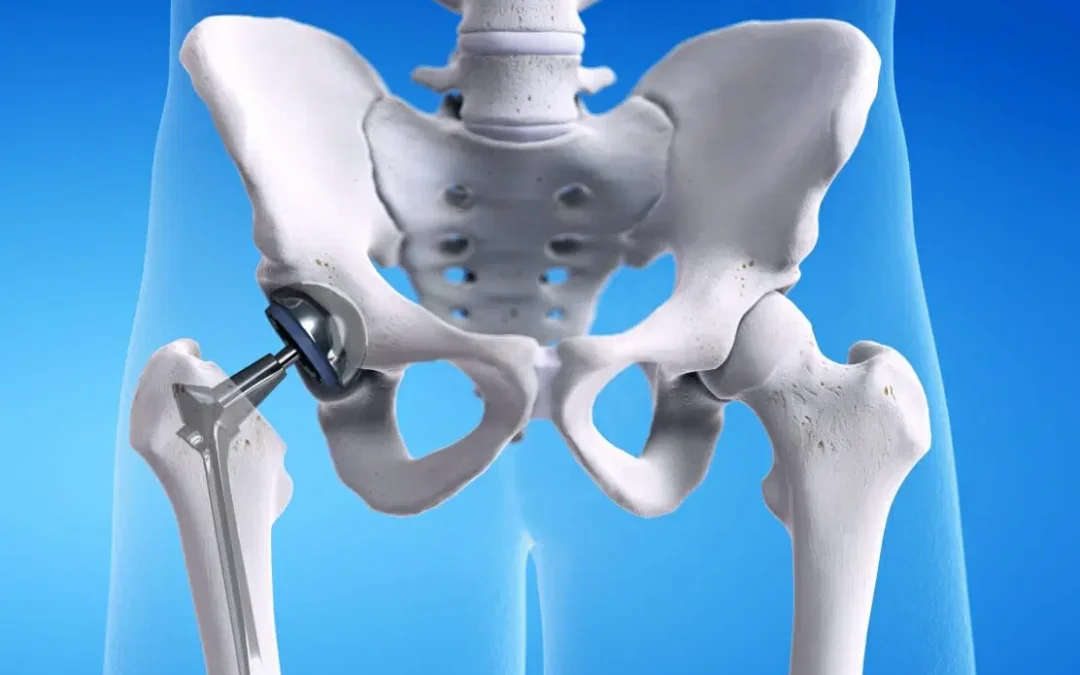
The importance of hip strengthening post THA

The importance of hip strengthening post THA

Key Points Muscle strength after Total Hip Arthroplasty (THA) remains reduced in both surgical and nonsurgical legs up to 12 months post-surgery. Hip abductor muscles show particularly marked weakness and slow recovery. Using the nonsurgical leg as a control for...

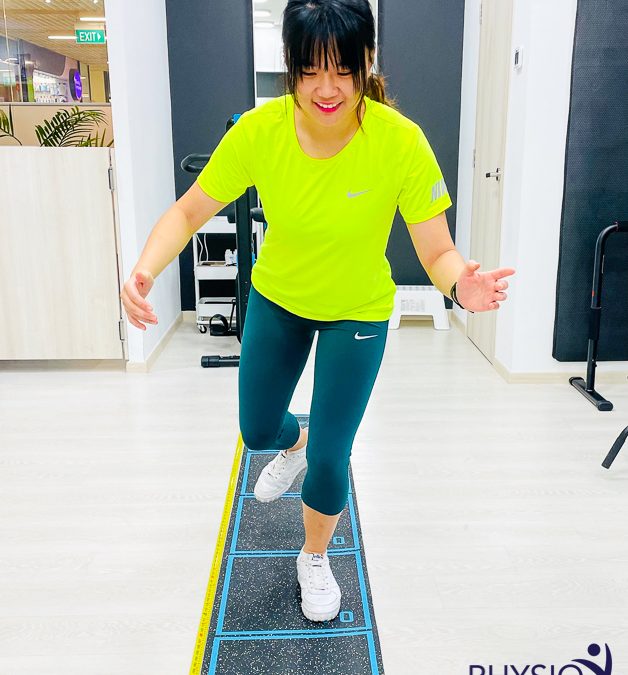
Single-Leg Squat Hip Function Test

Single-Leg Squat Hip Function Test

Understanding hip muscle function is crucial in treating patients, especially those suffering from anterior knee pain. Assessing this function accurately helps Physiotherapists in Singapore target rehabilitation effectively. One simple yet reliable clinical tool for...

Physiotherapy Visit Frequency Post Rotator Cuff Surgeries

Physiotherapy Visit Frequency Post Rotator Cuff Surgeries

Rotator cuff repair rehabilitation is complex and critical in helping patients regain shoulder function. Understanding optimal physiotherapy visit frequency rotator cuff can guide Physiotherapists in Singapore to provide effective yet cost-efficient care. This blog...

Providing Reassurance for Low Back Pain: Insights for Physiotherapists

Providing Reassurance for Low Back Pain: Insights for Physiotherapists

Low back pain reassurance plays a vital role in clinical practice. Physiotherapists regularly provide reassurance to patients with non-specific low back pain (NSLBP), which is the most common type of back pain without a clear anatomical cause. However, understanding...

What does best practice care for musculoskeletal pain look like?

What does best practice care for musculoskeletal pain look like?

Key Points 11 consistent recommendations were identified for MSK pain from high-quality clinical practice guidelines.These could be used to improve MSK pain care by assessing care quality, for example, through audit, guide clinical decision making and identify...

Safe return to play after Covid-19 infection

Safe return to play after Covid-19 infection

The symptoms and severity of a Covid-19 infection vary significantly. However, it is equally important to take note of the possible cardiorespiratory, renal and haematological complications that can occur post-recovery. As such, caution is recommended when an athlete...

Managing athletic hip and groin pain: What are the recommendations?

Managing athletic hip and groin pain: What are the recommendations?

Hip and groin pain are amongst the most common types of musculoskeletal injuries arising from sporting activities. Presently, the evidence for the diagnosis and treatment for athletic groin pain remains unclear due to the inability to scientifically identify its...

Extension restrictions after ACL/R? Ever considered a Cyclops Lesion?

Extension restrictions after ACL/R? Ever considered a Cyclops Lesion?

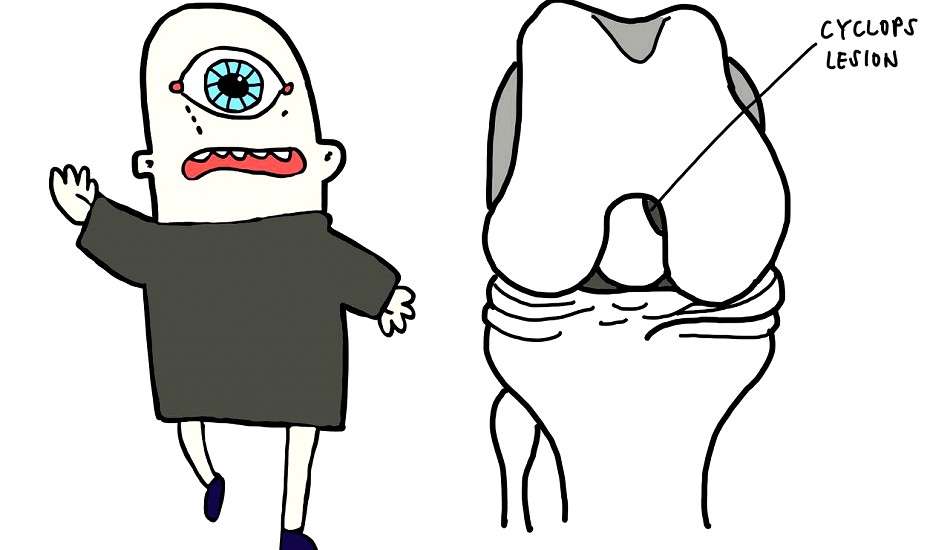
KEY POINTS: Cyclops syndrome should be suspected if a post-ACL/R patient presents with progressive loss of knee extension, however, other causes of knee extension deficits should also be considered Confirmatory diagnosis is made using MRI Good patient outcomes can be...

Verified by MonsterInsights