Key Points
Clinical Implication
Kinesiophobia, or fear of movement, is significantly linked to poorer physical function in people suffering from patellofemoral pain (PFP). This fear can negatively impact recovery and limit rehabilitation effectiveness. Recognising and addressing kinesiophobia is critical for improving patient outcomes.
Study Limitation
The current body of evidence on interventions to reduce kinesiophobia has very low to low certainty due to small sample sizes, study heterogeneity, and the absence of validated kinesiophobia screening tools for PFP. More robust, large-scale studies are needed.
Patient Implication
For individuals experiencing PFP, understanding that fear of movement can worsen symptoms highlights the importance of engaging fully in rehabilitation. Treatments like bracing, taping, and cognitive behavioural approaches may help reduce kinesiophobia and improve function.
Introduction to Patellofemoral Pain and Kinesiophobia
Patellofemoral pain (PFP) is a common condition characterised by pain around or behind the kneecap, particularly during activities that load the front of the knee. These activities include climbing stairs, squatting, running, and other weight-bearing movements. The burden of PFP is significant, with a prevalence rate of up to 35% in athletes and 22% of the general population annually. Unfortunately, many individuals still experience pain and functional limitations years after treatment, with poor outcomes reported in roughly 57% of cases five to eight years post-rehabilitation.
Multiple factors – biomechanical, social, and psychological – contribute to PFP, making its management complex and challenging. Among these, a biopsychosocial factor termed kinesiophobia has gained research attention as a key negative influence on outcomes.
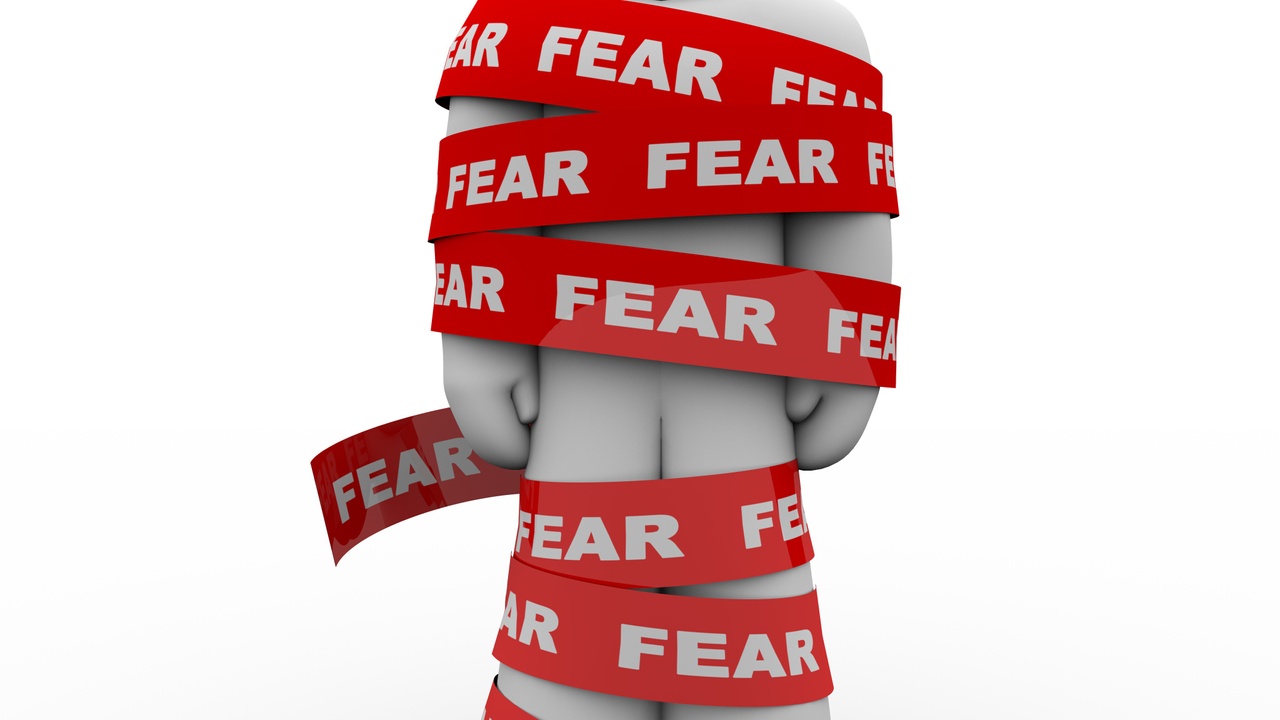
Kinesiophobia is the intense and irrational fear of movement due to the belief that it will cause pain or reinjury. This fear leads to avoidance of activities perceived as harmful, which ironically can result in worsening of symptoms, muscle weakness, and disability over time.
What Is Kinesiophobia?
Kinesiophobia, literally meaning “fear of movement,” is not just a simple hesitancy but an exaggerated and irrational fear that can strongly influence how individuals with painful conditions approach daily activities. Instead of facing the discomfort or risk, those with kinesiophobia may avoid movement altogether, developing a protective but ultimately harmful behaviour pattern.
This behaviour reduces physical activity levels, leading to deterioration of muscle strength and joint stability, creating a vicious cycle where pain and dysfunction fuel further fear and inactivity.
In the context of PFP, kinesiophobia is particularly important because knee loading motions during walking, climbing, and exercising are fundamental to daily living and rehabilitation. If these movements become sources of anxiety or pain anticipation, patients may struggle to engage in therapies designed to improve their condition.
How Is Kinesiophobia Measured?
Kinesiophobia is evaluated primarily through patient-reported questionnaires. The two common tools used in research and clinical settings are:
- The Tampa Scale for Kinesiophobia (TSK): A well-known questionnaire assessing fear of movement or reinjury.
- The Fear Avoidance Beliefs Questionnaire (FABQ): Measures beliefs about how physical activity and work affect pain and injury.
Both scales are widely used, yet it is important to acknowledge that they have not been specifically validated for people with PFP. Therefore, results should be interpreted cautiously and in conjunction with clinical assessment.
How Common Is Kinesiophobia in Patellofemoral Pain?
Studies consistently show that individuals with PFP report higher levels of kinesiophobia compared to those without pain, underpinning its importance in the clinical picture. This heightened fear is connected not only to pain but to several indicators of poorer function and quality of life.
The Link: Kinesiophobia, Function, and Pain
A core finding from pooled data across multiple studies is the moderate association between kinesiophobia and self-reported knee function in people with PFP. This means that as fear of movement increases, a person’s functional abilities tend to worsen.
Conversely, the relationship between kinesiophobia and pain is weaker but still present, indicating that fear may contribute more significantly to how individuals perceive their knee’s function rather than just the pain intensity.
These relationships highlight the need for clinicians to address not only the physical aspects of PFP but also the psychological components like kinesiophobia, to achieve meaningful improvements.
Beyond Pain and Function: Other Factors Connected to Kinesiophobia
Research has identified several other factors that relate to kinesiophobia in PFP, including:
- Pain Catastrophizing: Excessive negative thinking about pain, which shows a moderate correlation with fear of movement.
- Anxiety and Depression: Emotional distress has a weak to moderate relationship with kinesiophobia.
- Muscle Strength: Weakness, particularly in hip abduction and knee extension, shows a weak to moderate association.
- Movement Biomechanics: Changes in knee and hip joint movement patterns during tasks such as stair descent or jogging relate moderately to fear levels.
- Physical Activity Levels: Lower activity levels are associated with higher kinesiophobia, suggesting avoidance behaviour.
- Body Mass Index (BMI): There is some evidence linking higher BMI to increased fear, possibly through related physical limitations and pain.
- Neurological Changes: Preliminary imaging studies suggest that increased brain activity in specific regions might underlie kinesiophobia in PFP, though more research is required.
Together, these findings indicate that kinesiophobia intertwines with multiple physical and psychological domains, making its management a multidisciplinary challenge.
Why Does Kinesiophobia Matter for Treatment?
For Physiotherapists and healthcare providers, understanding how kinesiophobia influences PFP is essential. Fear of movement can:
- Limit patients’ adherence to exercise programs.
- Delay or reduce rehabilitation outcomes.
- Increase risk of developing chronic pain and disability.
- Influence the progression towards other medical issues due to inactivity, such as obesity.
Therefore, screening for kinesiophobia should be a routine component in the clinical assessment of patients with PFP to tailor treatment plans effectively.
Can Kinesiophobia Be Treated?
Encouragingly, several interventions have been studied for their potential to reduce kinesiophobia in people with PFP. These interventions fall broadly into two categories:
1. Passive Treatment Techniques
These include:
- Taping: Applying specialised tape to the knee.
- Bracing: Wearing supportive knee braces.
Studies indicate that taping and bracing can reduce fear immediately after application. This immediate effect may help patients feel more confident to engage in prescribed exercises, acting as a facilitator for rehabilitation.
However, evidence quality for these passive techniques is low, mainly because studies focus on short-term effects with limited participant numbers.
2. Kinesiophobia-Targeted Active Interventions
These approaches specifically aim to reduce fear of movement through:
- Education: Providing information to dispel unhelpful beliefs about pain and injury.
- Mindfulness Training: Teaching strategies to manage anxiety and pain perception.
- Cognitive Behaviour Therapy (CBT) Informed Physiotherapy: Techniques to change negative thought patterns.
- Loaded Self-Managed Exercise: Structured exercise plans that gradually expose patients to movement with load.
- Psychologically Informed Videos: Visual aids addressing fear and encouraging safe movement.
Meta-analyses suggest these interventions may reduce kinesiophobia better than standard Physiotherapy treatment focused solely on physical function. Despite this promise, the evidence is very low certainty, largely due to small study sizes and high variability among trials.
Additional Interventions Worth Watching
Emerging evidence is exploring:
- Web-Based Self-Management Education: Online tools helping patients understand and manage knee pain and fear on their own.
- Pain Education with Graded Loading: Teaching how to safely increase activity levels despite fear, to build both physical and psychological resilience.
Embedding these into usual care could enhance patients’ acceptance and success in rehabilitation.
Challenges and Limitations in Current Research
- Most articles are in English; foreign-language studies might add to knowledge but were excluded.
- Limited individual patient data was available; some conclusions may evolve with more data access.
- Neither TSK nor FABQ scales have been specifically validated in PFP populations.
- Existing intervention studies generally have low or very low certainty.
- No subgroup analyses for gender or chronicity of symptoms were available, possibly masking important differences.
Practical Recommendations for Physiotherapists
- Routinely assess kinesiophobia in patients with PFP using validated questionnaires alongside clinical judgment.
- Consider passive treatments like taping or bracing to reduce initial fear, aiding engagement in active rehabilitation.
- Integrate psychological strategies (education, mindfulness, CBT) into treatment plans especially for patients with high fear levels.
- Monitor and address pain catastrophizing and emotional distress as they compound kinesiophobia.
- Promote exercises targeting muscle strength and movement patterns to break the cycle of fear and avoidance.
- Encourage patients to increase physical activity gradually, addressing fears through support and education.
- Remain informed on evolving research to refine intervention strategies.
What Patients Should Know
If knee pain limits daily activity due to fear, it’s vital to communicate these fears to Physiotherapists. This helps in:
- Tailoring suitable treatment.
- Preventing worsening of symptoms.
- Regaining confidence in movement.
- Improving quality of life.
Avoiding activity out of fear may give temporary relief but often leads to long-term disability. With appropriate support, patients can overcome kinesiophobia and regain normal function.
For personalised advice or treatment, please contact us to speak with a qualified Physiotherapist.