Key Points
- Preparation for knee replacement surgery, including targeted exercise, brings modest short-term benefits for pain, function, and quality of life.
- Exercise before a knee replacement leads to visible improvements within six months but may not provide lasting effects beyond this window.
- Preoperative exercise can lower the chance of complications after joint surgery.
- Evidence is strongest for people planning knee or hip replacement, while information for other procedures is still limited.
- The best advice on what must I do before a knee replacement comes from research-driven exercise guidance, though more studies are still needed.
Clinical Implication: Singaporean patients and Physiotherapists can expect better short-term outcomes with structured exercise before a knee replacement, especially with good preparation for knee replacement.
Study Limitation: Most of the available evidence relates to large joint replacements, making it difficult to suggest clear plans for other surgery types.
Patient Implication: If you are preparing for knee replacement surgery, a short, simple supervised exercise routine before your procedure can help speed up your early recovery.
Preoperative Exercise Singapore Recovery: Why It Matters
Thinking about your preparation for knee replacement surgery? You might wonder if exercise before a knee replacement is really necessary, or perhaps you’re unsure what must I do before a knee replacement to give yourself the best chance of a smooth recovery. Many Singaporeans facing joint surgery ask these questions.
Research shows that doing focused exercise before a knee replacement, sometimes called “prehabilitation,” can make a noticeable difference in pain, function, and confidence after the operation. In Singapore’s modern health system, a growing number of people and their Physiotherapists are using evidence-based strategies to improve patient results.
This article focuses on the best advice for preparation for knee replacement and exercise before a knee replacement, making it a go-to guide for anyone asking, “What must I do before a knee replacement?”
Why Is Preparation for Knee Replacement Surgery So Important?
Pain after surgery is common, and around 75% of people feel moderate to severe discomfort soon after their operation. Acute pain can linger and sometimes lead to ongoing issues, even if you had no pain before. Despite advances, pain remains stubbornly persistent for many.
Often patients ask: “What must I do before a knee replacement?” Evidence now shows that preparation for knee replacement—in particular, following a supervised exercise routine—can cut post-surgery pain levels for several months, even if long-term effects fade by six months.
Who Should Focus on Exercise Before a Knee Replacement?
The strongest benefits are seen in those undergoing knee or hip joint replacements. For this group, research demonstrates that exercise before a knee replacement significantly improves outcomes. While there is less data for surgeries on other parts of the body, this approach remains a core part of preparation for knee replacement.
If you’re asking, “Is this only for joint replacements?” This is where preoperative exercise brings the clearest gains.
What Must I Do Before a Knee Replacement?
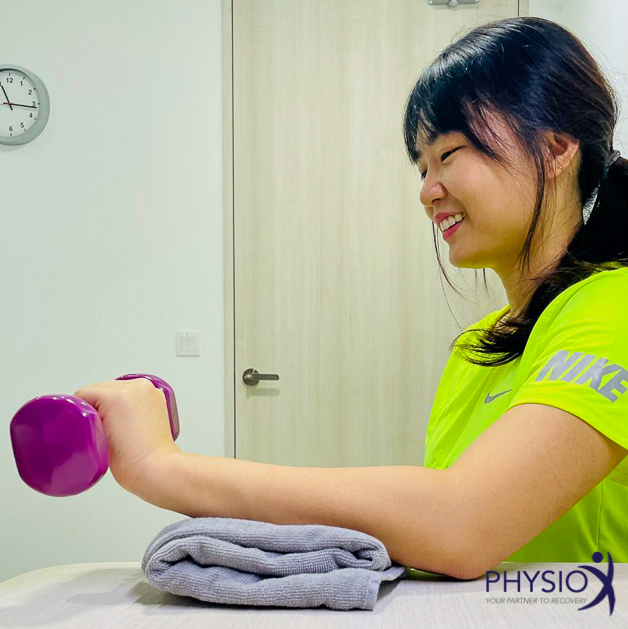
So which exercise really matters? Effective routines usually include:
- Strengthening of muscles around the knee and hip
- Flexibility and stretching drills
- Aerobic movements such as brisk walking or cycling
- Balance and coordination exercises
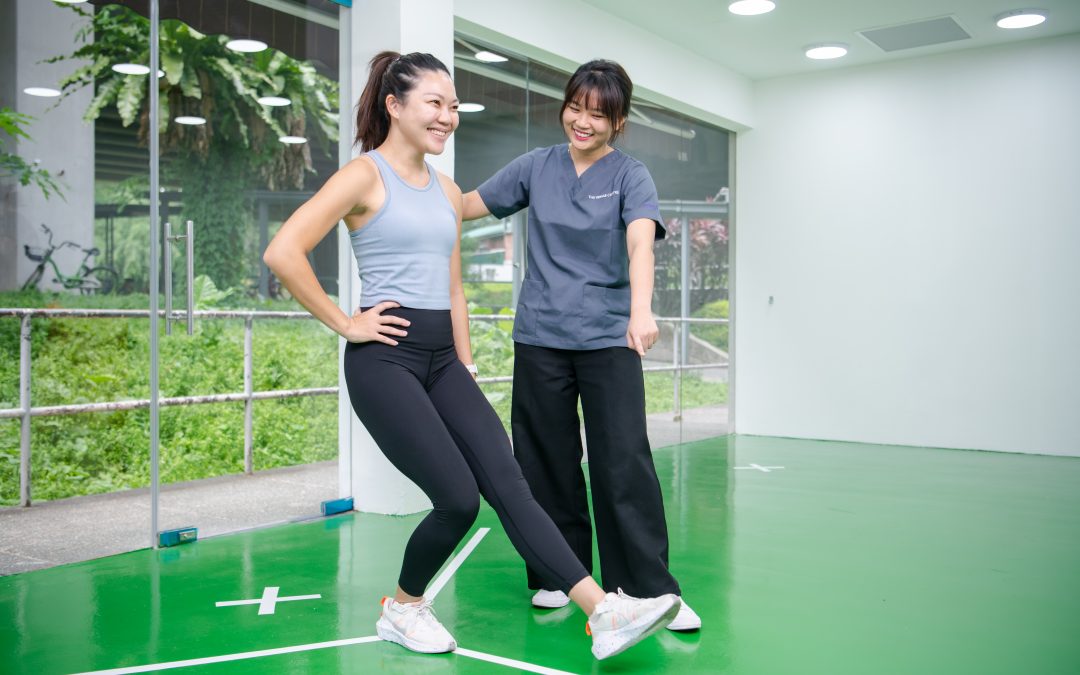
Programmes in the research included a mix, done three to five times a week, lasting from two to twelve weeks. More is not always better, but consistent, moderate exercise before a knee replacement—guided by a Physiotherapist—usually offers the best preparation for knee replacement.
How Intense Should Exercise Before a Knee Replacement Be?
Which is better? Should I push myself hard, or is gentle exercise enough? Most studies recommend regular, moderate exercises tailored to your ability. In a few cases, high-intensity training showed greater early benefits, but only in healthy groups. Singapore clinics generally advise against extreme routines unless otherwise medically cleared.
A mix of strengthening and aerobic activities is most effective, with particular focus on key joints and muscles. Still wondering what you must do before a knee replacement for the best start? — use a sensible, sustainable plan.
What Results Should I Expect from Exercise Before a Knee Replacement?
But how much better will you be if you exercise before the surgery? Results from research indicate you may have less pain, better movement, and higher quality of life for up to six months after your surgery. However, these advantages often disappear by the half-year mark. It is worth remembering that preoperative exercise still reduces the risk of complications, providing peace of mind and a better experience during the busy perioperative period in Singapore.
Does Preparation for Knee Replacement Influence Quality of Life?
Yes. Many people notice feeling healthier and more confident, especially in the first two months post-surgery. While this extra boost tends not to last indefinitely, it is an important reason why doctors and Physiotherapists encourage exercise before a knee replacement as part of comprehensive preparation for knee replacement.
What Must I Do Before a Knee Replacement to Avoid Complications?
Singapore health professionals regularly field this question. Preoperative exercise reduces the chances of issues like blood clots, poor wound healing, and infections. These are crucial advantages, especially in a fast-paced health environment. As part of what must I do before a knee replacement, staying active and following medical advice for exercise is highly recommended.
Are There Any Risks in Exercise Before a Knee Replacement?
Will the exercise harm me before surgery? The answer in most cases is no—when routines are built and monitored by a professional. High-intensity training or unsupervised programmes are only risky for those with serious medical conditions. Otherwise, exercise before a knee replacement is a safe and effective way to prepare.
Does Exercise Before a Knee Replacement Help for Other Surgeries?
Current studies show the most benefit for joint replacement only. For other surgeries such as the spine, colon, or wrist, exercise before the procedure hasn’t shown clear improvements in pain or function.
Why Does Exercise Before a Knee Replacement Work?
The research suggests several reasons:
- Improved muscular support and conditioning, reducing strain post-surgery
- Boosted immune function and better healing
- Enhanced psychological readiness and reduced anxiety
Anyone preparing for knee replacement can benefit from these effects as part of their overall health plan.
Setting Realistic Goals for Your Preparation for Knee Replacement
While exercise before a knee replacement lowers pain and helps function in the short term, it does not prevent long-term, chronic pain. For patients in Singapore, clear goal-setting and a good relationship with your supervising Physiotherapist will ensure the best preparation for knee replacement.
What Must I Do Before a Knee Replacement? Practical Steps
- Speak to your doctor and Physiotherapist early
- Begin a safe, tailored exercise programme as part of the preparation for knee replacement
- Aim for a mix of strength, flexibility, and aerobic exercises
- Track your progress and adjust as needed
- Focus on safety and consistency, not just intensity
A careful approach ensures you are on the right path to maximising recovery.
References
Hayashi, K., Janowski, A., Lesnak, J. B., & Sluka, K. A. (2023). Preoperative Exercise Has a Modest Effect on Postoperative Pain, Function, Quality of Life, and Complications: A Systematic Review and Meta-Analysis. Physical Therapy & Rehabilitation Journal, 103, 1-22. https://doi.org/10.1093/ptj/pzac169