
Key Points
- The study compared high-frequency (HF) and low-frequency (LF) physiotherapy visit schedules after arthroscopic rotator cuff repair (ARCR) to assess their impact on patient recovery and costs.
- Patients in the HF group attended two supervised sessions per week for 12 weeks, while the LF group had fewer visits—once every two weeks initially, then weekly later—totaling fewer sessions.
- Both groups improved similarly in pain, shoulder movement, and functional ability by one year post-surgery, although LF patients reported slightly more pain during activity at eight weeks post-op.
- The findings suggest that a rehabilitation plan with fewer supervised visits early after ARCR can provide equivalent long-term benefits and reduce healthcare costs.
- This study encourages physiotherapists and patients to consider individualised rehabilitation frequencies, highlighting cost-effectiveness and effectiveness in long-term recovery.
- Clinical Implication: Physiotherapists can confidently recommend reduced supervised visit schedules during the initial 12 weeks after ARCR without compromising patient outcomes, optimising resource use and accessibility.
- Study Limitation: The study had a limited sample size, mainly female participants, and used quasi-randomisation, restricting broad generalisation, and lacked routine imaging to assess tendon healing or re-tear rates.
- Patient Implication: Patients recovering from ARCR in Singapore or elsewhere may achieve excellent outcomes with fewer supervised physiotherapy appointments, allowing more affordable and convenient rehabilitation while maintaining recovery quality.
Rehabilitation Visit Frequencies After Rotator Cuff Repair: How Often Should You See Your Physiotherapist?
Recovering from a rotator cuff repair operation can be a daunting journey. You might wonder how often you need to visit your Physiotherapist to get the best results without overburdening yourself or the healthcare system. A recent study sheds light on this very question, offering hope to patients and clinicians alike by exploring if fewer supervised visits can still lead to a successful recovery.
A rotator cuff tear, common especially in people over 60, often results in significant shoulder pain and impaired movement. Arthroscopic rotator cuff repair (ARCR) is a popular surgery to fix this issue. However, the rehabilitation following surgery is vital to avoid complications such as stiffness or re-injury.
What Did the Study Investigate?
The research compared two groups of patients recovering from ARCR:
- High-Frequency Visits (HF): Biweekly sessions for 12 weeks, totalling 24 visits.
- Low-Frequency Visits (LF): Less intensive schedule with only about 9 visits during the same period.
Despite this difference, both groups performed the same rehabilitation exercises supervised by Physiotherapists, aiming to restore shoulder movement and strength gradually.
When recovering from ARCR, how important is the number of physiotherapy visits? This study provides useful information showing that fewer supervised therapy sessions can still help patients regain function successfully.
Understanding the Rehabilitation Process and Why It Varies
After ARCR surgery, shoulder healing takes time, with the tendon most vulnerable in the initial three months. Physiotherapy targets regaining range of motion (ROM), controlling pain, and rebuilding shoulder strength. Different programmes may occur, but no universal agreement exists on optimal session frequency.
In some places, patients have limited access to Physiotherapy visits due to healthcare policies or costs. For example, in Turkey where this study took place, the number of covered visits is restricted, similar to many other countries.
By testing whether fewer visits might suffice, healthcare providers hope to find a balance between quality care and managing limited resources.
Does having fewer Physiotherapy visits mean slower or poorer recovery? Obviously, patients and clinicians worry about this. However, this study found no long-term differences in shoulder pain, movement, or function whether patients had frequent or fewer visits.
How Did Patients Feel and Function Over Time?
Pain was assessed using a simple scale from zero (no pain) to ten (worst pain ever), evaluated during rest, activity, and night. Movement was measured at the shoulder in different directions using a standard tool called a goniometer. Function was scored using the American Shoulder and Elbow Surgeons (ASES) questionnaire, reflecting pain and ability.
Results showed:
- Across most times, both HF and LF groups reported similar pain levels.
- At eight weeks, those with fewer visits noticed slightly more pain during activity, but the difference was not large enough to be considered important clinically.
- Shoulder movement and function improved steadily and similarly in both groups, maintaining this progress at one year after surgery.
This indicates that a less frequent supervised visit plan doesn’t significantly compromise recovery for average patients.
What Are the Study’s Recommendations for Patients and Physiotherapists?
The authors propose that during the first six weeks, a few (approximately three) visits spaced about two weeks apart may be sufficient for supervised sessions, supported by guided home exercises. From weeks six to twelve, one or two visits per week could help as active strengthening exercises begin and risk of re-injury rises.
Beyond the first three months, periodic check-ups (such as monthly visits) can maintain home exercise motivation and monitor progress without costly frequent appointments.
Can patients recover well with home-based exercises between Physiotherapy sessions? Yes, combining supervised visits with consistent home exercises appears essential. Patients who do not adhere to exercises risk stiffness and poorer outcomes.
Why Is This Study Important for Rehabilitation Practice?
Rehabilitation is about:
- Individualised Care: No single protocol fits all; therapy frequency should consider the patient’s healing, motivation, tear severity, and compliance.
- Resource Efficiency: Providing high-value care while managing costs benefits patients and healthcare providers, especially in countries with limited health financing.
- Building Trust and Independence: Patients gain confidence managing their recovery, supported rather than controlled by therapists.
This study supports less frequent supervised therapy early on, potentially reducing the financial and time burden on patients without loss of clinical benefit.
Do All Patients Need the Same Physiotherapy Schedule?
Certainly not. Some patients with larger tears, diabetes, smoking history, or poor compliance might require more intensive supervision. Also, those with additional shoulder problems could need tailored plans.
Frequent monitoring might be necessary in these cases, whereas others could safely follow a low-frequency timetable.
Does less frequent supervised care increase risk of stiffness or re-tear? The study’s low-frequency group did not experience worse long-term shoulder movement or function, suggesting no increased risks in carefully managed rehabilitation.
What Exercises Are Included in the Post-ARCR Rehabilitation?
Patients in both groups followed a detailed staged exercise plan that included:
- Passive shoulder movements (first 1-3 weeks)
- Assisted and active motion gradually
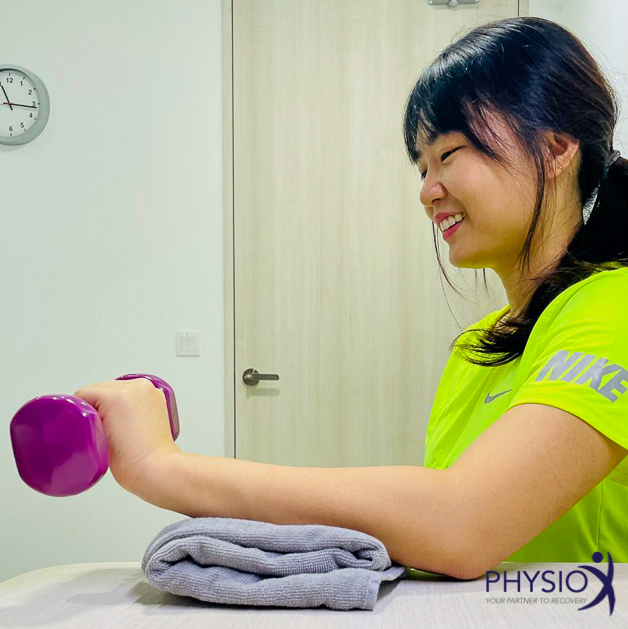
- Strengthening exercises using resistance bands or weights
- Stretching for shoulder capsule and muscles
Consistent home exercise was encouraged to maintain gains between supervised visits
Can I Do Rehabilitation at Home Successfully?
Home-based exercises are a cornerstone, combined with periodical supervised visits. Patients must commit to following exercises correctly and regularly for best outcomes.
Physiotherapists recommend supervision initially, especially when starting active motions, to avoid complications.
How Do You Know If Your Rehabilitation Is On Track?
Regular assessment of pain levels during activity and rest, monitoring shoulder movement, and functional scoring like the ASES questionnaire help both patients and therapists understand progress, adjust treatment plans and detect problems early.
Summary
This study’s findings highlight that even a modest number of supervised visits, combined with guided home exercises, can achieve excellent long-term outcomes for patients recovering from arthroscopic rotator cuff repair.
For Physiotherapists in Singapore aiming to optimise rehabilitation:
- Low-frequency visits in the early postoperative months are clinically effective.
- This approach supports affordable care and can improve patient adherence.
- Individualise treatment based on patient-specific factors.
Patients can be reassured that fewer clinic visits, when paired with proper exercises, can still lead to a fully functional shoulder without extra cost and inconvenience.
If you would like to discuss your recovery plan or need professional guidance, feel free to contact our experienced Physiotherapists for support.
References
Demirci, S., Kara, D., Yıldız, T.İ., Eraslan, L., Uysal, Ö., Sevinç, C., Ulusoy, B., Gazeloğlu, A. O., Turgut, E., Huri, G., Turhan, E., & Düzgün, İ. (2023). Effects of Different Frequencies of Physical Therapy Visits on Shoulder Function After Arthroscopic Rotator Cuff Repair. Physical Therapy Journal, 103(10), 1-8. https://doi.org/10.1093/ptj/pzad066