
Physical Activity And Musculoskeletal Pain
Musculoskeletal pain affects many people in Singapore, and understanding its connection to physical activity is vital. This article explores how different amounts of physical activity influence musculoskeletal pain, helping you find the right balance to keep pain at bay. With this information, you can make smart choices about your exercise routine and improve overall comfort and health.
What Is Musculoskeletal Pain?
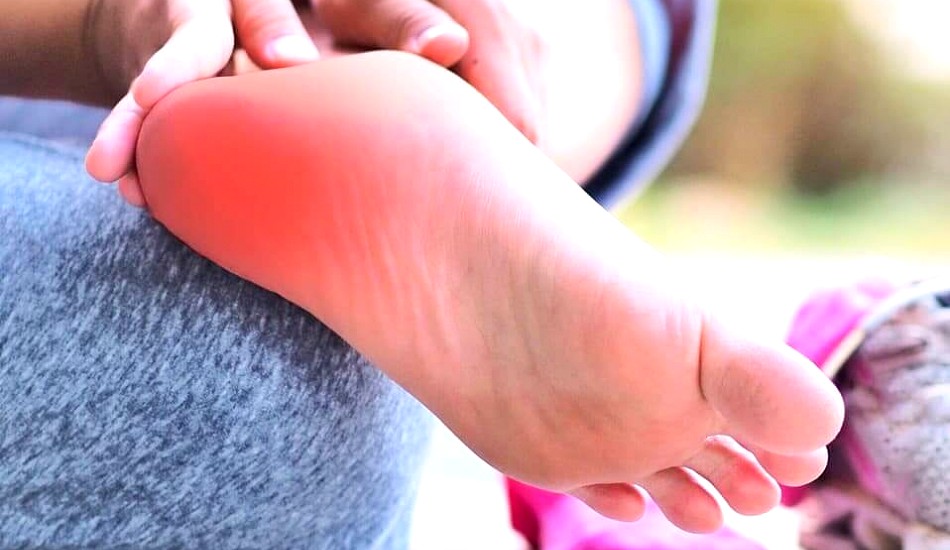
Musculoskeletal pain means discomfort in muscles, bones, joints, and other connecting tissues in the body. It can affect many areas such as the neck, shoulders, back, arms, and legs. This pain impacts your daily activities and quality of life. In Singapore, as around the world, musculoskeletal pain is common, especially among older adults and women. It can cause difficulties moving, sleeping, and working.
How Does Physical Activity Affect Musculoskeletal Pain?
Physical activity involves moving your body in ways that make your heart beat faster or make you breathe harder. The World Health Organisation (WHO) suggests adults get 150 to 300 minutes of moderate physical activity or 75 to 150 minutes of vigorous activity weekly. But can these amounts affect musculoskeletal pain?
This study included adults from 14 countries, including Singapore. It measured physical activity levels and locations of musculoskeletal pain in their bodies. Researchers used a questionnaire to find out how much time people spent doing activities ranging from walking to running and asked if they had pain in 20 body parts.
Findings: The Sweet Spot Of Activity For Pain Relief
The study found that doing about 300 to 450 minutes of physical activity per week reduced the chances of having pain in six body areas, including the elbow, forearm, wrist, hand, fingers, and abdomen. This level is higher than the minimum WHO recommendation. It seems to be the optimal dose to avoid musculoskeletal pain in these regions.
However, exercising more than 450 minutes weekly increased the odds of pain in some lower body parts like thighs, knees, and ankles. This may be because many activities use the legs extensively, which might strain those areas if done excessively.
Benefits For Neck, Back, And Upper Limbs
Doing 300 to 600 minutes of physical activity a week also linked to less pain in the neck, thoracic (upper back) and lumbar (lower back) spine, elbow, forearm, wrist, hand, and fingers. This means regular moderate exercise can support spinal and arm health.
Risks Of Excessive Exercise
While physical activity helps reduce pain in upper body regions, very high amounts (over 750 minutes weekly) may increase shoulder pain and pain in the lower limbs. It is therefore important not to overdo it and listen to your body.
Practical Advice For Singaporeans
If you want to minimise musculoskeletal pain, aim for 300 to 450 minutes of moderate to vigorous physical activity per week. This amount can help reduce pain across many body regions without increasing pain risk in the legs.
If you do more intense or lengthy exercise, be careful to manage any pain in your knees, thighs, or ankles. Try to balance intensive activity with rest and gentle exercises.
Limitations Of The Study
This research uses self-reported data, which might not be perfectly accurate. Also, the study design cannot prove cause and effect, only associations. It did not examine the type of physical activities in detail or the severity of pain.
Summary
This study shows a clear link between physical activity and musculoskeletal pain. The best way to reduce pain is to aim for 300 to 450 minutes of physical activity weekly. This dose supports many body areas while avoiding increased pain, especially in the legs. Singaporeans can use this guidance to balance their exercise and maintain musculoskeletal health.